Maximizing Small Spaces: Innovative Room Interior Design Ideas
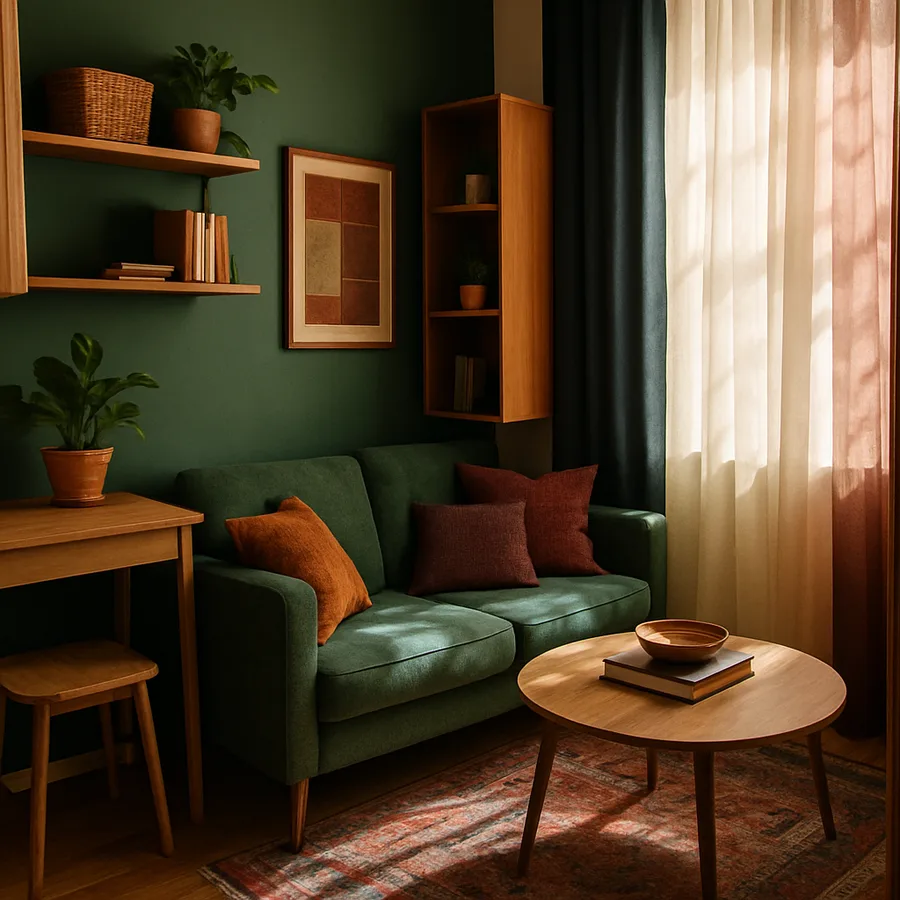
Understanding the Challenge of Compact Living
Living in a small space does not have to mean sacrificing comfort, style, or functionality. According to the National Association of Home Builders (NAHB), the average size of newly built single-family homes in the United States has decreased by approximately 5% since its peak, reflecting a broader cultural shift toward compact, intentional living. This trend has sparked a wave of creativity among designers and homeowners alike, pushing the boundaries of what a small room can achieve. The demand for smart design solutions has never been higher, and the results are nothing short of inspiring.
Small-space design is fundamentally about prioritization. Every piece of furniture, every shelf, and every decorative element must earn its place. The American Society of Interior Designers (ASID) emphasizes that successful compact living begins with a thorough assessment of how a space will actually be used day to day. Rather than cramming a full-sized living room setup into a 400-square-foot apartment, thoughtful designers start by identifying the essential activities and building the room around those needs. This approach transforms limitations into creative opportunities.
What makes small-space design particularly fascinating is the way it forces innovation. When square footage is limited, vertical space, hidden compartments, and dual-purpose elements become essential rather than optional. Designers working in cities like New York, Tokyo, and Hong Kong have developed an entire vocabulary of techniques specifically for micro-apartments and compact homes. These ideas are now filtering into mainstream design, benefiting homeowners regardless of their floor plan size. The principles that work in a 300-square-foot studio can improve the functionality of a 2,000-square-foot house.
Have you ever walked into a small apartment and been amazed at how spacious it felt? That sensation is not accidental. It is the product of deliberate design choices involving scale, proportion, light, and color. Understanding these principles is the first step toward transforming any cramped room into a space that feels open, organized, and genuinely enjoyable to spend time in. The strategies outlined in this guide will help you rethink your relationship with your living space from the ground up.
Multifunctional Furniture as a Foundation
The single most impactful change you can make in a small space is investing in multifunctional furniture. A sofa that converts into a bed, a coffee table with built-in storage, or a dining table that folds flat against the wall can eliminate the need for multiple separate pieces. The International Interior Design Association (IIDA) has noted that multifunctional furniture has moved from a niche market to a mainstream expectation, driven by urbanization and rising housing costs in major metropolitan areas. These pieces represent a fundamental shift in how we think about the objects in our homes.
Murphy beds are among the most well-known examples of space-saving furniture, but the category has expanded dramatically. Modern iterations include wall beds with integrated desking systems, modular seating that reconfigures for different social settings, and ottomans that serve as storage units, extra seating, and side tables. Some manufacturers now produce entire room systems where a single wall unit contains a bed, a desk, shelving, and a wardrobe. These solutions are engineered with the same attention to quality and aesthetics as their full-sized counterparts.
When selecting multifunctional pieces, weight and ease of transformation matter enormously. A convertible table that requires two people and ten minutes to reconfigure will quickly become a permanent fixture in one position. The best designs transform with a single motion or a gentle push, making it practical to switch configurations multiple times per day. Testing furniture in person before purchasing is highly recommended, as the smoothness of the mechanism and the sturdiness in each position can vary significantly between brands and price points.
Scale is another critical consideration. A large sectional sofa marketed as having storage compartments is still a large sectional sofa and may overwhelm a small room regardless of its hidden features. The goal is to find pieces that are appropriately sized for the space while offering genuine secondary functions. A slim console table with drawers, for instance, may serve a small living room better than a bulky entertainment center, even if the entertainment center technically holds more. Proportion and visual weight should always guide the decision.
Vertical Space and Overlooked Dimensions
Most people furnish their rooms thinking almost exclusively in two dimensions: length and width. In a small space, the vertical dimension becomes your greatest untapped resource. Floor-to-ceiling shelving, wall-mounted storage, hanging planters, and lofted sleeping areas can effectively double or triple your usable space without expanding the footprint by a single square foot. According to a survey published by Houzz, over 60% of homeowners renovating small spaces prioritize additional vertical storage as their primary goal.
Floating shelves are one of the simplest and most effective vertical interventions. Unlike freestanding bookcases, they occupy zero floor space and can be installed at any height. Arranging them in asymmetrical clusters adds visual interest while providing practical storage for books, plants, and decorative objects. For kitchens, wall-mounted magnetic knife strips, hanging pot racks, and pegboard systems free up valuable counter and cabinet space. Every wall surface that is not being used for storage or display represents an opportunity in a compact home.
Lofted beds represent a more dramatic commitment to vertical living but can be transformative in the right context. Raising the sleeping surface even four or five feet creates usable space beneath for a desk, a reading nook, or a wardrobe. This approach is standard practice in many European micro-apartments and is increasingly popular in North American urban settings. The key is ensuring that the ceiling height is adequate; a minimum of approximately eight feet is generally necessary to make a loft bed comfortable without feeling claustrophobic.
Do not overlook the vertical space behind doors, inside closets, and above doorframes. Over-the-door organizers, closet shelf risers, and narrow above-door shelves can store seasonal items, shoes, linens, and other belongings that would otherwise consume precious drawer or floor space. These overlooked nooks may seem individually insignificant, but collectively they can account for a surprising amount of additional storage capacity. A thorough audit of your home's unused vertical surfaces is a worthwhile exercise.
Light, Color, and the Illusion of Space
The perception of space is as important as the reality of it. A room that feels cramped will function as a cramped room regardless of its actual dimensions, while a room that feels open and airy will encourage relaxation and productivity. Natural light is the single most powerful tool for creating the illusion of spaciousness. Keeping windows unobstructed, using sheer rather than heavy curtains, and placing mirrors strategically to bounce light deeper into the room can make a dramatic difference without any structural changes.
Color selection plays an equally significant role. Light, cool tones such as whites, pale grays, soft blues, and muted greens recede visually, making walls appear farther away than they are. This does not mean every small room must be painted white; a carefully chosen accent wall in a deeper tone can add depth and character without closing in the space. The Houzz design community frequently recommends a monochromatic palette with varied textures as an effective strategy for small rooms, as it provides visual richness without the visual fragmentation that comes from too many competing colors.
Reflective surfaces amplify light and create a sense of depth. Mirrors are the obvious choice, but glass tabletops, metallic accents, and high-gloss finishes on cabinets or tiles achieve similar effects. A large mirror positioned opposite a window effectively doubles the perceived natural light in a room. In kitchens and bathrooms, glossy backsplash tiles reflect overhead lighting and make these typically compact rooms feel noticeably larger. The strategic use of reflection is one of the oldest tricks in the interior design playbook, and it remains effective precisely because it works on a perceptual level.
Lighting design extends beyond natural light into artificial illumination. Layered lighting using a combination of ambient, task, and accent sources creates depth and dimension that a single overhead fixture cannot. Wall sconces and recessed lighting are particularly valuable in small spaces because they illuminate without occupying any floor or surface area. Dimmable fixtures allow the mood and perceived size of a room to shift throughout the day, which is especially beneficial in studio apartments where a single room must serve multiple functions.
Zoning Strategies for Open Floor Plans
In compact homes, particularly studios and open-plan apartments, creating distinct functional zones within a single room is essential. Without clear boundaries between sleeping, working, cooking, and relaxing areas, the space can feel chaotic and unfocused. Zoning does not require physical walls. Area rugs, changes in lighting, furniture arrangement, and even shifts in color palette can delineate one zone from another while maintaining the visual openness that makes a small space feel livable.
Furniture itself often serves as the most practical zone divider. A bookshelf placed perpendicular to the wall can separate a sleeping area from a living area while providing storage on both sides. A sofa with its back to the dining area creates a natural boundary without blocking sightlines or light flow. The advantage of furniture-based zoning is its flexibility; as your needs change, you can rearrange the pieces without any demolition or construction. This adaptability is especially valuable for renters who cannot make permanent alterations to their spaces.
Curtains and sliding panels offer a middle ground between open-plan living and walled rooms. A ceiling-mounted curtain track allows you to close off a sleeping area for privacy at night and open it up completely during the day. Frosted glass or translucent fabric panels maintain light transmission while providing visual separation. Some designers use hanging textile room dividers that double as art pieces, adding texture and color while defining zones. These solutions acknowledge that the need for separation in a small space is often temporal rather than permanent.
Color and material consistency within zones reinforces the sense of intentional design. If your living zone uses warm wood tones and a particular rug color, carrying those materials throughout that section creates coherence. The work zone might use cooler tones and more industrial materials to signal a shift in function. These subtle cues help the brain register different areas as distinct environments even when they share a single room. The result is a compact space that feels like it contains multiple rooms rather than one cluttered one.
Decluttering as a Design Strategy
No amount of clever furniture or design tricks can compensate for an excess of belongings. In a small space, decluttering is not merely a lifestyle preference but a structural necessity. The NAHB reports that the average American household contains approximately 300,000 items, a staggering number that becomes particularly problematic when storage space is limited. Editing your possessions down to what you genuinely use and value is the most cost-effective design intervention available, and it creates the foundation upon which all other strategies build.
Effective decluttering in a small home requires a category-by-category approach rather than a room-by-room one. Gathering all items of a single type, whether books, kitchen utensils, or clothing, and evaluating them collectively reveals redundancies that are invisible when items are scattered across multiple locations. This method, popularized by organizing consultants worldwide, ensures that you keep only the best and most-used version of each item. The process can be emotionally demanding, but the spatial and psychological relief it provides is substantial.
Once belongings are edited, maintaining order requires systems rather than willpower. The principle of "a place for everything" is non-negotiable in compact living. Drawer dividers, labeled bins, and designated spots for everyday items like keys, mail, and chargers prevent the gradual drift toward clutter that erodes any small-space design. Building a brief daily tidying habit of five to ten minutes prevents accumulation and keeps the space functional. The discipline required is minimal, but the impact on livability is immense.
Seasonal rotation is another powerful strategy. Storing off-season clothing, holiday decorations, and occasionally used equipment in clearly labeled bins, either in a closet, under the bed, or in an external storage unit, frees up significant daily-use space. Vacuum storage bags can reduce the volume of bulky items like winter coats and bedding by up to 75%. This approach acknowledges that not everything you own needs to be accessible at all times and prioritizes immediate functionality over total capacity.
Smart Technology for Compact Homes
Technology increasingly offers solutions tailored to small-space living. Smart home devices consolidate functions that previously required separate physical objects, reducing clutter while increasing convenience. A single smart speaker can replace a clock radio, a Bluetooth speaker, a kitchen timer, and a weather station. A tablet mounted on a wall can serve as a digital photo frame, a recipe display, a video calling screen, and a smart home control panel. Each consolidation eliminates one more object competing for limited surface area.
Automated lighting and climate control systems are particularly beneficial in compact homes where a single room must serve multiple functions. Programming lights to shift from bright and cool during work hours to warm and dim during evening relaxation transforms the atmosphere without any physical changes to the room. Smart blinds that adjust based on time of day or sunlight intensity optimize natural light without manual intervention. These systems, once considered luxury additions, have become increasingly affordable and straightforward to install.
Compact appliances designed for small kitchens have improved dramatically in both performance and design. Combination microwave-convection ovens, slim dishwashers, and under-counter refrigerators deliver near-full-size performance in significantly reduced footprints. Induction cooktops can be stored in a cabinet when not in use, freeing up counter space entirely. The ASID highlights that kitchen design for small spaces has become one of the fastest-growing specializations within the profession, reflecting the high demand for solutions that make compact cooking areas genuinely functional.
How might your daily routine change if every object in your home served a clear purpose and every surface remained uncluttered? The integration of smart technology into small-space design is not about filling a room with gadgets. It is about thoughtfully consolidating functions so that fewer physical objects are needed. When combined with the spatial strategies discussed throughout this guide, technology becomes another layer in a comprehensive approach to making small spaces not just livable but genuinely comfortable and inspiring.
Conclusion: Turning Constraints Into Creative Fuel
Small spaces demand more from their inhabitants and their designers, but they also reward that effort with a clarity and intentionality that larger homes rarely achieve. Every strategy discussed here, from multifunctional furniture and vertical storage to light manipulation, zoning, decluttering, and smart technology, works toward the same goal: ensuring that every square foot contributes meaningfully to your daily life. The constraints of a compact home are not obstacles to good design; they are the very conditions that produce it.
The most successful small-space designs share a common quality: restraint. They resist the temptation to fill every corner and instead allow breathing room for the elements that matter most. A well-chosen piece of art on an otherwise bare wall, a single statement plant on a floating shelf, or a carefully curated collection of books can give a small room more personality than a large room stuffed with furnishings. Quality over quantity is not just an aesthetic preference in compact living; it is a practical requirement.
The shift toward smaller living spaces shows no signs of reversing. Urbanization continues to concentrate populations in areas where space is at a premium, and environmental awareness is encouraging many people to reduce their footprint voluntarily. The design community has responded with an ever-expanding toolkit of solutions that make compact living not just tolerable but genuinely desirable. What was once a compromise is increasingly becoming a conscious choice rooted in values of simplicity, sustainability, and mindful consumption.
If you are ready to transform your small space, start with a single room and apply one or two of these strategies before expanding to the full home. Measure your rooms carefully, research furniture dimensions before purchasing, and consider consulting with a certified interior designer who specializes in small-space solutions through organizations like ASID or IIDA. Take the first step today by choosing one underutilized wall or corner and reimagining its potential using the vertical storage principles outlined above. The results will speak for themselves, and you may find that a smaller space, thoughtfully designed, offers a richer and more satisfying way to live.
More Articles You May Like



Comments
Post a Comment