How The New York Times Influences Modern Interior Design Trends
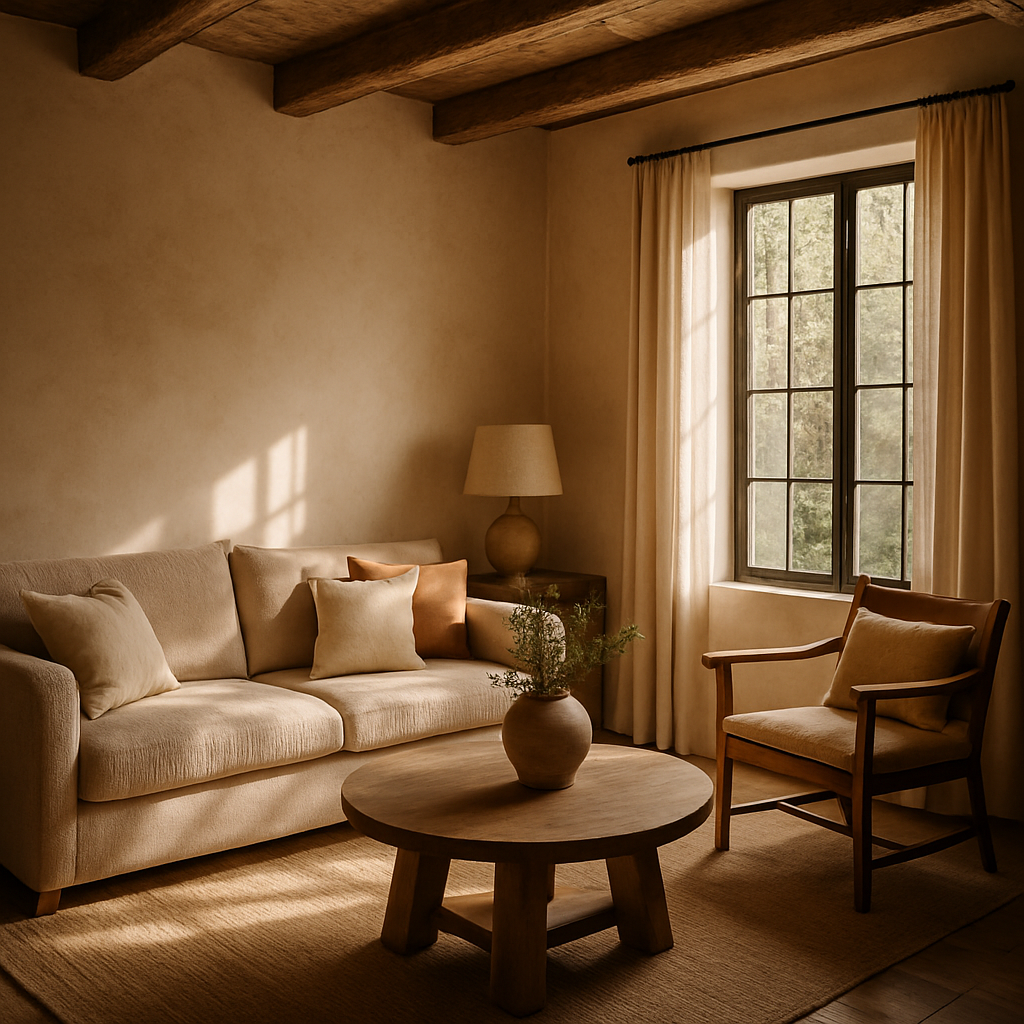
The world of interior design is constantly evolving, with trends coming and going faster than you can say "mid-century modern." But have you ever wondered who sets these trends in motion? Surprisingly, the New York Times has a significant influence on modern interior design trends. As a publication renowned for its comprehensive coverage and insightful analyses, the Times frequently showcases innovative design concepts that inspire both professionals and enthusiasts. This article will explore how the New York Times plays a pivotal role in shaping these trends, from foundational concepts to expert-level insights, and offer actionable strategies for incorporating these trends into your own space.
The Foundation of Interior Design Trends
Before diving into the specifics, it's essential to understand the foundational elements that drive interior design trends. The New York Times, through its expansive features and expert interviews, often highlights key concepts such as biophilic design and Japandi. These trends emphasize natural materials and the fusion of Japanese minimalism with Scandinavian warmth, respectively. The focus on sustainability and serenity is a direct response to the growing consumer demand for eco-friendly and calming environments.
Additionally, the Times provides a platform for emerging designers who prioritize innovative solutions like smart home integration, which includes automated lighting and climate control. This trend not only adds convenience but also enhances the aesthetic appeal of a home. The publication's emphasis on these foundational concepts helps to popularize them among a broader audience, effectively setting the stage for widespread adoption.
Moreover, the Times' coverage often includes insights from the American Society of Interior Designers (ASID) and other industry leaders, lending credibility and authority to the trends they spotlight. This collaboration between media and professional organizations ensures that the trends are not only fashionable but also practical and achievable for everyday homeowners. As we move to the next section, consider how these foundational trends might align with your own design preferences.
An Analytical Deep Dive: Data and Trends
When analyzing interior design trends, data plays a crucial role in understanding their impact and longevity. The New York Times often references studies and surveys to substantiate the trends it features. For instance, according to a Houzz survey, homeowners who incorporate biophilic elements into their homes report a 20% increase in satisfaction with their living spaces. This data underscores the significance of nature-driven design philosophies that the Times frequently explores.
Furthermore, the Times' detailed articles often include statistics about the financial benefits of following certain trends. Industry insights suggest that well-designed interiors can enhance a home's resale value by 5-15%. By highlighting these data points, the Times not only informs its readers but also empowers them to make financially sound design decisions.
The publication's reliance on data-driven insights ensures that the trends it promotes are not fleeting fads but rather enduring styles with concrete benefits. As we delve deeper into actionable strategies, think about how these statistical insights could influence your upcoming renovation or redesign plans.
Actionable Strategies for Incorporating Trends
Now that we've explored the foundational concepts and supporting data, let's discuss actionable strategies for bringing these trends into your home. One effective approach is to start small by incorporating natural elements, such as plants and wooden accents, which can instantly transform a room. This aligns with the biophilic trend that the New York Times frequently highlights, creating a calming and rejuvenating environment.
Another strategy is to embrace technology through smart home integrations. The Times often showcases homes equipped with automated systems that enhance both functionality and aesthetics. Consider installing smart lighting or climate control systems that can be easily managed through your smartphone. These features not only add convenience but also contribute to a high-tech, modern look.
Finally, don't overlook the power of curated art and furniture pieces. The New York Times often features designers who emphasize the importance of statement pieces in elevating a space. Whether it's a vintage armchair or a contemporary art piece, selecting items that resonate with your personal style can make a significant impact. As you consider these strategies, ask yourself which elements of your home could benefit from a trend-inspired update.
Expert Insights: What Professionals Say
Experienced professionals in the field often note that the New York Times is an invaluable resource for staying abreast of current trends. Designers with credentials from the National Council for Interior Design Qualification (NCIDQ) frequently turn to the Times for inspiration and validation of emerging styles. The publication's access to influential designers and architects allows it to present expert opinions that shape industry standards.
The Times' collaboration with organizations like the International Interior Design Association (IIDA) further enhances its credibility. These partnerships provide readers with expert insights that are not only inspirational but also actionable. For instance, articles that discuss the integration of sustainable materials often include tips from certified designers on sourcing eco-friendly products.
Moreover, the Times' expert insights often touch on the psychological aspects of design. Understanding how certain colors or layouts can affect mood and productivity is crucial for creating spaces that are not only beautiful but also functional and supportive of well-being. As we transition to exploring additional depth, consider how expert insights might inform your own design decisions and enhance your understanding of the field.
Going Beyond: Additional Depth in Design Trends
While the New York Times provides a robust foundation and expert insights, it also delves into nuanced aspects of design that are sometimes overlooked. For instance, the publication often explores the cultural influences that shape design trends, such as the increasing popularity of Japandi style, which marries the minimalistic elements of Japanese design with the warmth of Scandinavian aesthetics.
Additionally, the Times covers the evolving role of technology in design, such as the use of augmented reality (AR) and virtual reality (VR) tools. These technologies allow designers to visualize spaces and make adjustments before any physical changes are made. This forward-thinking approach is especially appealing to tech-savvy homeowners who value precision and customization.
The publication's attention to detail in these areas provides a comprehensive understanding of how diverse factors contribute to modern design trends. As we move to the final perspectives, think about how these deeper insights might inspire you to explore new design possibilities.
Final Perspectives on the Times' Influence
As we reach the culmination of our exploration, it's clear that the New York Times wields significant influence over modern interior design trends. Its comprehensive coverage, expert insights, and data-driven analyses make it a critical resource for both industry professionals and design enthusiasts. By understanding the depth and breadth of its influence, you can make more informed and inspired design choices.
Whether you're a seasoned designer or someone embarking on a home renovation journey, the insights offered by the Times can serve as a guiding light. As you consider your next steps, reflect on how the publication's expertise might help you achieve your design goals. Are there elements from its coverage that resonate with your personal style aspirations?
Conclusion: Embrace the Trends
In conclusion, the New York Times plays a pivotal role in influencing modern interior design trends through its insightful coverage and expert-backed analyses. By leveraging the foundational concepts, data, and strategies discussed in this article, you can confidently incorporate these trends into your home. Whether you're drawn to the serenity of biophilic design or the sleek sophistication of smart home integrations, the Times offers a wealth of inspiration and guidance.
Start by browsing designer portfolios on platforms like Houzz and Instagram this week - even 20 minutes of research will sharpen your eye for what you want. By actively engaging with the trends and resources highlighted by the New York Times, you can transform your living space into a reflection of contemporary elegance and personal style. So, which trend will you explore first?



Comments
Post a Comment