Transform Your Space: Top Online Interior Design Trends to Watch in 2023
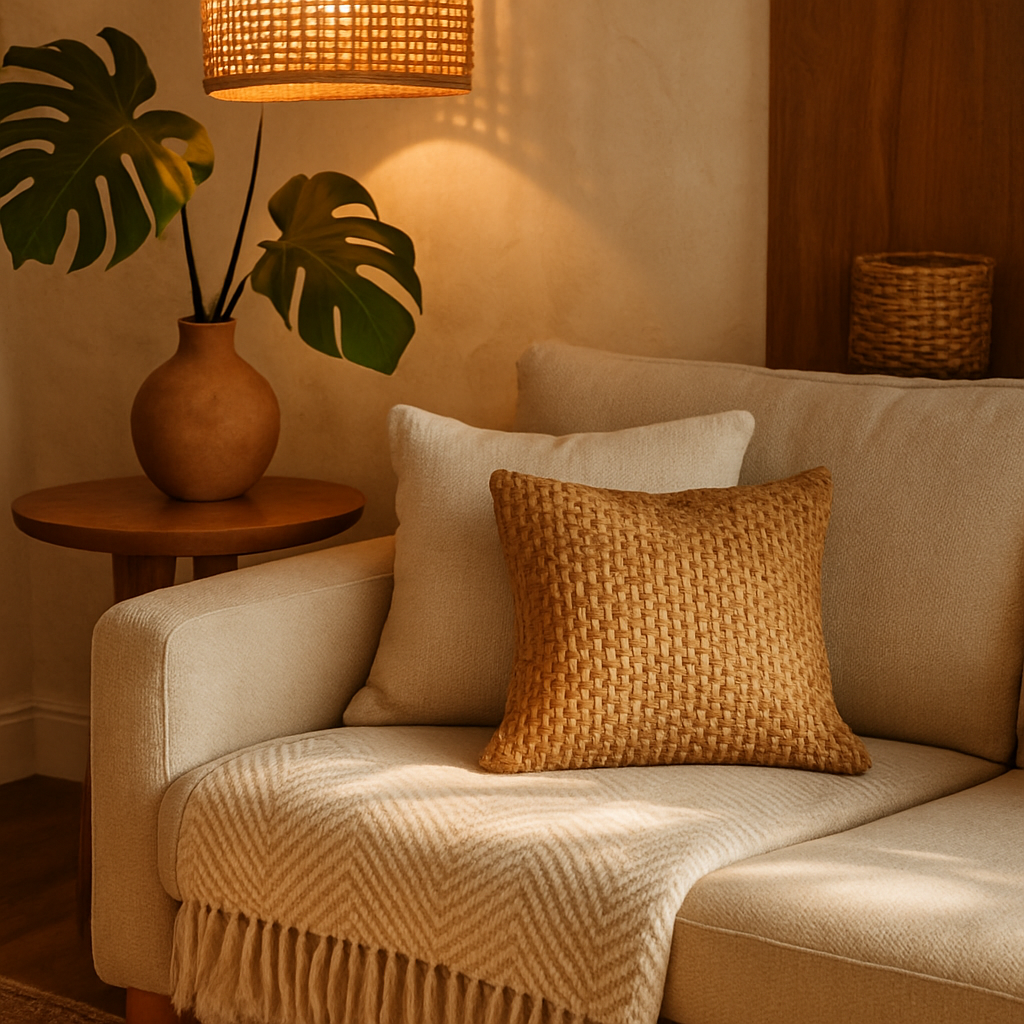
Have you ever walked into a room and felt instantly at peace, as if the space was designed just for you? This transformative power of interior design is more accessible than ever, thanks to emerging online trends. In 2023, the fusion of technology and design is reshaping how we conceptualize and execute our living spaces. From biophilic design, which connects interiors with nature, to smart home integrations that seamlessly blend convenience with style, these trends offer a glimpse into the future of home aesthetics. This article will explore foundational concepts driving these trends, delve into the data behind their rise, provide actionable strategies for your own home, and offer expert insights to help you make informed decisions. Prepare to redefine your space with the cutting-edge styles of 2023.
Foundation of Modern Design Trends
Understanding the foundation of 2023's top interior design trends requires a look at the underlying principles that have captivated designers and homeowners alike. One such principle is biophilic design, which emphasizes incorporating natural elements into interiors to promote wellbeing and harmony. This approach is rooted in the belief that humans have an innate connection to nature, and by bringing elements like plants, natural light, and organic materials indoors, we can enhance our overall quality of life. According to the American Society of Interior Designers (ASID), biophilic design has been shown to reduce stress levels and increase productivity, making it a popular choice for both residential and commercial spaces.
Another foundational trend is the integration of smart technology into home design. This trend, often referred to as "smart homes," involves using technology to automate and control various home functions, such as lighting, climate, and security. The International Interior Design Association (IIDA) notes that smart home technology not only adds a layer of convenience but also elevates the aesthetic experience by allowing homeowners to customize their environment with ease. Imagine adjusting your home's lighting with a simple voice command or having your thermostat learn your daily routine to optimize energy efficiency.
Japandi style, a harmonious blend of Japanese minimalism and Scandinavian warmth, is also making waves in 2023. This trend focuses on simplicity, functionality, and the use of natural materials, creating spaces that are both calming and practical. The National Council for Interior Design Qualification (NCIDQ) highlights Japandi's appeal lies in its ability to create a serene environment that encourages mindfulness and relaxation. As more people seek refuge from the fast-paced modern world, Japandi offers a tranquil escape within the home. These foundational concepts set the stage for the more nuanced trends we'll examine next.
Data-Driven Trends Shaping Interiors
The rise of data-driven design trends in 2023 is reshaping the way homeowners approach interior design. According to Houzz's annual survey, homeowners are increasingly prioritizing sustainability and energy efficiency, with 73% expressing interest in eco-friendly materials and solutions. This shift has led to a surge in the use of sustainable and reclaimed materials, which not only reduce environmental impact but also add unique character to spaces. By choosing reclaimed wood for flooring or recycled glass for countertops, you can make a statement while also contributing to a healthier planet.
The concept of "quiet luxury" is another significant trend gaining traction this year. This approach focuses on subtle elegance and understated design, often incorporating high-quality materials and craftsmanship without the ostentation of traditional luxury. Industry surveys suggest that quiet luxury appeals to those seeking a timeless aesthetic that speaks to sophistication and refinement. This trend is characterized by muted color palettes, plush textures, and bespoke furnishings that prioritize comfort and quality over flashy displays.
Furthermore, the use of augmented reality (AR) and virtual reality (VR) tools in interior design is revolutionizing the industry. These technologies allow homeowners to visualize design changes in real-time, providing a more interactive and immersive design experience. According to Architectural Digest's AD PRO network, designers are increasingly using AR/VR tools to help clients make informed decisions about layout, color schemes, and furniture placement. This not only enhances client satisfaction but also streamlines the design process. As we move forward, consider how data and technology can enhance your own design projects, leading us into actionable strategies.
Actionable Strategies for Your Home
Implementing 2023's top interior design trends in your own home is easier than you might think. Start by assessing the potential for biophilic design. Look around your home-are there opportunities to introduce more natural elements? Consider adding indoor plants or installing larger windows to maximize natural light. Experienced professionals often note that even small changes, like incorporating natural textiles or wooden accents, can significantly impact your space's ambiance.
When it comes to smart home integration, begin with a plan that aligns with your lifestyle. Do you value security, energy efficiency, or convenience the most? Depending on your priorities, you might invest in smart lighting systems, automated window treatments, or a comprehensive home security system. Platforms like Houzz and ASID offer resources and reviews to help you choose the best smart home products for your needs. Remember, the goal is to enhance your living experience, not overwhelm it with unnecessary gadgets.
To embrace Japandi design, focus on decluttering and choosing functional, minimalist furnishings. Ask yourself, which items bring joy and purpose to your space? Emphasize quality over quantity by selecting pieces that boast craftsmanship and durability. This trend encourages mindful consumption, so take the time to curate a collection that truly resonates with you. As you implement these strategies, you'll find that your home transforms into a reflection of your personal style, leading us to explore expert-level insights next.
Expert Insights on Design Implementation
For those seeking deeper involvement in the design process, collaborating with certified interior designers is a valuable step. Certified professionals, such as those holding NCIDQ, ASID, or IIDA credentials, bring expert knowledge and industry standards to your project. They can help navigate complex design challenges and offer tailored solutions that reflect your vision. According to ASID, hiring a certified designer can increase a home's resale value by 5-15%, underscoring the long-term benefits of professional guidance.
One of the current expert insights is the importance of a phased approach to design projects. This process typically involves concept development, design presentation, procurement, installation, and styling. Each phase offers an opportunity to refine ideas and ensure that the final outcome aligns with your expectations. Experienced designers stress the value of clear communication throughout these phases to avoid misunderstandings and ensure a seamless execution.
Moreover, engaging with platforms like Instagram and Pinterest can provide visual inspiration and help you connect with designers who share your aesthetic preferences. These platforms serve as valuable resources for discovering new trends, exploring designer portfolios, and gathering ideas for your project. As you delve deeper into the world of interior design, these expert strategies will empower you to make informed decisions, guiding us into further exploration of additional details.
Additional Depth: Navigating Costs and Budgets
Understanding the financial aspects of interior design is crucial for successful project execution. Whether you're planning a single-room redesign or a full-home transformation, having a clear budget is essential. On average, a single room redesign can range from $5,000 to $15,000, while full-home projects may exceed $50,000 to $150,000. These figures can vary based on factors such as location, scope, and the designer's fee structure.
Interior designers typically charge in several ways, including flat fees, hourly rates ($150-$500/hour), or as a percentage of the total project cost (typically 10-25%). Additionally, procurement markups on furniture and materials can affect overall expenses. When selecting a designer, inquire about their fee structure and ensure it aligns with your budget. This transparency will help you avoid unexpected costs and maintain financial control throughout the project.
Furthermore, consider the potential return on investment (ROI) when allocating your budget. Well-designed interiors can increase a home's resale value, making strategic investments in design a financially savvy decision. Whether you're planning to sell soon or simply want to enhance your living environment, understanding these financial dynamics will provide the clarity needed to proceed confidently. Let's wrap up with final perspectives on these transformative design trends.
Final Perspectives on Design Transformation
As you navigate the world of interior design in 2023, it's important to remember that the essence of these trends lies in personal expression and comfort. While trends like biophilic design, smart home integration, and Japandi offer frameworks to inspire, your unique interpretation will ultimately define your space. Ask yourself, what elements resonate with your lifestyle and values? How can your home reflect who you are?
Experienced professionals often remind us that design is both an art and a science, requiring creativity and practicality. By staying informed about emerging trends and leveraging expert insights, you can craft a living environment that is both aesthetically pleasing and functional. Whether you're embarking on a major redesign or simply updating a few elements, embrace the opportunity to create a space that enriches your daily life.
With these insights in mind, you're well-equipped to explore the transformative potential of 2023's top interior design trends. As you consider the possibilities, remember that your home is a canvas awaiting your personal touch. Now is the time to take the next step and bring your vision to life in a way that truly resonates with you.
Conclusion
In conclusion, the top online interior design trends of 2023 present a unique opportunity to transform your home into a haven that reflects your personal style and values. From biophilic design and smart home integration to the understated elegance of quiet luxury and Japandi minimalism, these trends offer a diverse array of possibilities. By understanding the foundational concepts, leveraging data-driven insights, and applying actionable strategies, you can create a space that is both beautiful and functional.
As you embark on your design journey, consider starting by browsing portfolios on platforms like Houzz and Pinterest. Even 20 minutes of research can sharpen your eye for what you want. Don't forget to consult with certified professionals when needed, as their expertise can elevate your project to new heights. Ultimately, the key to a successful interior design project is staying true to your vision while embracing the innovative trends that 2023 has to offer. Your transformed space awaits.



Comments
Post a Comment