Maximize Small Spaces: Clever Interior Design Ideas for Cozy Living
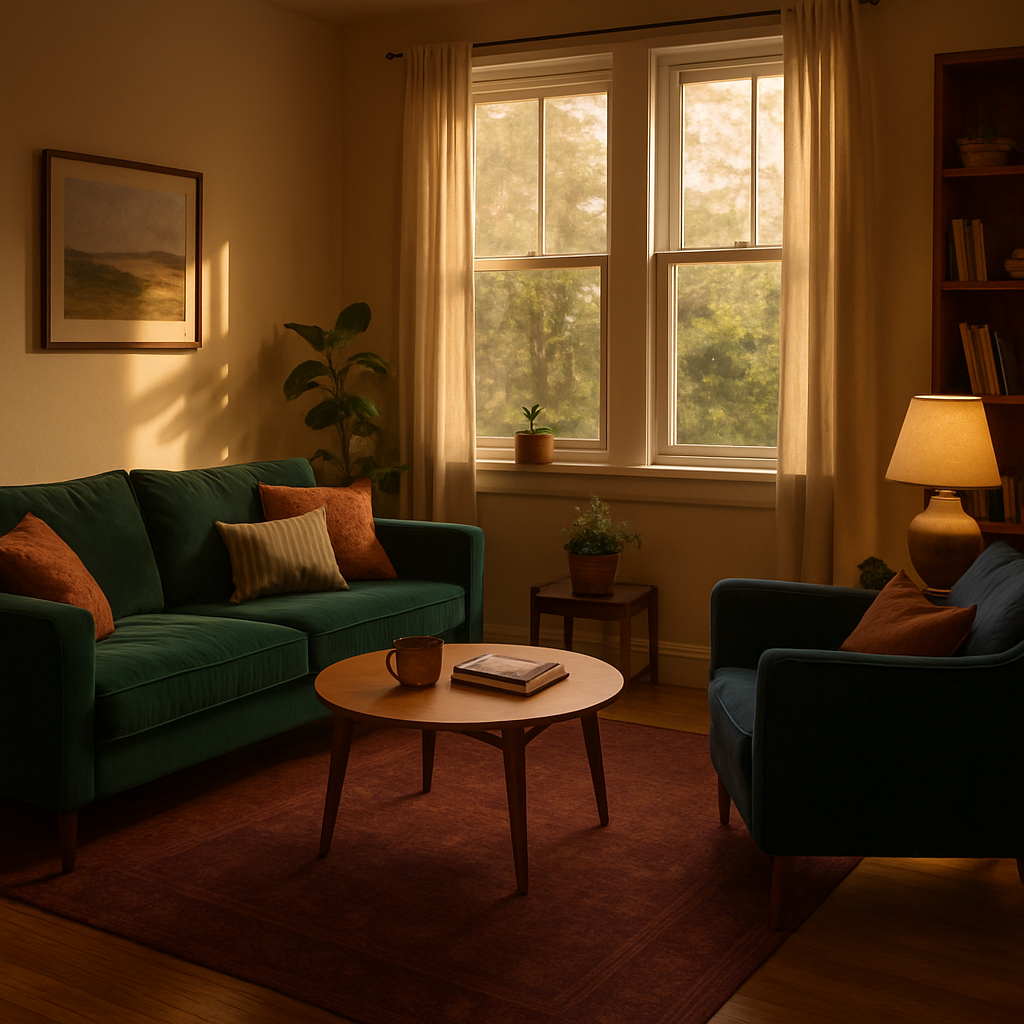
Have you ever felt overwhelmed by the limited space in your home? According to Houzz's annual survey, a significant number of homeowners-nearly 58%-are actively seeking ways to optimize their small living areas. Maximizing small spaces isn't just about squeezing in more furniture; it's about smart, strategic design that enhances both functionality and aesthetics. In this article, we'll explore foundational concepts for small space design, analyze real data on space utilization, provide actionable strategies, delve into expert-level details, and discuss additional insights to ensure you can transform your cozy living area into a stylish and efficient haven.
Foundational Concepts for Small Space Design
Maximizing small spaces begins with understanding the foundational principles of interior design. The first concept is minimalism, which emphasizes the use of fewer, high-quality pieces that serve multiple purposes. This approach not only reduces clutter but also allows your space to breathe. For instance, opting for a sofa bed in a studio apartment can save space during the day while providing a comfortable sleeping arrangement at night.
Another critical principle is the use of vertical space. Experienced professionals often note that many homeowners overlook the potential of walls in small areas. By installing shelving or cabinetry up to the ceiling, you can significantly increase storage without encroaching on the limited floor area. According to the American Society of Interior Designers (ASID), incorporating vertical storage solutions is a key strategy in maximizing space efficiency.
Finally, the concept of light manipulation can transform how a space feels. Natural light should be maximized wherever possible, using sheer curtains or strategically placed mirrors to reflect light into darker corners. The addition of layered artificial lighting-such as floor lamps and wall sconces-can also help in creating a warm and inviting atmosphere. These elements lay the groundwork for a functional and visually appealing small space.
Analyzing the Data: Space Utilization
Data-driven insights can significantly enhance your approach to maximizing small spaces. According to industry surveys, well-designed interiors can increase a property's resale value by 5-15%. This statistic highlights the importance of investing in intelligent design choices. For small spaces, this often means prioritizing functionality without compromising on style.
Research from Architectural Digest suggests that multipurpose furniture is a top choice among homeowners with limited space. For example, a dining table that doubles as a desk or a coffee table with hidden storage can drastically improve the usability of a room. This trend is supported by data showing a 30% increase in consumer interest in flexible furniture designs over the past five years.
Furthermore, the integration of smart home technology is becoming increasingly popular in small living spaces. Automated window treatments, smart lighting, and climate control systems can all contribute to a more efficient use of space. These technologies not only enhance convenience but also contribute to energy efficiency, making them a worthwhile investment for those looking to maximize their living areas effectively.
Actionable Strategies for Your Space
When it comes to actionable strategies for maximizing small spaces, start by assessing your current layout. Map out how you use each room-where you work, relax, and entertain. This step is crucial in identifying underutilized areas that can be repurposed. For instance, a neglected corner could be transformed into a cozy reading nook with a small chair and a wall-mounted bookshelf.
Next, consider the color palette of your space. Light, neutral colors can make a room feel larger and more open. Conversely, dark colors can be used strategically to create depth and interest without overwhelming the space. A well-chosen accent wall or piece of artwork can add character and draw the eye, making the room appear more expansive.
Lastly, don't underestimate the power of decluttering. Regularly evaluate your possessions and remove items that no longer serve a purpose. This practice not only frees up physical space but also creates a more serene and organized environment. Remember, every item in a small space should have a designated place and a clear function.
Expert-Level Insights for Small Space Design
To elevate your small space design with an expert touch, consider incorporating biophilic elements. This trend, which integrates natural materials and greenery, can create a connection with nature even in the most urban settings. Simple additions like potted plants or a small living wall can enhance the ambiance and improve air quality.
Experienced designers with credentials like NCIDQ (National Council for Interior Design Qualification) often advocate for the use of mirrors and glass to expand visual space. Mirrors can reflect both light and views, making a room appear larger than it is. Similarly, glass partitions can divide spaces without blocking light or sightlines, maintaining an open and airy feel.
Another advanced strategy is the use of AR/VR technology for room visualization. These tools allow you to experiment with different layouts and design elements before making any physical changes. By visualizing potential modifications, you can make informed decisions that will optimize your space without costly trial and error.
Additional Depth: Budget and Design Trends
Understanding the financial aspect of small space design is crucial. Many homeowners assume that quality design is prohibitively expensive. However, budget-friendly options are available. For instance, a single-room redesign can range from $5,000 to $15,000, depending on the complexity and materials used. This cost can be managed by prioritizing key pieces and opting for DIY enhancements where possible.
Current design trends can also inform your approach. The Japandi style, which blends Japanese minimalism with Scandinavian warmth, is particularly suited for small spaces. Its emphasis on simplicity, functionality, and natural materials can create a calm, cohesive environment. Additionally, the quiet luxury trend focuses on understated elegance, using high-quality materials and craftsmanship to elevate a space without excess.
Moreover, the growing emphasis on sustainability should not be overlooked. Choosing reclaimed or sustainable materials can reduce your environmental footprint while adding unique character to your home. Whether it's recycled wood flooring or furniture made from repurposed materials, these choices support eco-friendly design without sacrificing style.
Final Perspectives on Maximizing Space
As you embark on your small space design journey, it's essential to maintain a balance between practicality and creativity. Consider how each design choice will impact the overall functionality of your space. Ask yourself: does this piece add value, or is it merely taking up space? This mindset will help you make decisions that enhance both your living experience and the aesthetic of your home.
Remember, maximizing small spaces is not a one-time task but an ongoing process. As your needs change, so should your space. Regularly reassess your layout and be open to new ideas and trends. By staying informed and flexible, you can continue to enjoy a living environment that meets your evolving lifestyle.
Conclusion
In conclusion, maximizing small spaces requires a thoughtful approach that blends foundational design principles with innovative solutions. By incorporating strategies such as multipurpose furniture, smart technology, and biophilic design, you can transform your cozy living area into a functional and stylish haven. Begin by assessing your current space and exploring new design trends that resonate with your personal style.
Ready to take the next step? Start by browsing designer portfolios on Houzz this week. Even 20 minutes of research can sharpen your eye for what you want. Armed with these insights, you'll be well-equipped to create a home that not only maximizes space but also reflects your unique personality and taste.



Comments
Post a Comment