The Impact of Sustainable Materials on Modern Interior Design Choices
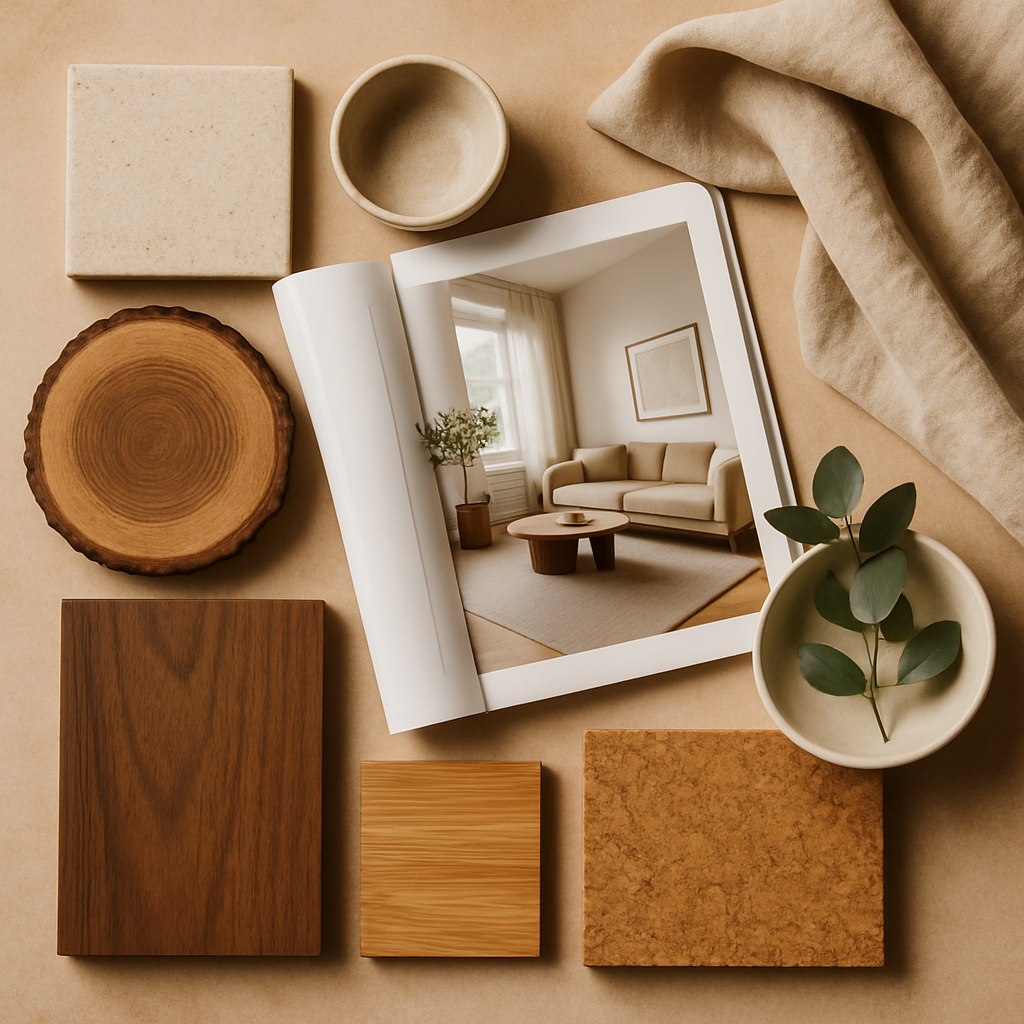
Imagine walking into a room where every element not only looks good but also contributes to a healthier planet. This isn't just a designer's pipe dream-it's a growing reality thanks to the increasing use of sustainable materials in interior design. According to a recent Houzz survey, 58% of homeowners are incorporating eco-friendly elements into their home renovations. This shift is driven by more than just environmental consciousness; consumers are realizing the tangible benefits of sustainability, from improved air quality to enhanced property value. In this article, we'll explore the foundational concepts of sustainable materials, analyze their impact on design choices, share actionable strategies for incorporating them into your home, and delve into expert insights and future trends.
Understanding Sustainable Materials in Design
The term "sustainable materials" often evokes images of recycled wood and bamboo, but the concept extends far beyond that. Sustainable materials are those that are sourced and produced with minimal environmental impact, ensuring that they contribute to a healthier ecosystem. Examples include reclaimed wood, recycled metals, and natural fibers like jute and hemp. The American Society of Interior Designers (ASID) highlights the importance of these materials in reducing carbon footprints and promoting indoor air quality. By choosing materials that are locally sourced and renewable, designers can create spaces that are both beautiful and responsible.
One key aspect of sustainable materials is their lifecycle. Unlike traditional materials, which often end up in landfills, sustainable options are designed to be reused, recycled, or safely decomposed. This lifecycle approach not only reduces waste but also conserves natural resources. The International Interior Design Association (IIDA) emphasizes that sustainable materials should meet criteria such as durability, renewability, and non-toxicity. For homeowners, this means investing in materials that not only look good today but will continue to serve their purpose for years to come.
Why does this matter to you? Beyond their environmental benefits, sustainable materials can enhance the aesthetic and functional quality of your home. Imagine a kitchen outfitted with countertops made of recycled glass that are as striking as they are sustainable. Or consider a living room featuring textiles dyed with natural pigments that are both vibrant and eco-friendly. The choices you make in materials can significantly influence the ambiance and durability of your space.
The Impact of Sustainable Materials on Design Choices
Incorporating sustainable materials into interior design has a profound impact on the aesthetics and functionality of a space. Industry surveys suggest that homeowners who choose sustainable materials often experience a 5-15% increase in their property's resale value. This is largely due to the growing demand for eco-friendly homes, which are not only appealing to environmentally conscious buyers but also to those looking for long-term investment benefits.
Moreover, sustainable materials often come with unique textures and colors that can add depth and character to a design. For instance, reclaimed wood can introduce a rustic charm that contrasts beautifully with sleek, modern elements. Similarly, recycled metals can add industrial flair while being eco-conscious. According to Architectural Digest's AD PRO network, designers are increasingly blending these materials to create spaces that are visually interesting and environmentally responsible.
Are you considering a renovation or redesign project? If so, think about how sustainable materials can influence not just the look but the feel of your home. The tactile experience of a space-the warmth of a wool rug, the solidity of a stone countertop-can greatly affect your perception of comfort and luxury. Sustainable choices enable you to create a home that is not only stylish but also harmonious with nature.
Actionable Strategies for Incorporating Sustainable Materials
Ready to integrate sustainable materials into your home design? Start by auditing your current space. Identify areas where sustainable swaps can be made, such as replacing synthetic rugs with natural fiber alternatives or choosing LED lighting over incandescent bulbs. Experienced professionals often note that even small changes can lead to significant improvements in energy efficiency and indoor air quality.
Another strategy is to work with certified interior designers who have the NCIDQ (National Council for Interior Design Qualification) credential. These professionals have the expertise to guide you in selecting materials that align with both your design vision and sustainability goals. They can also help you navigate the complexities of sourcing materials that meet environmental standards without compromising on aesthetics.
Finally, consider investing in technology that supports sustainability, such as smart home devices for energy management. Automated systems for lighting and climate control not only enhance convenience but also reduce your energy footprint. By leveraging technology, you can create a home that is both smart and sustainable, paving the way for future innovations in eco-friendly living.
Expert Insights: The Future of Sustainable Design
What does the future hold for sustainable interior design? Industry experts predict a continued rise in the use of biophilic design elements, which integrate natural materials and greenery to create indoor spaces that mimic the outdoors. This trend not only enhances aesthetic appeal but also promotes mental well-being by connecting occupants with nature. The AIA (American Institute of Architects) notes that incorporating elements like living walls and natural light can significantly boost a building's environmental performance.
Another emerging trend is the use of augmented and virtual reality (AR/VR) tools to visualize sustainable design choices. These technologies enable homeowners to experience different materials and layouts in a virtual environment before making a commitment. This not only aids in decision-making but also ensures that sustainable options align with personal tastes and practical requirements.
As we move forward, the integration of sustainable materials will likely become standard practice, driven by both consumer demand and regulatory pressures. Designers and homeowners alike will need to stay informed about advancements in sustainable technologies and materials to make responsible decisions. This ongoing education is crucial for maintaining a balance between innovation and sustainability in design.
Additional Considerations in Sustainable Design
While the benefits of sustainable materials are clear, there are additional factors to consider when integrating them into your design. One critical consideration is budget. Although sustainable materials can be cost-effective in the long run, the initial investment may be higher. Understanding the fee structures, such as flat fees or hourly rates for design services, can help you plan financially. Typical hourly rates for certified designers range from $150 to $500, depending on expertise and location.
Another consideration is the availability of sustainable materials. Depending on your region, certain materials may be more accessible than others. Collaborating with local suppliers can not only reduce transportation emissions but also support regional economies. This approach aligns with the principles of sustainable design by minimizing environmental impact while fostering community resilience.
Finally, consider the lifecycle of the materials you choose. Opt for products that are designed for longevity and can be repurposed or recycled at the end of their life. This not only conserves resources but also reduces waste, contributing to a circular economy. By making informed choices, you can play a part in shaping a more sustainable future.
Wrapping Up the Sustainable Design Journey
The integration of sustainable materials into modern interior design is not just a trend-it's a transformative movement that is reshaping how we think about our living spaces. Whether you're renovating a single room or planning a full-home redesign, the choices you make can have a lasting impact on both your immediate environment and the planet. Are you ready to embrace sustainability in your design projects? The rewards, both aesthetic and ethical, are substantial.
As you consider your next steps, remember that sustainable design is an ongoing journey. Stay informed about new materials and technologies, and don't hesitate to consult with professionals who share your commitment to eco-friendly living. By doing so, you can ensure that your home not only reflects your personal style but also contributes to a healthier world.
Conclusion: Take the Next Step Toward Sustainable Living
In summary, the impact of sustainable materials on modern interior design is profound and multifaceted. By choosing eco-friendly options, you not only enhance the aesthetic and functional qualities of your home but also contribute to a more sustainable future. Ready to start your sustainable design journey? Begin by exploring designer portfolios on platforms like Houzz and Instagram. Even spending 20 minutes researching can sharpen your eye for what resonates with you.
Your next step is clear: reach out to certified designers, explore sustainable materials, and consider how modern technologies can enhance your eco-friendly efforts. By taking these actions, you'll be well on your way to creating a home that embodies both style and sustainability.



Comments
Post a Comment