Bauhaus Interior Design: A Timeless Approach to Modern Living Spaces
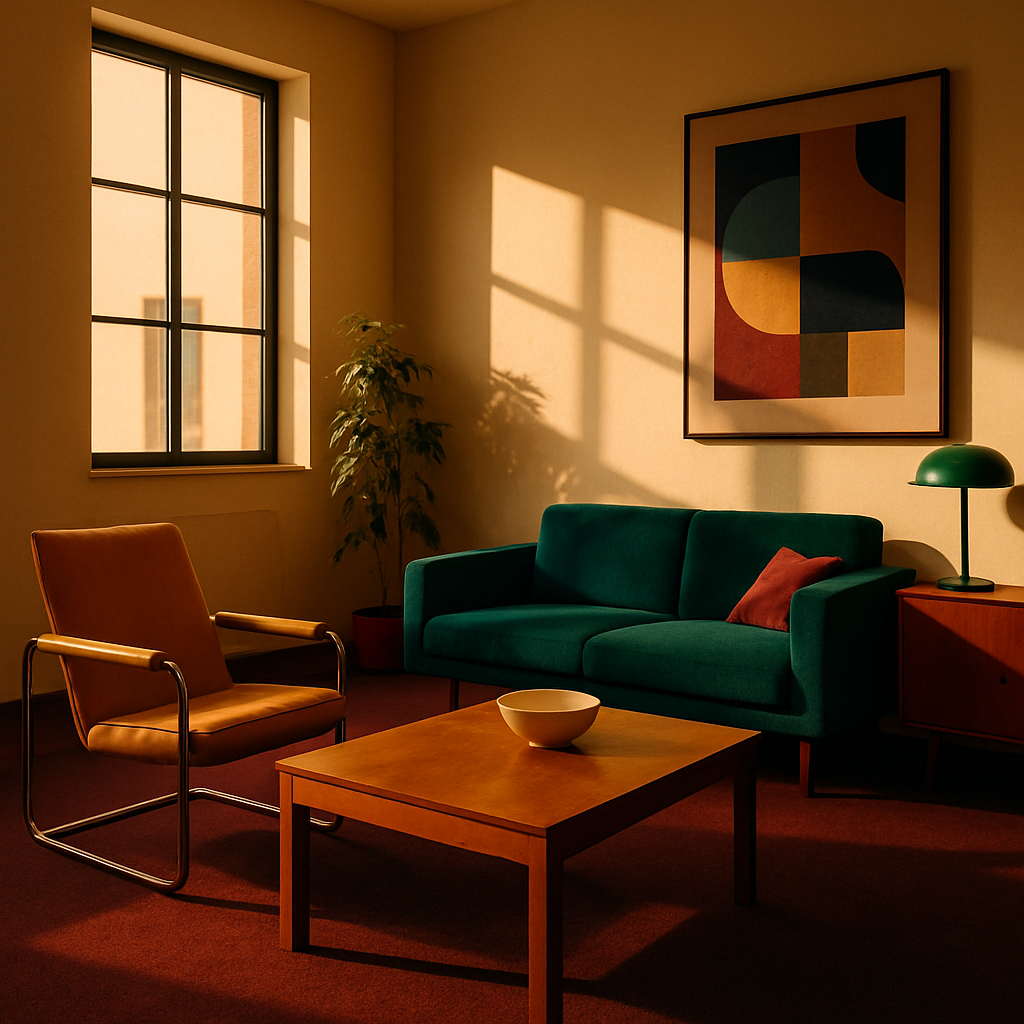
Imagine a living space that seamlessly blends art with functionality, where every element serves a purpose without sacrificing aesthetic appeal. This is the essence of Bauhaus interior design, a style that has influenced modern living spaces for nearly a century. Originating from the Bauhaus School in Germany, this design philosophy marries simplicity with elegance, creating environments that are both practical and visually pleasing. In this article, we will explore the foundational concepts of Bauhaus design, analyze its enduring appeal, and offer strategies for incorporating its principles into your home. We will delve into expert insights and provide additional depth to help you fully embrace this timeless approach.
Understanding the Foundations of Bauhaus Design
The Bauhaus movement, founded by Walter Gropius in 1919, revolutionized interior design by emphasizing the harmony between form and function. At its core, Bauhaus interior design focuses on simplicity, minimalism, and the use of industrially-produced materials. This approach was revolutionary at the time, challenging the ornate and decorative styles that dominated the early 20th century. The movement sought to democratize design, making it accessible to the masses by using materials like steel, glass, and concrete.
A key principle of Bauhaus design is the integration of various art forms to create cohesive living spaces. This multidisciplinary approach means that architecture, interior design, and fine arts are intertwined to form a holistic environment. For instance, a Bauhaus-inspired space might feature furniture designed by the likes of Marcel Breuer, who famously utilized tubular steel to create functional yet elegant pieces. By focusing on the essential elements, Bauhaus design ensures that every piece has a purpose, eliminating unnecessary clutter.
Another foundational concept is the use of geometric shapes and clean lines. Bauhaus interiors are characterized by their straightforward, unadorned forms, which contribute to a sense of order and calm. This design philosophy encourages the use of open plans, allowing for seamless transitions between spaces. How could this minimalist approach transform the way you experience your home? By prioritizing functionality without compromising on style, Bauhaus design offers a timeless solution for modern living.
The Enduring Appeal of Bauhaus Design
Why does Bauhaus design continue to captivate homeowners and designers alike? One reason is its timelessness. According to the American Society of Interior Designers (ASID), design trends that prioritize functionality and simplicity tend to have lasting appeal. Bauhaus interiors, with their focus on practicality and elegance, fit this mold perfectly. They offer a clean and uncluttered aesthetic that resonates with modern sensibilities.
Another factor contributing to the enduring appeal of Bauhaus design is its adaptability. This style can be easily integrated into various architectural settings, from urban lofts to suburban homes. The use of neutral color palettes with occasional bold accents is a hallmark of Bauhaus interiors, allowing homeowners to personalize their spaces while maintaining the integrity of the design. Industry surveys suggest that neutral tones like white, gray, and beige remain popular choices, providing a versatile backdrop for contemporary living.
Bauhaus design is also celebrated for its sustainable approach. The movement's emphasis on using readily available materials aligns with current trends in sustainable and eco-friendly design. By choosing durable and recyclable materials, Bauhaus interiors contribute to a more sustainable future. Could incorporating these elements into your home not only enhance its aesthetic appeal but also its environmental impact? The answer is a resounding yes.
Strategies for Incorporating Bauhaus Design into Your Home
Ready to bring Bauhaus principles into your living space? Start by evaluating your current interior and identifying areas where you can simplify and declutter. The Bauhaus philosophy encourages the use of multifunctional furniture, such as a sofa that doubles as a guest bed or a dining table that can be extended for larger gatherings. This approach maximizes the utility of your space without compromising on style.
Next, consider the color palette of your home. Bauhaus design favors neutral tones with occasional pops of color. Opt for a monochromatic scheme with strategic accents in primary colors like red, blue, or yellow. This not only creates visual interest but also adheres to the minimalist ethos of the Bauhaus movement. Experienced professionals often note that a well-chosen color palette can dramatically alter the mood and perception of a space.
Lighting is another crucial aspect of Bauhaus interiors. Aim for a blend of natural and artificial lighting to create a warm and inviting atmosphere. Consider installing smart lighting systems that can be easily adjusted to suit different activities and times of day. How might smart lighting transform the functionality and ambiance of your home? By offering flexibility and enhancing the overall aesthetic, it aligns perfectly with the Bauhaus emphasis on both form and function.
Expert Insights on Bauhaus Design
Interior design experts agree that the key to successfully implementing Bauhaus principles is to focus on quality over quantity. It's better to invest in a few high-quality pieces that embody the Bauhaus ethos than to fill a space with numerous items that lack coherence. According to the International Interior Design Association (IIDA), quality craftsmanship and thoughtful design can elevate any interior, making it both functional and beautiful.
Another expert tip is to incorporate industrial elements into your design. This might include exposed beams, concrete floors, or metal fixtures. These elements not only pay homage to the industrial roots of the Bauhaus movement but also add character and depth to your space. The use of such materials is not only a nod to history but also a modern statement that blends the old with the new.
Finally, embrace open spaces. Bauhaus design champions the idea of open floor plans that encourage fluid movement and interaction. Removing unnecessary walls or partitions can create a sense of continuity between different areas of your home. Could knocking down a wall or two revolutionize your living environment? The potential for a more open and connected space is certainly worth considering.
Exploring Additional Depth in Bauhaus Interiors
For those looking to dive deeper into Bauhaus design, consider exploring the use of textiles and artwork. Simple, geometric patterns and textures can enhance the visual appeal of a room without overwhelming it. Look for rugs or cushions that incorporate these elements to add subtle depth and interest. The National Council for Interior Design Qualification (NCIDQ) suggests that textiles are a versatile way to experiment with design principles.
Another avenue for exploration is the integration of technology. Modern Bauhaus-inspired homes often feature smart home systems that enhance both convenience and efficiency. Automated window treatments, climate control, and security systems can all be seamlessly incorporated into your design, reflecting the Bauhaus commitment to innovation and practicality. How might technology redefine your interaction with your living space?
Lastly, consider the role of outdoor spaces in your design. Biophilic design, which emphasizes a connection with nature, complements the Bauhaus aesthetic. Incorporating elements like living walls or indoor-outdoor flow can create a harmonious environment that blurs the lines between interior and exterior spaces. This approach not only improves the visual appeal but also enhances overall well-being.
Final Perspectives on Bauhaus Design
As you contemplate incorporating Bauhaus principles into your home, remember that the goal is to create a space that is both functional and beautiful. This design philosophy encourages you to look beyond trends and focus on timeless elements that will stand the test of time. By prioritizing quality, simplicity, and functionality, you can create a living environment that truly reflects the Bauhaus spirit.
Bauhaus design is not about following rules but about understanding the principles that guide the creation of harmonious spaces. By embracing these concepts, you can transform your home into a sanctuary that balances practicality with aesthetic appeal. Are you ready to explore the potential of Bauhaus design in your living space?
Conclusion
In conclusion, Bauhaus interior design offers a timeless approach to modern living, blending functionality with aesthetic simplicity. By understanding its foundational principles and incorporating them into your home, you can create a space that is both practical and visually appealing. Whether you're drawn to the minimalist aesthetic, the sustainable materials, or the integration of technology, Bauhaus design has something to offer. Start by evaluating your current space and identifying areas for improvement. Consider browsing designer portfolios on platforms like Houzz to gather inspiration and ideas. Even 20 minutes of research can sharpen your eye for what you want. Embrace the timeless appeal of Bauhaus design and transform your living space today.
More Articles You May Like



Comments
Post a Comment