The Future of Interior Design Services: Trends to Watch in 2024
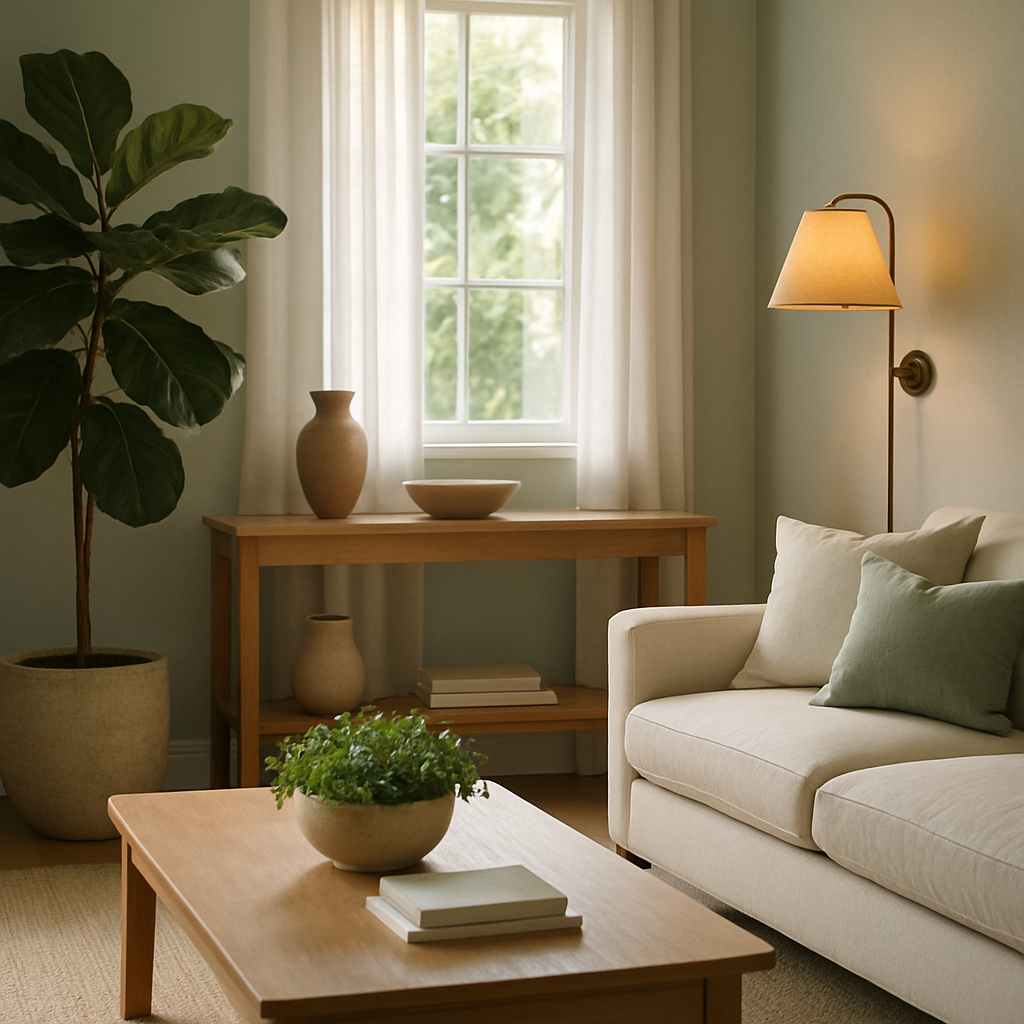
As we move into 2024, the landscape of interior design services is undergoing a significant transformation. With new technologies, shifting consumer priorities, and evolving aesthetics, staying ahead of the curve is crucial for both homeowners and professionals. According to the American Society of Interior Designers (ASID), the upcoming year will see a marked increase in demand for sustainability and technology integration in home design. This article will explore foundational concepts, analyze emerging trends, offer actionable strategies, and provide expert-level insights to help you navigate the evolving world of interior design.
Foundational Concepts in Modern Interior Design
To truly understand the future of interior design services, one must first grasp the foundational concepts that are currently shaping the industry. At the core, modern interior design emphasizes functionality without sacrificing aesthetics. This balance is achieved through the thoughtful selection of materials, colors, and furnishings that not only meet practical needs but also create a cohesive and inviting atmosphere.
The concept of biophilic design, which incorporates natural elements into interior spaces, has gained significant traction. By integrating natural materials, such as wood and stone, as well as living walls and indoor plants, designers aim to enhance the connection between indoor and outdoor environments. The International Interior Design Association (IIDA) notes that this approach not only improves aesthetic appeal but also contributes to the well-being of occupants by fostering a calming and relaxing environment.
Additionally, the rise of smart home technology is reshaping interior design. Automated systems for lighting, climate control, and window treatments are becoming standard. The National Council for Interior Design Qualification (NCIDQ) highlights that these technologies not only improve convenience but also contribute to energy efficiency, aligning with the growing emphasis on sustainability. As you consider your own space, how might these foundational concepts enhance both functionality and beauty in your home?
Analyzing Emerging Trends with Data
As we delve deeper into the trends shaping the future of interior design services, it's essential to back our insights with data. According to Houzz's annual survey, there is an increasing preference for minimalist design, with 74% of homeowners opting for clean lines and simple, uncluttered spaces. This trend, often referred to as Japandi-a blend of Japanese minimalism and Scandinavian warmth-focuses on creating serene and functional environments.
Moreover, sustainable and reclaimed materials are no longer just an option but a priority for many. The AIA (American Institute of Architects) reports a 25% increase in projects specifying eco-friendly materials. This shift is driven by both environmental concerns and the desire for unique, character-filled spaces. The use of reclaimed wood, recycled metal, and low-VOC paints not only reduces environmental impact but also adds a layer of history and uniqueness to interiors.
Understanding these trends is crucial for anyone looking to renovate or redesign their space. Are you prepared to incorporate these elements into your design plans? By considering the data and aligning your design choices with broader trends, you can ensure that your space remains both current and impactful.
Actionable Strategies for Implementing Trends
Implementing the latest interior design trends requires more than just awareness; it demands strategic planning and execution. One effective strategy is to start small by incorporating elements of biophilic design into your existing spaces. This could involve adding indoor plants, using natural fabrics, or opting for furniture made from sustainable materials. Such changes can instantly refresh a room and enhance its ambiance.
For those interested in smart home integration, begin by evaluating your current technological needs. Consider installing smart lighting systems that allow you to adjust brightness and color temperature according to the time of day. This not only enhances comfort but also contributes to energy savings. Smart thermostats and automated window treatments are other excellent starting points that can be expanded as your needs evolve.
Another strategy is to explore virtual reality (VR) tools that many designers are now using to visualize room layouts and designs. This technology allows you to experiment with different configurations and styles before making any physical changes. By taking a proactive approach, you can ensure that your design choices are both innovative and aligned with your personal style.
Expert-Level Insights into Design Practices
Experienced professionals often note that successful interior design is as much about the process as it is about the final outcome. The typical project phases-concept development, design presentation, procurement, installation, and styling-each play a critical role in achieving a cohesive result. Within these phases, attention to detail and client collaboration are paramount.
For instance, during the concept development stage, designers should focus on understanding the client's lifestyle and preferences. This involves more than just aesthetic choices; it requires a deep dive into how spaces will be used daily. Interior designers certified by NCIDQ, ASID, or IIDA are adept at translating complex needs into functional designs, ensuring that every element serves a purpose.
Additionally, procurement-the process of sourcing materials and furnishings-demands a keen eye for quality and value. By leveraging industry connections and negotiating skills, designers can often secure superior products at competitive prices. This not only benefits the client but also enhances the overall value and appeal of the project. How can you leverage these insights to enhance your design experiences?
Delving Deeper into 2024's Design Trends
To truly embrace the future of interior design services, one must delve deeper into the nuances of 2024's trends. Quiet luxury, characterized by understated elegance and high-quality materials, is poised to make a significant impact. This trend shifts the focus from ostentation to subtle sophistication, emphasizing craftsmanship and timeless design over fleeting fads.
Furthermore, the integration of AR (augmented reality) tools is revolutionizing the way clients and designers interact. These tools allow for immersive experiences where users can visualize changes in real-time, making the decision-making process more interactive and informed. The ability to see how a new layout or color scheme will look in your space before committing is a game-changer, offering both reassurance and inspiration.
While these trends offer exciting possibilities, they also present challenges in terms of adaptation and implementation. However, by staying informed and open to experimentation, you can effectively incorporate these elements into your design projects, ensuring they remain at the forefront of innovation and style.
Final Perspectives on Interior Design Evolutions
The evolution of interior design services in 2024 promises to be dynamic and multifaceted. With an emphasis on sustainability, technology, and minimalist aesthetics, the industry is set to redefine how spaces are conceived and experienced. As a homeowner or design enthusiast, embracing these changes can enhance both your living environment and overall quality of life.
Consider how these trends align with your current needs and future aspirations. Whether you're planning a complete home overhaul or a single-room update, the choices you make can significantly impact the comfort and functionality of your space. How will you adapt to these emerging trends to create a home that reflects your personality and vision?
Conclusion
In summary, the future of interior design services is rich with opportunity and innovation. By understanding foundational concepts, analyzing trends, and implementing strategic changes, you can ensure that your space remains both stylish and practical. As you embark on your design journey, consider starting by browsing portfolios on Houzz or connecting with certified designers through the ASID or IIDA. Even dedicating a few hours to this research can dramatically sharpen your eye for what you truly want in your home.



Comments
Post a Comment