10 Essential Skills Every Interior Designer Must Master in 2023
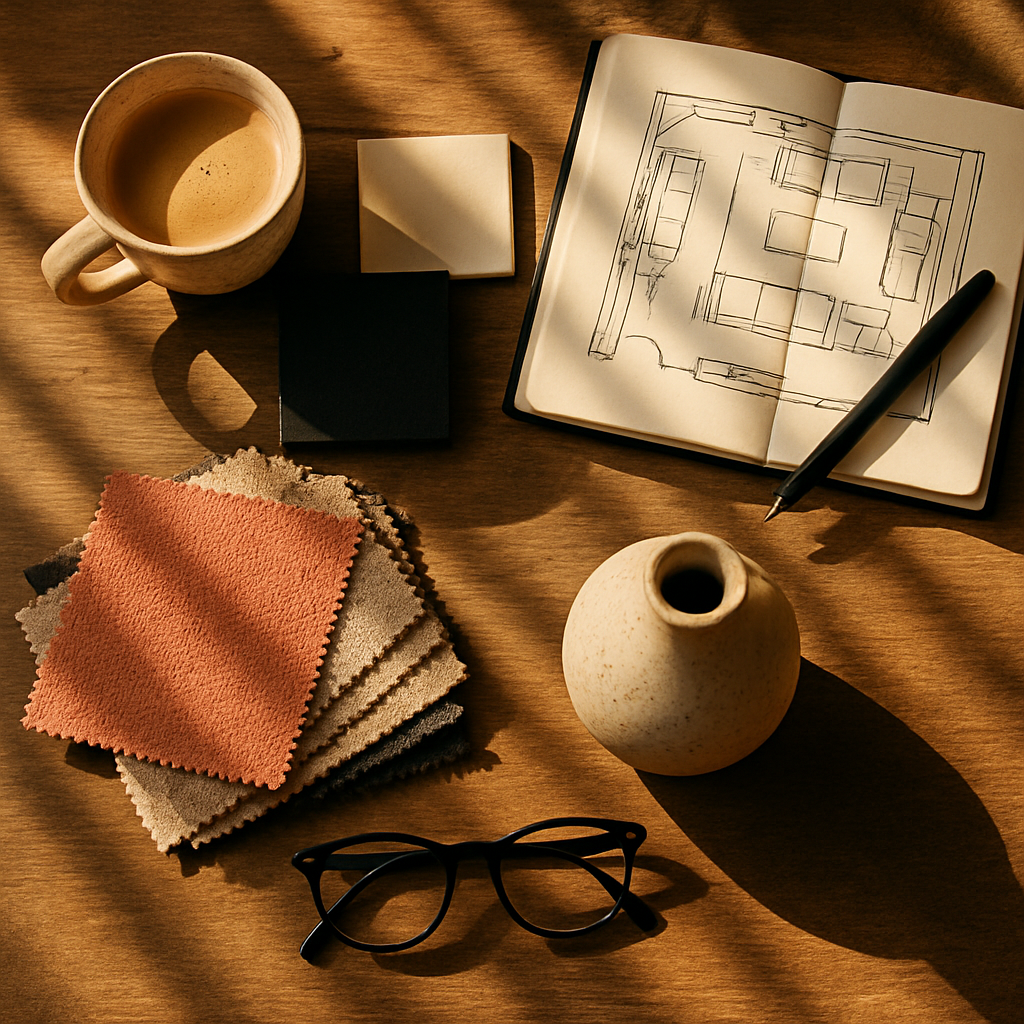
Imagine walking into a room that feels like it was designed just for you. The colors, textures, and layout all speak to your sense of style and comfort. This is the magic that skilled interior designers create, but achieving such harmony requires a deep mastery of essential skills. According to the American Society of Interior Designers (ASID), well-designed interiors can increase a home's resale value by 5-15%. With the demand for thoughtful and strategic design rising, mastering key skills is crucial for interior designers aiming to excel in 2023 and beyond. In this article, we'll explore ten essential skills every interior designer must master, providing a roadmap to success in this dynamic field.
Understanding Design Principles
The foundation of any successful interior designer's skill set lies in a thorough understanding of design principles. These principles-balance, contrast, rhythm, scale, and proportion-are the building blocks of effective design. Balance refers to the distribution of visual weight within a space, while contrast involves using opposing elements to create interest. Rhythm guides the eye across a room, providing a sense of movement and flow. Scale and proportion ensure that the elements within a space relate to each other harmoniously. Experienced professionals often note that a firm grasp of these concepts is non-negotiable for creating spaces that not only look good but also function well.
To illustrate, consider the impact of proportion in a small living room. A designer must choose furniture that fits the space without overwhelming it. This involves understanding the dimensions of the room and selecting pieces that complement the area. Similarly, rhythm can be achieved by using repeating patterns or color schemes, drawing the eye around the room in a deliberate manner. These principles are not just abstract concepts; they are practical tools that designers use to solve real-world challenges.
For those entering the field or looking to refine their skills, studying these principles is a critical first step. Resources like the NCIDQ (National Council for Interior Design Qualification) offer certifications that emphasize these foundational elements. As the next section will show, mastering these basics is just the beginning of a designer's journey.
The Role of Technology in Modern Design
Incorporating technology into interior design is no longer optional; it's a necessity. The rise of smart home integration has transformed how designers approach projects. Lighting, climate control, and automated window treatments can all be managed through sophisticated systems, enhancing both the functionality and aesthetic appeal of a home. According to Houzz's annual survey, nearly 50% of homeowners are investing in smart technology, indicating a growing trend that designers must be equipped to handle.
Virtual reality (VR) and augmented reality (AR) tools have also revolutionized how designers present their ideas to clients. Using these technologies, designers can create immersive 3D models that allow clients to "walk through" their future spaces before any physical changes are made. This not only improves client satisfaction but also reduces costly errors during the installation phase. Platforms like Houzz and Pinterest are excellent resources for designers to showcase these capabilities and inspire clients with virtual portfolios.
Embracing technology also means staying updated with software that aids in design planning and execution. Tools like AutoCAD for drafting and SketchUp for 3D modeling are industry standards. By mastering these tools, designers can streamline their workflow and communicate their visions more clearly to clients and contractors alike. As we delve deeper, the importance of communication skills will become evident.
The Art of Communication
Effective communication is pivotal in interior design, serving as the bridge between a designer's vision and the client's needs. A successful designer must not only convey ideas clearly but also listen actively to understand the client's desires and constraints. This involves asking the right questions to uncover the client's lifestyle, preferences, and budget. How often do you find yourself frustrated because your ideas aren't translating into reality? Improving your communication skills could be the key to eliminating that frustration.
Consider the initial consultation phase of a project. This is where a designer gathers crucial information to guide the design process. A designer must be adept at asking open-ended questions that encourage clients to share their thoughts and concerns. For example, instead of asking, "Do you like this color?" a more insightful question might be, "How does this color make you feel in this space?" Such questions not only gather essential information but also help clients feel more involved in the design process.
Moreover, written communication is equally important. Designers frequently prepare proposals, design briefs, and project updates. These documents must be clear and concise to ensure all parties are aligned. As we move to the next skill, consider how communication plays a role in managing client expectations and project timelines.
Project Management Expertise
Project management is a critical skill that allows designers to bring their creative visions to fruition effectively. It involves coordinating various elements, including budget management, timelines, contractor coordination, and client communication. The International Interior Design Association (IIDA) emphasizes that designers who master project management are often the most successful, as they can efficiently navigate the complexities of a design project.
One important aspect of project management is creating a realistic timeline. This requires understanding the different phases of a project-concept development, design presentation, procurement, installation, and styling. Each phase involves specific tasks and deadlines that must be met to ensure the project progresses smoothly. For example, procurement involves sourcing materials and furnishings, which can be time-consuming and require careful planning to align with the installation schedule.
Budget management is another crucial element. Designers must be able to estimate costs accurately and allocate funds wisely across different project areas. This often involves negotiating with vendors and suppliers to secure the best prices. By mastering these project management skills, designers can ensure their projects are completed on time and within budget, leading to satisfied clients and successful outcomes. As we continue, let's explore how creativity and innovation play into a designer's toolkit.
Fostering Creativity and Innovation
Creativity is often seen as the hallmark of an exceptional interior designer. It's the ability to think outside the box and develop innovative solutions that set a designer apart. However, creativity must be nurtured and developed, requiring a conscious effort to explore new ideas and stay inspired. Do you actively seek out new sources of inspiration to fuel your creative processes?
One method to foster creativity is through continuous learning and exposure to different design styles and cultures. Visiting design exhibitions, reading industry publications like Architectural Digest's AD PRO network, and networking with other designers can provide fresh perspectives and ideas. Additionally, platforms like Instagram and Pinterest offer endless visual inspiration, showcasing the latest trends and unique design solutions from around the world.
Innovation in design also involves integrating sustainable practices and materials. With the increasing emphasis on eco-friendly design, using sustainable and reclaimed materials is not just a trend but a responsibility. Designers who incorporate these elements demonstrate a commitment to both creativity and environmental stewardship. As we wrap up the discussion on essential skills, let's consider how these elements come together to create the ultimate client experience.
Creating the Ultimate Client Experience
The ultimate goal of mastering these essential skills is to create an exceptional client experience. This involves not only delivering a beautiful and functional space but also ensuring the client feels valued and heard throughout the process. A satisfied client is likely to recommend your services to others, leading to new opportunities and growth for your business.
One way to enhance the client experience is through personalized service. Tailor your approach to meet the specific needs and preferences of each client. This could involve offering flexible meeting times, providing regular updates, and being responsive to feedback. Clients who feel their input is valued and respected are more likely to be satisfied with the final result.
Furthermore, consider the power of a well-crafted presentation. The way you present your ideas can significantly impact how they are received. Use high-quality visuals, clear explanations, and compelling storytelling to communicate your design concepts effectively. As we conclude, think about how these skills can elevate your practice and position you as a leader in the interior design industry.
Conclusion
Mastering the essential skills of interior design is a continuous journey that requires dedication, creativity, and adaptability. From understanding foundational design principles and embracing technology to honing communication and project management skills, each aspect plays a vital role in a designer's success. As the industry evolves, staying informed and inspired through resources like ASID, IIDA, and various online platforms is crucial.
If you're ready to take your interior design skills to the next level, start by setting clear goals and seeking out opportunities for growth and learning. Whether it's attending workshops, pursuing certifications, or exploring new design tools, every step you take will enhance your expertise and client satisfaction. Start by browsing portfolios on Houzz this week-even 20 minutes of research will sharpen your eye for what you want. The future of interior design is bright for those who are prepared to seize it.



Comments
Post a Comment