Unlocking the Beauty of Japandi Interior Design: A Comprehensive Guide
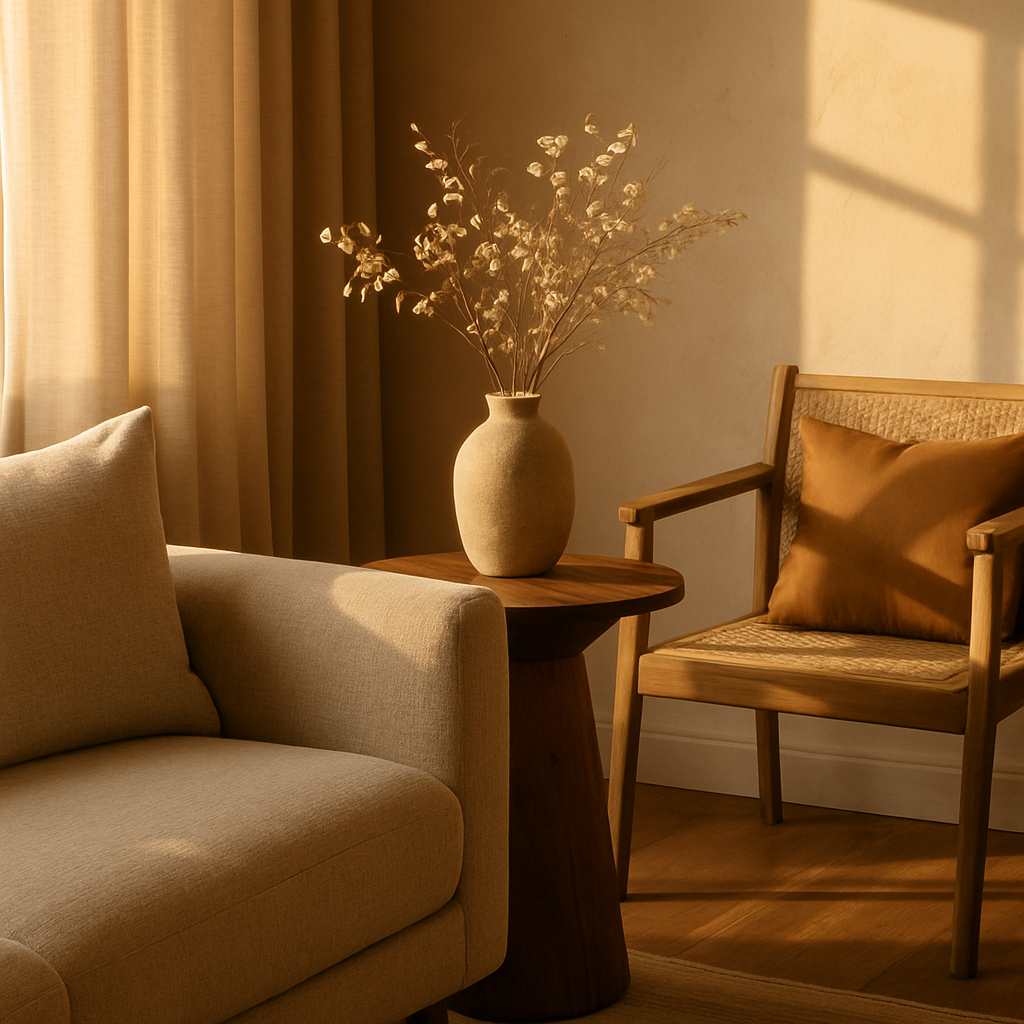
The serenity of Japanese minimalism and the warmth of Scandinavian design come together in a harmonious blend known as Japandi interior design. This style has captured the attention of design enthusiasts worldwide, offering a tranquil yet functional aesthetic that resonates with those seeking simplicity and elegance. According to a Houzz survey, the demand for minimalist designs has grown by over 35% in recent years, highlighting a shift towards spaces that promote calmness and clarity. In this comprehensive guide, we will explore the foundational principles of Japandi design, delve into the data supporting its popularity, and provide actionable strategies to incorporate this style into your home. Along the way, expert insights and industry-specific tips will ensure that you can fully unlock the beauty of Japandi interior design.
Understanding the Foundations of Japandi Design
Japandi interior design is more than a mere aesthetic; it is a philosophy that embraces simplicity, functionality, and a connection to nature. At its core, Japandi combines the minimalist elegance of Japanese interiors with the cozy, functional elements of Scandinavian design. This fusion results in spaces that are uncluttered yet inviting, making use of natural materials and muted color palettes. The emphasis is on creating a serene environment that promotes mindfulness and well-being.
The materials used in Japandi design are key to achieving its signature look. Natural wood, stone, and bamboo are common choices, reflecting a commitment to sustainability and a connection to the natural world. These elements are often complemented by soft textiles such as wool and linen, which add warmth and texture without compromising the minimalist aesthetic. The palette is typically subdued, with neutral tones such as beige, gray, and muted greens, allowing the natural materials to take center stage.
One of the defining characteristics of Japandi is its focus on functionality and practicality. Furniture pieces are selected not just for their aesthetic appeal but also for their usability and durability. This approach aligns with the Japanese principle of Ma, which refers to the space between objects and the importance of balance. By carefully curating the elements within a room, Japandi design achieves a sense of harmony and tranquility that is both visually pleasing and emotionally comforting.
As we transition to the next section, we'll look at the data and trends that have propelled Japandi design into the limelight, showcasing why it has become a preferred style for many homeowners.
The Rise of Japandi: Trends and Data
The growing popularity of Japandi design can be attributed to a broader trend towards minimalism and sustainability in interior design. According to the American Society of Interior Designers (ASID), there has been a significant increase in demand for eco-friendly and minimalist designs, reflecting a shift in consumer priorities. In particular, Japandi has gained traction for its ability to create spaces that are both aesthetically pleasing and environmentally conscious.
Data from Houzz's annual survey reveals that over 60% of homeowners are considering minimalist designs for their next renovation project. This trend is not only driven by aesthetic preferences but also by practical considerations. Minimalist spaces are easier to maintain and can reduce stress, aligning with the growing interest in wellness-focused living. Japandi, with its emphasis on natural materials and clean lines, fits seamlessly into this narrative, offering a design solution that is both stylish and sustainable.
Furthermore, the rise of Japandi can be linked to the increasing interest in biophilic design, which seeks to enhance the connection between indoor spaces and the natural environment. By incorporating elements such as indoor plants, wooden textures, and ample natural light, Japandi spaces foster a sense of calm and well-being. This aligns with the findings from Architectural Digest's AD PRO network, which notes that designs promoting wellness and sustainability are among the top trends for 2026. This section sets the stage for actionable strategies to bring Japandi into your home, which we'll explore next.
Actionable Strategies for Embracing Japandi in Your Home
Implementing Japandi design in your home involves a thoughtful approach to selecting materials, colors, and furnishings that align with its core principles. Start by decluttering your space and focusing on quality over quantity. Choose a few statement pieces that embody the simplicity and elegance of Japandi, such as a low-profile sofa or a wooden dining table with clean lines. Remember, each piece should contribute to the overall harmony of the space.
Consider the use of natural materials as a foundation. Incorporate elements like oak or bamboo flooring, stone countertops, and woolen textiles to add depth and texture. These materials not only enhance the aesthetic but also promote a sustainable lifestyle, reflecting Japandi's commitment to eco-friendliness. Additionally, using neutral color palettes will help maintain the minimalist vibe. Think soft whites, muted earth tones, and gentle grays that create a serene backdrop.
Lighting plays a crucial role in Japandi design, where natural light is favored. Maximize your home's natural light by using sheer window treatments or opting for automated smart blinds to control exposure throughout the day. For artificial lighting, select fixtures that complement the minimalist aesthetic, such as simple pendant lights or sleek floor lamps. This approach ensures that your space remains bright and inviting, a hallmark of the Japandi style.
Having explored actionable strategies, we will now delve into expert-level insights that can further refine your Japandi design approach.
Expert Insights on Refining Your Japandi Space
Experienced professionals often note that the key to a successful Japandi interior is balance. According to the International Interior Design Association (IIDA), achieving this balance involves a careful blend of aesthetics and functionality. Experts recommend starting with a clear vision of how you want your space to feel and function. This clarity will guide your design choices, ensuring that every element contributes to the overall ambiance.
One advanced technique is to incorporate Wabi-Sabi principles, which celebrate imperfection and authenticity. This Japanese philosophy complements Japandi design by encouraging the use of handmade items and naturally imperfect materials. Consider incorporating ceramics with unique glazes or textiles with subtle variations in texture. These elements add character and depth, enhancing the visual and emotional appeal of your space.
Furthermore, integrating technology can enhance the Japandi experience. Smart home features like automated climate control and lighting systems not only improve functionality but also align with the minimalist ethos by reducing clutter. The use of AR/VR room visualization tools can also aid in conceptualizing your design, allowing you to experiment with different layouts and materials before making any commitments. By leveraging technology, you can create a space that is both cutting-edge and true to Japandi principles.
With these expert insights in mind, we move forward to explore additional layers of depth that can elevate your Japandi design.
Layering Additional Depth into Japandi Interiors
To truly master Japandi interior design, layering is essential. This involves adding depth through textures and subtle contrasts while maintaining the style's core principles of simplicity and functionality. Start by mixing different textures within the same color palette, such as pairing a soft wool rug with a smooth leather chair. This approach adds visual interest without overwhelming the space.
Another method is to introduce greenery strategically. Plants not only enhance the biophilic aspect of Japandi design but also introduce natural colors that complement the neutral palette. Consider low-maintenance options like succulents or ferns, which thrive in indoor environments and require minimal upkeep. The inclusion of plants can bridge the gap between indoor and outdoor spaces, a key feature of Japandi design.
Additionally, incorporating artwork or decor with cultural significance can add a personal touch. Choose art pieces that resonate with the Japandi ethos - simple, understated, and evocative. These might include Japanese calligraphy, Scandinavian prints, or handcrafted pottery. By integrating these elements, you create a space that is not only beautiful but also meaningful and reflective of your personal style.
As we wrap up, let's consider the broader perspectives on Japandi design and its lasting impact on interior design trends.
The Lasting Impact of Japandi Design
Japandi interior design is more than a fleeting trend; it represents a shift towards mindful living and sustainable practices. As we continue to prioritize wellness and environmental consciousness, Japandi offers a blueprint for creating spaces that nurture both the body and mind. Its enduring appeal lies in its ability to balance beauty and functionality, making it a versatile choice for a wide range of homes.
The principles of Japandi design resonate with a growing audience seeking simplicity and tranquility in their living environments. This style encourages us to be intentional with our choices, focusing on quality, sustainability, and authenticity. By embracing these values, Japandi design not only enhances the aesthetic of our homes but also enriches our lives by fostering a deeper connection to the spaces we inhabit.
As you reflect on the potential of Japandi for your own home, consider how its principles align with your lifestyle and values. What aspects of this design philosophy speak to you, and how might you incorporate them into your space? By asking these questions, you can begin to transform your home into a sanctuary of calm and elegance.
Conclusion: Bringing Japandi into Your Home
Japandi interior design offers a unique and timeless approach to creating spaces that are both beautiful and functional. By understanding its foundational concepts, analyzing the data behind its rise, and applying actionable strategies, you can unlock the full potential of this style in your home. With expert insights and additional layers of depth, Japandi design can transform your living space into a haven of simplicity and serenity.
Are you ready to embrace the Japandi aesthetic? Start by browsing designer portfolios on platforms like Houzz and Pinterest this week. Even dedicating just 20 minutes to research can sharpen your eye for what resonates with you and inspire your next project. By taking this first step, you'll be well on your way to creating a home that embodies the harmonious blend of Japanese minimalism and Scandinavian warmth.



Comments
Post a Comment