Maximize Small Spaces: Creative Interior Design Ideas for Cozy Living
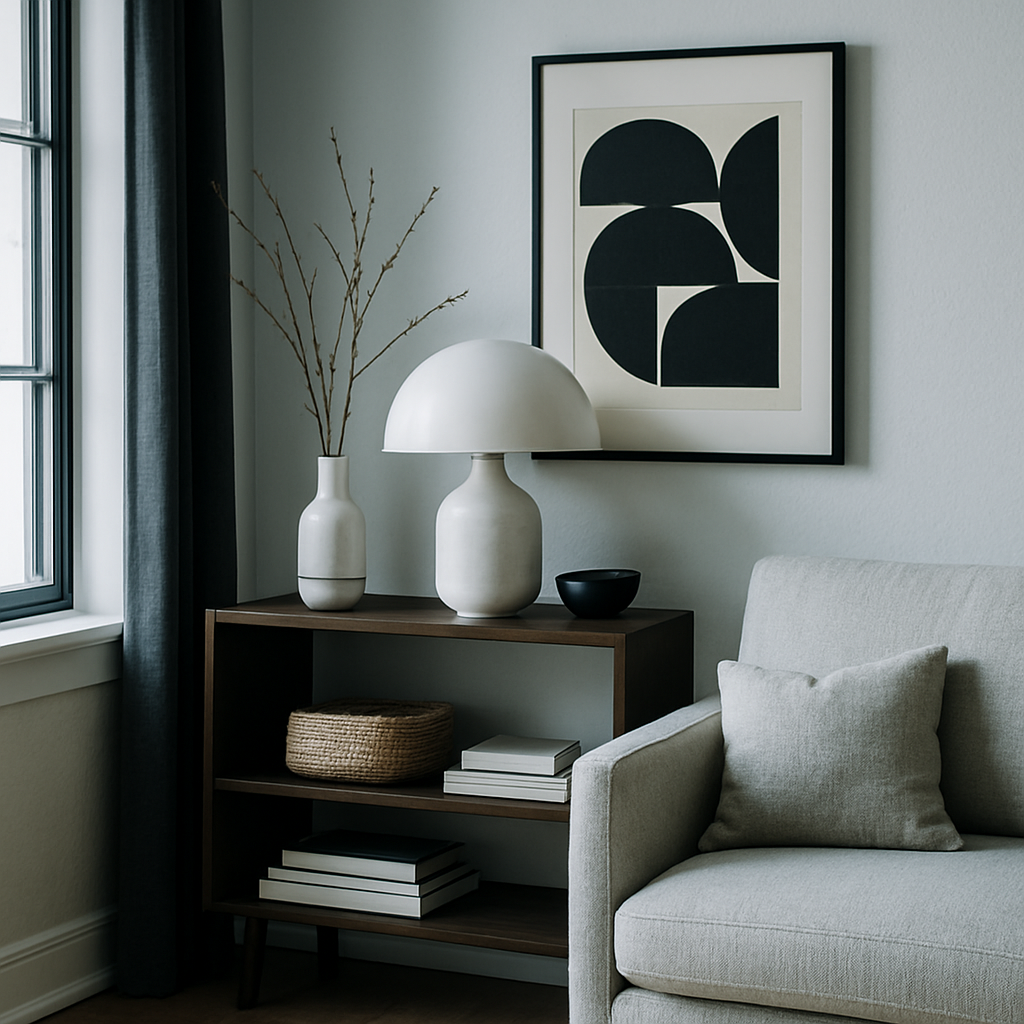
Have you ever felt overwhelmed by the challenge of making a small space feel both functional and inviting? You're not alone. In fact, according to the American Society of Interior Designers (ASID), nearly 60% of homeowners with small living spaces struggle with maximizing their functionality. But fear not; with some creative interior design ideas, you can transform your cozy living area into a stylish and efficient haven. This article explores foundational concepts in interior design for small spaces, dives into deeper analysis with data, offers actionable strategies, and provides expert-level insights to help you make the most of your limited square footage. Whether you're working with a tiny apartment or a compact house, these concepts will guide you in creating a beautifully designed home that feels expansive and comfortable.
Understanding the Foundation of Small Space Design
When it comes to small space design, understanding foundational concepts is crucial. One of the most important principles is the strategic use of color. Light colors, especially whites and pastels, can make a room feel larger by reflecting light and creating an airy atmosphere. According to Architectural Digest, using a monochromatic color scheme can further enhance this effect, creating a seamless look that visually expands the space. Choosing a consistent color palette throughout your home can unify the space, making it feel coherent and less cluttered.
Another key concept is the importance of multifunctional furniture. In small spaces, every piece of furniture should serve multiple purposes. Consider a storage ottoman that doubles as a coffee table or a sofa bed that provides both seating and sleeping options. This approach not only saves space but also adds versatility to your living area. As the Houzz annual survey data suggests, nearly 70% of homeowners prioritize furniture that offers multiple functions when decorating small spaces.
Finally, the power of vertical space cannot be underestimated. When floor space is limited, looking upwards can provide valuable storage and design opportunities. Utilize tall bookshelves, wall-mounted cabinets, and hanging plants to draw the eye upward and make the room feel more spacious. These elements not only add storage but also contribute to the aesthetic appeal of your home. This foundational understanding sets the stage for deeper analysis on maximizing small spaces.
Diving Deeper: Analyzing Data to Maximize Small Spaces
Delving into the data surrounding small space living reveals intriguing insights. According to a survey conducted by Houzz, 40% of respondents with small living areas reported dissatisfaction due to lack of storage space. This statistic highlights the need for innovative storage solutions that do not compromise style. Incorporating built-in storage units, such as recessed shelving or under-stair drawers, can significantly enhance both storage capacity and overall aesthetics.
Moreover, the same survey indicates that nearly 50% of homeowners in small spaces feel that their interiors lack sufficient natural light. To address this, consider incorporating reflective surfaces like mirrors and glass. Mirrors can create the illusion of a larger space by bouncing light around the room, while glass furniture, such as a coffee table, reduces visual clutter. The use of translucent materials can also maintain openness in your design, allowing light to flow seamlessly through the space.
Another compelling statistic from the National Council for Interior Design Qualification (NCIDQ) reveals that well-designed small spaces can yield a 5-15% higher resale value. This underscores the financial benefits of investing in quality design. By focusing on strategic improvements, such as maximizing light and storage, you not only enhance your living experience but also increase your home's market appeal. These data-driven insights pave the way for actionable strategies to revolutionize your small space.
Actionable Strategies for Small Space Transformation
Ready to transform your small space? Start by decluttering. Evaluate each item and ask yourself: Do I use this frequently? Does it serve a purpose? If not, consider donating or storing it elsewhere. Decluttering not only frees up physical space but also creates a mental sense of clarity and calm. Once you've pared down your belongings, you can focus on maximizing the space you have.
Next, consider implementing a flexible layout. Instead of adhering to traditional room arrangements, think about how you actually use the space. For instance, if you enjoy hosting friends, opt for modular seating that can be reconfigured as needed. For those who work from home, a fold-down desk or wall-mounted workstation can provide a functional office space without dominating the room. This adaptability ensures your living area meets your evolving needs.
Finally, embrace the use of vertical gardens or hanging planters. Not only do these add a touch of nature, creating a calming environment, but they also free up valuable floor space. Biophilic design, which incorporates natural elements into interiors, is a growing trend that enhances wellbeing. By bringing greenery into your home, you create a refreshing oasis that feels inviting and lively. These strategies will guide you in optimizing your cozy living space, setting the stage for expert insights.
Expert Insights on Creative Small Space Design
Experienced professionals often note that the key to successful small space design lies in personalization. Tailor your space to your lifestyle by incorporating elements that reflect your personality and daily habits. For instance, if you're a book lover, a custom-built bookshelf that doubles as a room divider can showcase your collection while defining distinct areas within an open floor plan. This personalized approach ensures your design choices serve your specific needs.
Another expert recommendation is to prioritize quality over quantity. In small spaces, every item should be carefully selected for its design and functionality. Investing in high-quality pieces, such as a well-crafted sofa or a designer light fixture, can elevate the overall aesthetic. As noted by the International Interior Design Association (IIDA), quality items often have a longer lifespan and contribute to a cohesive, polished look.
Finally, consider integrating smart home technology to enhance functionality. Automated lighting, climate control, and even motorized window treatments can be controlled with a simple touch, offering convenience while maintaining a sleek, uncluttered appearance. As technology evolves, these smart solutions become more accessible, allowing you to seamlessly integrate them into your design. These expert insights provide additional depth to your small space transformation.
Additional Design Considerations for Small Spaces
When designing small spaces, additional considerations can make a significant impact. One important aspect is the use of textiles. Rugs, curtains, and cushions in complementary colors and textures can add warmth and depth to a room. Layering textiles creates visual interest without overwhelming the space, making it feel cozy and inviting.
Lighting is another crucial element. A combination of ambient, task, and accent lighting can create a layered effect that enhances the room's functionality and mood. Consider pendant lights, floor lamps, and wall sconces to add dimension and illuminate dark corners. According to industry surveys, well-lit spaces are perceived as more spacious and welcoming.
Lastly, the incorporation of architectural details, such as moldings or wainscoting, can add character to small spaces. These elements draw the eye and provide a sense of structure, making the room feel more expansive. By focusing on these additional design considerations, you can create a small space that is both functional and aesthetically pleasing. This sets the stage for final perspectives on maximizing cozy living areas.
Final Perspectives on Maximizing Cozy Living Spaces
As you embark on your small space design journey, remember that creativity and intentionality are your greatest tools. By combining foundational concepts with expert insights and data-driven strategies, you can create a living space that feels both expansive and intimate. Don't be afraid to experiment with different layouts and styles until you find the perfect fit for your home.
Consider how each design choice impacts your daily life. Does it enhance functionality? Does it bring joy? By focusing on these questions, you ensure that your small space is not only beautiful but also deeply personal. Ultimately, the goal is to create a home that reflects your unique style and supports your lifestyle.
Conclusion
In summary, maximizing small spaces requires a strategic approach that combines design principles, data insights, and personal preferences. By understanding the foundational concepts of small space design, analyzing relevant data, and implementing actionable strategies, you can transform your cozy living area into a functional and stylish haven. Personalization and quality are key in creating a space that truly feels like home. Start by browsing designer portfolios on Houzz or exploring NCIDQ-certified professionals for inspiration and guidance. Even just a few minutes of research can help you refine your vision. Take the first step today, and watch your small space transform into a beautifully designed sanctuary.



Comments
Post a Comment