5 Expert Tips from Dr. Homey to Elevate Your Interior Design Game
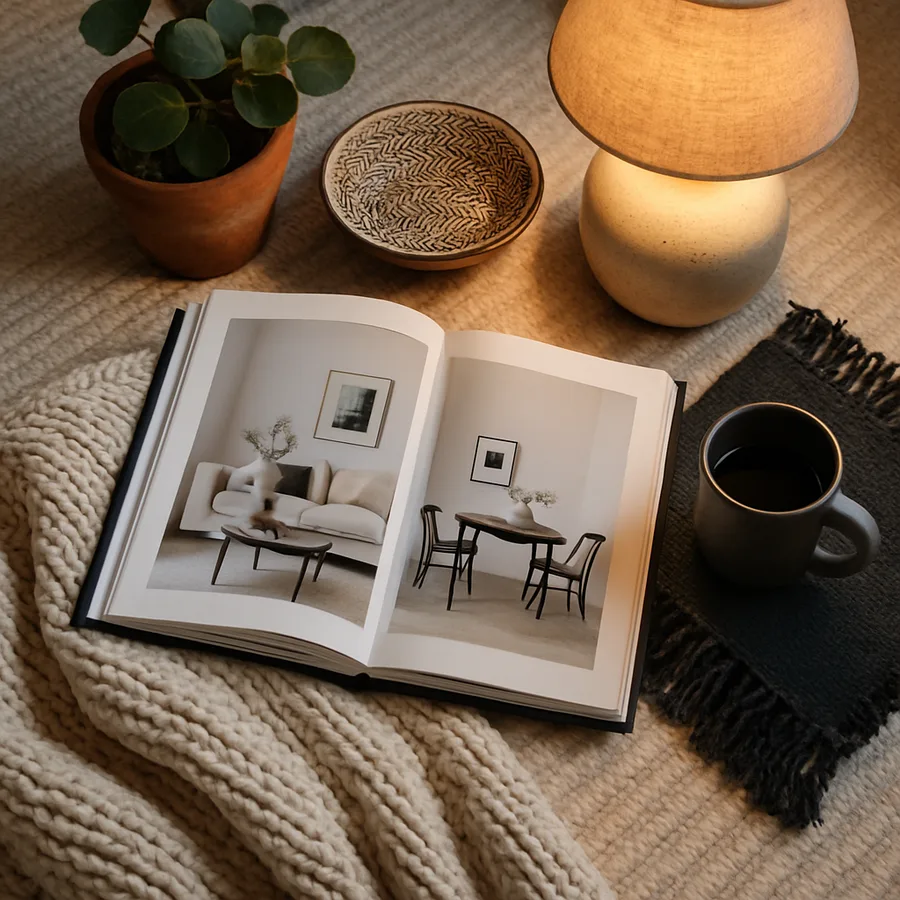
Creating a beautifully designed home does not require a professional degree or an unlimited budget. What it does require is a clear understanding of the principles that separate haphazard decorating from intentional, elevated design. Dr. Homey has spent years distilling professional-grade interior design knowledge into practical advice that anyone can apply. The five tips presented here represent the most impactful changes you can make to any room, regardless of its size, style, or current condition. Each tip builds on the last, creating a comprehensive framework for taking your space from ordinary to exceptional.
Tip One: Master the Art of Intentional Color Selection
Color is the first thing people notice when they enter a room, and it is the element most responsible for setting the emotional tone of a space. Dr. Homey insists that color selection should never be impulsive. Instead, it should be a deliberate process that considers the room's function, its natural light conditions, and the mood you want to evoke. The American Society of Interior Designers (ASID) publishes annual color forecasts that track emerging palettes, but Dr. Homey cautions against blindly following trends. A color that photographs beautifully in a magazine spread may feel entirely different in your specific space with its unique light quality and existing furnishings.
Begin your color journey by identifying a single inspiration piece. This could be a favorite painting, a textile you love, a photograph from a trip, or even a piece of clothing that makes you feel confident. Extract three to five colors from that piece and use them as the foundation of your room's palette. This technique, often taught in design programs accredited by the National Council for Interior Design Qualification (NCIDQ), ensures that your colors have an inherent relationship that produces harmony. Dr. Homey has used this approach with hundreds of clients and reports that it consistently produces more satisfying results than browsing paint chips in isolation.
Temperature is a critical but often misunderstood aspect of color. Every color leans either warm or cool, and mixing temperatures within a room without intention creates subtle visual discord. A warm beige wall paired with cool gray furniture and bluish LED lighting produces a space that feels disjointed, even if each element looks appealing on its own. Dr. Homey recommends committing to a dominant temperature for each room and reserving the opposite temperature for small accent moments. This creates a cohesive foundation with just enough contrast to maintain visual interest without generating conflict.
Testing colors in context is a step that many homeowners skip but professionals never do. Paint a large swatch, at least two feet square, on two different walls and observe it over the course of several days. Notice how it changes under morning light versus evening light, on sunny days versus cloudy ones. The International Interior Design Association (IIDA) notes in its practice guidelines that light is the primary modifier of color perception, which means a color can appear dramatically different depending on when and how you view it. Dr. Homey considers this testing phase non-negotiable and estimates that it prevents buyer's remorse in over 80 percent of cases.
Tip Two: Layer Your Lighting Like a Professional
The difference between amateur and professional interior design is most visible in lighting. Walk into any model home, high-end restaurant, or luxury hotel, and you will notice that the lighting feels rich, dimensional, and intentional. This is because professionals never rely on a single light source. Dr. Homey teaches a three-layer approach: ambient light provides overall illumination, task light supports specific activities like reading or cooking, and accent light highlights architectural features, artwork, or decorative objects. When all three layers work together, a room comes alive with depth and warmth.
Ambient lighting forms the base layer and should be warm enough to feel inviting without being so dim that it impedes daily activities. Recessed ceiling fixtures, flush-mount lights, and central chandeliers or pendants typically serve this role. Dr. Homey recommends choosing ambient fixtures with a color temperature between 2700K and 3000K for living spaces, which produces the warm, golden glow associated with comfort and relaxation. According to research published by the Lighting Research Center, exposure to warmer light temperatures in evening hours supports healthy circadian rhythms, making this choice both aesthetically and physiologically beneficial.
Task lighting is where function meets design. A well-placed desk lamp, under-cabinet kitchen lighting, or a reading sconce beside a favorite armchair ensures that you can perform specific activities without straining your eyes or flooding the entire room with harsh overhead light. Dr. Homey notes that task lighting is particularly important in kitchens, where proper illumination of work surfaces is a safety concern as well as a design consideration. The key is positioning: task lights should illuminate the work area without casting shadows from your hands or body, which typically means placing them in front of and slightly above the activity zone.
Accent lighting is the finishing touch that separates a good lighting plan from a great one. Picture lights above artwork, LED strips inside display cabinets, uplights washing a textured stone wall, or a spotlight highlighting a sculptural object all serve to create focal points and visual hierarchy within a room. Dr. Homey suggests that accent lights should be approximately three times brighter than the ambient light level in order to draw the eye effectively. Have you considered what features in your home deserve to be highlighted? Identifying these moments is the first step toward implementing accent lighting that elevates your entire space.
Tip Three: Create Flow Through Deliberate Furniture Arrangement
Furniture arrangement is arguably the most transformative change you can make to a room without spending a single dollar. Dr. Homey has witnessed rooms go from feeling cramped and chaotic to spacious and serene simply by repositioning existing pieces. The most common mistake homeowners make is lining all furniture against the walls, which creates a void in the center of the room and pushes seating too far apart for comfortable conversation. Pulling furniture toward the center and creating intimate groupings produces a more inviting and functional layout that actually makes the room feel larger.
Conversation distance is a principle borrowed from environmental psychology that Dr. Homey applies to every seating arrangement. Research indicates that the optimal distance for comfortable conversation between seated individuals is between four and eight feet. Anything closer feels intrusive; anything farther requires raised voices and feels disconnected. When arranging sofas and chairs, Dr. Homey measures the distance between facing seats and adjusts until it falls within this range. ASID has incorporated this principle into its residential design guidelines, recognizing that social comfort is as important as visual appeal in living spaces.
Circulation paths deserve as much attention as the furniture itself. Every room has natural routes that people follow when entering, crossing, and exiting, and these paths should remain clear and intuitive. Dr. Homey uses the analogy of a river: furniture should guide the flow of movement like riverbanks guide water, channeling it smoothly rather than obstructing it. A minimum clearance of three feet is recommended for primary pathways, with slightly narrower passages acceptable for secondary routes. When a room layout forces people to squeeze between obstacles or take roundabout paths, it creates subconscious frustration that undermines the entire design.
Anchoring is the practice of grounding furniture groupings with a unifying element, most commonly an area rug. A rug that is too small for the furniture grouping it supports is one of the most frequent design errors Dr. Homey encounters. The general rule is that all major furniture legs should sit on the rug, or at minimum the front legs of each piece. A survey conducted by Houzz revealed that 63 percent of homeowners who purchased area rugs initially chose a size too small, only to replace them later. Dr. Homey suggests measuring the furniture grouping first and then selecting a rug that extends at least 18 inches beyond it on all sides to create a properly anchored, cohesive arrangement.
Tip Four: Introduce Texture to Engage All the Senses
A room can have a perfect color palette and an ideal furniture layout and still feel flat and uninspiring if it lacks textural variety. Texture is the dimension that elevates design from a purely visual experience to a multi-sensory one. Dr. Homey describes texture as the element that makes you want to reach out and touch things, to run your hand along a rough-hewn wood mantel, to sink into a plush velvet cushion, or to feel the cool smoothness of a marble tabletop beneath your fingers. Without textural contrast, rooms feel like stage sets: convincing from a distance but lifeless up close.
The interplay between smooth and rough textures creates visual tension that holds the eye's attention. A glossy lacquered coffee table on a chunky jute rug, polished brass hardware on a weathered wood cabinet, or a sleek ceramic vase filled with dried branches all demonstrate this principle in action. Dr. Homey recommends including at least one element from each end of the textural spectrum in every room. The NCIDQ professional examination includes questions on textural composition, reflecting its importance in the design canon. Even designers who have worked for decades continue to refine their ability to balance textures, because the possibilities are virtually infinite.
Soft furnishings offer the easiest and most affordable way to introduce new textures into an existing space. Throw pillows in different fabrics, a chunky knit blanket draped over a sofa, linen curtains replacing synthetic ones, or a sheepskin throw on an accent chair all add tactile richness without requiring structural changes. Dr. Homey frequently advises clients on tight budgets to focus their spending on textiles rather than furniture, because the impact per dollar is often higher. A simple sofa can be completely transformed by a carefully curated collection of pillows in varying sizes, fabrics, and weaves that introduce complexity where there was uniformity.
Natural textures deserve special emphasis because they carry an authenticity that manufactured materials cannot fully replicate. The grain of solid wood, the veining of natural stone, the weave of handmade linen, and the patina of aged leather all possess subtle irregularities that the human brain finds inherently pleasing. A study published by the Wood Science Institute found that rooms featuring natural wood surfaces reduced occupant stress levels by 15 percent compared to identical rooms with synthetic finishes. Dr. Homey interprets this as evidence that our connection to natural materials is not merely aesthetic but deeply biological, and incorporating them into our homes satisfies an innate need for connection to the natural world.
Tip Five: Personalize With Purpose and Restraint
Personalization is what separates a designed space from a decorated one. A room filled with carefully selected objects that reflect your history, interests, and values will always feel more compelling than one assembled entirely from a catalog. Dr. Homey views personalization as the final and most important layer of any design project, the layer that transforms a beautiful room into your room. However, personalization without restraint leads to clutter, and clutter is the enemy of good design. The challenge is curating your personal objects with the same critical eye you would apply to selecting furniture or choosing paint colors.
The concept of meaningful display requires that every visible object earn its place. Dr. Homey applies a simple test: does this object tell a story, serve a function, or contribute to the visual composition of the space? If it does none of these things, it should be stored out of sight or removed entirely. This is not about minimalism for its own sake but about ensuring that the items you do display receive the attention they deserve. A shelf crowded with dozens of souvenirs diminishes the impact of each individual piece, while a carefully arranged selection of three or four standout items creates a compelling vignette that draws the eye and invites curiosity.
Grouping personal objects by theme, material, or color creates visual coherence that prevents a collection from reading as clutter. Dr. Homey often recommends arranging items in odd-numbered groupings, a technique grounded in the design principle that odd numbers create more dynamic, visually interesting compositions than even numbers. Three ceramic vessels of varying heights on a console table, five family photographs in matching frames arranged asymmetrically on a gallery wall, or a cluster of seven small plants on a windowsill all demonstrate how odd-numbered groupings create natural focal points. IIDA design publications consistently highlight this technique as one of the most reliable tools for creating visual impact with personal collections.
Rotation is a strategy Dr. Homey recommends for homeowners with extensive collections of artwork, objects, or seasonal items. Rather than displaying everything simultaneously, maintain a curated selection and swap pieces periodically. This approach keeps your space feeling fresh without requiring new purchases, reduces visual clutter, and allows you to appreciate individual items more fully when they are on display. Think of your home as a personal gallery with rotating exhibitions. What stories are your current displays telling, and which objects in storage might offer a fresh narrative if given their moment in the spotlight?
Bringing All Five Tips Together for Lasting Impact
Each of these five tips addresses a different dimension of interior design, but their true power emerges when they work in concert. A room with intentional color, layered lighting, thoughtful furniture arrangement, rich texture, and meaningful personalization is a room that engages every sense and tells a complete story. Dr. Homey emphasizes that the order matters: begin with color as your foundation, add lighting to shape the atmosphere, arrange furniture to support function and flow, layer in textures for sensory depth, and finish with personal objects that make the space uniquely yours. Skipping steps or reversing the sequence often leads to disjointed results that require costly corrections.
The cumulative effect of applying all five tips is greater than the sum of its parts. ASID research has shown that holistic design approaches, where multiple elements are coordinated rather than addressed in isolation, produce spaces that score significantly higher in occupant satisfaction surveys. Dr. Homey has observed this effect repeatedly in client projects, where rooms designed using an integrated methodology feel fundamentally different from those where individual elements were selected without regard for the whole. The difference is not always easy to photograph, but it is immediately apparent when you walk into the space and feel a sense of completeness and belonging.
Progress does not require perfection, and it certainly does not require completing all five steps simultaneously. Dr. Homey encourages a phased approach, starting with whichever tip addresses the most pressing issue in your current space. Perhaps your lighting is flat and uninspiring, making it the logical starting point. Perhaps your furniture arrangement feels awkward, suggesting that tip three should take priority. The important thing is to begin with intention, apply each principle thoughtfully, and allow your space to evolve organically over time. Rushed design decisions made under pressure almost always disappoint, while patient, considered choices almost always reward.
Your home is the backdrop against which your entire life unfolds, and it deserves the same care and attention you give to any other important aspect of your well-being. Dr. Homey has made it a mission to democratize design knowledge, proving that elevated interiors are achievable at every budget level when guided by sound principles. Take these five tips as your starting point, apply them with confidence and creativity, and begin the process of transforming your space into one that truly reflects and supports the life you want to live. Start today by choosing one room and one tip, and take that first decisive step toward a home that feels as good as it looks.
More Articles You May Like



Comments
Post a Comment