5 Essential Tips for Crafting a Cozy Room Interior Design
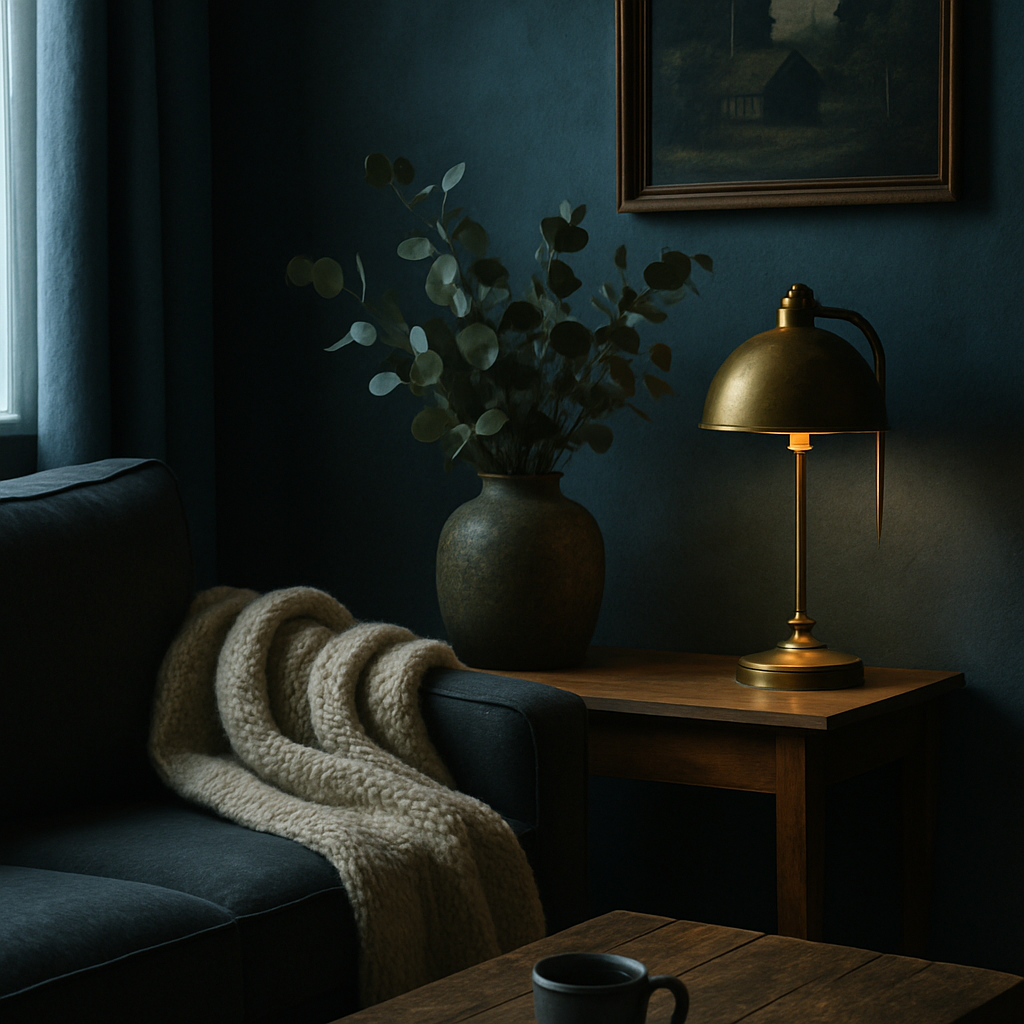
Imagine walking into a room that immediately envelops you in warmth and comfort. You're not just seeing a space; you're feeling it. Creating a cozy room interior design is not just about aesthetics-it's about crafting an environment that invites relaxation and contentment. According to a Houzz survey, 72% of homeowners prioritize comfort in their home design plans. This article will guide you through five essential tips to transform any room into a cozy haven. We'll explore foundational concepts, delve into deeper analysis with data, offer actionable strategies, provide expert-level details, and wrap up with additional depth and final perspectives.
Understanding the Foundations of Cozy Design
The first step in crafting a cozy room interior design is understanding the foundational elements that contribute to warmth and comfort. A key component is color palette selection. Warm colors, such as soft earth tones and muted hues, can make a space feel inviting. According to the International Interior Design Association (IIDA), these colors evoke a sense of tranquility and warmth. Another essential element is texture. Incorporating a variety of textures-like plush rugs, soft throws, and tactile fabrics-adds depth and interest to a room, making it feel more layered and inviting.
Lighting plays a crucial role in setting the mood of a cozy room. Instead of relying solely on overhead lighting, consider layering different light sources. Table lamps, floor lamps, and candles can create a warm, ambient glow that enhances the room's coziness. The American Society of Interior Designers (ASID) suggests that adjustable lighting options allow for greater control over the atmosphere, enabling you to shift from bright to dim as needed.
Lastly, furniture arrangement affects the coziness of a room. Arranging furniture to facilitate conversation and connection can make a space feel more intimate. Placing seating close together rather than far apart encourages social interaction and enhances the room's warmth. When planning your layout, think about how you use the space daily and make adjustments to foster a more welcoming environment.
Analyzing the Impact of Design Elements
To truly understand how to create a cozy room interior design, it's important to analyze the impact of specific design elements. For instance, biophilic design, which incorporates natural elements into interiors, has been shown to improve mood and well-being. A study by the American Institute of Architects (AIA) indicates that integrating plants and natural materials like wood and stone can significantly enhance the coziness of a space by fostering a connection to nature.
Another critical element is the use of personal items and décor. Displaying cherished mementos, family photos, or art pieces can personalize a space and evoke feelings of nostalgia and comfort. Industry surveys suggest that rooms with personalized elements often feel more lived-in and welcoming. This personalization creates a narrative within the space, making it uniquely yours.
Furthermore, acoustics can influence the comfort level of a room. Sound-absorbing materials, such as thick curtains, rugs, and upholstered furniture, can reduce echo and noise, contributing to a quieter, more peaceful environment. The National Council for Interior Design Qualification (NCIDQ) advises that thoughtful consideration of sound within a space can greatly enhance its coziness by minimizing distractions and promoting relaxation.
Actionable Strategies for a Cozy Room
Creating a cozy room interior design requires actionable strategies that you can implement immediately. Start by decluttering the space. A clutter-free room feels more open and relaxing, allowing you to focus on the elements that truly matter. Experienced professionals often note that simplifying a room's contents can highlight its best features and promote a sense of calm.
Next, consider incorporating layers into your room design. This can be achieved by adding soft furnishings like cushions and throws, which not only provide comfort but also introduce layers of color and texture. These elements can be easily changed with the seasons, allowing for a dynamic space that remains cozy year-round. According to Architectural Digest's AD PRO network, layering is a key technique used by designers to add depth and warmth to interiors.
Finally, scent plays a powerful role in the perception of coziness. Introduce pleasant aromas through candles, diffusers, or fresh flowers. Scents like lavender, vanilla, and cedarwood are popular choices for creating a soothing atmosphere. By engaging multiple senses, you can craft a more immersive and cozy environment. How do you want your room to feel when you step inside? Consider scent as a tool to achieve that ambiance.
Expert Insights on Creating Cozy Spaces
Delving deeper into the expertise required for a cozy room interior design, professionals emphasize the importance of balance. Achieving a harmonious blend of elements is crucial. For example, while textures and colors are important, they must be balanced with negative space to avoid overwhelming the senses. This balance allows the room to breathe and feel more spacious.
Certified interior designers, such as those holding NCIDQ credentials, often stress the importance of adaptability in design. A cozy room should cater to various activities, from reading to socializing. This adaptability can be achieved through flexible furniture arrangements and multi-functional pieces. Consider a sofa that converts to a bed or a coffee table with storage, offering both style and practicality.
Moreover, integrating technology can enhance the coziness of a room. Smart home devices, like automated lighting and climate control, offer convenience and comfort. These technologies allow for personalized settings that can be adjusted according to time of day or activity, further enhancing the room's ambiance. How can technology simplify your daily routines while maintaining the room's cozy feel?
Additional Depth: Beyond Basics
To take your cozy room interior design to the next level, consider the impact of sustainable choices. Using reclaimed or eco-friendly materials not only benefits the environment but also adds character and warmth to a space. Incorporating such materials can tell a story and create a unique, cozy atmosphere that resonates with visitors.
Another aspect to explore is the use of vintage or antique pieces. These items bring a sense of history and charm, adding depth to the room's narrative. Mixing these elements with modern pieces can result in a timeless design that feels curated and personal. According to Houzz, homeowners are increasingly drawn to eclectic styles that combine the old with the new for a cozy, lived-in feel.
Finally, consider the psychological impact of color. While warm tones are generally associated with coziness, cooler shades can also be inviting when used thoughtfully. For instance, soft blues and greens can create a calming environment that still feels warm and welcoming. Experiment with different shades to find the perfect balance for your space.
Final Perspectives on Cozy Interior Design
As you embark on your journey to create a cozy room interior design, remember that the process is as important as the result. Take time to explore different styles, experiment with various elements, and trust your instincts. The goal is to create a space that feels like a true extension of yourself.
Incorporating the tips and insights discussed can transform any room into a cozy retreat. From understanding foundational concepts to implementing expert strategies, each step contributes to crafting a space that is both beautiful and comfortable. How will you begin your transformation? Consider starting with one element and gradually building upon it for a cohesive design.
Conclusion: Bringing Cozy to Life
Creating a cozy room interior design is about more than just aesthetics; it's about crafting a sanctuary that reflects comfort and warmth. By understanding foundational concepts, analyzing design elements, implementing actionable strategies, and considering expert insights, you can transform any space into a cozy haven. Remember, the key is to balance aesthetics with functionality, ensuring that every element serves a purpose.
Ready to start your transformation? Begin by browsing portfolios on platforms like Houzz or Architectural Digest to gather inspiration. Even dedicating just 20 minutes to research can sharpen your eye for what resonates with you. Embrace the process, and soon, you'll have a room that not only looks inviting but feels like home.


Comments
Post a Comment