Top 5 Expert Tips for Efficiently Using Suspension Scaffolds in Interior Design
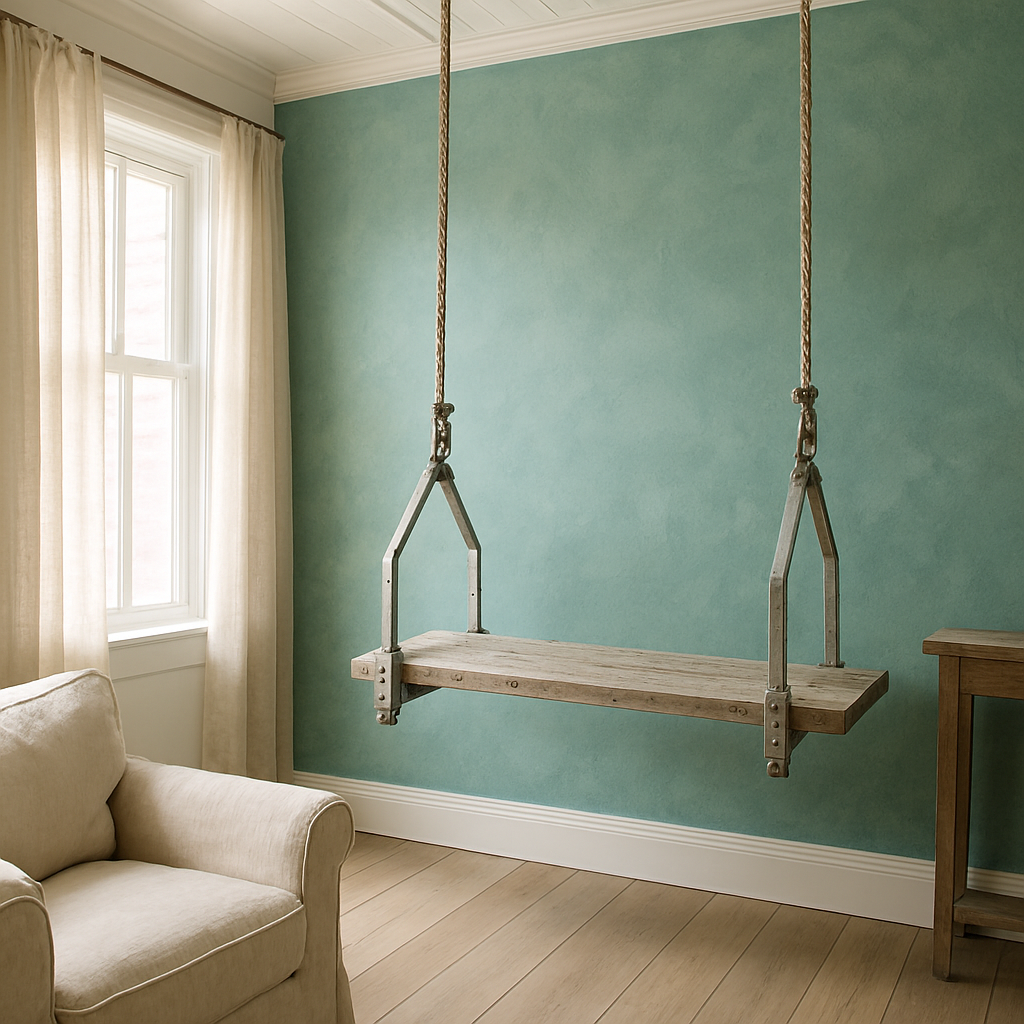
Imagine transforming a cavernous loft space with ceilings soaring over 20 feet high. You're tasked with creating an intimate yet dynamic atmosphere, but how do you reach those dizzying heights safely and efficiently? This is where suspension scaffolds come into play. According to a report by the Occupational Safety and Health Administration (OSHA), falls are one of the leading causes of injuries in construction and design work, highlighting the importance of proper scaffold use. In this article, we'll explore the top five expert tips for efficiently using suspension scaffolds in interior design. From foundational concepts to advanced strategies, get ready to elevate your project outcomes while ensuring safety and precision.
Understanding Suspension Scaffolds: The Basics
Suspension scaffolds are platforms suspended by ropes or other non-rigid means, allowing designers and contractors to work at varying heights safely. These scaffolds are essential for projects involving high ceilings, vaulted spaces, or large wall installations. Understanding the basic components of suspension scaffolds, such as ropes, pulleys, and stabilizing weights, is crucial for their effective use in interior design projects. For instance, selecting the right material for ropes, often made from synthetic fibers or galvanized steel, directly impacts the scaffold's load-bearing capacity and safety.
One of the key advantages of suspension scaffolds is their adaptability. They allow for precise positioning, which is invaluable when working on intricate ceiling designs or art installations. However, efficient use requires comprehension of the scaffold's load limits and the ability to balance the platform properly. The American National Standards Institute (ANSI) provides guidelines on scaffold usage, emphasizing load testing and regular inspections to prevent accidents. It's important to understand these guidelines to ensure that scaffolds are set up and used correctly.
Nevertheless, even the most robust scaffold system can fail if improperly used. Training is essential for anyone involved in setting up and operating suspension scaffolds. The International Association of Scaffold and Access Industry (IASI) offers certification programs that are recognized globally, ensuring that professionals are well-versed in scaffold safety standards. This foundational knowledge is the first step in mastering the efficient use of suspension scaffolds in interior design.
With the basics covered, we can now delve into the specifics of how suspension scaffolds can transform interior spaces, providing both aesthetic and functional benefits.
Maximizing Utility and Aesthetics with Suspension Scaffolds
Suspension scaffolds are not just tools for reaching high places; they are pivotal in achieving design visions that require precision and creativity. According to a survey by Houzz, over 60% of interior designers reported that scaffolds allowed them to execute complex design elements, such as large-scale murals or intricate lighting installations, more effectively. But how exactly do they facilitate such creative endeavors?
One way that suspension scaffolds enhance design projects is by offering unparalleled access to all areas of a room. This access is particularly beneficial for projects that incorporate biophilic design elements, such as living walls or ceiling gardens. By utilizing scaffolds, designers can integrate natural materials and greenery into hard-to-reach spaces, creating a seamless indoor-outdoor flow that is both visually stunning and environmentally friendly.
Moreover, the versatility of suspension scaffolds enables designers to experiment with various textures and materials without the constraints of traditional ladders or static scaffolding. For instance, Japandi design-a blend of Japanese minimalism and Scandinavian warmth-often requires the installation of wooden slats or beams at varying heights. Suspension scaffolds provide the flexibility needed to execute such designs with precision. This ability to explore innovative design techniques is why experienced professionals often note that scaffolds are integral to pushing the boundaries of interior design.
The next section will focus on actionable strategies to ensure that your scaffolding setup is not only effective but also safe and compliant with industry standards.
Ensuring Safety and Compliance in Scaffold Use
While the creative possibilities of suspension scaffolds are vast, safety must always remain a top priority. According to OSHA, compliance with scaffold safety standards can prevent up to 80% of accidents on construction and design sites. So, how do you ensure that your use of suspension scaffolds meets these rigorous safety criteria?
Firstly, it's crucial to conduct a thorough risk assessment before starting any project involving scaffolds. Identify potential hazards, such as overhead power lines or uneven surfaces, and develop a plan to mitigate these risks. Regular inspections of the scaffold equipment are also essential. The National Safety Council (NSC) recommends daily checks of all components, including ropes, pulleys, and anchor points, to ensure everything is in working order.
Another critical aspect of safety is proper training for all personnel involved in the project. As previously mentioned, organizations like the IASI offer training programs that cover the safe use of scaffolds. Ensuring that every team member is certified and knowledgeable about scaffold operations is key to maintaining a safe work environment. Additionally, clear communication and signage around the scaffold site can help prevent unauthorized access and reduce the risk of accidents.
With safety protocols in place, you can focus on optimizing scaffold use for maximum efficiency and impact in your interior design projects.
Optimizing Scaffold Use for Project Efficiency
Efficiency is the cornerstone of any successful interior design project, and proper scaffold use can significantly enhance productivity. One way to achieve this is by implementing a strategic scaffold layout that minimizes movement and maximizes reach. Consider the specific needs of your project and arrange the scaffold to provide easy access to all necessary areas without unnecessary repositioning.
Incorporating modern technology can also boost efficiency. Smart home integration, for example, allows designers to adjust lighting and climate settings remotely, which can be coordinated with scaffold usage to create optimal working conditions. Some designers are even using augmented reality (AR) and virtual reality (VR) tools to visualize scaffold placements and project outcomes before setup, ensuring optimal scaffold configuration from the start.
Additionally, clear scheduling and task delegation can streamline scaffold use. Assign specific tasks to team members based on their expertise, and allocate time slots for scaffold access to prevent overlap and congestion. This organized approach not only enhances efficiency but also reduces stress and improves the overall workflow of the project.
The next section will delve into the cost considerations associated with using suspension scaffolds, offering expert insights on budgeting and resource allocation.
Cost Considerations and Budgeting for Scaffold Use
Understanding the cost implications of using suspension scaffolds is essential for project planning and budgeting. The cost of scaffolding can vary widely based on factors such as project size, duration, and specific scaffold requirements. Typically, rental prices range from $15 to $50 per day for basic systems, with more advanced setups costing significantly more.
When budgeting for scaffold use, consider the potential savings that efficient scaffold use can offer. For example, by reducing the time needed for installation and adjustments, you can lower labor costs and increase project profitability. According to industry surveys, well-managed scaffold use can cut project timelines by 15-30%, translating into substantial savings.
It's also important to account for potential hidden costs, such as insurance and permit fees. Ensuring that your project complies with local regulations and safety standards can prevent costly fines and delays. Consulting with local AIA chapters can provide valuable insights into compliance requirements and associated costs.
Having navigated the financial aspects of scaffold use, we can now turn our attention to final perspectives that tie together the insights shared throughout this article.
Final Perspectives on Suspension Scaffold Utilization
Suspension scaffolds are invaluable tools in modern interior design, offering both practical and creative benefits. By understanding the foundational concepts, maximizing utility, ensuring safety, optimizing efficiency, and considering costs, designers can leverage these tools to enhance their projects significantly. Experienced professionals often emphasize that the key to successful scaffold use lies in meticulous planning and execution, ensuring both safety and efficiency.
As you contemplate your next design project, consider how suspension scaffolds might play a role in bringing your creative visions to life. Are there elements of your design that could benefit from the precision and reach that scaffolds provide? How might strategic scaffold use help you achieve your design goals more effectively?
Conclusion: Elevate Your Interior Design Projects
In summary, suspension scaffolds offer a wealth of possibilities for interior design, from facilitating complex installations to optimizing project efficiency. By incorporating the expert tips outlined in this article-understanding the basics, maximizing utility, ensuring safety, optimizing efficiency, and managing costs-you can transform your design projects and achieve outstanding results.
Ready to take your interior design projects to new heights? Start by researching scaffold rental options and certification programs through organizations like the IASI and ANSI. Even a few hours spent on preparation and planning can dramatically improve your project's efficiency and outcome. Elevate your design strategy today and see how suspension scaffolds can redefine what's possible in your creative space.


Comments
Post a Comment