Top 5 Interior Design Tips Inspired by The New York Times
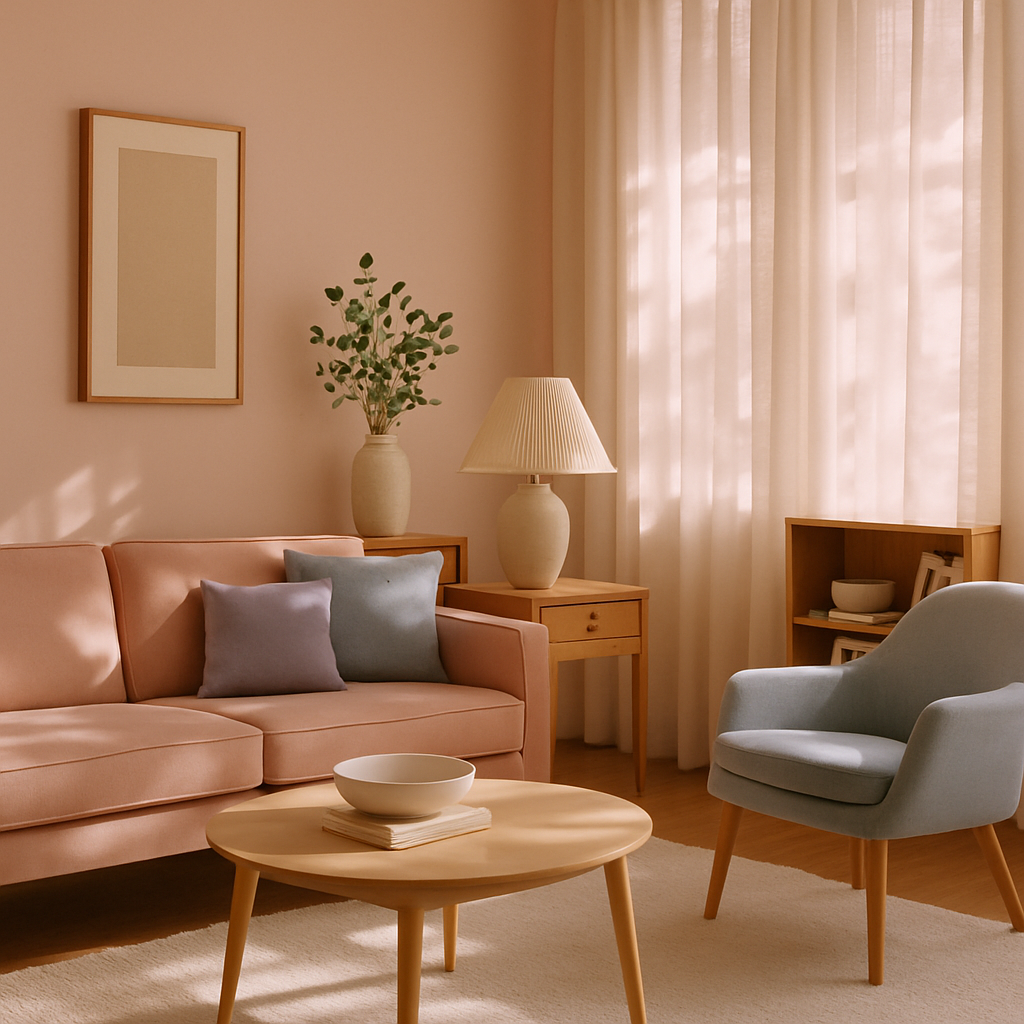
Imagine walking into your home and being greeted by spaces that feel as cohesive as any feature in The New York Times Home section. What if your interiors could reflect the understated elegance and functional beauty that top designers achieve, while still being uniquely yours? The key lies in understanding and applying expert strategies that transform ordinary spaces into extraordinary ones. In this article, we'll explore five interior design tips inspired by insights from The New York Times, blending foundational concepts with advanced strategies for every homeowner. From leveraging biophilic design to incorporating smart technologies, these tips will equip you to elevate your home's aesthetic and functionality.
Understanding Foundational Concepts
Before diving into specific design trends, it's crucial to understand the foundational concepts that underpin successful interiors. One of the most important principles is the balance between form and function. According to industry surveys, nearly 60% of homeowners prioritize functionality over aesthetics. This shift underscores the importance of designing spaces that not only look good but also serve practical purposes. For instance, a living room might be visually appealing with its minimalistic decor, yet it must also accommodate comfortable seating for family gatherings.
Another foundational concept is the use of color to influence mood and perception. The New York Times has often highlighted how color choices can impact the ambiance of a room. For example, blues and greens are known for their calming effects and are often recommended for bedrooms and bathrooms. On the other hand, bold colors like red and orange can energize a space, making them ideal for areas like the kitchen or home office. Understanding how colors interact can help you create the desired vibe for each room.
Furthermore, scale and proportion play a vital role in interior design. Experienced professionals often note the importance of selecting furniture and decor that fit the scale of the room. A large sectional sofa might overwhelm a small space, while a petite chair could look out of place in a grand living room. By mastering these foundational concepts, you set the stage for a home that feels both balanced and personalized. With these basics in mind, we can now explore how data and trends influence design decisions.
Deeper Analysis with Data
Design decisions are increasingly driven by data, and understanding these insights can significantly enhance your interiors. According to the American Society of Interior Designers (ASID), homeowners who invest in design improvements see a 5-15% increase in property resale value. This statistic highlights the tangible benefits of well-executed design, making it not just an aesthetic choice but a smart investment. For example, updating a kitchen with modern fixtures and finishes can drastically improve both usability and market appeal.
Furthermore, data from Houzz suggests that 75% of homeowners prioritize sustainability in their design choices. This trend toward eco-friendly materials is not only beneficial for the environment but also aligns with consumer demand. Integrating sustainable elements, such as reclaimed wood or energy-efficient appliances, can make your home more appealing and cost-effective in the long run. Consider how you might incorporate these materials into your next renovation project.
Another significant data point is the rise of smart home technologies. The integration of smart lighting, climate control, and automated window treatments is becoming increasingly popular. These technologies not only enhance convenience but also contribute to energy savings. As you plan your interior design projects, consider how smart home systems could add value to your space. With data-driven insights in hand, you can make informed decisions that resonate with contemporary trends and personal needs. Next, let's delve into actionable strategies that bring these concepts to life.
Actionable Strategies for Your Home
With foundational concepts and data insights in mind, it's time to explore actionable strategies that can transform your home. One effective approach is to embrace the current trend of biophilic design, which emphasizes the connection between indoor spaces and nature. This can be achieved by incorporating natural materials, such as wood and stone, and introducing greenery through potted plants or living walls. Does your home currently reflect the calming influence of nature?
Another strategy is to create versatile spaces that serve multiple functions. In today's homes, rooms often need to adapt to various needs, such as a home office that doubles as a guest bedroom. Consider using furniture that can be easily reconfigured, such as foldaway desks or modular seating. This flexibility ensures that your home remains practical and comfortable, regardless of changing circumstances.
Additionally, focus on personalizing your space with meaningful decor. Rather than following fleeting trends, incorporate elements that reflect your personality and experiences. This could include artwork from local artists, family heirlooms, or travel souvenirs. By surrounding yourself with items that hold personal significance, you create a home that is uniquely yours. With these strategies in place, you can confidently embark on your design journey, knowing that your home will be both beautiful and functional. Now, let's explore expert-level details that can further refine your design approach.
Expert-Level Detail for Refinement
For those looking to elevate their interiors to a professional standard, attention to detail is paramount. Certified interior designers, such as those holding NCIDQ (National Council for Interior Design Qualification) credentials, emphasize the importance of layering textures to add depth and interest to a room. This can be achieved by mixing materials like velvet, leather, and wool, which create a rich and tactile experience. Have you considered how different textures might enhance the rooms in your home?
Lighting is another critical element that experts focus on. A well-lit space not only improves functionality but also sets the mood. Consider a combination of ambient, task, and accent lighting to create a dynamic and adaptable environment. For instance, pendant lights over a kitchen island provide focused illumination for meal preparation, while under-cabinet lighting adds warmth and ambiance.
Furthermore, scale is essential when selecting artwork and decor. Large pieces can create a focal point in a room, while smaller items work well in clusters to add visual interest. Experienced designers often recommend starting with a statement piece, such as an oversized painting or sculpture, and building the room around it. By paying attention to these expert-level details, you can refine your interior design and achieve a polished, cohesive look. As we move forward, let's delve into additional insights that can deepen your understanding of design.
Additional Insights for In-Depth Understanding
Beyond the basics and expert strategies, there are additional insights that can further enhance your interior design journey. One key consideration is the flow of your space. The way you move through a room can significantly impact its functionality and feel. Are there clear pathways, or do you find yourself navigating around obstacles? Optimizing the layout to ensure smooth movement can greatly improve both the practicality and aesthetic of your interiors.
Additionally, consider the impact of acoustics. Sound quality is often overlooked in design, yet it plays a vital role in creating a comfortable environment. Soft furnishings, such as rugs and curtains, can help absorb sound and reduce echo, especially in larger rooms. Have you noticed how different materials affect the acoustics in your home?
Finally, stay informed about emerging trends and technologies. Platforms like Architectural Digest's AD PRO network provide valuable insights into the latest innovations and design philosophies. Remaining open to new ideas can inspire fresh approaches and ensure your home remains current and engaging. With these additional insights, you're equipped to approach your interior design projects with both creativity and confidence. As we conclude, let's consider the broader implications of these strategies.
Final Perspectives on Interior Design
Interior design is a dynamic and evolving field, driven by a blend of tradition and innovation. The tips inspired by The New York Times provide a comprehensive framework for creating spaces that are both beautiful and functional. By understanding foundational concepts, leveraging data, and applying expert strategies, you can transform your home into a reflection of your personality and lifestyle. Have you begun to envision the possibilities for your own space?
Moreover, the integration of personal elements and attention to detail ensures that your interiors remain timeless and meaningful. As you embark on your design journey, remember that the process is as important as the final outcome. Each decision contributes to a home that is uniquely yours, resonating with both style and substance.
In conclusion, the art of interior design lies in its ability to adapt and inspire. By embracing these strategies, you can create environments that not only meet your needs but also enrich your daily life. Next, take a moment to explore design portfolios on platforms like Houzz to gather inspiration and refine your vision. With just 20 minutes of research, you'll sharpen your eye for what you truly desire in your home.



Comments
Post a Comment