10 Key Elements of Organic Modern Interior Design You Need to Know
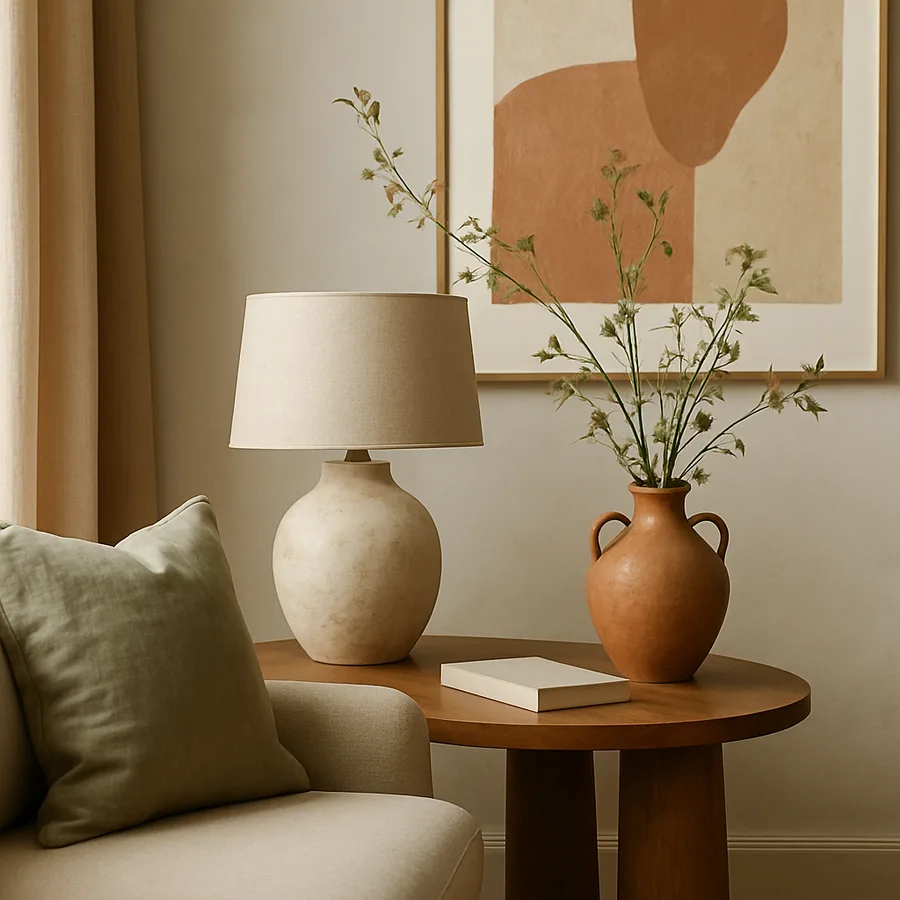
Understanding the Organic Modern Philosophy
Organic modern design occupies a distinctive position in the interior design landscape, merging the warmth and imperfection of natural forms with the clarity and discipline of modernist principles. This approach has gained remarkable traction among homeowners and designers alike, driven by a collective desire for spaces that feel both refined and genuinely livable. The American Society of Interior Designers (ASID) has identified organic modernism as one of the most requested residential styles, noting that it appeals to clients who find pure minimalism too cold and traditional styles too ornate.
At its philosophical core, organic modern design is about honoring the inherent beauty of natural materials while maintaining the edited restraint that defines modern aesthetics. It is not a maximalist style, nor is it austere. Instead, it occupies a middle ground where every element earns its place through both visual contribution and tactile pleasure. The International Interior Design Association (IIDA) describes this balance as materiality-driven modernism, where the character of surfaces and objects takes precedence over decorative embellishment.
What distinguishes organic modern from adjacent styles like Scandinavian or mid-century modern is its deliberate embrace of irregularity. Where Scandinavian design tends toward geometric precision and mid-century modern celebrates manufactured forms, organic modern welcomes the knots in a live-edge table, the variation in handmade ceramics, and the subtle undulation of hand-plastered walls. These imperfections are not flaws to be concealed but qualities to be celebrated.
Natural Materials as the Foundation
The first and most fundamental element of organic modern design is an unwavering commitment to natural materials. Wood, stone, linen, wool, leather, clay, and rattan form the material vocabulary from which every organic modern interior is composed. According to Houzz trend data, searches for natural material interiors have increased by 73 percent over the past three years, reflecting a broad cultural movement away from synthetic surfaces and toward authentic, tactile environments.
Wood selection in organic modern spaces prioritizes species and cuts that reveal the inherent character of the timber. White oak with its prominent grain, walnut with its rich tonal variation, and reclaimed timber with its patina of age are all preferred over uniform, heavily processed alternatives. The wood is typically finished with matte or low-sheen treatments that preserve the natural texture rather than sealing it beneath layers of high-gloss polyurethane.
Stone surfaces in organic modern interiors tend toward materials with natural movement and variation. Travertine, with its characteristic pitting and warm tonal range, has emerged as a signature material of the style. Limestone, soapstone, and honed marble are also frequently specified, chosen for their ability to age gracefully and develop a patina that adds depth to the space over time. The key criterion is authenticity: the material should look and feel like what it genuinely is.
Have you noticed how certain spaces make you want to reach out and touch the surfaces around you? That impulse is the hallmark of successful organic modern material selection, where every surface invites physical engagement rather than merely visual appreciation.
The Neutral Palette with Earthy Depth
Color in organic modern design is drawn directly from the natural world, creating palettes that feel simultaneously sophisticated and grounded. The foundation is typically a range of warm whites, from plaster-toned ivory to the slight warmth of raw linen, layered with tones of sand, clay, mushroom, sage, and charcoal. These are not the cool grays that dominated the previous decade of minimalist design but warmer, earthier tones that carry the visual weight of the natural materials they reference.
ASID color trend analysis indicates that warm neutral palettes now account for the majority of residential color specifications, a significant shift from the cool-toned neutrals that prevailed in earlier interpretations of modern design. The warmth of the organic modern palette creates spaces that feel inviting even when furnishings are sparse and lines are clean. It is a palette that flatters natural materials, enhances natural light, and creates a sense of calm without the sterility that all-white interiors sometimes produce.
Accent colors, when they appear, are drawn from the deeper end of the natural spectrum: terracotta, olive, rust, indigo derived from natural dyes, and the deep brown-black of aged iron. These accents are used with restraint, often appearing in a single textile, a piece of pottery, or a work of art rather than as broad swaths of wall color. The discipline of the color palette ensures that the natural materials remain the visual protagonists of the space.
Clean Lines Softened by Organic Forms
The structural framework of organic modern interiors is decidedly modern: clean lines, uncluttered compositions, and spatial clarity define the architectural envelope. However, within this framework, organic forms introduce a counterpoint that prevents the space from feeling rigid or institutional. A perfectly rectilinear room might contain a round dining table, a sculptural curved sofa, or a freeform stone coffee table that softens the geometry without disrupting it.
This interplay between linear architecture and organic furnishings is one of the defining tensions of the style. Designers featured on Houzz have described it as structured freedom, the discipline of modern spatial planning combined with the emotional warmth of forms that reference the natural world. An arched doorway, a curved plaster range hood, or a rounded corner on a custom vanity can introduce just enough organic softness to transform the emotional quality of a space.
Furniture selection in organic modern interiors favors pieces with simple silhouettes and honest construction. Joinery is often exposed and celebrated rather than concealed. Table legs taper with the grace of a tree branch. Seating profiles are low and horizontal, suggesting repose and connection with the earth. The overall effect is one of quiet confidence: pieces that are clearly well-made and thoughtfully designed without demanding attention through ornamental excess.
Biophilic Design and Indoor-Outdoor Connection
Biophilic design principles are deeply embedded in the organic modern approach, reflecting the style's fundamental orientation toward the natural world. Large windows that frame landscape views, indoor plantings that range from a single dramatic specimen tree to distributed collections of smaller plants, and material choices that echo the surrounding environment all serve to dissolve the boundary between interior and exterior.
The IIDA has published extensive research on the psychological and physiological benefits of biophilic design, documenting improvements in cognitive function, stress reduction, and creative thinking in spaces that maintain strong connections to nature. A study referenced in their findings indicates that occupants of biophilically designed spaces report a 15 percent increase in overall wellbeing compared to those in conventional interiors. For organic modern design, these benefits are not merely incidental but central to the intention of the style.
Practical biophilic elements in organic modern interiors include living walls or green installations that serve as focal points, natural light strategies that bring sunlight deep into the floor plan, water features that introduce the calming sound and movement of flowing water, and material selections that create sensory connections to outdoor environments. A stone floor that continues from interior to terrace, a ceiling clad in the same timber as an exterior pergola, or window seats that position occupants within the threshold between inside and outside all strengthen the biophilic connection.
How does your current living space connect you to the natural world? If the answer is primarily through windows, consider how material choices and living elements might deepen that connection and enrich your daily experience of home.
Texture, Craftsmanship, and Intentional Imperfection
Texture is the secret language of organic modern design, the element that transforms a visually simple space into a sensorially rich one. Where more decorative styles rely on pattern and color for visual interest, organic modern interiors build complexity through the layering of textures: the roughness of a jute rug against the smoothness of a polished concrete floor, the softness of a boucle throw against the firmness of a leather cushion, the matte surface of lime-washed walls against the sheen of a ceramic vase.
Craftsmanship is valued above mass production in the organic modern vocabulary. Handmade objects, whether a thrown pottery bowl, a hand-knotted rug, or a piece of furniture bearing the visible marks of its maker, carry an authenticity that factory-produced items cannot replicate. The National Council for Interior Design Qualification (NCIDQ) has emphasized the growing importance of material literacy in contemporary design practice, recognizing that the ability to distinguish between genuine and simulated materials is a core competency for designers working in styles like organic modern.
Intentional imperfection, known in Japanese aesthetics as wabi-sabi, is a philosophical underpinning of the organic modern approach. A dining table with visible grain variation, a hand-plastered wall with subtle trowel marks, a stone countertop with natural fissures sealed but not concealed: these are the qualities that give organic modern spaces their soul. They remind occupants that they are living among real materials shaped by natural processes and human hands, not in a sterile showroom of perfect replicas.
According to ASID surveys, 81 percent of clients now express a preference for interiors that include handcrafted or artisanal elements. This statistic reflects a broader cultural recalibration: after years of mass-produced uniformity, people are hungry for spaces that feel genuinely made rather than merely assembled. Organic modern design satisfies this hunger with elegance and restraint.
Ready to bring the principles of organic modern design into your own home? Begin with a single room and focus on replacing synthetic surfaces with natural alternatives. Consult an IIDA-affiliated designer who can help you develop a cohesive material palette that honors the organic modern philosophy while reflecting your personal sensibility.
More Articles You May Like



Comments
Post a Comment