10 Essential Elements of Interior Design You Need to Know
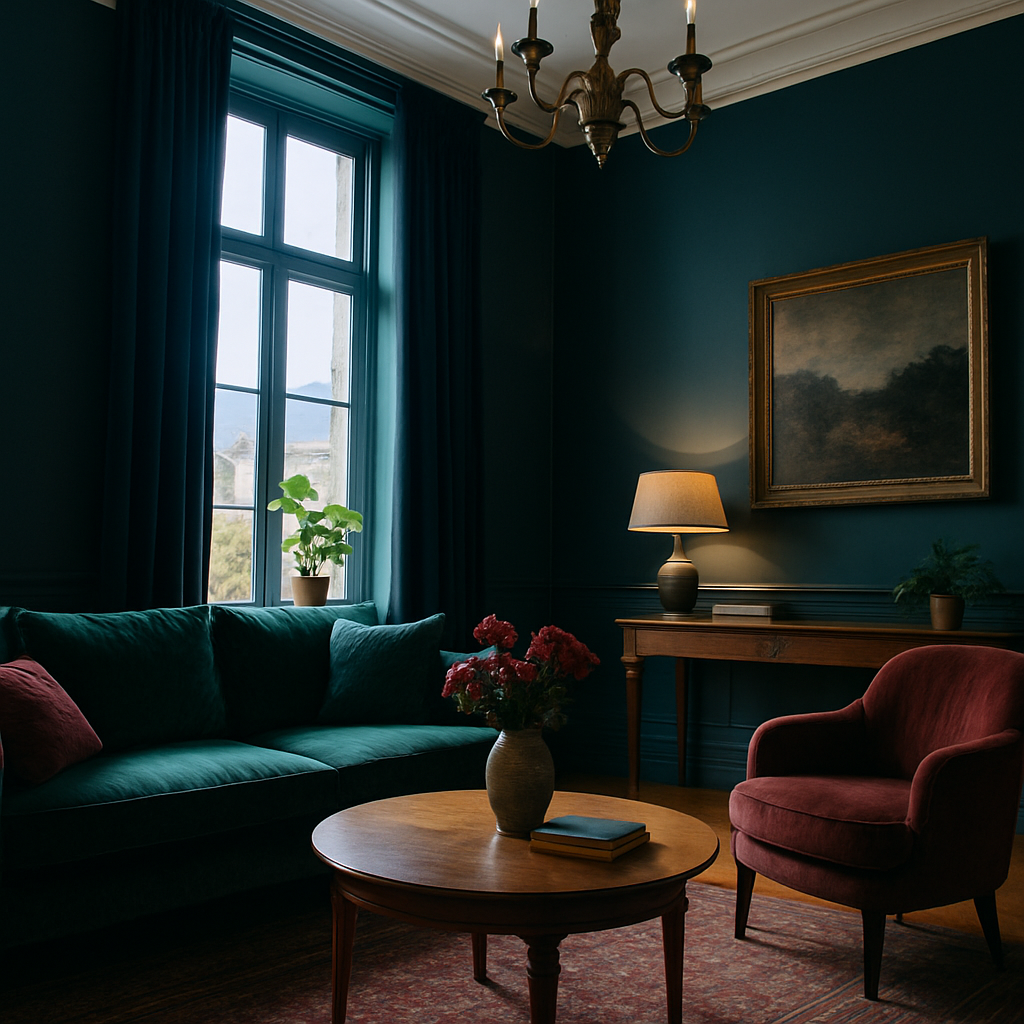
Have you ever walked into a room and felt immediately at ease, yet couldn't pinpoint why? This is the magic of effective interior design. According to Houzz's annual survey, homes with thoughtfully designed interiors can see a resale value increase of 5-15%. But what exactly makes a space not only functional but also visually appealing? In this article, we'll explore the 10 essential elements of interior design that can transform any space into a harmonious environment. We will delve into foundational concepts, examine deeper analytical data, and provide actionable strategies to enhance your own design projects.
Understanding Space and Layout
Space and layout are the backbone of any interior design project. They form the canvas on which all other elements are layered. Experienced professionals often note that before considering aesthetics, it's crucial to understand how a space will be used. This involves identifying the primary function of a room, as well as secondary uses. For instance, a living room might be a central gathering spot but could also serve as a reading nook or a home office corner.
Once the function is clear, the next step is to map out the layout. This involves arranging furniture and decor in a way that enhances the flow of movement and interaction. Tools like AR/VR room visualization, which many designers now use, can help you visualize different layouts and make informed decisions. A well-planned layout ensures that the room feels neither cramped nor too sparse.
Why does layout matter so much? A strategic layout not only optimizes space but also enhances the usability of the room. It allows for a balance between aesthetics and practicality, ensuring that every piece of furniture serves a purpose and contributes to the overall design vision. As you plan your layout, consider how each element will function within the space, leading into the next crucial aspect: color schemes.
The Power of Color Schemes
Color is not just a visual element; it's a powerful tool that influences mood and perception. According to the American Society of Interior Designers (ASID), color can affect emotions and behaviors, making it a critical component of interior design. The choice of color scheme can make a room feel warm and inviting or cool and serene. It's essential to choose colors that reflect the desired atmosphere of the space.
When developing a color scheme, consider the use of complementary and analogous colors to create harmony and contrast. For example, a monochromatic scheme can provide a soothing effect, while a bold, contrasting palette can energize a space. Additionally, incorporating the 60-30-10 rule-where 60% of the room is a dominant color, 30% a secondary color, and 10% an accent color-helps to maintain balance and interest.
Color trends in 2026, such as biophilic design with its natural hues and textures, are worth exploring. These trends emphasize a connection to nature, which can be achieved using earthy tones and materials like wood and stone. As you finalize your color scheme, think about how texture and pattern will complement these choices to create depth and dimension.
Incorporating Texture and Pattern
Texture and pattern are often overlooked yet essential elements that add depth and interest to a space. Texture can be tactile, like the softness of a plush rug, or visual, such as the pattern on a wallpaper. The key is to mix different textures and patterns to create a layered, dynamic look. Start by identifying the main textures that will define the room, such as wood, metal, or fabric, and then incorporate additional elements to add complexity.
Patterns can be introduced through textiles, wallpapers, and even flooring. For instance, a geometric rug can serve as a focal point in an otherwise neutral room. When mixing patterns, aim for a balance between bold and subtle: too many strong patterns can overwhelm a space, while too few can make it seem flat. Remember, the goal is to create visual interest without disrupting the overall flow.
How can you start experimenting with texture and pattern? Consider visiting platforms like Pinterest and Instagram for inspiration, where designers showcase creative ways to mix these elements. As you gather ideas, keep in mind the scale and proportion of patterns relative to the space, which leads us to the next element: lighting.
The Impact of Lighting
Lighting is a crucial component that can transform the ambiance of a room. It not only affects how colors and textures are perceived but also influences the mood and functionality of a space. According to Architectural Digest's AD PRO network, integrating smart lighting solutions is a growing trend, allowing for customizable lighting settings that adapt to different needs and times of day.
There are three main types of lighting to consider: ambient, task, and accent. Ambient lighting provides general illumination, task lighting focuses on specific activities, and accent lighting highlights architectural features or artwork. A well-designed room typically incorporates a blend of these types to create a balanced lighting scheme.
Consider the placement and type of light fixtures, as well as the use of dimmers to adjust lighting levels as needed. For example, pendant lights can provide focused task lighting over a kitchen island, while floor lamps can offer ambient lighting in a living room. As you finalize your lighting plan, think about how it interacts with other elements, setting the stage for accessories and decor.
Choosing Accessories and Decor
Accessories and decor are the finishing touches that personalize a space and reflect individual style. They include items such as artwork, plants, and decorative objects. When selecting accessories, it's important to consider their scale, color, and placement to ensure they complement the overall design rather than compete with it.
A common approach is to use the rule of three, grouping items in odd numbers for a more visually appealing arrangement. Additionally, incorporating biophilic elements like indoor plants can enhance the connection to nature and promote a sense of well-being. According to Houzz, homeowners increasingly prioritize sustainability, choosing decor made from reclaimed or eco-friendly materials.
As you curate your accessories, think about how they will interact with the existing elements of your design. Do they enhance the color scheme? Do they add texture and interest? These considerations will help create a cohesive design that feels intentional and complete, paving the way for the final element: furniture selection.
Selecting the Right Furniture
Furniture is often the most significant investment in an interior design project, both financially and spatially. It defines the functionality and style of a room. When selecting furniture, it's essential to consider not just aesthetics but also comfort and durability. The right pieces should align with the overall design vision while meeting the practical needs of the space.
Begin by assessing the scale and proportion of the furniture relative to the room. Large pieces can overwhelm a small space, while too many small items can lead to a cluttered look. Consider multi-functional furniture, such as a sofa bed or expandable dining table, to maximize usability without sacrificing style. The International Interior Design Association (IIDA) suggests investing in quality pieces that will stand the test of time, rather than opting for trendy, short-lived options.
As you finalize your furniture choices, think about how they will integrate with the other elements of your design. Does the furniture layout facilitate easy movement? Does it complement the color scheme and textures? These considerations ensure a harmonious space, leading to a final perspective on the essential elements of interior design.
Bringing It All Together
Understanding the essential elements of interior design is crucial for creating spaces that are both functional and aesthetically pleasing. Each component, from space and layout to furniture selection, plays a vital role in the overall design. By approaching each element with intention and creativity, you can transform any room into a cohesive environment that reflects your personal style.
Consider starting small, perhaps with a single room, to practice combining these elements effectively. As you gain confidence, you'll find it easier to apply these principles to larger projects. Remember, the goal is to create a space that feels authentic and comfortable, while also offering visual interest and functionality.
Are you ready to start your interior design journey? Begin by assessing your current spaces and identifying opportunities for improvement. Whether you're tackling a complete home makeover or simply refreshing a room, these essential elements will guide you toward achieving a design that is both beautiful and functional.
Conclusion
In mastering the 10 essential elements of interior design, you equip yourself with the knowledge to turn any space into a well-balanced, inviting environment. From understanding space and color to selecting the perfect furniture and accessories, each step is an opportunity to express creativity and achieve a design that resonates with you. As you embark on your next project, remember to consider each element thoughtfully, ensuring a cohesive and harmonious result.
Ready to put these elements into practice? Start by browsing portfolios on Houzz or Instagram this week. Even dedicating 20 minutes to research can sharpen your eye for design and inspire your next project. Whether you're a seasoned designer or a passionate homeowner, embracing these principles will lead to stunning interiors that stand the test of time.



Comments
Post a Comment