10 Essential Elements of Organic Modern Interior Design for a Fresh Home
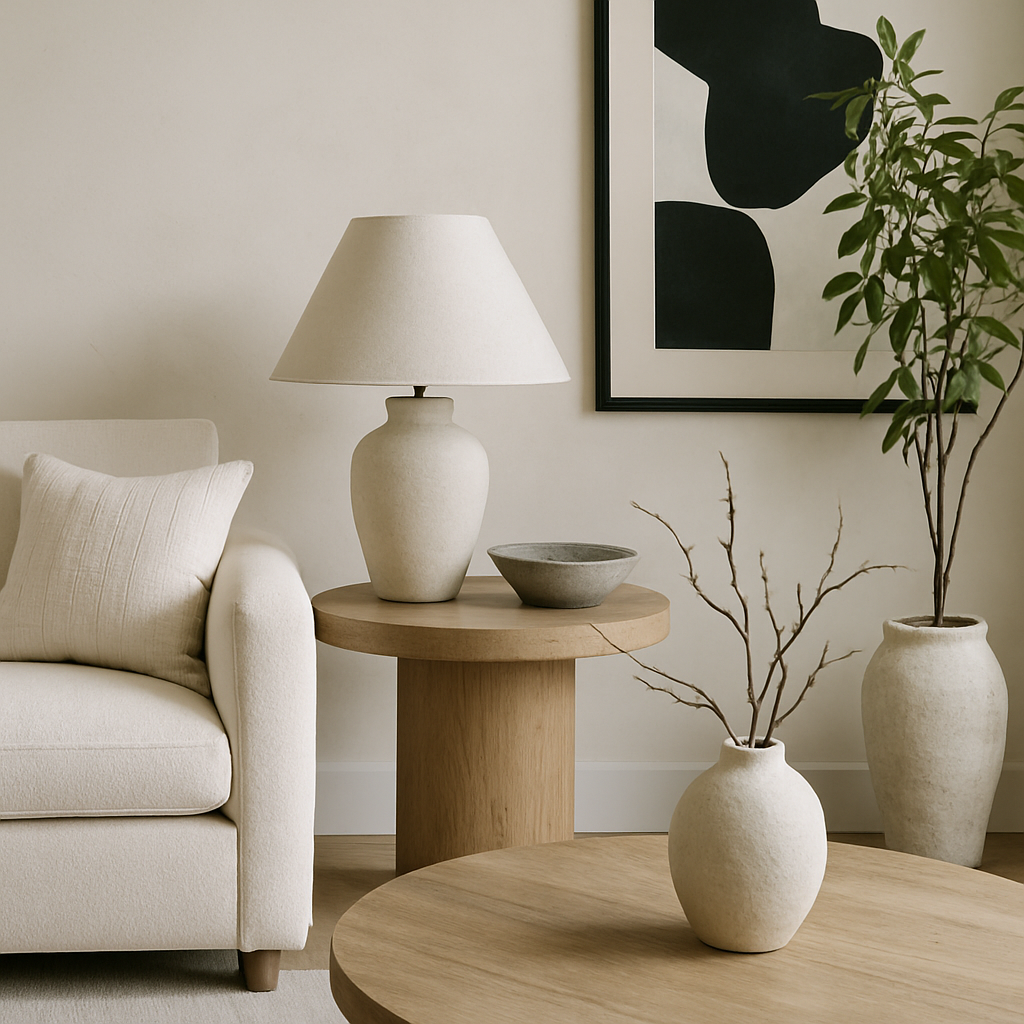
Imagine stepping into a home where each room exudes a balance of natural elegance and modern sophistication. This is the allure of organic modern interior design, a style that seamlessly blends the warmth of natural materials with sleek, contemporary lines. As housing trends evolve, more homeowners are gravitating towards this aesthetic that promises both comfort and style. In this article, we will explore the ten essential elements of organic modern interior design, guiding you to create a harmonious atmosphere that rejuvenates the senses and elevates everyday living. From foundational concepts to expert-level details, we'll cover everything you need to know to transform your home into a fresh, inviting space.
Understanding Organic Modern Design
The essence of organic modern interior design lies in its ability to harmonize the natural with the contemporary. This design philosophy prioritizes the use of natural materials such as wood, stone, and wool, juxtaposed with modern architectural elements like clean lines and open spaces. According to the American Society of Interior Designers (ASID), this style is increasingly popular due to its emphasis on sustainable living and minimalistic beauty. By integrating these materials, you create a space that feels both grounded in nature and elevated by modern aesthetics.
One of the foundational concepts of organic modern design is the use of neutral color palettes. Think whites, beiges, and soft grays that provide a serene backdrop, allowing natural textures to take center stage. This subtle color scheme enhances the sense of tranquility and spaciousness, a hallmark of the organic modern style. The National Council for Interior Design Qualification (NCIDQ) suggests that such palettes are not only timeless but also versatile, allowing for easy updates with seasonal decor.
Lighting also plays a crucial role in achieving this design style. Natural light is paramount, so maximizing window space and choosing sheer, airy window treatments can make a significant difference. When natural light is sparse, opt for fixtures made from natural materials like rattan or wood to maintain the organic feel. Experienced professionals often note that effective lighting can transform a room's ambiance, making it inviting and functional.
Integrating Biophilic Design Elements
Biophilic design is an integral part of the organic modern aesthetic, focusing on the connection between nature and interior spaces. This approach not only enhances aesthetic appeal but also promotes well-being. According to a study published in the Journal of Environmental Psychology, incorporating natural elements into interior design can significantly reduce stress levels and improve mental health. So, how can you bring this concept into your home?
Start by incorporating indoor plants, which are both decorative and beneficial for air quality. Choose low-maintenance varieties such as snake plants or pothos that thrive indoors. Additionally, consider elements like living walls or vertical gardens, which add texture and life to any room. The International Interior Design Association (IIDA) emphasizes that these features can transform a sterile environment into a vibrant, dynamic space.
Water features, such as small indoor fountains, can also enhance the biophilic atmosphere. The gentle sound of flowing water can create a calming environment, ideal for relaxation areas like bedrooms or living rooms. When integrating these elements, think about how they can complement the overall design while fostering a connection to the natural world. This seamless integration is key to achieving the organic modern aesthetic.
Practical Strategies for a Modern Organic Home
Creating an organic modern home involves more than just aesthetics; it requires practical strategies that align with the design's core principles. Begin by evaluating your current space and identifying areas that could benefit from a more natural touch. Would a wooden accent wall bring warmth to your living room? Could swapping synthetic textiles for natural fibers elevate your bedroom's comfort?
When choosing furniture, opt for pieces that blend form with function. Look for items made from reclaimed wood or sustainably sourced materials, which are not only eco-friendly but also add character to your home. Houzz, a popular platform for designer portfolios, showcases numerous examples of how these materials can be artfully integrated into modern settings. Additionally, consider furniture with clean lines and simple silhouettes to maintain the modern aspect of the style.
Textiles are another crucial component. Incorporate natural fabrics such as cotton, linen, or wool in your upholstery and decor. These materials not only contribute to the organic feel but also offer durability and comfort. Think about layering textures to add depth and interest to your space. A mix of woven throws, plush rugs, and soft cushions can create a cozy yet sophisticated environment. Remember, the goal is to achieve a balance between comfort and style.
Expert Insights on Sustainable Design
Sustainability is at the heart of organic modern interior design. Experienced professionals often note that eco-conscious choices do not only benefit the environment but also enhance the longevity and quality of interior spaces. When planning your design, consider the lifecycle of materials and their environmental impact. Are you selecting furniture that's built to last, or will it need replacing in just a few years?
Choosing sustainable materials like bamboo, cork, or recycled metal can significantly reduce your home's carbon footprint. Architectural Digest's AD PRO network highlights that these materials are not only sustainable but also versatile, fitting seamlessly into various design elements from flooring to cabinetry. Additionally, sourcing locally manufactured products can further decrease environmental impact by reducing transportation emissions.
Sustainable design also extends to energy efficiency. Integrating smart home technology, such as automated lighting and climate control systems, can optimize energy use and reduce utility costs. This technological integration is a growing trend in 2026, as homeowners seek to blend convenience with environmental responsibility. By embracing these innovations, you not only enhance the functionality of your home but also contribute positively to the planet.
Delving into Quiet Luxury and Understated Elegance
Quiet luxury and understated elegance are key trends within the organic modern design framework, offering a refined yet approachable aesthetic. This concept focuses on quality over quantity, emphasizing craftsmanship and attention to detail. Rather than filling a room with numerous decorative items, select a few statement pieces that resonate with your personal style.
Consider investing in timeless furniture with a focus on quality materials and construction. Pieces that age gracefully, such as leather sofas or solid wood dining tables, embody the principle of quiet luxury. According to industry surveys, such investments often lead to greater satisfaction, as they provide enduring beauty and functionality over time.
Accessorizing with intention is also crucial. Choose decor items that complement the natural elements of your space, such as handcrafted ceramics or artisanal textiles. These finishing touches should enhance rather than overwhelm, reinforcing the understated elegance of the design. This careful curation ensures that each element contributes to the overall harmony and sophistication of your home.
The Final Touch: Personalizing Your Organic Modern Space
While the principles of organic modern design provide a structured approach, personalization is key to making the space truly your own. Begin by reflecting on your lifestyle and preferences. What activities do you enjoy in your home? How can your interior environment support these interests? These questions will guide your design choices, ensuring they align with your daily life.
Incorporate personal artifacts and artwork that resonate with you. Displaying items with sentimental value can add warmth and character to a space, making it uniquely yours. Consider creating a gallery wall with family photographs or showcasing travel souvenirs in a dedicated nook. This personal touch not only enhances the aesthetic but also fosters a deeper connection to your living environment.
Lastly, don't forget to regularly reassess and refresh your space. As trends evolve, small updates can keep your home feeling current and vibrant. Whether it's introducing a new textile pattern or rearranging furniture for better flow, these adjustments can maintain the freshness of your design. By staying attuned to both your personal taste and broader design trends, you ensure your home remains a dynamic and inviting space.
Conclusion: Embracing Organic Modern Design
Organic modern interior design offers a compelling blend of nature and modernity, creating spaces that are both beautiful and functional. By incorporating the ten essential elements discussed, you can transform your home into a fresh haven that nurtures both body and mind. As you embark on this design journey, consider how each choice reflects your personal style and environmental values.
Ready to start your transformation? Begin by browsing portfolios on platforms like Houzz this week. Even 20 minutes of research will sharpen your eye for what you want and inspire new ideas. Remember, the essence of organic modern design is about creating a space that feels authentic and liveable. Embrace the process, and watch as your home evolves into a reflection of your unique style.



Comments
Post a Comment