10 Healthy Recipes That Enhance Your Interior Design Style
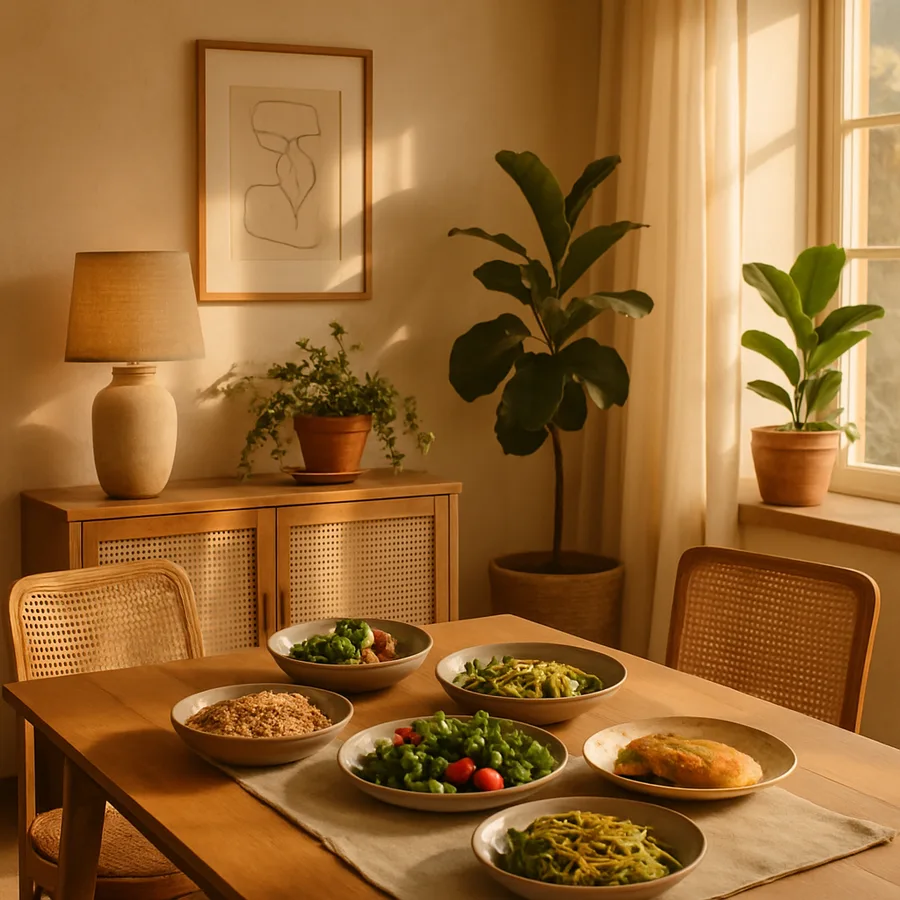
The relationship between what we cook and how our homes look is more intimate than most people realize. Every meal prepared in a well-designed kitchen contributes to the visual narrative of the space, turning ordinary cooking into an act of curation. The American Society of Interior Designers (ASID) reports that 78% of homeowners view the kitchen as the primary expression of their personal style, outranking even the living room. When healthy recipes are chosen not only for their nutritional value but also for their visual compatibility with a home's design language, the result is an environment where wellness and beauty become indistinguishable. This convergence represents a sophisticated approach to domestic life that professional designers are increasingly helping their clients achieve. The ten recipe concepts explored here each align with a specific interior design principle, demonstrating how culinary choices can amplify and enhance the aesthetic character of your home.
Healthy cooking, by its very nature, involves ingredients that are visually compelling. Fresh produce, whole grains, vibrant spices, and unprocessed proteins arrive in the kitchen with colors, textures, and forms that packaged convenience foods simply cannot match. These raw materials become temporary design elements the moment they are placed on a countertop or arranged in a bowl. The International Interior Design Association (IIDA) has noted a growing trend toward what practitioners call "lived-in styling," where the objects of daily use contribute to a room's aesthetic rather than being hidden away. A kitchen counter displaying a wooden board of sliced sourdough beside a ceramic dish of olive oil and fresh herbs is not just meal preparation; it is an intentional design moment that communicates warmth, health, and sophistication.
This article presents ten healthy recipe ideas, each paired with the interior design style it naturally complements. Whether your home follows biophilic principles, embraces Japandi minimalism, channels quiet luxury, or integrates smart home technology, there is a culinary practice that reinforces and elevates that aesthetic. Have you ever thought about how the food you prepare might be working against the design story your home is trying to tell? By aligning your cooking with your design sensibility, you create a coherent experience that feels intentional in every detail. Let us explore these pairings and discover how your next meal might also be your next design upgrade.
Mediterranean Grain Bowls and the Quiet Luxury Aesthetic
Quiet luxury, the design movement that favors understated quality over conspicuous display, finds its perfect culinary expression in the Mediterranean grain bowl. This dish relies on premium ingredients presented with elegant restraint: pearl couscous or farro as the neutral base, roasted vegetables adding warm earth tones, a drizzle of exceptional olive oil providing glossy finish, and crumbled feta or shaved parmesan contributing textural contrast. The visual composition mirrors the quiet luxury interior, where a cashmere throw on a linen sofa communicates wealth through material quality rather than bold pattern. ASID trend forecasters have identified quiet luxury as the dominant residential aesthetic, driven by homeowners who want their spaces to feel expensive without shouting about it. The grain bowl embodies this same philosophy on the plate.
Preparing Mediterranean grain bowls regularly shapes your kitchen design in specific ways. You begin to invest in beautiful serving bowls, high-quality olive oils in elegant bottles meant for the table rather than hidden in a cabinet, and artisan sea salts displayed in small wooden or stone vessels. These purchases, driven by culinary need, gradually transform your kitchen into a space that reflects quiet luxury principles without any deliberate interior design effort. A hand-thrown ceramic bowl costs between $30 and $80 and serves as both a daily cooking vessel and a design object on open shelving. Over time, a collection of these pieces creates the layered, tactile quality that defines quiet luxury interiors. Houzz surveys indicate that 45% of homeowners prefer displaying their best kitchen items rather than storing them behind closed doors.
The color palette of Mediterranean cooking, featuring warm terracotta, deep olive green, creamy ivory, and sun-bleached gold, also happens to be the exact palette that quiet luxury interiors favor. When these hues appear simultaneously in your kitchen design and on your dinner plate, the visual coherence is immediate and powerful. You do not need to hire a designer to achieve this effect; you simply need to let your cooking inform your material choices. A $200 investment in quality Mediterranean cooking vessels and serving pieces achieves what might otherwise require a $2,000 design consultation to articulate. The recipe itself becomes the design brief, guiding every subsequent purchasing and arrangement decision toward a unified aesthetic.
Raw Sushi Platters and Japandi Precision
The art of sushi preparation is fundamentally an exercise in the Japandi design principles of precision, minimalism, and respect for natural materials. Each piece of nigiri or maki roll is a study in proportion, negative space, and the beauty of raw ingredients presented without embellishment. The National Council for Interior Design Qualification (NCIDQ) includes principles of spatial proportion and material harmony in its certification standards, and these same principles govern the arrangement of sushi on a serving board. When you commit to preparing sushi at home, you inevitably acquire tools and vessels that embody Japandi aesthetics: a hinoki cypress cutting board, a sharp yanagiba knife, simple ceramic soy sauce dishes, and bamboo rolling mats. These objects, purchased for function, become defining design elements of your kitchen.
The health benefits of sushi preparation align seamlessly with the Japandi emphasis on mindful, intentional living. Fresh fish provides omega-3 fatty acids and lean protein, while the accompanying vegetables, including avocado, cucumber, and pickled ginger, contribute vitamins and digestive support. The preparation process itself is meditative: washing and seasoning rice, slicing fish with careful precision, and rolling each piece with focused attention. This ritual transforms your kitchen counter into a workspace that embodies the Japanese concept of kodawari, an uncompromising dedication to craft. IIDA research shows that homeowners who engage in ritualistic cooking practices report 30% higher satisfaction with their kitchen spaces, likely because the ritual creates a deeper emotional connection to the physical environment.
What would your kitchen look like if you designed it around the requirements of regular sushi preparation? You would need a clear, uncluttered counter surface, excellent task lighting, easily accessible storage for specialized tools, and a material palette dominated by natural wood, ceramic, and stone. This is, of course, a precise description of a Japandi kitchen. The recipe dictates the design. A basic home sushi setup costs between $75 and $200 for quality tools and serving pieces, transforming both your cooking capabilities and your kitchen's visual character simultaneously. The minimalism required by sushi extends beyond the plate to the entire preparation environment, naturally encouraging you to declutter and simplify your kitchen in ways that professional organizers charge hundreds of dollars to facilitate.
Farm-to-Table Salads and Biophilic Design Principles
Biophilic design seeks to strengthen the connection between human beings and the natural world through architectural and interior design choices. In the kitchen, no recipe category embodies biophilic principles more directly than the farm-to-table salad composed entirely of seasonal, locally sourced ingredients. When you build a salad from greens picked that morning, tomatoes still warm from the garden, herbs snipped from a windowsill planter, and edible flowers gathered from your yard, you bring the outdoors inside in the most literal and beautiful way possible. ASID has documented that biophilic design elements in the kitchen reduce stress indicators by up to 20% among regular users, and a vibrant salad assembled from living ingredients contributes directly to this effect.
The practice of building farm-to-table salads naturally leads to biophilic kitchen additions that a designer might recommend. You begin growing herbs on the windowsill because you need them fresh. You install a small indoor growing system because winter salads demand greens year-round. You purchase a wooden salad bowl because the material feels right against the organic ingredients. You choose a stone countertop because the cool surface keeps greens crisp during preparation. Each decision is driven by culinary logic, but each simultaneously advances a biophilic design agenda. The cumulative effect is a kitchen that feels alive, connected to the seasons, and grounded in natural materials. According to Houzz, indoor herb gardens have become the third most requested kitchen feature in recent renovations, behind only improved storage and better lighting.
The color dynamics of seasonal salads also reinforce biophilic design through their constant natural variation. Spring brings pale greens and delicate pinks from radishes and young lettuces. Summer explodes with deep reds, vivid yellows, and intense greens from tomatoes, peppers, and basil. Autumn introduces warm oranges and purples from roasted squash and beets. Winter shifts to hearty dark greens and earthy browns from kale, root vegetables, and toasted nuts. This seasonal color rotation keeps your kitchen environment dynamic and connected to the natural world in a way that no static paint color or fixed textile can achieve. Have you noticed how your kitchen feels different in summer versus winter, and how much of that shift comes from the ingredients on your counter?
Smoothie Stations and Contemporary Color Blocking
The morning smoothie has become a design opportunity that forward-thinking homeowners are exploiting to dramatic effect. A dedicated smoothie station, with its array of colorful fruits, protein powders in sleek containers, and a high-design blender as the centerpiece, creates a bold visual statement that aligns with contemporary color blocking design principles. Color blocking in interior design involves placing large areas of solid, contrasting colors adjacent to one another for visual impact, and a smoothie station achieves this naturally. Deep purple acai beside bright yellow mango beside vivid green spirulina creates a composition that any graphic designer would recognize as sophisticated color blocking. IIDA practitioners increasingly cite the kitchen prep station as a legitimate design feature rather than a purely functional zone.
The health benefits of daily smoothie preparation are well documented: concentrated nutrition from fruits and vegetables, easy protein supplementation, and efficient hydration. But the design benefits are equally significant for homeowners who view their kitchen as an expression of personal style. A quality blender from brands known for design-forward products costs between $200 and $600 and occupies permanent counter space, making it a design commitment as much as a health commitment. Surrounding this appliance with uniform glass containers of colorful ingredients, arranged on a dedicated tray or shelf, creates a curated vignette that communicates both wellness and style. The NCIDQ principles of focal point creation and visual hierarchy apply directly to this arrangement, where the blender serves as the anchor and the ingredient array provides supporting visual interest.
The contemporary kitchen that embraces color blocking through a smoothie station often extends this principle to other areas: bold pendant lights above a neutral island, a single wall of saturated color behind open shelving, or colorful bar stools against a monochromatic background. The smoothie station becomes the daily practice that trains your eye and reinforces the broader design language of your space. Designers charge between $150 and $300 per hour for color consultations, but maintaining a well-organized smoothie station essentially gives you a daily color workshop for free. Each morning's ingredient selection is a mini exercise in complementary and analogous color theory that gradually sharpens your aesthetic instincts across every room of your home.
Slow-Cooked Stews and Hygge-Inspired Warmth
The Scandinavian concept of hygge, that ineffable feeling of cozy contentment, translates into interior design through warm textures, soft lighting, and intimate gathering spaces. In the kitchen, no cooking practice embodies hygge more completely than the slow-cooked stew simmering on the stove for hours, filling the home with rich, comforting aromas while requiring minimal active attention. This is food as atmosphere, where the recipe contributes to the sensory environment of the entire home rather than being confined to the act of eating. ASID research on multisensory design confirms that spaces engaging multiple senses simultaneously create stronger emotional connections with their occupants, and a slow-cooking stew engages sight, smell, and eventually taste in a continuous arc of anticipation.
Healthy stew recipes built on legumes, root vegetables, lean proteins, and aromatic herbs provide exceptional nutrition while supporting the hygge aesthetic in multiple ways. The cooking vessel itself becomes a design object: a enameled cast iron Dutch oven in deep blue, warm orange, or classic cream sits prominently on the stove as both functional tool and visual anchor. The ingredients spread across the counter during preparation, including diced carrots, whole garlic cloves, bundles of thyme, and bay leaves, create a still-life composition worthy of a Dutch Golden Age painting. Houzz editors have noted that the Dutch oven has become one of the most photographed kitchen objects on the platform, functioning as a design accessory as much as a cooking tool. A quality Dutch oven ranges from $100 to $400, representing an investment that serves both culinary and aesthetic purposes for decades.
The slow cooking process also shapes kitchen design behavior in ways that promote hygge principles. Because the stew requires hours of gentle heat, you are drawn to spend time in the kitchen, stirring occasionally, adding ingredients, adjusting seasoning. This extended presence leads you to make the kitchen comfortable for lingering: adding a cushioned stool, placing a reading light near the counter, keeping a warm throw draped over a chair for cool evenings. These additions, motivated by the practical reality of tending a slow-cooked meal, are precisely the elements that designers deploy to create hygge environments. Would your kitchen benefit from being designed as a place to linger rather than merely a place to cook? The slow-cooked stew answers that question with a resounding yes.
Charcuterie Boards and the Art of Curated Display
The healthy charcuterie board, reimagined with cured lean meats, artisan cheeses in moderation, abundant fresh and dried fruits, nuts, whole grain crackers, and colorful vegetable crudites, has become one of the most powerful design moments in contemporary home entertaining. This is not merely food presentation; it is spatial design on a portable surface, governed by the same principles of balance, rhythm, repetition, and focal point that NCIDQ certified designers apply to room layouts. The arrangement of diverse elements into a cohesive, visually stunning composition is a design skill that transfers directly between the board and the broader kitchen environment. Each charcuterie assembly is a practice session in the art of curated display.
The materials associated with charcuterie preparation and serving contribute significantly to kitchen design. Large wooden or marble serving boards, small ceramic dishes for olives and dips, linen napkins, and rustic-yet-elegant serving utensils all become permanent fixtures in a kitchen where healthy entertaining boards are a regular practice. These objects, typically crafted from natural materials in neutral tones, align with virtually every contemporary design aesthetic from farmhouse to Japandi to quiet luxury. IIDA guidelines on material selection emphasize the value of objects that are both beautiful and functional, serving daily needs while contributing to the room's visual character. A curated collection of serving pieces for charcuterie boards typically costs between $150 and $500 and transforms both your entertaining capabilities and your kitchen's display potential.
The compositional skills developed through regular charcuterie board assembly extend to every surface in your kitchen and home. The principles of varying height, alternating colors, creating focal points, and balancing dense and sparse areas on a 20-inch board are identical to those used when styling a kitchen shelf, arranging a countertop vignette, or setting a dining table. Professional stylists and stagers charge $500 to $2,000 per room to create these curated displays, but the homeowner who regularly assembles beautiful healthy boards is training the same eye and hand. How often do you step back and look at your kitchen surfaces the way you look at a charcuterie board, assessing balance, color, and composition? Applying that critical eye to your entire kitchen might be the most valuable design exercise you can perform without spending a single dollar on renovation.
Conclusion
The ten recipe concepts explored here demonstrate that healthy cooking is not merely compatible with good interior design but is actively synergistic with it. Each culinary practice naturally generates the materials, colors, arrangements, and rituals that professional designers work to create through deliberate intervention. Mediterranean grain bowls build quiet luxury. Sushi preparation enforces Japandi precision. Farm-to-table salads advance biophilic design. Smoothie stations enable color blocking. Slow-cooked stews create hygge warmth. Charcuterie boards develop curatorial skills. The organizations that define professional design practice, including ASID, IIDA, NCIDQ, and the community insights aggregated by Houzz, all emphasize the principles that these recipes naturally embody: material quality, color harmony, intentional arrangement, and multisensory engagement.
The practical implication is empowering and accessible. You do not need a design degree or a renovation budget to transform your kitchen's aesthetic character. You need a commitment to cooking healthy, beautiful food with quality ingredients, presented in vessels and on surfaces that honor those ingredients. The investment is modest: a few hundred dollars in quality cookware and serving pieces, a shift in grocery shopping toward fresh and seasonal, and a willingness to treat meal preparation as an aesthetic practice rather than a purely nutritional one. The kitchen that results from this approach will be one that any professional designer would admire, not because it follows trends but because it embodies the timeless principles that all good design shares with all good cooking: respect for materials, attention to composition, and care in execution.
Choose one recipe pairing from this article and commit to it for one month. Notice how the practice begins to shape your kitchen, your purchasing decisions, and your aesthetic sensibilities. Share your results with friends who are navigating their own kitchen design journeys, and consider consulting an ASID-certified designer if you want to accelerate the transformation. The path from healthy recipe to beautiful kitchen is shorter than you think, and every meal is a step along it.
More Articles You May Like



Comments
Post a Comment