10 Must-Have Elements for an Eclectic Interior Design Style
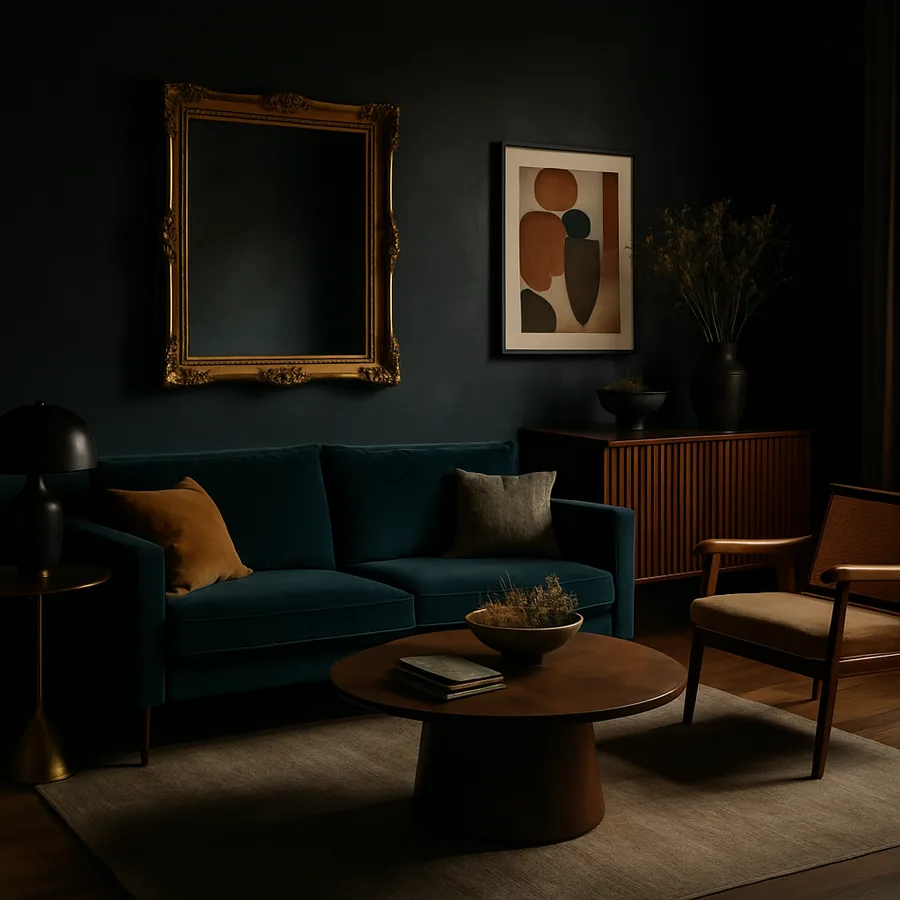
Walking into a truly eclectic home feels like stepping into a curated gallery where every piece has a story. Eclectic interior design is not about throwing random objects together and hoping for the best. It is a disciplined art form that requires an understanding of balance, proportion, and visual harmony. According to the American Society of Interior Designers (ASID), eclectic design remains one of the most requested styles among homeowners seeking personalized spaces that reflect their unique journeys and tastes.
The beauty of eclectic design lies in its freedom. You are not bound by a single era, a single palette, or a single material. Yet that freedom comes with responsibility. Without the right foundational elements, an eclectic room can quickly devolve into visual chaos. A survey published by Houzz found that 68 percent of homeowners who attempted eclectic styling without professional guidance reported dissatisfaction with the final result, citing a lack of cohesion as the primary issue.
This guide walks you through the ten essential elements that separate a masterfully eclectic space from a disjointed one. Whether you are starting from scratch or looking to refine an existing room, these principles will serve as your roadmap to creating interiors that feel both adventurous and intentional.
A Unifying Color Palette That Anchors the Room
Every successful eclectic space begins with a color story. While eclectic design celebrates variety, it does not mean every color in the spectrum should appear in a single room. The International Interior Design Association (IIDA) recommends selecting a base palette of three to five colors that recur throughout the space. These anchor colors create visual threads that tie disparate elements together, giving the eye a sense of rhythm as it moves across the room.
Consider starting with a neutral foundation, perhaps warm whites, soft grays, or earthy taupes, and then introducing two or three accent colors that appear in different forms across the space. A deep teal might show up in a vintage armchair, a ceramic vase, and a stripe within a kilim rug. This repetition creates coherence without monotony. Have you ever noticed how the most compelling eclectic rooms always seem to have an invisible thread connecting their elements? That thread is almost always color.
The key is to let your palette evolve organically rather than forcing rigid adherence. If you find a piece you love that introduces a new hue, consider whether it can replace or complement one of your existing accent colors. The palette should serve you, not constrain you. Designers certified through the NCIDQ examination often emphasize that color confidence is the single most transformative skill a homeowner can develop.
Statement Furniture from Different Eras and Origins
The furniture in an eclectic room should read like a well-traveled autobiography. A mid-century modern sofa can sit beautifully alongside a Victorian side table and a contemporary shelving unit, provided the scale and proportion are considered. The trick is to select statement pieces that hold their own visual weight without competing for dominance. Each piece should feel intentional, as if you chose it for a specific reason rather than simply because it was available.
According to a report from the National Kitchen and Bath Association, mixed-era furniture arrangements have increased by 42 percent in residential projects over the past five years. This trend reflects a broader cultural shift toward sustainability and individuality. Rather than purchasing matching sets from a single retailer, homeowners are combining inherited pieces, thrift store finds, and carefully selected new items to create rooms with genuine character.
When mixing furniture from different periods, pay attention to the conversation between pieces. A heavily ornate baroque mirror can work above a sleek modern console if both share a similar scale or if the contrast feels deliberate. The goal is dialogue, not argument. What story does your furniture collection tell about you? If the answer feels authentic, you are on the right track.
Layered Textiles That Invite Touch and Warmth
Textiles are the connective tissue of eclectic design. They soften hard edges, introduce pattern and texture, and make a space feel inhabited and warm. The ASID emphasizes that tactile variety is essential in any well-designed room, but it is especially critical in eclectic spaces where visual complexity demands physical comfort as a counterbalance.
Think beyond matching throw pillow sets. Layer a hand-knotted Moroccan rug over a jute base. Drape a vintage suzani textile across the back of a leather sofa. Mix linen curtains with velvet cushions and a chunky wool throw. The goal is to create a sensory experience that rewards both the eye and the hand. Each textile should introduce a different quality, whether that is the rough weave of a hemp fabric, the smooth drape of silk, or the structured geometry of a jacquard pattern.
The most important rule with textiles in eclectic design is to vary the scale of patterns. Pair large-scale florals with small-scale geometric prints and medium-scale stripes. This variation prevents any single pattern from overwhelming the space while maintaining the visual richness that defines the eclectic aesthetic. Do you find yourself drawn to certain textures when you shop? Trust that instinct. Your tactile preferences are a genuine expression of personal style.
Curated Art Collections That Spark Conversation
Art transforms walls from boundaries into stories. In an eclectic interior, the art collection should reflect the same spirit of adventurous curation that governs the rest of the room. Mix mediums freely: hang an oil painting next to a photograph, a textile piece beside a print, a sculptural wall hanging across from a framed vintage poster. The IIDA notes that gallery walls remain the most popular approach for displaying art in eclectic homes because they naturally accommodate variety.
Houzz reports that homeowners spend an average of 15 percent of their decorating budget on art and wall decor, a figure that has risen steadily as more people recognize the transformative power of a well-curated collection. The investment is worthwhile because art provides the most immediate and personal expression of taste in any room. A single painting can shift the entire mood of a space.
When building an eclectic art collection, resist the temptation to match frames uniformly. Instead, use a mix of frame styles, materials, and finishes that echo other elements in the room. A gilded antique frame might reference the gold hardware on a nearby dresser, while a raw wood frame might connect to the exposed beams overhead. These subtle echoes reinforce the sense that every choice is connected, even when the pieces themselves are wildly different.
Lighting at Multiple Levels and in Varied Styles
Lighting is the most underestimated element in eclectic design. A single overhead fixture cannot do justice to a room filled with rich textures, varied surfaces, and layered arrangements. You need light at multiple heights: ambient overhead lighting, task lighting at reading or work areas, and accent lighting to highlight art, architectural details, or statement objects. The interplay of light and shadow adds depth and drama that flat, even illumination cannot achieve.
In an eclectic space, the light fixtures themselves become design statements. A crystal chandelier in the dining room, industrial pendants in the kitchen, a sculptural floor lamp in the living room, and ceramic table lamps in the bedroom can all coexist when they share a common thread, perhaps a similar finish, a complementary shape language, or a consistent color temperature in their bulbs. Designers holding NCIDQ certification frequently point out that mismatched color temperatures, mixing warm and cool white bulbs, is one of the fastest ways to make an otherwise cohesive room feel disjointed.
Consider the emotional quality of light as well. Warm, low lighting creates intimacy and comfort. Bright, directional lighting creates energy and focus. The ability to shift between these moods through dimmers, multiple circuits, and varied fixture types gives you control over the atmosphere of your space at any time of day. How does the light in your home make you feel when you walk through the door in the evening? If it does not immediately put you at ease, your lighting strategy needs attention.
Personal Artifacts and Travel Souvenirs with Genuine Stories
The soul of an eclectic home lives in its personal artifacts. These are the objects that no designer can source for you because they come from your own life: a ceramic bowl from a trip to Oaxaca, a collection of antique keys inherited from a grandparent, a stack of vintage books with covers that happen to complement your color palette. These pieces provide the authenticity that separates a genuinely eclectic home from one that merely looks eclectic in photographs.
The ASID has long advocated for what they call meaningful design, the practice of incorporating objects with personal significance into professional design schemes. Research conducted by environmental psychologists at Cornell University found that people who display meaningful personal objects in their homes report 23 percent higher satisfaction with their living spaces compared to those whose homes are decorated entirely with purchased decor. The reason is straightforward: we feel most at home when our surroundings reflect who we are, not just what we can afford.
The challenge with personal artifacts is editing. Not every souvenir deserves a place of prominence. Curate your collection ruthlessly. Display the pieces that genuinely move you and store or release the rest. A few carefully placed artifacts with real stories behind them will always have more impact than a shelf crowded with forgettable objects. When guests ask about a piece and you find yourself lighting up as you tell the story, that is an artifact that belongs in your eclectic home.
Creating Your Eclectic Masterpiece
Building an eclectic interior is a process, not a project. It unfolds over time as you discover pieces, refine your eye, and develop the confidence to trust your instincts. The ten elements outlined here provide structure without rigidity, giving you a framework within which to experiment freely. Remember that the best eclectic spaces are never finished. They evolve as their inhabitants evolve, absorbing new experiences and expressing new chapters.
Start with the elements that resonate most strongly with you. Perhaps you already have a stunning furniture collection that spans multiple eras but your lighting is an afterthought. Perhaps your textiles are rich and varied but your walls are bare. Identify the gaps and address them gradually. There is no rush, and the journey of building an eclectic home is one of its greatest pleasures.
If you are ready to begin transforming your space, take a single room and evaluate it against these ten elements. Score each one on a scale of one to ten and focus your energy on the lowest-scoring areas first. Share your progress with design communities on platforms like Houzz, where you will find inspiration and encouragement from fellow eclectic enthusiasts. Your home is waiting to tell your story. Give it the vocabulary it needs.
More Articles You May Like



Comments
Post a Comment