Revolutionizing Spaces: How AI Interior Design Enhances Your Home Aesthetics
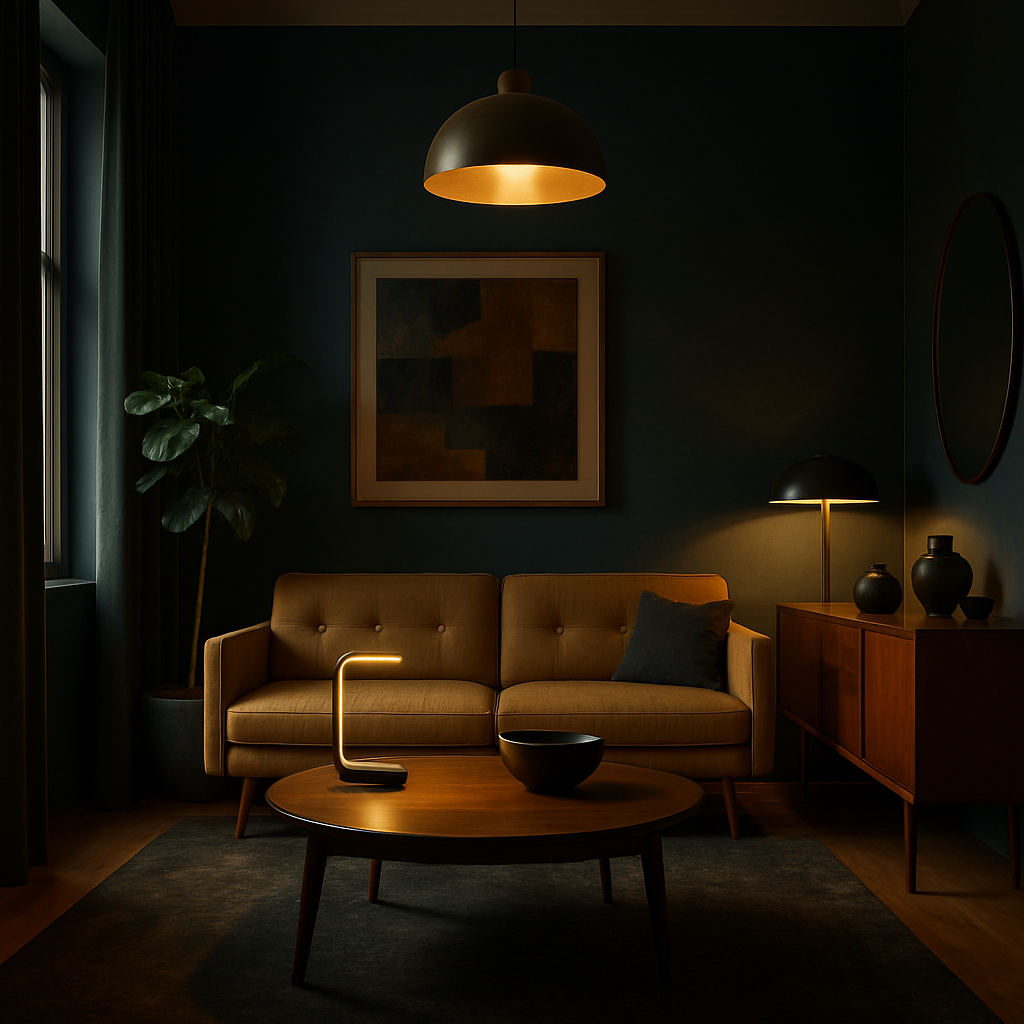
Imagine walking into a room that intuitively adapts to your mood, preferences, and even the time of day. According to industry surveys, AI-driven interior design is not just a futuristic concept; it's a growing trend with 30% of designers integrating smart technology into their projects. As the world of interior design continues to evolve, AI is becoming a pivotal tool in creating personalized, efficient, and aesthetically pleasing spaces. This article will delve into how AI is revolutionizing home aesthetics, exploring foundational concepts, the impact of data, actionable strategies, and expert insights into the future of AI in interior design.
Understanding the Foundations of AI in Interior Design
Artificial Intelligence (AI) in interior design involves using machine learning algorithms and data analytics to inform and enhance design decisions. At its core, AI can analyze user preferences, spatial layouts, and design trends to generate proposals that align with the homeowner's style and functional needs. This technology allows for a level of personalization that was previously unattainable through traditional methods. For instance, platforms like Modsy use AI to create 3D models of rooms, allowing users to visualize potential changes before making any physical modifications.
One of the most significant advantages of AI in interior design is its ability to process vast amounts of data quickly. This capability enables designers to predict trends, optimize space usage, and even suggest color palettes that resonate with the intended ambiance of a home. The American Society of Interior Designers (ASID) highlights that AI tools can reduce design planning time by up to 50%, allowing for more focus on creativity and client interaction.
Incorporating AI into interior design also supports sustainable practices. By analyzing material usage and sourcing data, AI can recommend eco-friendly materials, contributing to a more sustainable design process. This is particularly relevant as the industry moves towards biophilic design, which emphasizes natural materials and a connection to nature. As we continue, let's explore how AI's data-driven approach transforms these foundational concepts into practical applications.
The Data-Driven Impact of AI on Home Aesthetics
AI's data-driven approach allows interior designers to craft spaces that are as functional as they are beautiful. According to Houzz's annual survey, 35% of homeowners expressed a desire for more technology integration in their design projects. AI can analyze homeowner data to tailor design solutions that not only meet but exceed expectations. For example, AI can assess lighting patterns and suggest smart lighting solutions that optimize energy efficiency and ambiance.
Homeowners are increasingly interested in designs that incorporate technology seamlessly. AI facilitates this by offering solutions that integrate smart home devices with interior aesthetics. This may include automated window treatments or thermostats that adjust based on room occupancy, contributing to both comfort and energy savings. Experienced professionals often note that such integrations can enhance a home's resale value by up to 10%, as they appeal to the tech-savvy buyer.
AI's ability to predict trends is another critical asset for designers. By analyzing data from social media platforms like Instagram and Pinterest, AI can identify emerging trends and consumer preferences. This insight allows designers to stay ahead of the curve, offering clients designs that are both contemporary and timeless. As we move forward, consider how you might leverage these data-driven insights to create a home that reflects your personal style while embracing the future of design technology.
Actionable Strategies for Integrating AI into Your Home Design
Integrating AI into your home design doesn't require a complete overhaul. Start small by incorporating AI-driven tools that can provide immediate benefits. For instance, consider using smart design apps like Planner 5D, which utilize AI to generate floor plans and 3D visualizations. These tools can help you explore different design layouts and styles without committing to physical changes.
Another practical strategy is to invest in smart furnishings that adapt to your needs. Furniture companies like IKEA are developing AI-enhanced furniture that changes shape or function based on usage patterns. Imagine a sofa that transforms into a bed when it senses a need for additional sleeping space. Such innovations not only optimize space but also add a futuristic touch to your home.
Lighting is a crucial element of home aesthetics that can be enhanced with AI. Smart lighting systems like Philips Hue use AI to adjust brightness and color temperature based on time of day and user preferences. By integrating these systems, you can create dynamic lighting environments that enhance mood and function. As we delve deeper into expert insights, consider how these strategies might fit into your overall design vision.
Expert Insights on AI's Role in Future Interior Design
Industry experts from organizations like the International Interior Design Association (IIDA) predict that AI will become an integral part of the design process, offering unprecedented levels of customization and efficiency. Certified interior designers with NCIDQ (National Council for Interior Design Qualification) credentials are already leveraging AI to enhance their workflow, from concept development to installation and styling.
AI's role in predicting and shaping design trends is invaluable. By utilizing big data analytics, AI can provide insights into consumer behavior and preferences, allowing designers to anticipate and cater to future demands. This predictive capability is particularly beneficial in fast-paced markets where staying ahead of trends is crucial for success.
Furthermore, AI's potential to improve accessibility in design cannot be understated. By analyzing accessibility needs, AI can suggest modifications that make spaces more inclusive for individuals with varying abilities. This could range from optimizing spatial layouts for wheelchair access to recommending smart home devices that assist with daily tasks. As we explore additional depths, think about the broader implications of AI in fostering inclusive and efficient design solutions.
Diving Deeper into AI Applications in Interior Design
Beyond aesthetics, AI's integration into interior design offers practical benefits that enhance everyday living. For instance, AI-driven air quality monitors can assess and improve indoor environments by recommending ventilation adjustments or air purifier placements. This not only promotes health but also aligns with the growing trend towards wellness-focused design.
AI can also streamline the procurement and inventory process for designers. Platforms like Houzz Pro offer AI-powered tools that track inventory levels and suggest reorder points, ensuring that projects stay on schedule and within budget. This efficiency is crucial for large-scale projects where timing and resource management are key.
Finally, AI's ability to facilitate virtual reality (VR) and augmented reality (AR) experiences is transforming how clients interact with design concepts. These technologies allow for immersive 3D walkthroughs, providing clients with a realistic sense of space and design before construction begins. As we conclude, consider how these applications might enhance your design journey, offering both practical and creative benefits.
Final Perspectives on AI in Interior Design
The integration of AI in interior design represents a significant shift towards more personalized, efficient, and sustainable design practices. As AI continues to evolve, it will undoubtedly offer new capabilities and opportunities for designers and homeowners alike. However, the human touch remains essential in interpreting AI data and infusing personality into design choices.
Are you ready to embrace AI in your design process? Start by exploring platforms and tools that align with your design goals and budget. Whether you're enhancing a single room or planning a full-home redesign, AI offers innovative solutions that can elevate your project's outcome.
As we move towards the conclusion, reflect on how AI might reshape not only your home but also your approach to design. The future is here, and it's time to embrace the potential AI offers to revolutionize your living spaces.
Conclusion
In summary, AI interior design is revolutionizing how we approach home aesthetics, offering personalized solutions and enhancing functionality. By leveraging AI's data-driven insights and predictive capabilities, homeowners and designers can create spaces that are both beautiful and efficient. The integration of AI into interior design is not just a trend; it's a transformative force with lasting impact.
To start your journey with AI in interior design, consider exploring platforms like Houzz or engaging with certified professionals who utilize these tools. Begin by browsing portfolios on these platforms this week-even 20 minutes of research will sharpen your eye for what you want. Embrace the future of design with confidence, knowing that AI is here to support and enhance your aesthetic visions.



Comments
Post a Comment