Top 10 Interior Design Games to Ignite Your Creativity and Style
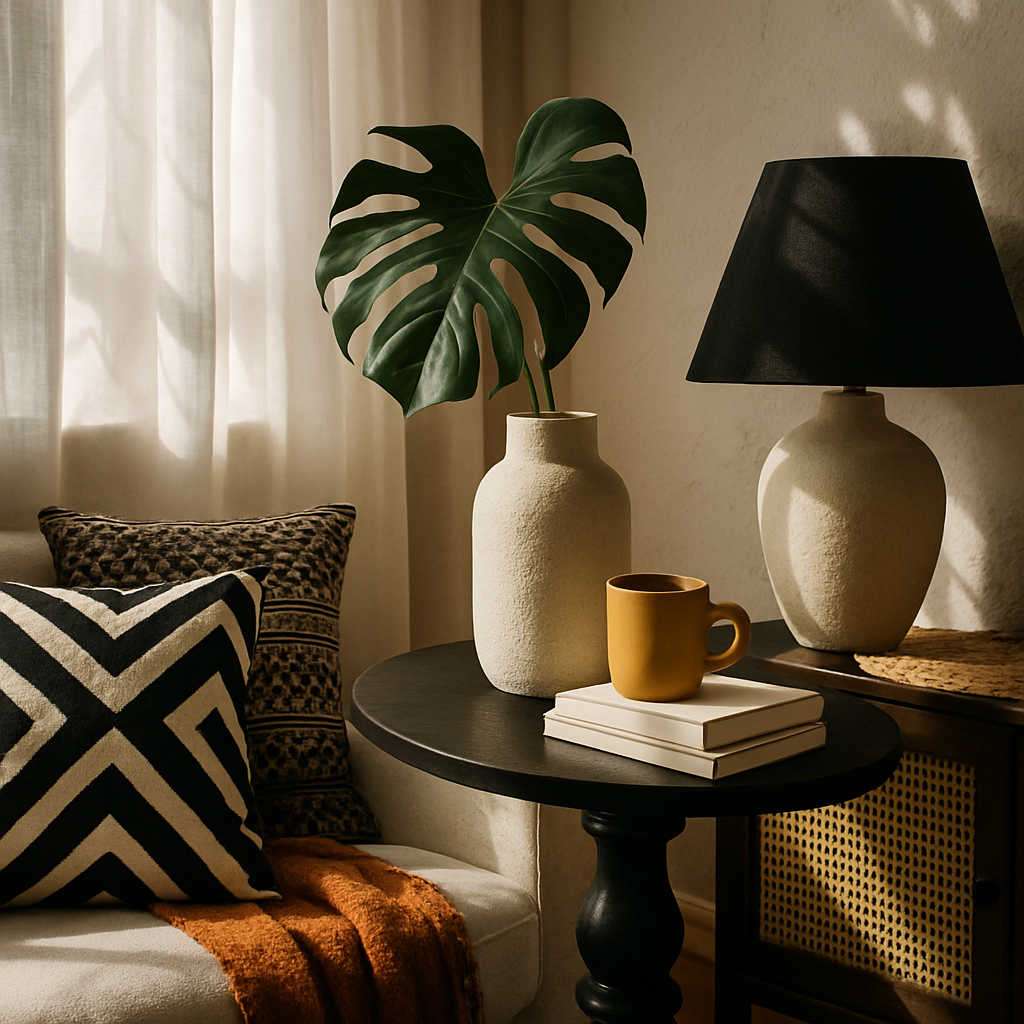
In the realm of interior design, creativity and style are paramount. But what if you could hone these skills through play? Enter the world of interior design games, where digital platforms offer a sandbox for experimentation and inspiration. According to a recent study by the American Society of Interior Designers (ASID), over 30% of design professionals use virtual tools for conceptual development. These games go beyond mere entertainment; they provide real-world applications that can transform your design approach. In this article, we'll explore ten interior design games that not only entertain but also educate, guiding you through foundational concepts, advanced strategies, and expert insights to revamp your creative process.
Understanding the Basics: Foundational Concepts in Design Games
Before diving into the top picks, it's crucial to understand what makes interior design games an effective tool for learning and creativity. These games simulate real-life design scenarios, allowing users to experiment with layouts, color schemes, and furniture placements without the high stakes of actual projects. For beginners, this can be a valuable way to grasp basic interior design principles. For instance, games like "Design Home" provide a virtual space to apply color theory and balance, crucial elements in creating harmonious environments.
Furthermore, these games often include a variety of design styles, from mid-century modern to bohemian, offering a comprehensive palette for users to explore. Such diversity is essential for developing a well-rounded design sense. The International Interior Design Association (IIDA) emphasizes the importance of understanding multiple design styles to cater to diverse client needs. By engaging with these games, players can broaden their stylistic repertoire and become more versatile designers.
Moreover, many interior design games incorporate educational elements, such as tips and quizzes, to reinforce learning. This interactive approach mirrors the hands-on experience that is vital in the design industry. As you navigate through different levels and challenges, you'll find yourself applying theoretical knowledge in practical settings, enhancing both your confidence and competence in design.
Exploring the Depth: Deeper Analysis with Data
Beyond the basics, interior design games offer a deeper dive into the analytical side of design. According to Houzz's annual survey, digital platforms are increasingly influencing homeowner decisions, with 45% of users reporting that virtual design tools helped them finalize their renovation plans. This trend highlights the growing role of digital simulations in the decision-making process. Games like "Home Design 3D" allow players to construct detailed floor plans and visualize spatial relationships, a critical skill in both residential and commercial projects.
Data-driven insights are another layer these games introduce. For instance, "The Sims" series, long celebrated for its life simulation capabilities, includes comprehensive design features that allow players to manipulate lighting, textures, and even acoustics. These elements are not just for aesthetics; they provide practical lessons on how environmental factors can influence mood and functionality in a space. Experienced professionals often note that understanding these nuances can significantly impact the success of a design project.
Furthermore, the competitive aspect of some games, where users vote on each other's designs, offers real-time feedback that can mimic client interactions. This peer review system helps players develop critical thinking skills and adaptability, as they learn to incorporate constructive criticism and improve their designs. Such skills are invaluable in the fast-paced world of interior design, where feedback and revisions are part of the daily routine.
Actionable Strategies: Applying Game Insights to Real Projects
While the virtual realm provides a safe space for experimentation, the insights gained from interior design games can be applied to real-world projects. One powerful strategy is using these games to visualize potential redesigns before committing to physical changes. Tools like "Roomstyler 3D Home Planner" enable users to upload photos of their homes and apply virtual changes, offering a preview of potential outcomes. This pre-visualization can save time and resources, allowing for more informed decision-making.
Additionally, these games can serve as a collaborative tool for discussing ideas with clients or family members. By sharing designs created in games, you can better communicate your vision and gather input, ensuring that everyone is aligned before moving forward with a project. This strategy aligns with the concept development phase that many designers, including those certified by the NCIDQ (National Council for Interior Design Qualification), consider essential for successful project execution.
Finally, interior design games can be a valuable resource for budget planning. Many games simulate real-world pricing, helping players understand the costs associated with different materials and furnishings. By experimenting with various options, you can identify cost-effective solutions that achieve your desired aesthetic without compromising on quality. This financial foresight is crucial, especially when managing projects with tight budgets.
Expert-Level Detail: Enhancing Creativity and Style
For those already well-versed in design, interior design games offer opportunities to refine and innovate. Advanced players can use these platforms to explore cutting-edge trends like biophilic design and smart home integration. Games such as "Design Home" frequently update their offerings to include the latest styles, allowing users to stay ahead of industry trends. This continuous exposure is beneficial for maintaining a competitive edge in the design field.
Moreover, these games can act as a testing ground for unconventional ideas. By pushing the boundaries of traditional design, players can discover new combinations and techniques that might not have been considered in a conventional setting. This innovative thinking is what sets apart visionary designers from their peers, as it leads to unique and personalized spaces that resonate with clients.
Experienced designers often use these games to enhance their portfolios. By creating a diverse array of virtual projects, designers can showcase their versatility and creativity to potential clients or employers. Platforms like Houzz and Instagram provide avenues to share these virtual creations, garnering feedback and expanding professional networks. This digital presence is increasingly important in an era where online portfolios are a significant factor in hiring decisions.
Additional Depth: Leveraging Games for Professional Growth
Interior design games are not just for personal enrichment; they can also aid in professional development. For aspiring designers, these games offer a glimpse into the workflow of seasoned professionals. By simulating the stages of a project- from initial concept development to final styling-players gain insights into the comprehensive process of design. This understanding is crucial for those aiming to pursue formal education or certification, such as the NCIDQ, which requires a deep knowledge of design principles and practices.
Furthermore, these games often incorporate elements of project management, such as timelines and budgets, providing a holistic view of what it takes to bring a design to life. This practical knowledge is invaluable for those entering the industry, as it equips them with the skills needed to manage complex projects successfully. As the Architectural Digest's AD PRO network frequently highlights, project management is a key component of a designer's role.
Networking is another professional benefit of engaging with interior design games. Many platforms host online communities where players can connect, share ideas, and collaborate on projects. These interactions can lead to valuable industry connections and mentorship opportunities. For those looking to expand their professional circles, participating in these communities can be a strategic move.
Final Perspectives: The Future of Interior Design Games
As technology continues to evolve, so too will the capabilities and applications of interior design games. The integration of augmented reality (AR) and virtual reality (VR) is set to revolutionize the way we approach design, offering immersive experiences that bridge the gap between virtual and physical spaces. These advancements will provide even greater opportunities for creativity and experimentation, making design more accessible and interactive than ever before.
The potential for these games to impact the industry is significant. By democratizing design, they empower users of all skill levels to engage with and transform their environments. This accessibility is particularly important in a world where personalized, thoughtful design is increasingly valued. As more people discover the benefits of these tools, we can expect to see a shift towards more informed and intentional design practices.
Looking ahead, the role of interior design games will undoubtedly expand, offering new ways to learn, create, and connect. Whether you're a novice or an expert, these games provide a platform to explore and redefine your style, pushing the boundaries of what's possible in design.
Conclusion: Embarking on Your Interior Design Journey
In summary, interior design games are a powerful tool for igniting creativity and refining style. From foundational concepts to advanced strategies, these games offer valuable insights and experiences that can enhance both personal and professional growth. As you explore these platforms, consider how they can inform and inspire your real-world projects. Are you ready to take your design skills to the next level?
Start by experimenting with one or two of the games mentioned, such as "Design Home" or "Home Design 3D." Spend some time exploring different styles and techniques, and don't hesitate to share your creations with others for feedback. By actively engaging with these games, you'll not only expand your creative horizons but also develop the skills needed to succeed in the ever-evolving world of interior design. Begin your journey today by downloading a game and immersing yourself in the world of virtual design-your future projects will thank you.



Comments
Post a Comment