10 Essential Meditation Tips to Create a Serene Home Environment
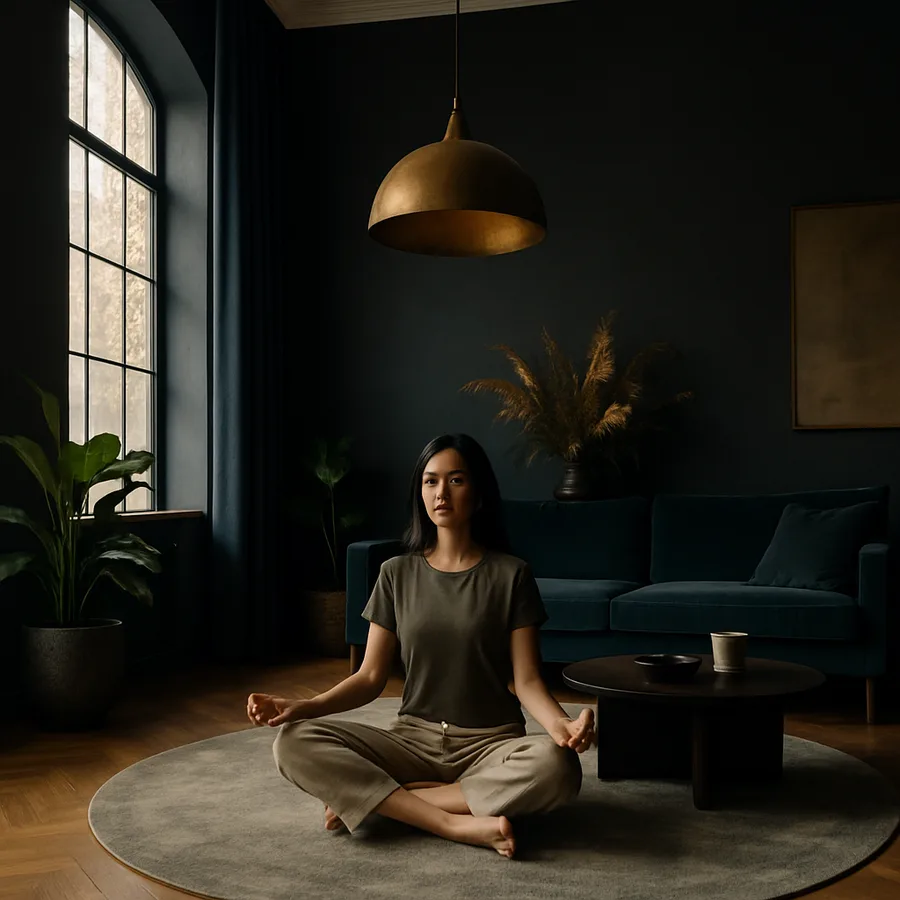
The connection between your physical environment and your mental state is not merely philosophical speculation. It is a well-documented scientific reality that the interior design profession has embraced wholeheartedly. The American Society of Interior Designers (ASID) has published extensive research demonstrating that thoughtfully designed spaces reduce cortisol levels, lower blood pressure, and improve cognitive clarity, the very same outcomes that regular meditation practice delivers. When meditation principles are woven into your home's interior design, every room becomes a passive support system for mental wellness, reinforcing calm and focus even when you are not actively sitting on a cushion. This convergence of contemplative practice and environmental design creates a home that does not just shelter you but actively heals you.
Embracing Minimalism as a Meditative Foundation
The first and most foundational meditation tip for your home environment is to embrace the principle that less is genuinely more. Clutter is not merely a visual nuisance; it is a cognitive burden that forces your brain to process unnecessary stimuli continuously, draining mental energy and elevating stress hormones even below the threshold of conscious awareness. Research published in the Journal of Personality and Social Psychology found that individuals living in cluttered environments showed higher levels of cortisol throughout the day compared to those in organized, minimalist spaces. The International Interior Design Association (IIDA) has incorporated these findings into its wellness design guidelines, recommending that residential interiors prioritize clear surfaces, concealed storage, and intentional object placement to support occupant mental health.
Minimalism in the context of meditative interior design does not mean stripping your home to a sterile void. It means curating your possessions so that every visible object serves either a clear functional purpose or brings genuine joy and meaning. This curation process itself can be a meditative practice, requiring you to examine your relationship with your belongings, confront attachment to objects that no longer serve you, and make conscious choices about what earns a place in your environment. The ASID encourages homeowners to approach decluttering room by room, beginning with the spaces where they spend the most time, and to create designated homes for every remaining item so that tidying becomes effortless rather than a perpetual chore.
How many objects in your current living space truly contribute to your well-being? Take a moment to scan the room you are in right now and notice which items draw your eye and which fade into visual background noise. The items that catch your attention are either serving their intended purpose or creating a distraction that your brain must continually filter. The NCIDQ curriculum addresses visual complexity in interior environments, teaching designers to balance visual interest with visual rest, creating spaces that engage the eye without overwhelming it. Applying this same principle at home means editing your displays, reducing countertop items to a curated few, and allowing your most meaningful possessions to breathe against clean, uncluttered backgrounds that amplify rather than dilute their impact.
Harnessing Natural Light for Inner Calm
Natural light is one of the most powerful tools available for creating a meditative home environment, influencing circadian rhythms, mood regulation, serotonin production, and overall psychological well-being. Spaces flooded with natural daylight feel inherently more serene than those dependent on artificial illumination, and studies consistently show that access to natural light reduces symptoms of anxiety and depression. The IIDA's wellness design resources emphasize the importance of maximizing daylight penetration in residential spaces, recommending sheer window treatments that maintain privacy while allowing sunlight to filter through, and cautioning against heavy drapes or blinds that block this essential resource during daytime hours.
The quality of natural light changes throughout the day, and designing your home to capitalize on these changes creates a dynamic environment that subtly supports your body's natural rhythms. East-facing rooms receive gentle morning light that energizes without overwhelming, making them ideal for morning meditation or breakfast nooks. West-facing rooms capture the warm golden tones of afternoon and evening light, creating a naturally calming atmosphere suited to relaxation and reflection. Houzz design articles frequently explore the relationship between room orientation and function, advising homeowners to align their most contemplative activities with the rooms that receive the most appropriate natural light for those activities.
When natural light is insufficient, your artificial lighting strategy should mimic its qualities as closely as possible. The ASID recommends using bulbs with a color temperature between 2700K and 3000K for living spaces and meditation areas, as this warm range closely approximates the golden tones of natural daylight during the most psychologically comfortable hours. Avoid cool white or daylight-temperature bulbs in spaces intended for relaxation, as their bluish cast activates alertness responses that counteract the calm you are trying to cultivate. Dimmer switches are an inexpensive but transformative addition that allows you to adjust light intensity to match your mood and activity, transitioning seamlessly from productive brightness during active hours to soft, candle-like warmth during evening meditation and wind-down routines.
Color Psychology for Peaceful Spaces
The colors you surround yourself with have a direct and measurable impact on your nervous system, and choosing a palette that supports meditation and calm is one of the most impactful design decisions you can make. Cool blues and greens are consistently associated with feelings of tranquility, openness, and emotional balance in color psychology research, making them natural choices for meditation spaces and bedrooms. According to a study conducted by Travelodge and referenced by the ASID, occupants of blue bedrooms reported an average of nearly 8 hours of sleep per night, significantly more than those sleeping in rooms of any other color. This physiological response to color is hardwired, not learned, which means it operates beneath conscious awareness, continuously shaping your emotional state as you move through your home.
Neutral tones, including warm whites, soft taupes, gentle grays, and natural wood tones, provide the visual rest that a meditative environment requires. These colors recede rather than advance, allowing your mind to relax rather than react, which is precisely the state that meditation seeks to cultivate. The NCIDQ examination includes substantial content on the psychophysiological effects of color in built environments, recognizing that color selection is not merely aesthetic but has measurable health implications. For meditation spaces specifically, the IIDA recommends earth-inspired palettes drawn from natural landscapes, stones, sand, clay, and foliage, as these tones connect occupants to the natural world and evoke the instinctive calm associated with nature immersion.
What emotions does your current color palette evoke when you pause and notice? Walk through your home with fresh awareness, observing your physiological and emotional responses to each room's colors. Rooms where you feel tense, overstimulated, or unsettled may benefit from a color adjustment, even if the existing color is one you intellectually enjoy. The disconnect between aesthetic preference and physiological response is more common than most people realize, and acknowledging it opens the door to color choices that serve your well-being rather than just your taste. Houzz community discussions frequently feature homeowners sharing their surprise at how dramatically a simple color change transformed not just the look of a room but how they felt spending time in it.
Sound Design and Acoustic Comfort
Sound is the invisible dimension of interior design that profoundly affects your ability to achieve and maintain a meditative state, yet it receives far less attention than visual elements in most residential design conversations. Hard surfaces like uncovered floors, bare walls, and large windows reflect sound waves, creating echo and reverberation that produce a subconsciously unsettling acoustic environment. The ASID's guidance on residential acoustics recommends incorporating sound-absorbing materials throughout the home, including area rugs, upholstered furniture, heavy curtains, and acoustic-rated wall panels, to create the soft, enveloping soundscape that supports relaxation and focus.
White noise and nature sounds have been shown to reduce perceived stress levels by up to 37 percent compared to silence or urban noise, according to research published in the Journal of the Acoustical Society of America. Incorporating a small tabletop water feature into your meditation space provides continuous, gentle sound masking that covers intermittent household noises and creates a consistent auditory backdrop conducive to deep focus. The IIDA includes acoustic comfort as a core component of its wellness design framework, acknowledging that sound quality affects concentration, sleep quality, and interpersonal communication in residential settings. Even in homes where structural sound insulation is impractical, strategic placement of soft furnishings and sound-generating elements can dramatically improve the acoustic character of meditation spaces.
Designating quiet zones within your home supports not only meditation but also the broader goal of mental decompression after demanding days. These zones do not require dedicated rooms; a corner of a bedroom, a window seat, or even a closet converted into a meditation nook can serve the purpose if it is acoustically insulated from the home's active areas. Houzz features numerous creative examples of meditation spaces carved from underutilized areas, demonstrating that spatial limitations need not prevent you from creating an acoustically peaceful retreat. The investment in acoustic comfort, whether through a plush area rug, floor-to-ceiling curtains, or a simple sound machine, yields returns in sleep quality, stress reduction, and meditation depth that far exceed the modest costs involved.
Biophilic Design: Bringing Nature Indoors
Biophilic design, the practice of incorporating natural elements into built environments, is one of the most evidence-supported strategies for creating spaces that support meditation and mental wellness. Humans evolved in natural environments, and our nervous systems remain calibrated to respond positively to natural stimuli including living plants, natural materials, water features, and views of greenery. The NCIDQ recognizes biophilic design as a growing area of professional practice, and the ASID has published position papers advocating for its integration into residential design standards. Studies conducted at the University of Exeter demonstrated that workers in environments with natural elements reported 15 percent higher well-being than those in stark, nature-free spaces, and the same principles apply with equal force to residential interiors.
Indoor plants are the most accessible expression of biophilic design, providing visual beauty, improved air quality, and the soothing presence of living things within your home. Species selection should account for the light conditions, humidity levels, and maintenance commitment appropriate for each room, as struggling or dying plants create the opposite of the calming effect you intend. The IIDA recommends low-maintenance varieties like pothos, snake plants, and ZZ plants for homeowners new to indoor gardening, as these species tolerate a range of conditions and remain attractive with minimal intervention. Grouping plants in odd-numbered clusters at varying heights creates a more natural, forest-inspired arrangement than solitary pots distributed evenly around a room.
Beyond living plants, natural materials like wood, stone, linen, cotton, wool, and clay connect your interior to the organic textures of the outdoor world. A raw-edge wooden shelf, a stone bowl holding meditation beads, or linen curtains filtering afternoon light all contribute to a biophilic aesthetic that quiets the mind and grounds the body. Houzz trend reports consistently identify natural materials as among the most enduring and broadly appealing design elements, transcending stylistic categories from modern to traditional. The tactile quality of natural materials also supports mindfulness practice by engaging your sense of touch, a grounding mechanism that meditation teachers frequently recommend for managing anxiety and maintaining present-moment awareness.
Creating a Dedicated Meditation Space
While every room in your home can embody meditative design principles, having at least one dedicated meditation space, however small, provides a physical anchor for your practice that strengthens consistency and deepens your experience over time. The ASID's guidelines for wellness spaces recommend that dedicated meditation areas incorporate all of the elements discussed throughout this article: minimal visual clutter, optimized natural light, calming colors, acoustic comfort, and biophilic touches. The space need not be large; a three-by-three-foot area is sufficient for a seated meditation practice, and many practitioners find that a defined, intimate space actually enhances their ability to turn inward by reducing spatial distractions.
The objects you place in your meditation space should support your practice without creating visual complexity. A comfortable cushion or meditation bench, a small side table for a candle or timer, and perhaps a single meaningful object like a small sculpture, a photograph, or a natural stone are sufficient to create an environment that feels intentional and sacred without cluttered or distracting. The IIDA's approach to wellness space design emphasizes that every element in a contemplative environment should earn its place through direct contribution to the space's intended purpose, and anything that does not serve that purpose should be removed regardless of its aesthetic appeal.
Do you have a corner in your home that could become your personal sanctuary? Look for spaces that are naturally quiet, receive gentle light, and are somewhat separated from the main traffic flow of your home. Under a staircase, beside a bedroom window, in an unused closet, or in the corner of a guest room are all viable locations that Houzz users have transformed into beautiful, functional meditation retreats. The act of designating and preparing this space is itself a meditative practice, requiring you to make intentional choices about what to include, what to exclude, and how to arrange the elements in a way that serves your inner journey. Once established, this space becomes a visual and spatial cue that tells your mind it is time to shift from doing mode into being mode.
Conclusion: Your Home as a Meditation Teacher
When meditation principles are thoughtfully integrated into your home's interior design, your entire living environment becomes an extension of your practice. Every room supports calm, every material invites mindfulness, and every color choice serves your psychological well-being. The guidance offered by the ASID, IIDA, NCIDQ, and design platforms like Houzz provides a professional foundation for these choices, ensuring that your meditative home environment is grounded in evidence as well as intuition. The ten tips explored in this guide, from embracing minimalism and harnessing natural light to creating a dedicated meditation space, form a comprehensive framework for transforming your home into a sanctuary that heals, restores, and inspires.
The beauty of meditative interior design is that it does not require a complete renovation or a substantial budget. Many of the most impactful changes, decluttering, adjusting lighting color temperature, adding a few plants, repositioning furniture to improve flow, cost little or nothing yet produce profound shifts in how your home feels and how you feel within it. What single change could you make today to bring more peace into your living space? Start with the room where you begin your day, and let the calm you create there ripple outward through every hour that follows.
Commit to one meditative design change this week. Choose the tip from this guide that resonates most strongly with your current situation, whether it is clearing a surface, adding a plant, or setting aside a small corner for quiet reflection. Notice how even this single change affects your mood, your stress levels, and your willingness to engage in contemplative practice. Let your home become your most consistent meditation teacher, silently reminding you with every surface, texture, and shadow that peace is not somewhere you go but something you create in the space where you already are.
More Articles You May Like



Comments
Post a Comment