The Fusion of Technology and Architecture: Redefining Interior Aesthetics
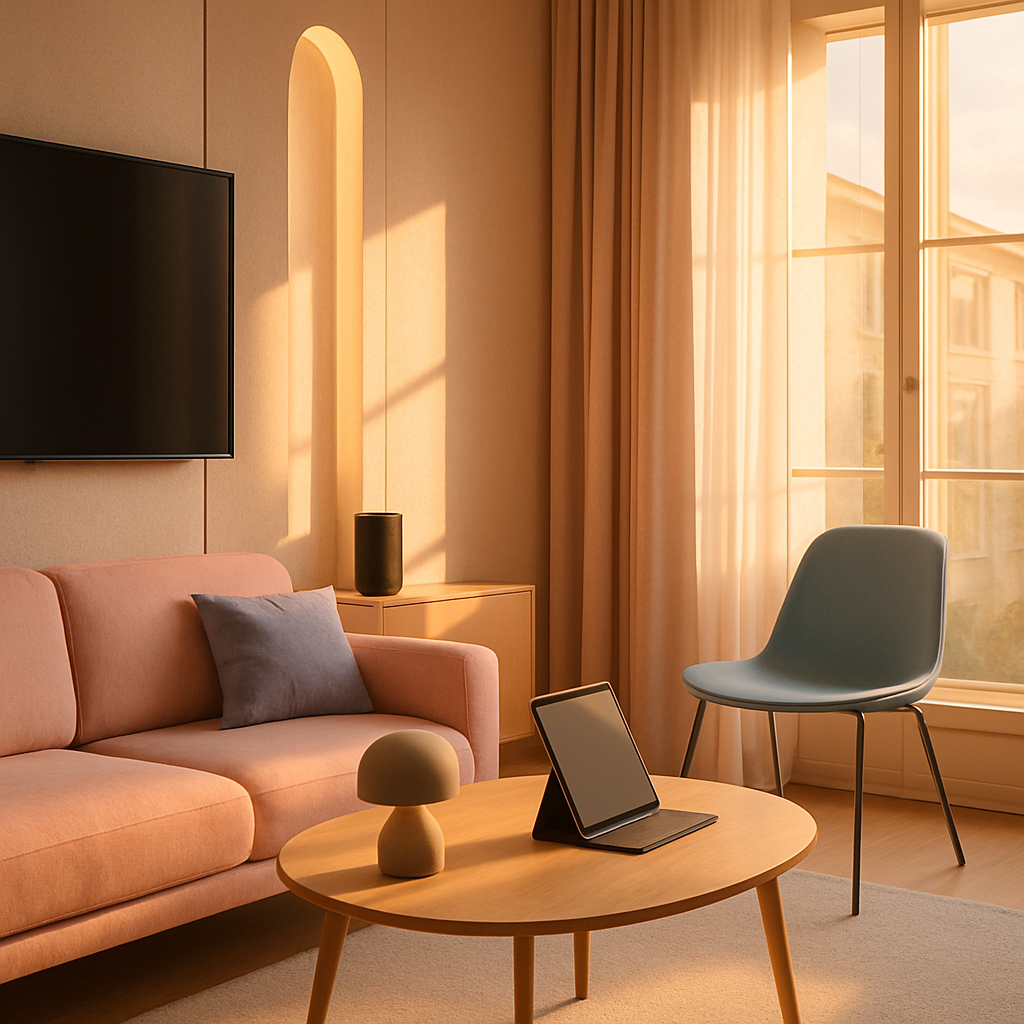
Imagine walking into a home where the lighting adjusts automatically as you move from room to room, the artwork on the walls changes with your mood, and your living space seamlessly integrates with the latest technology. This is not a futuristic dream but a reality taking shape today. As the lines between technology and architecture blur, interior aesthetics are being redefined in ways that were inconceivable just a few years ago. This article will explore how technology is reshaping interior design, discuss the latest trends, and provide actionable strategies for incorporating tech into your own home. We'll also delve into expert insights from leading industry organizations like the American Society of Interior Designers (ASID) and the International Interior Design Association (IIDA) to ensure you're at the forefront of this exciting evolution.
The Foundation of Technological Integration in Design
The fusion of technology and architecture begins with understanding the foundational concepts that drive this transformation. At the heart of this movement is the desire for a more personalized and efficient living environment. Technologies such as smart home systems have become integral, allowing homeowners to control lighting, climate, and security from their smartphones. According to a report by Houzz, over 40% of homeowners are now integrating smart technology into their renovations, highlighting a significant trend towards smarter living spaces.
Smart lighting systems are a prime example of this integration, providing both convenience and energy efficiency. These systems can be programmed to adjust based on the time of day, occupancy, or even weather conditions. Imagine never having to fumble for a light switch again-automated systems handle it all for you. This not only enhances convenience but also contributes to energy savings, a critical consideration in today's environmentally conscious society.
Beyond convenience and efficiency, technology offers new methods of expression in interior design. Augmented reality (AR) and virtual reality (VR) tools allow designers and homeowners to visualize spaces in three dimensions before a single nail is hammered. This capability transforms how decisions are made, providing a clearer picture of how changes will impact the overall aesthetic. As we transition into the next section, consider how you might incorporate some of these technologies into your own design projects.
Analyzing the Impact of Technology on Interior Design
Delving deeper, the impact of technology on interior design is multifaceted. A significant aspect is the shift towards biophilic design, which integrates natural elements with advanced technology. This trend not only enhances aesthetic appeal but also promotes well-being by connecting inhabitants with nature. Industry surveys suggest that incorporating natural materials and living walls can improve indoor air quality and reduce stress, offering a compelling case for this approach.
Another influential trend is the rise of smart furniture. These innovative pieces often include built-in charging ports, speakers, and even heating elements. With the advent of Internet of Things (IoT), furniture can now interact with other smart devices, creating a cohesive and interconnected environment. Data from the IIDA indicates that homes with integrated smart furniture see higher levels of user satisfaction due to the enhanced functionality these pieces provide.
Finally, sustainable design has gained prominence, with technology playing a crucial role. Reclaimed materials, energy-efficient appliances, and eco-friendly building practices are now standard considerations in high-end design projects. According to Architectural Digest's AD PRO network, sustainable choices are no longer optional but expected, as consumers become increasingly aware of their environmental impact. As you explore these trends, think about how sustainability can intersect with technology in your next renovation.
Strategies for Incorporating Technology into Your Home
Incorporating technology into your home requires strategic planning and thoughtful execution. One of the first steps is identifying your primary goals-whether it's enhancing convenience, improving energy efficiency, or elevating your home's aesthetic. Start by mapping out how you use each room. Where do you spend the most time? What activities do you perform in each space? This will guide you in selecting the right technology solutions.
Once you've identified your goals, consider investing in a comprehensive smart home system. Platforms like Google's Nest or Amazon's Alexa offer a range of devices that can be seamlessly integrated into your living space. These systems not only provide convenience but also allow you to monitor energy usage and optimize your home's efficiency. Experienced professionals often note that starting small and scaling up as you become more comfortable with the technology can be a practical approach.
Finally, don't overlook the importance of aesthetics. Choose technology that complements your home's design. For example, opt for sleek, minimalistic devices that blend with your existing decor. Many tech companies now offer customizable options, allowing you to select finishes and colors that resonate with your style. As we move forward, let's explore the expert insights that can further inform your decisions.
Expert Insights on Technology-Driven Design
To gain a deeper understanding of technology-driven design, it's valuable to turn to industry experts. The National Council for Interior Design Qualification (NCIDQ) is a gold-standard credential for interior designers, ensuring that they possess the necessary skills to incorporate technology effectively. Certified designers can provide guidance on selecting the right technologies and integrating them seamlessly into your home.
According to ASID research, homes that incorporate technology not only see higher resale values but also increase occupant satisfaction. This is particularly evident in the use of smart home security systems, which offer peace of mind and add a layer of sophistication to any property. By engaging with certified professionals, you can leverage their expertise to maximize your home's potential.
Furthermore, the IIDA emphasizes the importance of continuous learning. As technology evolves, so do the possibilities for its application in interior design. Many designers are now participating in workshops and courses to stay abreast of the latest advancements. If you're planning a renovation, consulting with an NCIDQ-certified designer could provide the expert guidance you need to navigate this rapidly changing landscape. In the next section, we'll add even more depth to our understanding.
Exploring Additional Dimensions of Technological Integration
Beyond the obvious benefits, the integration of technology into interior design offers unexpected advantages. One such advantage is the ability to create adaptable spaces. Smart walls and modular furniture allow rooms to transform based on the user's needs, providing flexibility in how spaces are utilized. This adaptability is particularly beneficial in urban environments where space is at a premium.
Moreover, technology facilitates the creation of immersive environments. Advanced lighting systems can simulate natural light, creating a more harmonious living experience. This is especially important in regions with limited daylight hours. Industry experts often suggest incorporating circadian lighting systems, which adjust throughout the day to mimic the natural progression of sunlight, promoting better sleep and overall well-being.
Finally, the role of technology in enhancing accessibility cannot be overlooked. Smart home devices can be programmed to assist those with mobility challenges, offering voice-activated controls and automated systems that make daily tasks easier. This inclusivity is a testament to the transformative power of technology in design. As we wrap up, consider how these additional dimensions might influence your own design projects.
Final Perspectives on the Future of Design
As we look toward the future, the fusion of technology and architecture promises to continue reshaping the landscape of interior design. Emerging technologies such as artificial intelligence and machine learning are set to further personalize the home experience, predicting and responding to user preferences with unprecedented precision. How might these advancements change the way you interact with your home?
Moreover, the focus on sustainability will likely intensify, with technology playing a pivotal role in reducing energy consumption and minimizing waste. Designers who embrace these innovations will not only lead the industry but also contribute to a more sustainable future. The question remains: how can you be a part of this movement?
Conclusion
The fusion of technology and architecture is indeed redefining interior aesthetics, offering opportunities for enhanced functionality, efficiency, and personalization in our living spaces. By integrating smart technologies, sustainable materials, and expert insights, you can create a home that is not only beautiful but also deeply aligned with your lifestyle. Start by exploring designer portfolios on platforms like Houzz or consulting with NCIDQ-certified professionals to kickstart your journey. Even dedicating a short amount of time each week to research can significantly influence the success of your project. So why wait? Begin today and transform your home into a space that truly reflects the future of design.



Comments
Post a Comment