10 Innovative Tips from Interior Design Dr Homey for a Cozy Home Makeover
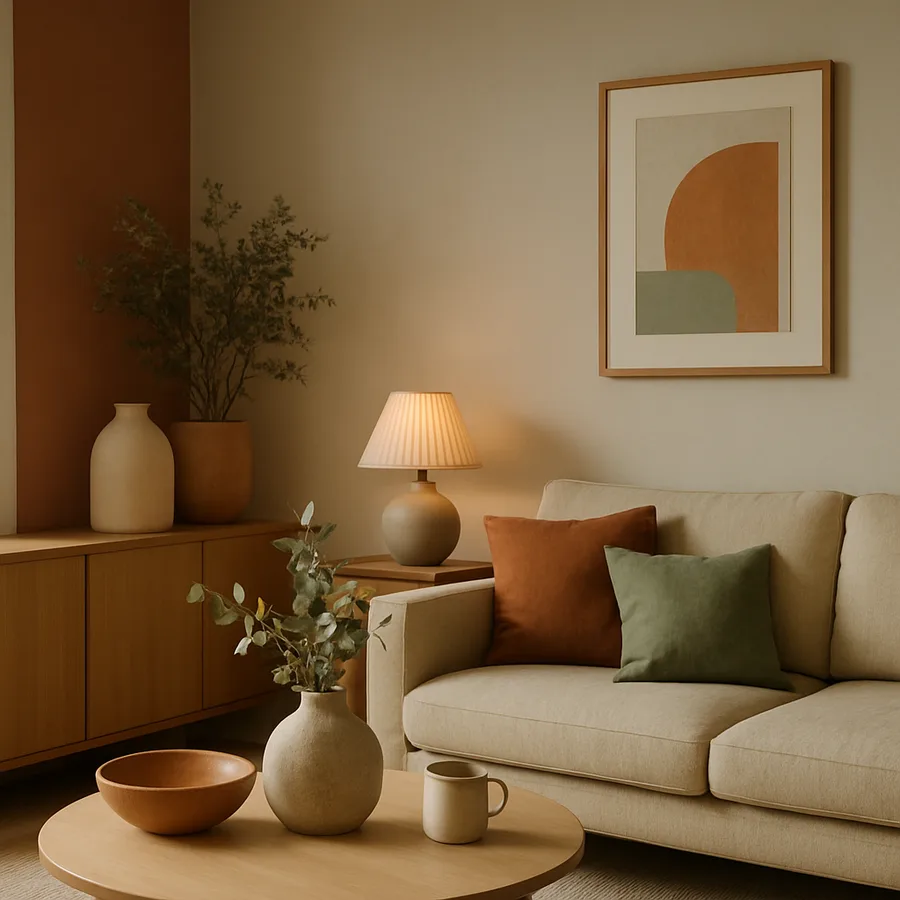
Coziness is not an accident. It is the result of deliberate design choices that work together to create an atmosphere of warmth, intimacy, and belonging. Interior Design Dr Homey has spent years studying what makes certain spaces feel immediately welcoming while others, despite being expensively furnished, leave visitors feeling cold and disconnected. The ten tips that follow represent Dr. Homey s most effective strategies for transforming any home into a cozy retreat. Each tip addresses a different dimension of the cozy equation, and together they form a comprehensive blueprint for a home that wraps you in comfort the moment you walk through the door.
Tips One and Two: Warm Your Palette and Layer Your Lighting
Color temperature is the foundation of coziness, and Dr. Homey recommends shifting your palette toward warm undertones as the single most impactful change you can make. This does not mean painting every wall in reds and oranges. It means selecting whites that lean toward cream rather than blue, grays that carry a taupe undertone rather than a steel one, and accent colors drawn from the warm side of the spectrum: terracotta, amber, sage, and warm blush. The American Society of Interior Designers (ASID) has published findings showing that rooms decorated in warm-toned palettes are consistently rated as more inviting and comfortable by occupants, regardless of the specific colors chosen. Dr. Homey applies this principle with nuance, ensuring that warmth is present as an undertone throughout the space rather than concentrated in a few obvious accent pieces.
The second tip builds directly on the first: layer your lighting to create pools of warm illumination rather than relying on a single overhead source. Overhead lighting, especially the cool-toned fluorescent or LED fixtures found in many homes, is the enemy of coziness. It flattens shadows, washes out warm colors, and creates an institutional atmosphere that no amount of soft furnishing can overcome. Dr. Homey replaces overhead lighting with a combination of table lamps, floor lamps, and wall sconces positioned at varying heights throughout the room. Each light source creates its own pool of warmth, and together they produce the dimensional, flickering quality of illumination that the brain associates with comfort and safety.
Candlelight deserves special mention as a coziness amplifier that no electric light can fully replicate. The warm, fluctuating glow of candle flames activates a deep, ancestral sense of shelter and gathering that is hardwired into human psychology. Dr. Homey recommends incorporating candles in every room where relaxation is the primary activity, grouping them in clusters of three or five for maximum visual impact. The International Interior Design Association (IIDA) has noted the resurgence of candle usage in residential design as part of a broader movement toward sensory richness and analog experiences in the home. Even if you prefer flameless alternatives for safety reasons, choosing warm-toned LED candles with a realistic flicker effect captures much of the same atmospheric benefit.
Dimmer switches transform static lighting into a responsive system that adapts to your mood, the time of day, and the activity at hand. Dr. Homey considers dimmers essential in every room where coziness is a priority, particularly bedrooms, living rooms, and dining areas. The ability to lower light levels as evening progresses mirrors the natural dimming of daylight and supports healthy circadian rhythms. Research from the Lighting Research Center at Rensselaer Polytechnic Institute confirms that exposure to lower light levels in the evening hours promotes melatonin production and improves sleep quality. Installing dimmers is an inexpensive upgrade that pays dividends in both coziness and well-being every single evening.
Tips Three and Four: Embrace Texture and Scale Down Your Furniture
Texture is the element that separates a room that looks cozy in photographs from one that feels cozy in person. Dr. Homey approaches texture with the same intentionality that a chef applies to seasoning: too little and the result is bland, too much and it becomes overwhelming, but the right balance produces something deeply satisfying. The key textures for coziness are those that invite touch: chunky knit throws, velvet cushions, sheepskin rugs, brushed cotton bedding, and woven baskets. These materials share a common quality of softness and visual warmth that signals comfort to both the eyes and the hands.
Layering textures creates depth and richness that no single material can achieve alone. Dr. Homey recommends building texture from the ground up, starting with a soft area rug on a hard floor, adding upholstered seating with varied fabric choices, draping throws over sofa arms and chair backs, and finishing with cushions in at least three different fabrics. A survey published by Houzz found that 67 percent of homeowners who described their homes as cozy attributed the feeling primarily to textiles rather than to furniture, paint, or lighting. This finding validates Dr. Homey s emphasis on soft furnishings as the most accessible and affordable pathway to a cozier home.
Scaling down furniture creates intimacy, which is the spatial dimension of coziness. Oversized furniture in a modest room does not make the room feel grander; it makes it feel cramped and uncomfortable. Dr. Homey advocates for furniture that fits the room proportionally, leaving enough space for easy movement but not so much that the room feels sparse and impersonal. In particular, seating should be arranged in close groupings that encourage quiet conversation rather than spread across the room at distances that require raised voices. The National Council for Interior Design Qualification (NCIDQ) identifies appropriate scale as one of the fundamental competencies tested in professional examinations, underscoring its importance in creating spaces that feel right.
Low-profile furniture contributes to coziness by bringing the visual center of gravity closer to the ground, which the brain interprets as stable, grounded, and secure. Dr. Homey recommends low sofas, platform beds, floor cushions, and coffee tables that sit closer to the ground in spaces where coziness is the primary goal. This principle is drawn from Japanese and Scandinavian design traditions, both of which have long recognized that lower sight lines create a sense of enclosure and protection. Combined with warm lighting and rich textures, low-profile furniture transforms a room from a space you pass through into one you want to sink into and stay.
Tips Five and Six: Create Nooks and Incorporate Natural Elements
Nooks and alcoves are architectural expressions of coziness that Dr. Homey creates even in homes that lack them structurally. A corner defined by two tall bookshelves and furnished with a deep armchair becomes a reading nook. A window seat with built-in storage and topped with cushions becomes a daydreaming retreat. A section of hallway widened by removing unnecessary furniture and fitted with a narrow bench becomes a decompression zone where you pause between the outside world and the inner sanctuary of home. Dr. Homey calls these carved spaces, and they demonstrate that coziness is often a matter of subdivision rather than expansion.
The psychology behind nooks is rooted in the concept of prospect and refuge, a theory developed by geographer Jay Appleton that explains human preference for spaces offering both a view outward and a sense of enclosure from behind. A window seat with a view of the garden satisfies prospect, while the surrounding walls and overhead soffit provide refuge. Dr. Homey designs nooks to optimize this balance, ensuring that each one offers a line of sight to the broader room or to an outdoor view while also providing enough enclosure to feel protected and private. This combination produces a powerful sense of comfort that open, exposed seating arrangements cannot match.
Natural elements are the sixth tip and one of Dr. Homey s most consistent recommendations for enhancing coziness. Wood, stone, wool, cotton, linen, leather, clay, and living plants all carry an organic warmth that synthetic materials struggle to replicate. Dr. Homey attributes this to biophilia, the innate human tendency to seek connection with nature, and incorporates natural materials into every project regardless of style or budget. A wooden bowl on a coffee table, a stone coaster set, a linen throw, or a terracotta planter each adds a small but meaningful connection to the natural world that softens the artificiality of indoor environments.
Living plants deserve emphasis as perhaps the most versatile natural element available to the home decorator. They add color, texture, visual interest, air purification, and a sense of vitality that no other design element provides. Dr. Homey recommends at least one substantial plant in every main living area and smaller specimens in bedrooms, bathrooms, and kitchens. ASID research has documented measurable reductions in occupant stress levels in rooms containing living plants, with benefits increasing proportionally to the number and size of plants present. For those concerned about maintenance, Dr. Homey suggests beginning with resilient species like pothos, snake plants, and ZZ plants that thrive on minimal attention and tolerate a range of light conditions.
Tips Seven and Eight: Personalize With Meaning and Warm Your Floors
Personalization transforms a generically cozy space into one that feels specifically and uniquely yours. Dr. Homey distinguishes between decorative clutter and meaningful display, emphasizing that coziness comes not from the quantity of objects on show but from their personal significance. A collection of family photographs in mismatched frames, a shelf of well-loved books with cracked spines, a ceramic mug from a favorite trip displayed on a kitchen shelf: these items carry emotional warmth that mass-produced decor simply cannot deliver. Dr. Homey encourages clients to audit their displayed objects and remove anything that does not spark a specific memory, serve a clear function, or genuinely delight the senses.
Storytelling through objects is a technique Dr. Homey uses to guide personalization. Every visible item should be able to answer the question: what story does this tell? A vintage map pinned above a desk tells a story of wanderlust. A grandmother s quilt draped over a reading chair tells a story of heritage. A collection of handmade pottery tells a story of appreciation for craft. When every displayed object carries narrative weight, the room itself becomes a kind of autobiography that visitors can read and residents can revisit daily. IIDA publications have highlighted the growing trend toward narrative interiors, recognizing that personal meaning is replacing aspirational display as the guiding principle of contemporary home decoration.
Warm floors are the eighth tip and one that addresses a fundamental but often neglected dimension of physical comfort. Cold floors discourage lingering, barefoot walking, and floor-level activities like playing with children or practicing yoga. Dr. Homey treats floor warmth as a priority in every room where occupants are likely to be barefoot: bedrooms, bathrooms, and living areas. Area rugs are the simplest solution, but Dr. Homey also advocates for heated floor systems in bathrooms and kitchens where budgets permit. A study by the Radiant Professionals Alliance found that occupants of homes with radiant floor heating reported 25 percent higher comfort satisfaction than those with forced-air systems alone.
Layering rugs is an advanced technique Dr. Homey employs for both visual interest and enhanced floor warmth. A large, flat-weave rug as a base layer topped with a smaller, plusher rug creates texture and definition while doubling the insulation between feet and cold flooring. This technique also allows for creative pattern mixing that adds personality and visual complexity to a room. Dr. Homey recommends choosing a neutral, textured rug as the base and a more decorative, colorful rug as the accent layer. The combination produces a sense of abundance and intentionality that a single rug, however beautiful, cannot achieve on its own.
Tips Nine and Ten: Curate Your Scent Profile and Reduce Visual Noise
Scent is the invisible dimension of coziness that operates below conscious awareness yet profoundly influences how a space makes you feel. Dr. Homey develops a scent profile for every project, selecting fragrances that complement the intended mood of each room. Warm, grounding scents like vanilla, cinnamon, sandalwood, and cedar enhance coziness in living areas and bedrooms. Fresh, clean scents like eucalyptus, mint, and citrus energize kitchens and bathrooms. The National Institutes of Health has published research confirming that pleasant ambient scents improve mood, reduce anxiety, and enhance the perception of spatial quality. Dr. Homey views scent as a design material as important as any fabric or paint color.
The delivery method matters as much as the scent itself. Dr. Homey prefers natural fragrance sources over synthetic air fresheners, which can introduce volatile organic compounds into indoor air. Beeswax candles, essential oil diffusers, dried herb bundles, and fresh flowers all provide fragrance while maintaining air quality. Placing scent sources near heat sources or air currents helps distribute the fragrance naturally throughout a room. Dr. Homey also recommends seasonal scent rotation: heavier, warmer fragrances during cooler months and lighter, fresher scents during warmer seasons. This rotation mirrors the natural world and keeps the sensory experience of the home feeling dynamic rather than static.
The tenth and final tip addresses visual noise, the accumulated clutter, disorganization, and visual complexity that prevents the eye from resting and the mind from relaxing. Coziness requires a degree of visual calm that allows the intentional elements of a room to stand out against a quiet background. Dr. Homey achieves this through rigorous editing: removing objects that do not serve a clear purpose, organizing visible storage so that contents are orderly, concealing utilitarian items behind cabinet doors or in decorative baskets, and maintaining clear surfaces on countertops and tabletops. A room with fewer, better-chosen objects feels cozier than one overflowing with possessions, because the eye can settle rather than being constantly redirected.
Closed storage is Dr. Homey s most practical weapon against visual noise. Cabinets with doors, ottomans with hidden compartments, coffee tables with drawers, and decorative boxes on shelves all provide places to store necessary items while maintaining visual serenity. Dr. Homey recommends the eighty-twenty rule for visible surfaces: eighty percent clear space, twenty percent curated display. This ratio creates breathing room that allows the displayed items to read as intentional rather than accidental, and it produces the sense of spaciousness and order that underpins true coziness. Have you looked at your living room recently with fresh eyes and noticed how much visual noise has accumulated without your realizing it?
Combining All Ten Tips for a Complete Cozy Transformation
Each of these ten tips addresses a specific dimension of coziness, but their combined effect is far greater than the sum of individual changes. When warm colors meet layered lighting in a room filled with rich textures, scaled appropriately with intimate furniture groupings, enriched by natural elements and personal objects, with warm floors underfoot, pleasant scents in the air, and visual noise edited to a minimum, the result is an environment that feels almost magnetically inviting. Dr. Homey has observed that homes designed using this integrated approach consistently receive the highest compliment a home can earn: visitors who are reluctant to leave.
Implementation need not happen all at once. Dr. Homey recommends choosing three tips that address the most pressing gaps in your current space and focusing on those first. Perhaps your lighting is flat and cold, your floors are bare and hard, and your surfaces are cluttered with visual noise. Addressing those three issues alone will produce a noticeable transformation that motivates continued refinement. ASID recommends a phased approach to home improvement that spreads investment over time and allows each change to be evaluated before the next is undertaken. This measured pace also prevents design fatigue, ensuring that each decision receives the thoughtful attention it deserves.
The cozy home is not defined by a particular style, budget, or size. Dr. Homey has created cozy spaces in studio apartments and sprawling estates, in minimalist lofts and maximalist Victorian houses, on shoestring budgets and generous ones. What all cozy homes share is intentionality: every element has been considered for its contribution to the overall atmosphere of warmth and welcome. This intentionality is accessible to anyone willing to slow down, observe how their space currently feels, and make considered adjustments guided by the principles outlined here.
Your home has the potential to be the coziest place you know, a space that restores you after difficult days, welcomes the people you love, and reflects the warmth you carry within you. Dr. Homey invites you to begin that transformation today. Pick up a throw blanket, light a candle, dim a light, or rearrange a reading chair beside a window. Each small act of coziness builds on the last, and before long, the cumulative effect will be a home that feels fundamentally different: softer, warmer, more intimate, and unmistakably yours. What is the first change you will make to bring more coziness into your home this week?
More Articles You May Like



Comments
Post a Comment