10 Interior Designer Tips to Transform Your Home into a Sanctuary
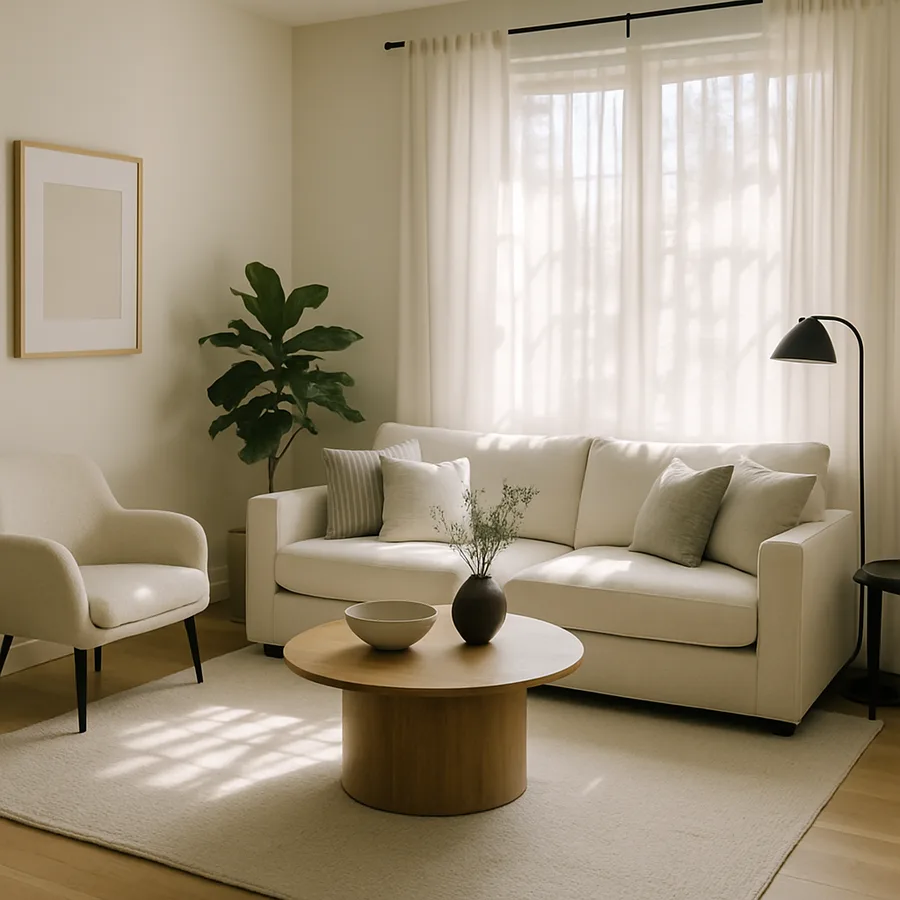
Your home should be more than just a place to sleep and eat. It should be a retreat from the demands of everyday life, a space where you feel completely at ease the moment you walk through the door. Yet so many homeowners struggle to achieve that sense of calm and comfort in their own living spaces. The good news is that creating a sanctuary at home does not require a massive budget or a complete renovation. With the right design principles, you can turn any room into a haven of relaxation and beauty.
According to a survey by the American Society of Interior Designers (ASID), 90 percent of respondents said that well-designed interiors significantly improve their quality of life. That statistic alone speaks volumes about the power of thoughtful design. Whether you are working with a professional or tackling the project yourself, these ten tips from seasoned interior designers will guide you toward creating a home that truly feels like a sanctuary.
Embrace a Calming Color Palette
Color is one of the most powerful tools in an interior designer's arsenal, and choosing the right palette is the foundation of any sanctuary-like space. Soft neutrals, muted earth tones, and gentle blues and greens evoke a sense of tranquility that louder hues simply cannot match. Think of the colors you encounter in nature: the sandy beige of a beach, the soft gray of morning fog, the pale green of new leaves. These are the shades that signal rest and renewal to the human brain.
Professional designers at the International Interior Design Association (IIDA) consistently recommend limiting your main palette to three or four complementary tones. This creates visual harmony without monotony. You can always add subtle pops of deeper color through accessories like throw pillows or artwork, but the base palette should remain soothing. Have you ever walked into a room and immediately felt your shoulders relax? Chances are, the color palette was doing most of the heavy lifting.
When selecting paint colors, test samples on your walls and observe them at different times of day. Natural light shifts from warm in the morning to cool in the afternoon, and your chosen color will look different under each condition. A shade that appears perfectly serene at noon might feel cold and clinical under evening lamplight. Take your time with this step, because color is the backdrop against which every other design decision plays out.
Prioritize Natural Light and Layered Lighting
Lighting has a profound effect on mood, energy levels, and overall wellbeing. Homes drenched in natural light feel open, airy, and inviting, while dark or poorly lit spaces can trigger feelings of confinement and fatigue. If your home has windows, make the most of them. Replace heavy drapes with sheer curtains that allow sunlight to filter through while still providing privacy. Consider adding mirrors opposite windows to bounce light deeper into the room.
Beyond natural light, a well-designed sanctuary relies on layered artificial lighting. This means combining ambient lighting (overhead fixtures or recessed cans), task lighting (desk lamps, reading lights), and accent lighting (wall sconces, LED strips behind furniture). Each layer serves a different purpose and can be adjusted independently to match the mood of the moment. The National Council for Interior Design Qualification (NCIDQ) emphasizes lighting design as a core competency for certified professionals, and for good reason.
Dimmer switches are an inexpensive upgrade that pays enormous dividends in comfort. Being able to lower the lights in the evening signals your body that it is time to wind down. Smart bulbs that adjust color temperature throughout the day can mimic the natural progression of sunlight, keeping your circadian rhythm in sync. What kind of lighting makes you feel most at ease in your own home? Answering that question is the first step toward designing your ideal lighting plan.
Invest in Quality Textures and Soft Furnishings
A sanctuary is as much about how a space feels to the touch as it is about how it looks to the eye. Texture adds depth, warmth, and a sense of luxury that flat, hard surfaces simply cannot provide. Layer your spaces with a variety of soft furnishings: plush area rugs underfoot, linen curtains that sway in the breeze, chunky knit throws draped over the arm of a sofa. These elements invite you to slow down and settle in.
According to Houzz's annual design survey, homeowners who invested in high-quality textiles for their primary living spaces reported a 40 percent increase in overall satisfaction with their homes. The lesson is clear: do not skimp on the things you touch every day. A well-made sofa with durable, soft upholstery will bring years of comfort, while a cheap alternative will sag and pill within months. The same principle applies to bedding, which should be the most luxurious textile in your entire home.
Mix textures intentionally to create visual and tactile interest. Pair smooth leather with nubby wool, polished wood with woven rattan, cool marble with warm velvet. These contrasts keep a neutral palette from feeling flat or boring. Designers often talk about the importance of a room having a variety of surfaces that catch light differently, creating subtle shifts in tone and shadow throughout the day. This textural richness is one of the hallmarks of a truly well-designed interior.
Declutter and Design with Intention
Clutter is the enemy of sanctuary. No amount of beautiful furniture or perfect paint colors can overcome the visual noise of too many objects competing for attention. The first step in transforming your home is to edit ruthlessly. Go room by room and ask yourself whether each item serves a purpose or brings genuine joy. Everything else is just noise, and it needs to go.
Once you have pared down your possessions, adopt an intentional approach to what remains. Every object in a well-designed room should be there for a reason, whether functional or decorative. Interior designers certified through the NCIDQ program are trained to think about negative space, the empty areas between objects, as a design element in its own right. These breathing rooms are what give a space its sense of calm and order.
Storage solutions are your best ally in the ongoing battle against clutter. Built-in cabinets, floating shelves with baskets, and furniture with hidden compartments keep everyday items accessible but out of sight. The goal is not to live in a sterile, museum-like environment, but to create a sense of order that allows your mind to relax. When your physical space is organized, your mental space follows suit. This is not just a design principle; it is backed by research linking cluttered environments to elevated cortisol levels and chronic stress.
Bring Nature Indoors
Biophilic design, the practice of incorporating natural elements into built environments, has moved from a niche trend to a mainstream design philosophy. And for good reason: studies published by the World Green Building Council show that access to natural elements in indoor spaces can reduce stress by up to 15 percent and boost productivity by 6 percent. For a home sanctuary, the benefits are even more personal and immediate.
Start with plants. Even a few well-placed houseplants can transform the atmosphere of a room, adding life, color, and improved air quality. If you do not have a green thumb, opt for low-maintenance varieties like pothos, snake plants, or ZZ plants that thrive on neglect. Beyond greenery, consider incorporating natural materials such as stone, wood, and clay. A live-edge wood coffee table, a stone vessel on a shelf, or ceramic planters in organic shapes all reinforce the connection to the natural world.
Water features are another powerful tool for creating a sanctuary atmosphere. The sound of trickling water has been shown to lower heart rate and promote relaxation. A small tabletop fountain in a living room or bedroom can serve as both a visual focal point and a source of ambient sound that masks household noise. Natural fibers like jute, sisal, and cotton in your rugs and textiles further reinforce the biophilic theme, grounding the space in organic warmth.
Create Zones for Rest, Work, and Reflection
A true home sanctuary is not about making every room look the same. It is about designing distinct zones that support different activities and moods. Your bedroom should be optimized for sleep, with blackout curtains, a supportive mattress, and minimal electronic devices. Your living room might be designed for socializing or quiet reading. If you work from home, your office should be energizing yet organized, with clear boundaries separating it from relaxation spaces.
The ASID recommends what they call activity-based design, where each area of the home is tailored to the specific activities it hosts. This does not require separate rooms for every function. Even in a small apartment, you can create distinct zones using area rugs to define boundaries, furniture arrangement to direct flow, and lighting to set the tone for each area. A reading nook by a window, a meditation corner with a cushion and candle, or a dedicated workspace at a floating desk can all coexist within a single open-plan room.
The key is intentionality. When you enter a zone designed for rest, everything about it should signal relaxation. When you step into your work zone, the environment should support focus and productivity. This kind of thoughtful zoning prevents the blurring of boundaries that leads to the feeling that you can never truly relax at home because there is always a reminder of something that needs to be done. Are there areas of your home where the function feels unclear or conflicted? Redesigning those zones might be the single most impactful change you can make.
Ready to start your transformation? Begin with one room, apply these principles, and notice how the change in your environment shifts your daily experience. Your home sanctuary is waiting to be created, and it starts with a single intentional design decision. Reach out to a certified interior designer through the IIDA or ASID directory if you want professional guidance tailored to your space and budget.
More Articles You May Like



Comments
Post a Comment