DIY or Professional? Navigating Online Interior Design Services Effectively
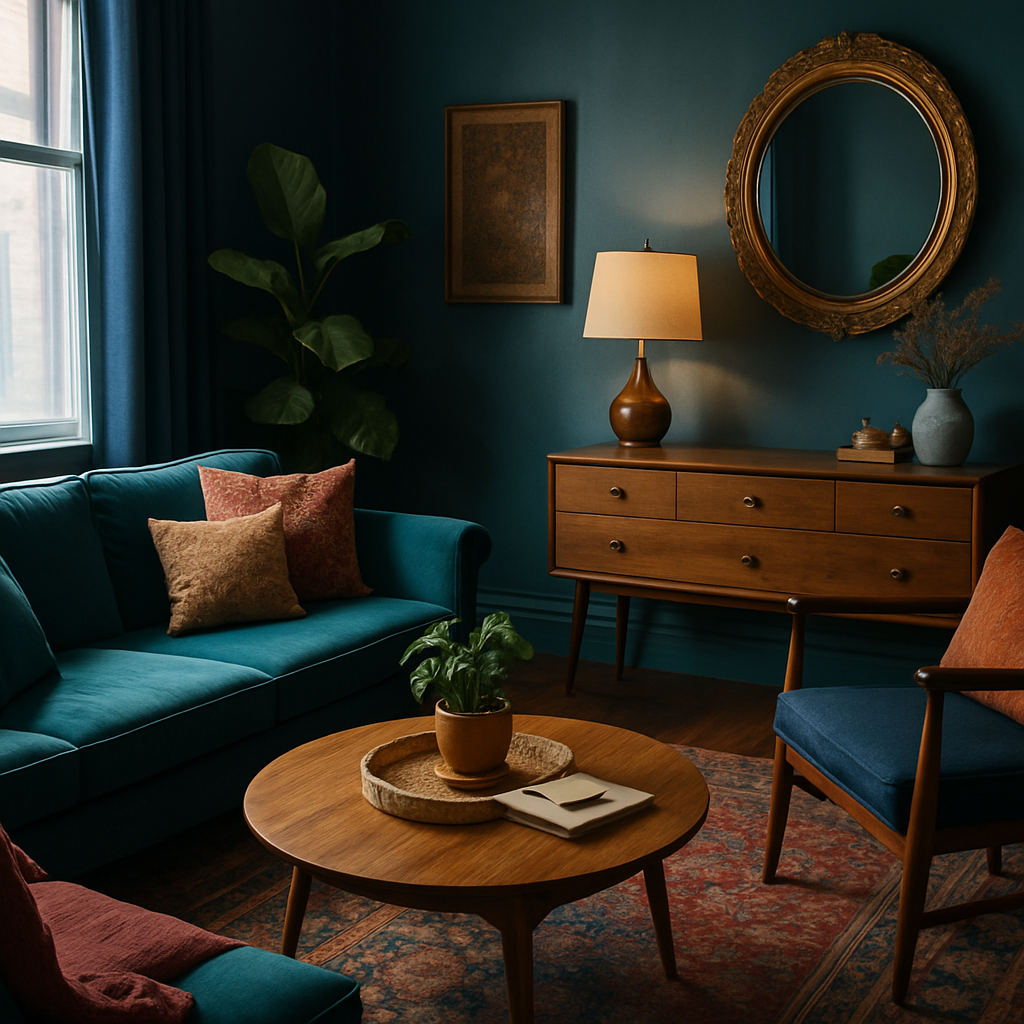
Have you ever spent hours scrolling through Pinterest, only to feel overwhelmed by the sheer number of design choices? You're not alone. According to Houzz, a staggering 72% of homeowners have undertaken a home improvement project in the last year, with many turning to online interior design services for guidance. But the question remains: should you tackle your design project yourself or enlist the help of a professional? This article will explore the pros and cons of both DIY and professional services, provide expert insights into the online design landscape, and offer actionable strategies for making the best choice for your home.
Understanding the Basics: DIY vs. Professional Services
When it comes to interior design, the first decision often revolves around whether to go the DIY route or hire a professional. DIY design can be appealing due to its flexibility and potential cost savings. With platforms like Pinterest and Instagram offering endless inspiration and ideas, many people feel empowered to create spaces that reflect their personal style. However, DIY requires a significant time investment and a keen eye for detail that not everyone possesses.
On the other hand, professional interior design services bring expertise and efficiency to the table. Certified interior designers, such as those holding NCIDQ (National Council for Interior Design Qualification) credentials, have undergone rigorous training to ensure they can deliver high-quality results. These professionals typically offer services that range from concept development to full project management, including procurement and installation. They are adept at navigating complex design challenges and can often achieve results that elevate a home's aesthetic and functional value.
One critical factor to consider is budget. Professional services can indeed come with a higher price tag, often charging a flat fee, hourly rate, or a percentage of the project cost. For instance, hourly rates can range from $150 to $500, while project costs might be 10-25% of the total budget. In contrast, DIY projects, while cheaper, can incur hidden costs if not managed carefully. Understanding these foundational options is crucial as you consider how to proceed with your design project.
Evaluating Costs and Benefits: Data-Driven Insights
To make an informed decision, it's essential to weigh the costs and benefits associated with DIY and professional design services. According to a Houzz survey, homeowners who hired professional services reported higher satisfaction levels, attributing their contentment to the expertise and stress reduction provided by these professionals. It's noteworthy that well-designed interiors can increase a home's resale value by 5-15%, suggesting that a professional touch might be a worthwhile investment.
However, the financial consideration is not trivial. For a single room redesign, budgets typically range between $5,000 and $15,000. Full-home projects could easily exceed $50,000 to $150,000. In contrast, DIY efforts might save money initially but could lead to costly mistakes without proper planning. The balance between financial investment and the potential return in terms of both satisfaction and property value should guide your choice.
Platforms like Houzz and the ASID (American Society of Interior Designers) directory can provide further insights into typical project costs and outcomes. They offer case studies and client testimonials that can be invaluable in assessing what might work best for your situation. As you delve deeper into these data points, keep in mind the ultimate goal: creating a space that you love and that functions well for your lifestyle.
Strategizing Your Approach: Actionable Steps
Once you've evaluated the basic pros and cons, it's time to strategize your approach. If you lean towards a DIY project, start by creating a detailed plan. Map out how you use each room, noting where daily activities occur and where improvements are most needed. Utilize free visual tools like Pinterest to gather inspiration and create mood boards that encapsulate your desired aesthetic.
If you decide to opt for professional services, begin by researching potential designers. The IIDA (International Interior Design Association) and local AIA (American Institute of Architects) chapters are excellent resources for finding qualified professionals. Check their credentials, review their portfolios on platforms like Houzz, and read client reviews to ensure a good fit for your project needs.
Moreover, consider incorporating technology into your project. Many designers now use AR/VR tools to provide clients with virtual walkthroughs of proposed designs. This technology offers a real-time view of how changes will look, allowing you to make informed decisions before any physical work begins. Whether choosing DIY or professional services, a well-thought-out strategy is your best ally in navigating the design process.
Expert Insights: Leveraging Industry Knowledge
Experienced professionals often note that the success of a design project lies in balancing creativity with practicality. Certified designers bring a wealth of knowledge about current trends and materials that can significantly impact the final result. For instance, the 2026 design trends highlight biophilic design, which emphasizes natural materials and indoor-outdoor flow, and quiet luxury, which focuses on understated elegance.
Sustainability is another key trend, with a growing emphasis on using reclaimed materials and smart home integration. Designers with expertise in these areas can help you make environmentally conscious choices that also enhance your home's functionality. Platforms like Architectural Digest's AD PRO network often feature articles and case studies showcasing these trends in action, providing inspiration and practical examples.
When engaging with a designer, communicate your project goals clearly and be open to their input. Their insights can help refine your vision, ensuring that the final design not only meets but exceeds your expectations. This collaborative approach is often where the true value of professional services becomes apparent, as they can transform initial ideas into cohesive, stunning realities.
Going Beyond: Additional Considerations
As you navigate the world of interior design, consider the impact of each decision on your daily life and long-term satisfaction. Think beyond aesthetics, and focus on functionality and comfort. Are there specific needs your space must meet? Perhaps you need a home office that doubles as a guest room or a kitchen that accommodates both cooking and entertaining effortlessly.
Another consideration is the potential for future changes. Opting for a flexible design allows you to adapt to new trends or lifestyle changes without a complete overhaul. This adaptability can be achieved through strategic choices in furniture and decor that can be easily updated or replaced.
Finally, consider the emotional aspect of your space. A well-designed interior should evoke a sense of peace and comfort. As you weigh your options between DIY and professional services, keep in mind that the ultimate goal is to create a home that resonates with your personal style and enhances your quality of life.
Final Thoughts: Choosing What Works Best for You
Ultimately, the choice between DIY and professional online interior design services hinges on your goals, budget, and personal preferences. Both paths offer unique benefits and potential challenges. By thoroughly understanding your needs and the resources available, you can make an informed decision that aligns with your vision for your home.
Remember, the journey to a well-designed home is deeply personal. Whether you choose to tackle the project yourself or enlist professional help, the key is to enjoy the process and embrace the transformation. As you embark on this journey, ask yourself: What kind of space do you want to live in, and how can you make that dream a reality?
Ready to start your design journey? Begin by exploring portfolios on Houzz this week. Even 20 minutes of focused research can sharpen your eye and help you articulate your design preferences. With each step, you're one step closer to creating a home that truly reflects you.



Comments
Post a Comment