How to Combine Functionality and Style in Modern Room Interior Design
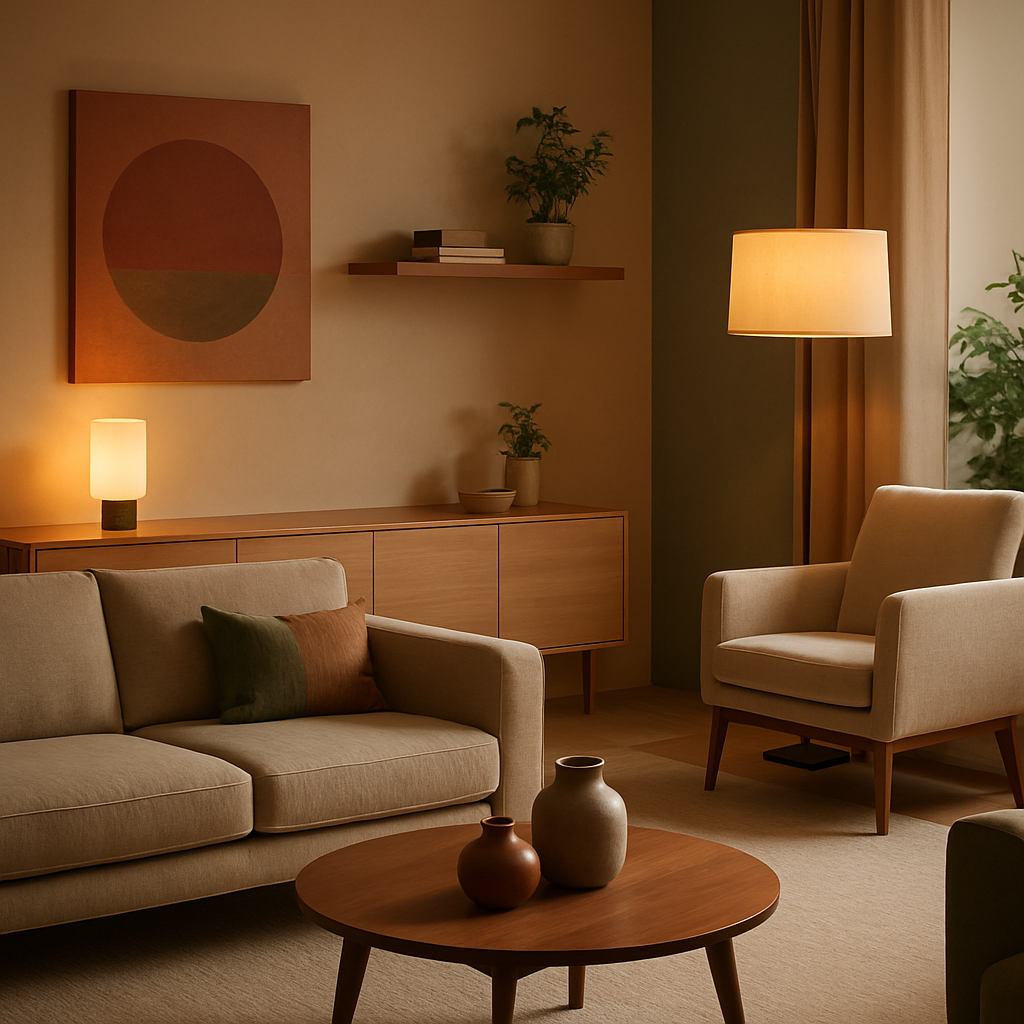
The tension between beauty and practicality has defined interior design conversations for decades. Homeowners often feel forced to choose between a room that looks stunning in photographs and one that actually works for daily life. The truth, however, is that modern room interior design has evolved to dissolve this false dichotomy entirely. Leading organizations like the International Interior Design Association (IIDA) emphasize that the best contemporary interiors are those where every aesthetic choice also serves a functional purpose. According to a recent Houzz Kitchen and Bath Trends survey, 78 percent of homeowners now rank functionality as their top priority, ahead of visual appeal. This guide explores how to achieve the rare balance where your rooms look effortlessly beautiful while working harder than ever for the people who inhabit them. From smart storage solutions to multi-purpose furniture and intelligent spatial planning, the path to a home that is both gorgeous and practical begins here.
Start With a Functional Floor Plan Before Choosing Aesthetics
The most common mistake in room design is falling in love with a piece of furniture or a color palette before understanding how the space will actually be used. Professional interior designers, particularly those holding NCIDQ certification, begin every project with a functional analysis. They map traffic flow patterns, identify activity zones, and determine how many people will use the room simultaneously and for what purposes. This process ensures that the room's layout supports real behavior rather than forcing residents to adapt their habits to an impractical arrangement.
Consider a living room that must serve as a relaxation zone, a home office during daytime hours, and an entertainment space for weekend gatherings. Each function demands specific spatial requirements: clear sightlines to a screen, proximity to power outlets for a laptop, enough seating for guests, and adequate circulation space so people can move freely without bumping into furniture. Mapping these overlapping needs onto a scaled floor plan reveals the optimal placement for every piece before a single item is purchased, saving both money and frustration.
How often have you rearranged furniture multiple times after moving into a new home, never quite finding the configuration that feels right? That frustration usually stems from skipping the planning phase. Free tools and paid software alike can help you create digital floor plans where you can experiment with layouts virtually. Measure every wall, door, and window opening, and note the swing direction of doors and the location of electrical outlets and heating vents. These seemingly mundane details become critical constraints that shape the final design. A room planned from function outward will always feel more comfortable and intuitive than one designed purely for visual impact.
Invest in Multi-Purpose Furniture That Works Overtime
In modern interior design, the most stylish rooms often owe their clean lines and uncluttered appearance to furniture that performs double or triple duty. A storage ottoman that serves as a coffee table, extra seating, and a hidden repository for blankets and magazines exemplifies this principle. Similarly, a dining table with an extendable leaf accommodates both intimate weeknight dinners and larger gatherings without requiring a separate formal dining room. These multi-purpose pieces are the workhorses of functional design, and they have never looked better.
The quiet luxury movement has elevated multi-purpose furniture from budget compromise to design statement. Brands featured in Architectural Digest and AD PRO now offer sofa beds with premium mattresses concealed within frames indistinguishable from traditional sofas. Wall-mounted desks fold flat to become decorative panels when not in use. Modular shelving systems adapt to changing needs, transitioning from a home library configuration to a display wall for art or collectibles with simple rearrangement. The investment in high-quality dual-function pieces typically falls between eight hundred and three thousand dollars per item, but the space and versatility they unlock often eliminates the need for additional furniture entirely.
When selecting multi-purpose furniture, prioritize the primary function first. A sofa bed that is uncomfortable as a sofa fails at its most important job, regardless of how well it converts to a bed. Test each function independently and ensure that the transition between modes is smooth and does not require excessive effort or tools. The best multi-purpose pieces feel so natural in their primary role that guests never suspect they harbor hidden capabilities. This seamless integration of function within form is the hallmark of truly modern interior design.
Integrate Smart Home Technology Seamlessly Into the Design
Smart home technology has matured from novelty gadgets into essential infrastructure that enhances both the functionality and the aesthetic quality of modern interiors. Motorized blinds that adjust automatically based on sun position eliminate the need for manual window treatments while maintaining a clean, cord-free appearance. Voice-controlled lighting allows scene-setting without cluttering walls with banks of switches. Integrated sound systems deliver room-filling audio from speakers hidden within ceilings or built into furniture, eliminating the visual clutter of standalone equipment.
The American Society of Interior Designers (ASID) has noted a significant increase in clients requesting technology integration as part of their design briefs, with smart home features now appearing in more than sixty percent of mid-to-high-end residential projects. The key to successful integration is invisibility: the technology should enhance the living experience without announcing its presence. Cables routed through walls, devices recessed into cabinetry, and touchscreen panels that double as digital art frames all contribute to a space that feels technologically empowered yet visually serene.
What if your lighting, heating, window coverings, and entertainment system could all respond to a single voice command or a tap on your phone as you walk through the door? That level of coordinated automation is not futuristic speculation; it is available today through platforms that connect disparate devices into a unified ecosystem. When planning a room renovation, allocate budget for the infrastructure that smart technology requires, including in-wall wiring, centralized hubs, and robust wireless coverage. Retrofitting these systems after construction is significantly more expensive and disruptive. By building smart from the start, you create a room that is not only beautiful today but adaptable to the technologies of tomorrow.
Master the Art of Stylish Storage Solutions
Clutter is the enemy of both style and function, and the most effective weapon against it is intelligent storage design. Modern interiors achieve their clean, composed appearance not by having fewer possessions but by having better places to put them. Built-in cabinetry that runs from floor to ceiling maximizes vertical space while creating a seamless architectural feature. Floating shelves provide display opportunities without consuming floor area. Drawer organizers, pull-out pantry systems, and custom closet inserts ensure that everything has a designated home.
IIDA award-winning projects frequently showcase storage as a design feature rather than an afterthought. A living room media wall that conceals electronics, gaming equipment, and a full bar behind uniform panel doors demonstrates how storage can define a room's character. In bedrooms, platform beds with integrated drawers eliminate the need for separate dressers, freeing floor space and simplifying the visual composition. Even hallways and entryways can contribute to the storage strategy through bench seating with shoe compartments underneath and wall-mounted hook systems with integrated shelving above.
The principle of everything in its place applies to every room and every scale. A kitchen with deep drawers instead of lower cabinets provides better access and more usable volume. A bathroom with recessed medicine cabinets and vanity drawers keeps countertops clear and hygienic. A home office with cable management channels and document filing integrated into the desk keeps the workspace productive and visually calm. When storage is designed as part of the room's architecture rather than added as a corrective measure, the result is a space that feels effortlessly organized, a room where style and function exist in perfect harmony.
Balance Open Space With Defined Activity Zones
Open-concept living has dominated residential architecture for the past two decades, and while the airiness and flow it provides are genuinely appealing, purely open spaces can feel chaotic and directionless without intentional zoning. The challenge is to maintain visual openness while creating distinct areas for different activities. Rugs are among the most effective zoning tools: a large area rug under a seating group signals that this zone is for conversation, while a runner along a hallway guides movement through a transitional space.
Furniture arrangement itself can define zones without the need for walls or permanent partitions. A console table placed behind a sofa creates a natural boundary between the living area and a dining space beyond it. A bookshelf oriented perpendicular to a wall serves as a room divider that maintains sightlines while providing valuable storage. Pendant lights hung at different heights over different zones reinforce the distinction through lighting, drawing the eye downward to the activity surface below each fixture.
How do you decide which activities deserve their own defined zone? Start by listing every task that takes place in the room during a typical week. Watching television, reading, working from home, exercising, dining, and entertaining each benefit from dedicated spatial anchoring. Not every activity requires a full room; some need only a corner, a niche, or a window seat. The ASID recommends creating at least one quiet retreat zone in every home, a small area removed from high-traffic paths where an individual can read, meditate, or simply sit in stillness. These micro-zones are essential to well-being in open-plan homes, providing psychological privacy even in the absence of physical enclosure.
Select Materials That Age Gracefully and Perform Reliably
The intersection of style and function is perhaps most clearly demonstrated in material selection. A marble countertop is undeniably beautiful, but its susceptibility to staining and etching makes it a poor choice for a busy family kitchen. Engineered quartz offers comparable visual appeal with superior durability, resistance to heat and scratches, and virtually zero maintenance. Similarly, performance fabrics that repel spills and resist fading have advanced to the point where they are visually indistinguishable from natural fibers, making them ideal for upholstered furniture in high-traffic rooms.
Natural materials such as hardwood, stone, and leather develop a patina over time that synthetic alternatives cannot replicate. This aging process, far from being a flaw, is a feature that adds character and warmth to a space. A solid oak dining table that accumulates subtle marks from years of family meals tells a story that a laminate surface never will. Designers featured in AD PRO and Houzz increasingly advocate for materials that embrace imperfection, drawing on the Japanese concept of wabi-sabi to celebrate the beauty of wear and passage of time.
When evaluating materials, consider the total cost of ownership rather than the purchase price alone. A cheaper flooring option that requires replacement every five seasons ultimately costs more than a premium product that lasts for decades. Porcelain tile that mimics the appearance of reclaimed wood delivers the aesthetic warmth of timber with the water resistance and longevity of ceramic, making it an excellent choice for kitchens, bathrooms, and entryways. By selecting materials that perform as well as they look, you create a room that maintains its beauty through years of active use, a space where style and function are genuinely inseparable.
Conclusion
Combining functionality and style in modern room interior design is not a matter of compromise; it is a discipline of intentional decision-making where every element earns its place through both visual contribution and practical purpose. From the initial floor plan to the final material selection, the strategies outlined in this guide demonstrate that beauty and utility are not competing interests but complementary forces. The most satisfying rooms are those where you never notice the machinery of function because it has been so elegantly integrated into the design that it simply feels like part of the room's natural character.
Begin your own journey toward a more functional and stylish home by auditing the room that frustrates you most. Identify the friction points, the clutter zones, the awkward traffic patterns, and the surfaces that are not performing, and then apply the principles discussed here to address them systematically. If the scope feels overwhelming, consider engaging a professional designer who can bring both creative vision and technical expertise to the project. The investment in a well-designed room pays dividends every single day in saved time, reduced stress, and elevated enjoyment of your living space. Your home should work as beautifully as it looks, and achieving that balance is entirely within your reach.
More Articles You May Like



Comments
Post a Comment