The Future of Interior Design: Exploring AI-Powered Tools and Trends
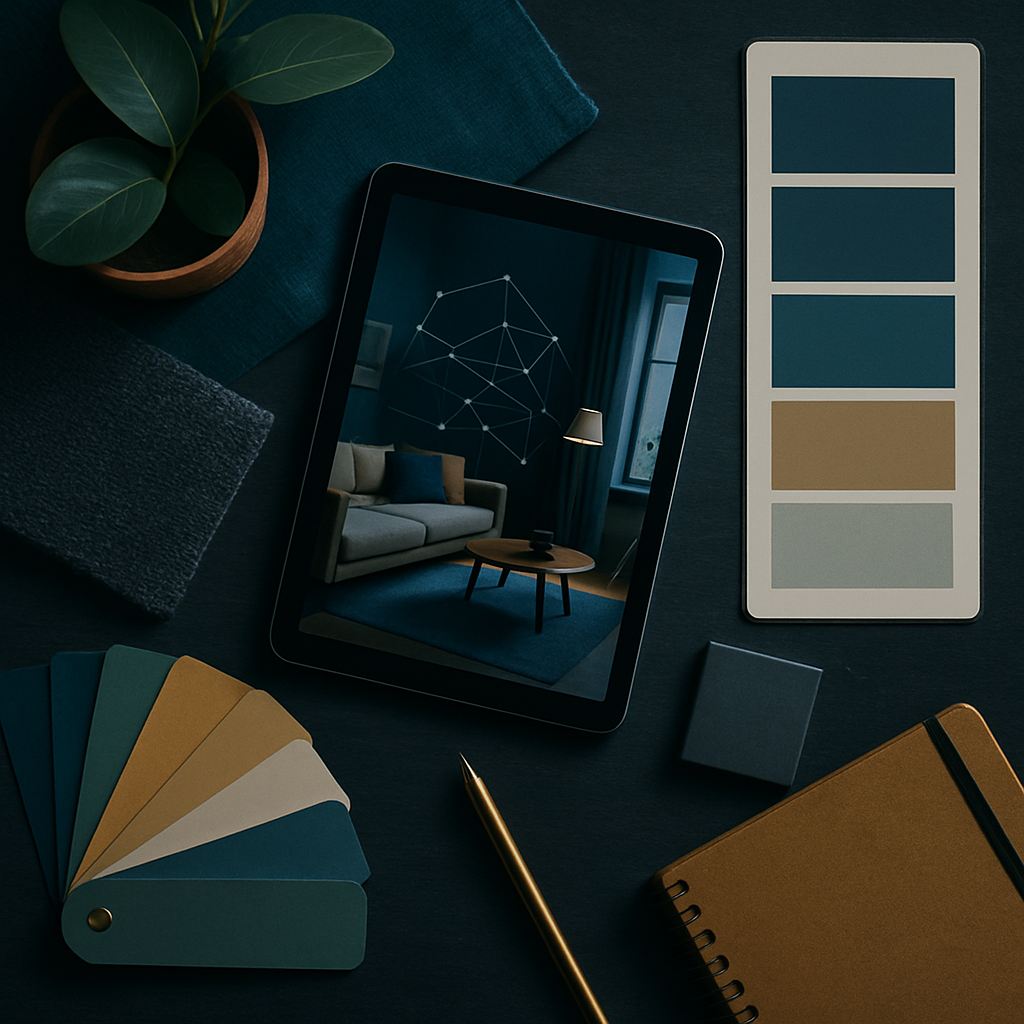
Imagine a world where your home redesigns itself based on your mood, optimizing lighting, colors, and textures at a mere command. This isn't a scene from a sci-fi movie but a burgeoning reality in the interior design industry. With AI-powered tools reshaping our approach to design, the future of interior design promises both innovation and sophistication. In this article, we delve into the foundational concepts of AI in design, explore data-driven insights that underscore these advancements, and offer actionable strategies for incorporating these tools into your projects. Additionally, we'll gain expert perspectives on how AI is refining design processes and examine the latest trends shaping the industry. Are you ready to explore how technology is redefining the spaces we inhabit?
Understanding AI in Interior Design
Artificial Intelligence (AI) is rapidly transforming various industries, and interior design is no exception. By integrating AI, designers can leverage tools that automate repetitive tasks, such as color matching, space planning, and material selection. This allows for more time to focus on creative aspects. AI's ability to process large datasets enables it to provide insights into design preferences and predict trends. For instance, platforms like Houzz utilize AI algorithms to suggest design ideas based on user preferences and past projects.
The use of AI in interior design is not limited to automation. AI can also enhance visualization, allowing clients to experience virtual walkthroughs of their spaces before any physical changes occur. According to the American Society of Interior Designers (ASID), virtual reality (VR) and augmented reality (AR) tools are being increasingly adopted to offer immersive design experiences, helping clients make informed decisions. This technology bridges the gap between imagination and reality, providing a tangible glimpse of future designs.
One of the most significant benefits of AI is its capacity to personalize design solutions. AI can analyze user data to tailor design elements that reflect individual lifestyles and preferences. This level of personalization was previously unattainable and marks a significant shift in how designers approach projects. As we continue, we'll explore how these foundational concepts translate into data-driven insights that drive the interior design industry forward.
Data-Driven Insights in AI-Powered Design
Industry surveys suggest that AI integration in interior design is not just a trend but a transformative force. A recent study by the International Interior Design Association (IIDA) revealed that over 60% of design firms are currently experimenting with AI tools to enhance their creative processes. This shift is indicative of the larger movement towards data-driven design, where decisions are informed by analytics rather than intuition alone.
The power of AI lies in its ability to handle complex data sets and uncover patterns that might otherwise go unnoticed. For example, AI tools can analyze thousands of design projects to identify successful elements, predict future trends, and suggest innovative solutions. The National Council for Interior Design Qualification (NCIDQ) emphasizes the importance of data in crafting designs that are not only aesthetically pleasing but also functional and sustainable.
Moreover, AI's predictive capabilities allow designers to anticipate client needs and preferences, creating spaces that are both practical and stylish. This fusion of data and design not only enhances the client's experience but also elevates the overall quality of interior spaces. As we move into actionable strategies, consider how AI-driven insights could transform your design approach.
Actionable Strategies for Integrating AI
Integrating AI into your design workflow begins with understanding the tools available and how they can enhance your creative process. Start by exploring platforms like Planner 5D or RoomSketcher, which offer AI-powered features for space planning and design visualization. These tools provide a user-friendly interface that allows you to experiment with layouts, materials, and color schemes efficiently.
Experienced professionals often note the importance of starting small when incorporating AI into design projects. Try using AI tools for specific tasks like generating mood boards or creating 3D models. This approach helps you understand the capabilities of AI without overwhelming your existing workflow. Over time, as you become more comfortable, you can expand your use of AI to more complex tasks.
Another strategy is to leverage AI for client presentations. AI-driven tools can create realistic renderings and interactive presentations that enhance client communication and decision-making. By visualizing spaces in real-time, clients can provide feedback and make adjustments on the fly, ultimately leading to higher satisfaction and more successful projects. As we dive into expert insights, think about how these strategies could be tailored to your specific design needs.
Expert Insights into AI's Impact
According to the Architectural Digest's AD PRO network, AI is redefining the role of designers, shifting their focus from routine tasks to high-level creative problem-solving. This transformation empowers designers to push creative boundaries and explore new design paradigms. AI's impact is particularly profound in project management, where it streamlines timelines and improves efficiency.
AI-powered tools are also instrumental in enhancing sustainability in design. By analyzing material data and predicting energy consumption, AI helps designers select eco-friendly materials and design energy-efficient spaces. This commitment to sustainability aligns with current trends, such as biophilic design, which emphasizes natural materials and indoor-outdoor connectivity.
Furthermore, the integration of AI in design processes fosters collaboration. AI facilitates seamless communication between designers, clients, and contractors, ensuring that everyone is aligned and informed. This collaborative approach leads to more cohesive and successful design outcomes. As we explore additional layers of depth, consider how AI's impact could refine your design practice.
Exploring Emerging Trends in AI Design
The interior design industry is witnessing the rise of several AI-driven trends, each shaping the future of how spaces are conceived and executed. One such trend is the integration of smart home technology, which combines AI with IoT (Internet of Things) to create responsive environments. Automated lighting, climate control, and security systems are becoming standard features in modern homes, offering convenience and efficiency.
Another trend is the use of AI in material innovation. Designers are experimenting with AI-generated materials that offer unique textures and patterns, setting new standards for creativity and functionality. This innovation is part of a broader movement towards sustainable design, where AI helps minimize waste by optimizing material use and recycling processes.
Japandi, a fusion of Japanese minimalism and Scandinavian warmth, is another trend gaining traction. AI tools aid in achieving the perfect balance between these two styles by analyzing spatial dynamics and suggesting harmonious layouts. As we move to our final perspectives, reflect on how these trends might influence your next design project.
Final Perspectives on AI in Interior Design
The future of interior design, empowered by AI, is poised to be more innovative and efficient than ever before. As AI continues to evolve, it will unlock new possibilities in design, allowing for deeper personalization and enhanced creativity. However, the true potential of AI lies not just in its technological capabilities, but in how designers harness these tools to create meaningful and impactful spaces.
For those ready to embrace this future, the journey begins with education and experimentation. Engaging with AI tools, attending industry seminars, and collaborating with tech-savvy professionals can broaden your understanding and skills. The American Institute of Architects (AIA) and other professional organizations regularly offer workshops and resources to help designers stay ahead of technological advancements.
As we conclude, consider how AI could transform your design approach. Are there aspects of your process that could benefit from automation or enhanced visualization? The integration of AI offers a wealth of opportunities to elevate your designs and deliver exceptional client experiences.
Conclusion
The landscape of interior design is changing, and AI is at the forefront of this transformation. By leveraging AI-powered tools, designers can create spaces that are not only aesthetically pleasing but also functional, sustainable, and personalized. As you move forward, consider incorporating AI into your workflow to enhance your creative process and improve client satisfaction. Start by browsing portfolios on Houzz or experimenting with AI-driven design platforms this week. Even 20 minutes of research can open your eyes to new possibilities. Are you ready to step into the future of interior design?



Comments
Post a Comment