
Mid Century Lounge Chair Cushion Replacement Foam Selection
Mid Century Lounge Chair Cushion Replacement Foam Selection
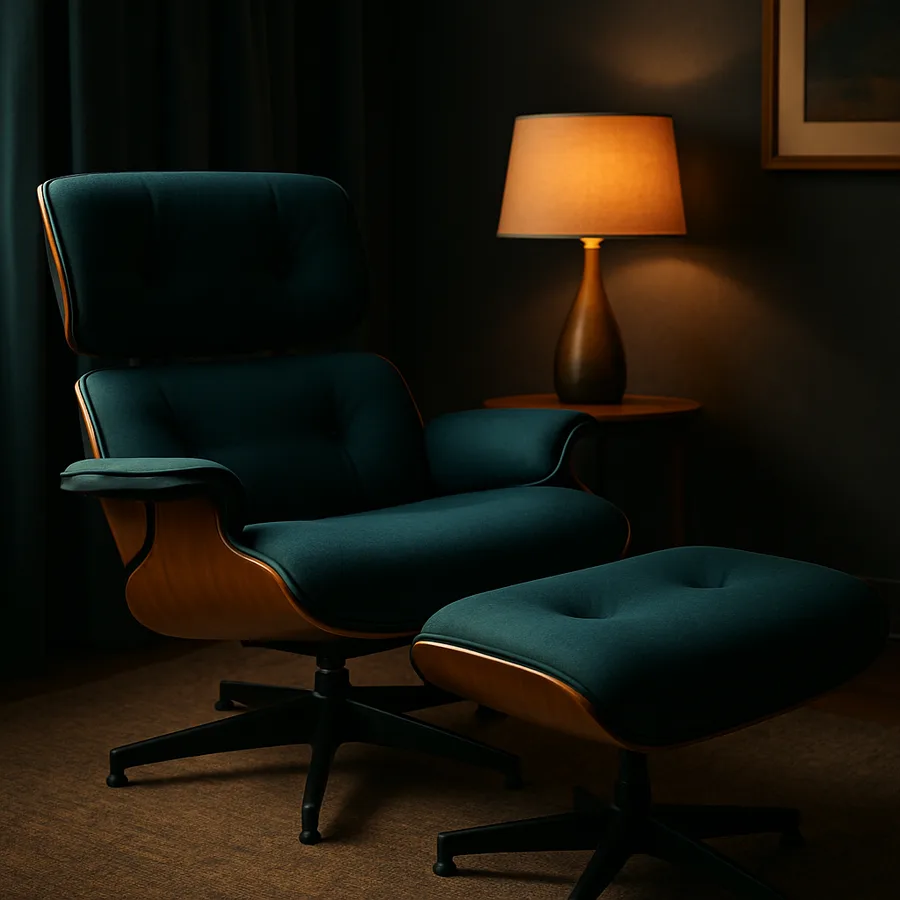
The original cushions of a mid century lounge chair, an Eames soft pad, a Saarinen Womb, a Selig scoop, a Milo Baughman swivel, were engineered to specific densities and resilience values that gave each design its characteristic sit. When those cushions wear out, as they always eventually do, the temptation is to replace them with whatever foam the local upholstery shop has in stock. The result, in too many cases, is a chair that looks correct from across the room but sits all wrong, with cushions that bottom out under weight or sit too firmly to invite the long afternoon read the original designer had in mind. The Polyurethane Foam Association estimates that more than 85 percent of foam cushion replacements in residential settings use foam densities and resilience grades that do not match the original design intent, which is why so many beloved chairs become uncomfortable after reupholstery.
How do you actually select the right foam for a mid century lounge chair? Which specifications matter and which are marketing jargon? When does it make sense to mix foam types rather than using a single density throughout? This guide explains the technical specifications behind foam, decodes the language that suppliers use, and walks through the decision process for matching foam to the chair's original character.
Understanding Foam Specifications
Foam is sold by two primary specifications: density and IFD (Indentation Force Deflection, sometimes called ILD for Indentation Load Deflection). Most homeowners conflate these, often because foam suppliers use the terms loosely, but they describe completely different properties.
Density measures how much foam material is packed into a cubic foot, expressed in pounds per cubic foot (PCF). It correlates strongly with durability: a higher density foam contains more polymer and will last longer before losing its shape. Common density grades range from 1.2 PCF for low cost cushioning that will compact within a year or two, through 1.8 to 2.5 PCF for mid grade residential use, up to 2.8 to 3.5 PCF for high quality residential and light commercial work, and 4.0 PCF and above for commercial seating that needs to endure heavy daily use.
IFD measures how much force is needed to compress the foam by 25 percent of its thickness, expressed in pounds. It is what most people mean when they ask for "firmer" or "softer" foam. IFD values for seating typically range from 15 to 50, with 20 to 28 being comfortable for most seat cushions and 14 to 22 being typical for back cushions where firmness is less important.
The critical point is that density and IFD are independent. You can have a soft, high density foam (3.5 PCF, 18 IFD) that is comfortable and durable, or a firm, low density foam (1.5 PCF, 35 IFD) that feels supportive at first but will lose its firmness within a year as the low density material breaks down. When upholstery shops advertise "firm foam," they are describing IFD without revealing density, which is the more important durability specification. Architectural Digest has published multiple investigations into the upholstery industry that document widespread substitution of low density foam in cushion replacements, even on high end work.
What The Original Designers Specified
Mid century designers were generally working at the leading edge of foam technology, which was a relatively new material in the postwar years. Different designers and manufacturers used different foam strategies, and understanding the original intent helps inform the replacement decision.
Eames soft pad chairs, manufactured by Herman Miller, used a relatively firm foam over a webbing suspension, with the foam thickness providing comfort and the webbing providing the responsive give that defines the sit. Replacement foam for these chairs should be in the 2.5 to 3.0 PCF density range with an IFD of around 30 to 35 for the seat and slightly softer for the back, with the webbing in good condition. Replacing the foam with a softer grade compensates for tired webbing in the short term but leads to faster cushion breakdown.
Saarinen Womb chairs used a foam-over-fiberglass-shell construction where the foam provided most of the comfort and the shell provided the structural shape. Original specifications called for medium density polyurethane foam in the 2.0 to 2.8 PCF range with an IFD around 25 to 30, often with a feather wrap on the back cushion for the characteristic soft envelope feel.
Selig and Adrian Pearsall scoop chairs typically used coil spring seat platforms with foam topping. The combination produced the bouncy, responsive sit these chairs are known for. Foam-only replacement, without restoring the springs, fundamentally changes the chair's character. The Furniture Society documentation of mid century construction techniques emphasizes that suspension and cushioning together produced the original feel, and replacing one without considering the other rarely produces good results.
Polyurethane Versus Latex Versus Specialty Foams
Most replacement foam sold today is polyurethane, which is inexpensive, available in many grades, and easy to cut to shape. High quality polyurethane in the 2.5 PCF and above range is appropriate for most mid century cushion replacements and will perform well for a decade or more with normal use.
Natural latex foam is a higher performance alternative made from rubber tree sap, processed through either the Dunlop or Talalay method. Latex offers superior resilience and longevity, with high quality latex cushions remaining serviceable for 20 to 30 years compared to 8 to 15 years for premium polyurethane. The trade-offs are cost, with latex running two to three times the price of comparable polyurethane, and weight, with latex being noticeably denser. For chairs of significant value or for sit quality that prioritizes long term consistency, latex is worth considering despite the cost.
Memory foam is almost always wrong for mid century chair cushions. It is too dense, too slow to respond, and too prone to retaining body heat. The architectural sit of a mid century chair depends on responsive foam that gives and recovers immediately under shifting weight, which is the opposite of memory foam's characteristic slow conformance. This Old House upholstery features have repeatedly cautioned readers against memory foam in vintage furniture replacement, noting that it produces a sit quality fundamentally different from any postwar designer intent.
For specialized applications, HR foam (high resilience polyurethane) offers improved bounce-back and slightly better durability than standard polyurethane at moderate cost premium, typically 20 to 30 percent above standard grades. HR foam is a reasonable middle ground when latex is too expensive but standard polyurethane feels too dead.
Matching Original Cushion Construction
Original mid century cushions often used layered construction rather than a single block of foam. A typical premium cushion might have a firmer foam core for support topped with a softer foam layer for surface comfort, sometimes wrapped in a thin polyester batting or feather envelope for the soft outer feel. When the cover is removed for inspection, the layering is usually visible and worth documenting before disposal.
Recreating layered construction in replacement requires more effort but produces a sit much closer to the original than a single density block. A common approach for a four inch thick seat cushion would be a three inch core of 2.5 PCF, 35 IFD foam topped with a one inch layer of 2.0 PCF, 18 IFD softer foam, wrapped in polyester batting and then the original cover. The firmer core provides support and durability while the softer top layer prevents the firm-feeling first impression that single density firm foam produces.
Back cushions usually need less support and more compliance than seat cushions. A typical back cushion replacement uses foam roughly 20 to 30 percent softer than the seat, often with a higher proportion of polyester batting or feather fill in the outer wrap. The asymmetry of firmer seat and softer back is one of the markers of well executed mid century reupholstery, and it is worth specifying explicitly when working with an upholsterer who may default to using the same foam throughout.
Working With An Upholsterer
Most homeowners outsource the actual foam cutting and cushion construction to a local upholstery shop, both because the work requires shop tools and because the upholsterer is also recovering the cushions in the chosen fabric. The shop's foam selection often becomes the homeowner's selection by default, which is fine if the shop carries quality foam and is not fine if they default to low density product to keep costs down.
Ask the upholsterer directly what foam they intend to use, by both density and IFD. A good shop will know these numbers for their stock or will look them up. A shop that cannot answer or that responds with vague language about "good foam" or "comfortable foam" is a warning sign. Request samples if possible. A small block of the proposed foam, around four inches square and at least three inches thick, is enough to feel the responsiveness and assess whether it matches the chair's intended character.
Expect to pay 40 to 80 dollars for a single seat cushion's worth of premium polyurethane foam, more for HR or latex, with comparable amounts for back cushions. The foam cost is typically a small fraction of the total reupholstery price, so insisting on quality foam adds modestly to the bill while substantially improving the long term result. According to the American Society of Interior Designers guidelines for furniture restoration, foam quality is one of the most common upgrade points that distinguishes adequate from excellent reupholstery work. The Smithsonian Institution design collections have documented postwar foam specifications in archived manufacturer records, and these provide a useful reference when an upholsterer needs guidance on original densities for specific designer pieces.
Testing And Adjusting After Installation
When the recovered cushions return from the shop, the chair will feel slightly different from its old self even with perfectly matched specifications. New foam is firmer for the first few weeks as it breaks in. A reasonable break-in period is 40 to 60 hours of accumulated sitting time, after which the foam reaches its working firmness and stabilizes.
If after break-in the cushion still feels wrong, the problem is either foam selection or construction. A cushion that bottoms out under weight is using foam that is too soft, too low density, or too thin. A cushion that feels boardy is using foam that is too firm or that lacks the softer top layer. Most upholsterers will work with you on adjustment if the work is recent, though significant rework may involve additional cost. Document the experience for future reference, so that any future cushion replacement on this or similar chairs starts with better specifications.
Conclusion
Foam selection for mid century lounge chair cushion replacement is one of those projects where the details matter more than they first appear. The chair's original character was specified in foam densities and IFD values, not in the kind of generic firm versus soft descriptions that dominate retail upholstery work. Taking the time to understand these specifications, document the original construction before replacement, and work with an upholsterer who shares the same precision pays off in cushions that will support a long afternoon read for the next decade or two, rather than disappointing within months.
If you have a mid century chair waiting for cushion replacement in your home, schedule an evaluation this week with at least two upholstery shops in your area, asking each one specifically what foam grades they propose to use. The conversation will quickly reveal which shop takes foam selection seriously and which sees it as an afterthought. Choose accordingly, and treat the cushion replacement as a meaningful investment in a piece that, properly restored, will outlast most modern furniture purchases by several decades. The original designer would approve.


Comments
Post a Comment