Minimalist Architecture: Transforming Interior Design for a Simpler Life
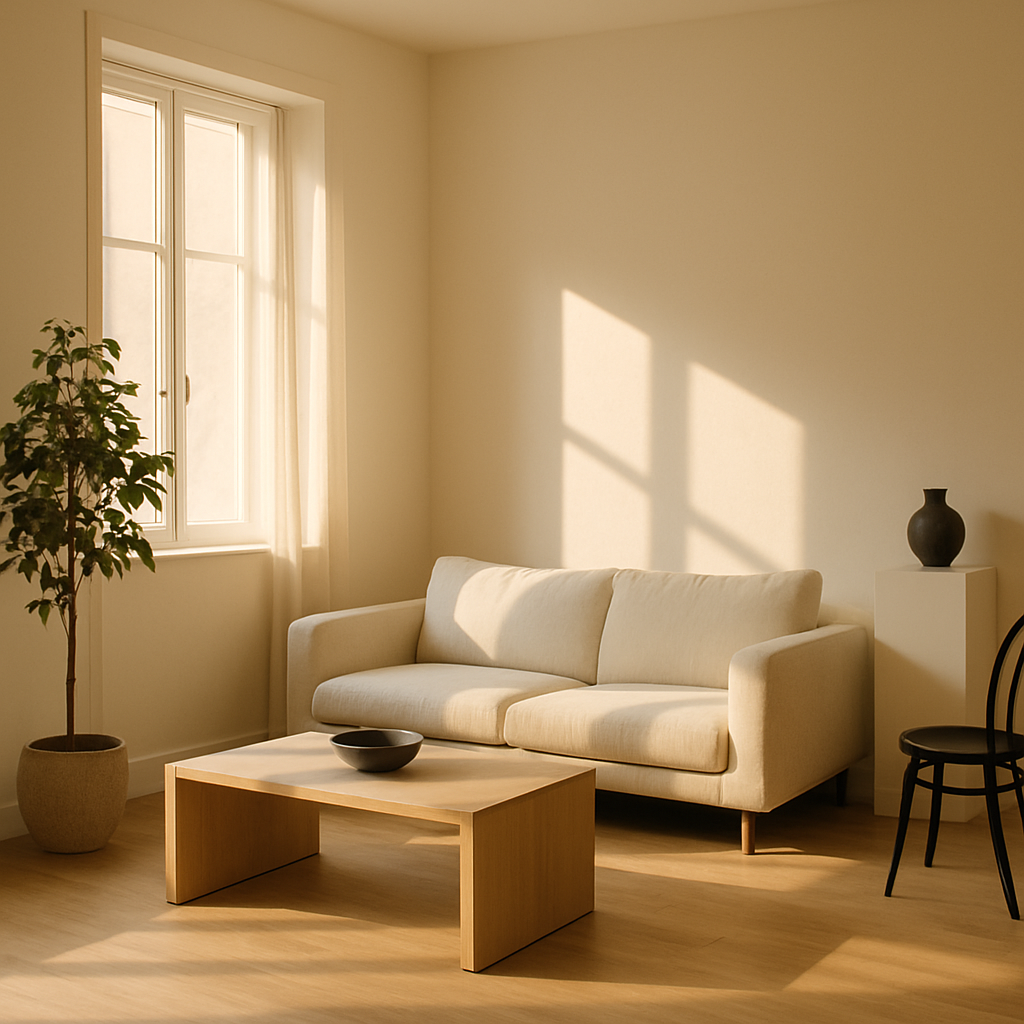
Imagine walking into a room where every element serves a purpose, where clutter is nonexistent, and the space breathes with calmness. This is the promise of minimalist architecture - a design ethos that has profoundly impacted interior design, offering a pathway to a simpler, more serene life. Minimalism isn't just about removing excess; it's about making thoughtful choices that enhance how you live. In this article, we will delve into the fundamental principles of minimalist architecture, explore its growing influence on interior design with data-backed insights, and provide actionable strategies for those looking to transform their spaces. Whether you're a homeowner or an aspiring designer, understanding this approach can elevate your design pursuits to new heights.
The Foundations of Minimalist Architecture
Minimalist architecture is rooted in the principle of "less is more," a concept popularized by architect Ludwig Mies van der Rohe in the mid-20th century. This approach emphasizes simplicity, functionality, and the use of natural light and materials to create harmonious living environments. By focusing on the essentials, minimalist design aims to strip away the superfluous, allowing the intrinsic beauty of each element to shine. In practical terms, this means prioritizing open floor plans, clean lines, and a restrained color palette.
One of the hallmark features of minimalist architecture is the seamless integration of the interior and exterior. Large windows and glass doors are commonly used to blur the boundaries between indoor and outdoor spaces, inviting nature in and enhancing the sense of openness. This approach not only maximizes natural light but also fosters a connection with the surrounding environment, which is a core tenet of biophilic design, a 2026 trend emphasizing nature-inspired interiors.
Another critical component of minimalist architecture is the use of sustainable materials. With growing environmental concerns, designers and homeowners alike are gravitating towards eco-friendly options such as bamboo, reclaimed wood, and recycled metals. These materials not only reduce environmental impact but also add unique character and warmth to minimalist spaces. The shift towards sustainability is supported by data from the American Society of Interior Designers (ASID), which indicates a significant increase in demand for green design solutions.
The Impact of Minimalism on Interior Design
Minimalism's influence on interior design has been profound, as evidenced by industry surveys conducted by Houzz, which reveal that a majority of homeowners are now opting for streamlined, uncluttered spaces. The minimalist style is not just an aesthetic choice; it's a lifestyle change that prioritizes quality over quantity. By reducing visual noise, minimalist interiors promote mental clarity and relaxation, offering a sanctuary from the chaos of modern life.
According to research by the National Council for Interior Design Qualification (NCIDQ), minimalist interiors can also enhance a home's market value. Well-designed minimalist spaces often yield a 5-15% higher resale value, as they cater to a broad range of tastes and preferences. This appeal is partly due to the versatility of minimalist design, which can easily adapt to different styles and functions, making it a smart investment for property owners.
Technological advancements have further bolstered the appeal of minimalist design. Smart home integration, including automated lighting and climate control, aligns perfectly with the minimalist ethos of efficiency and simplicity. These innovations not only enhance functionality but also contribute to the aesthetic by reducing the need for visible controls and devices. As a result, minimalist interiors can offer a seamless blend of form and function, providing a modern living experience that is both comfortable and intuitive.
Actionable Strategies for Embracing Minimalism
Are you ready to incorporate minimalist architecture into your home? Start by evaluating your existing space. Experienced professionals often note that the first step is to declutter. This process involves assessing each item for its utility and emotional value, keeping only those that truly enhance your life. Consider using the "Marie Kondo method," which encourages keeping items that spark joy and letting go of the rest. This approach not only reduces clutter but also shifts your mindset towards intentional living.
Once you've decluttered, focus on creating a cohesive color palette using neutral tones such as whites, grays, and beiges. These colors serve as a calming backdrop and allow for flexibility when adding accents. A monochromatic scheme can also make spaces appear larger and more inviting. Incorporating textures through materials like linen, wool, and natural fibers can add depth and interest without overwhelming the senses.
Another effective strategy is to invest in multifunctional furniture. Pieces that offer storage solutions, such as ottomans with hidden compartments or beds with built-in drawers, can help maintain a clean and organized aesthetic. When selecting furniture, prioritize quality craftsmanship and timeless design. Although these pieces might come at a higher price point, their durability and classic appeal make them worthwhile investments in the long run. Remember, minimalism is about making thoughtful choices that enhance your quality of life.
Expert Insights into Minimalist Design
Experienced designers from the International Interior Design Association (IIDA) emphasize the importance of balance and proportion in minimalist spaces. Achieving this involves careful spatial planning and the strategic placement of furniture and decor. One common mistake is overcrowding a room with too many elements, which can disrupt the flow and create visual clutter. Instead, focus on creating a few focal points that draw the eye and add interest without overwhelming the senses.
Lighting also plays a crucial role in minimalist design. Natural light should be maximized wherever possible, but artificial lighting can be used to enhance ambiance and functionality. Opt for fixtures with clean lines and simple forms, such as pendant lights or recessed lighting, to maintain the minimalist aesthetic. Lighting can also be used to highlight architectural features, such as textured walls or artwork, adding depth and dimension to the space.
Finally, art and decor should be selected with intention. Minimalist spaces benefit from a "less is more" approach, where each piece serves a purpose, whether functional or aesthetic. Consider incorporating a few statement pieces that reflect your personality and taste, such as a large-scale painting or a sculptural vase. These elements can add character and warmth to a minimalist interior without detracting from its overall simplicity and elegance.
Advanced Techniques for Minimalism in 2026
As minimalist design continues to evolve, new techniques and trends emerge. Japandi, a fusion of Japanese minimalism and Scandinavian warmth, is gaining popularity for its harmonious blend of simplicity and coziness. This style incorporates natural materials, muted colors, and handcrafted details to create serene and inviting spaces. Japandi's emphasis on craftsmanship and sustainability aligns with the minimalist ethos and offers a fresh perspective on design.
Another emerging trend is the use of AR/VR room visualization tools. These technologies allow homeowners and designers to experiment with different layouts and styles before making a commitment. By visualizing changes in real-time, users can make more informed decisions and achieve the desired minimalist aesthetic more efficiently. This approach not only saves time and resources but also ensures that the final design aligns with the client's vision.
Finally, the integration of smart home technology is becoming increasingly sophisticated. From automated window treatments to voice-controlled lighting, these innovations enhance the minimalist lifestyle by simplifying daily routines and reducing the need for manual adjustments. By embracing these advanced techniques, you can create a minimalist home that is both functional and forward-thinking, offering a glimpse into the future of interior design.
Final Thoughts on Minimalist Architecture
Minimalist architecture offers a transformative approach to interior design, providing a pathway to a simpler, more intentional way of living. By focusing on the essentials and embracing sustainable practices, minimalist design creates spaces that are both beautiful and functional. The principles of minimalism can be applied to any home, regardless of size or style, offering a versatile solution for modern living.
As you consider integrating minimalist concepts into your home, remember that the journey is as important as the destination. The process of decluttering, selecting quality materials, and investing in multifunctional furniture can lead to a deeper appreciation for your space and the life you live within it. Are you ready to embark on this minimalist journey and transform your home into a sanctuary of simplicity and serenity?
Conclusion
Minimalist architecture is more than a design trend; it's a lifestyle choice that can profoundly impact how you live and interact with your environment. By understanding and applying the principles of minimalism, you can create spaces that are not only aesthetically pleasing but also conducive to a simpler, more fulfilling life. As you move forward, consider starting by browsing portfolios on platforms like Houzz or AD PRO. Even 20 minutes of research can sharpen your eye for what aligns with your minimalist vision. Begin your transformation today and discover the serenity that a minimalist home can offer.



Comments
Post a Comment