Cedar Shake Roof Maintenance For Long Term Performance
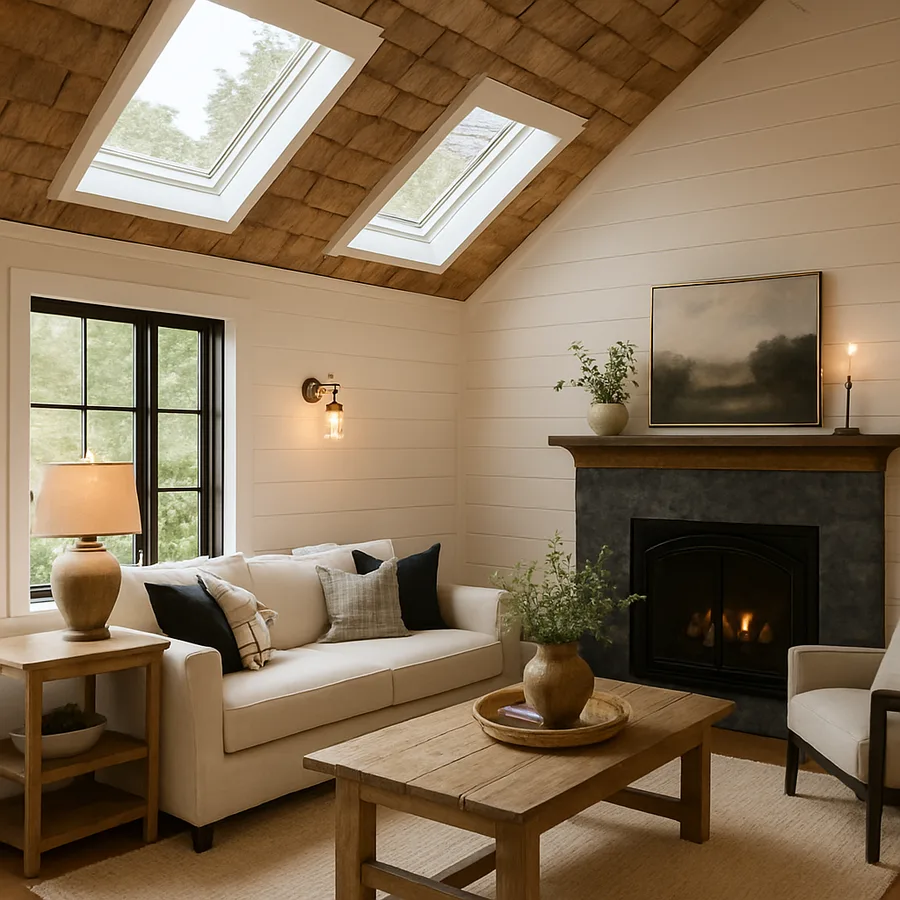
Cedar shake roofs occupy a peculiar niche in residential construction. They are simultaneously one of the most beautiful natural roofing materials available and one of the most demanding from a maintenance standpoint. A well-tended cedar shake roof can deliver 30 to 50 years of service, while a neglected one may fail in under 15. The gap between those outcomes is almost entirely a function of homeowner attention, climate, and a handful of routine practices that most owners never receive proper guidance on.
The natural oils in western red cedar give the wood its rot resistance, but those oils deplete over time through ultraviolet exposure, biological colonization, and physical weathering. Once the protective chemistry is gone, the underlying wood is vulnerable to moisture, insects, and fungi. Smart maintenance is essentially a program for preserving and supplementing the wood's natural defenses while preventing the conditions that accelerate decay. This guide walks through the full long-term performance playbook, drawn from industry standards and field experience on cedar roofs across diverse climates.
Understanding How Cedar Shakes Fail
Before designing a maintenance program, it helps to understand the failure modes you are trying to prevent. Cedar shakes fail through three primary mechanisms: biological growth, moisture retention, and mechanical breakdown. Each has distinct symptoms and each responds to different interventions, which is why generic roof care advice often produces disappointing results on cedar specifically.
Biological growth includes moss, lichen, and algae, all of which thrive in shaded, damp microclimates on the north and east-facing slopes of most roofs. Moss in particular is destructive because its root structures pry shakes apart and trap moisture against the wood. The Cedar Shake and Shingle Bureau identifies biological colonization as the single most common contributor to premature shake failure in temperate climates.
Moisture retention typically arises from poor ventilation under the shakes, debris buildup in keyways, or improperly designed valleys. Mechanical breakdown shows up as splitting, cupping, and edge erosion, often accelerated by hail, branch impacts, and freeze-thaw cycling. A roof inspector who can distinguish these failure modes will give you far more useful advice than one who simply reports general aging.
The Annual Inspection Routine That Catches Problems Early
Every cedar shake roof should receive a thorough visual inspection at least once a year, ideally in late spring after winter damage has revealed itself but before summer heat accelerates any unaddressed problems. The inspection should cover the field of shakes, all flashings, ridge caps, valleys, penetrations, and the attic interior. Most homeowners benefit from hiring a cedar-specialist roofer for the inspection itself, then performing routine cleaning and minor repairs themselves between visits.
Key items on the inspection checklist include split or missing shakes, cupped or curled edges suggesting moisture cycling, exposed nail heads, deteriorated valley metal, debris accumulation in keyways, and any visible moss or lichen colonies. Inside the attic, look for staining on the underside of the deck, daylight visible through small gaps, and any musty odor suggesting trapped moisture. Have you walked your attic with a flashlight after the last rainstorm? It is the cheapest diagnostic you can run.
Photographic documentation of each annual inspection creates an invaluable record over time. Comparing year-over-year images of the same roof sections reveals patterns of accelerating wear, allowing intervention before failure rather than after. Many cedar specialists now offer drone-based inspections that capture high-resolution imagery without anyone walking the brittle surface of an aging roof.
Cleaning Techniques That Preserve Rather Than Damage
Cleaning is where most well-intentioned cedar maintenance goes wrong. High-pressure washing, the default approach for most exterior surfaces, is catastrophic on cedar shakes. The pressure strips away the soft outer fibers, opens grain lines, and accelerates the loss of natural oils. The National Roofing Contractors Association recommends maximum spray pressures of 500 to 800 PSI for cedar, and many cedar specialists prefer even gentler approaches using soft brushing and low-volume rinses.
The recommended cleaning approach is a three-stage process. First, dry-clear all debris from valleys, keyways, and gutters using a leaf blower or soft hand tools. Second, apply a cedar-safe biocide treatment to kill moss, algae, and lichen, typically a sodium percarbonate or oxygen-bleach-based product rather than chlorine bleach, which damages cedar fibers. Third, after the biocide has worked for 15 to 30 minutes, rinse with a low-pressure garden hose, working from ridge to eave to avoid driving water under the shakes.
Frequency depends on your climate and tree cover. Heavily shaded roofs in humid climates may need cleaning every two to three years, while exposed roofs in dry climates can often go five to seven years between treatments. Avoid cleaning during hot midday hours, which causes treatments to evaporate before they can work, and never clean immediately before predicted rain, which dilutes biocides before they take effect.
Treatment Options For Extending Service Life
Once a cedar roof has been cleaned, applying a preservative treatment can extend its useful life by 5 to 15 years depending on the product and application quality. Treatment products fall into three categories: oil-based penetrating preservatives, water-based acrylic coatings, and combination systems that include both fungicide and water repellent properties.
Oil-based treatments penetrate deeply into the wood, replenishing the natural oils that ultraviolet exposure depletes. They generally maintain the wood's natural appearance and silver-grey patina, which most heritage and rustic property owners prefer. The drawback is reapplication frequency, typically every 3 to 5 years, and the messy application process that requires careful containment of overspray.
Water-based acrylic coatings form a surface film that blocks moisture and ultraviolet light. They generally last longer between applications, often 7 to 10 years, but can trap moisture inside the wood if applied incorrectly and may alter the surface appearance in ways some homeowners find artificial. The choice between treatment types depends heavily on local climate, the existing condition of the roof, and aesthetic preference. Are you trying to preserve the natural weathered look or restore a more uniform appearance? That single question often determines the right product family.
Ventilation And Underlayment Considerations
Cedar shakes are designed to breathe. They expand when wet and contract when dry, and they require airflow both above and below the deck to perform as intended. Modern installations use a cedar breather mat or similar mesh underlayment that creates a 1/4 inch air gap between the shakes and the underlying felt. Older installations often lack this air gap, which dramatically shortens shake life by trapping moisture against the wood.
Attic ventilation matters just as much. A properly ventilated attic uses balanced intake at the soffit and exhaust at the ridge to maintain continuous airflow, which keeps the deck temperature and moisture content stable. The U.S. Department of Energy recommends a minimum net free vent area equal to 1/150 of the attic floor area when no vapor barrier is present, or 1/300 with a vapor barrier. Many heritage homes were built with inadequate ventilation, and retrofitting ridge and soffit vents can extend cedar shake life by years.
If you are inspecting an older home with original cedar shakes, lift a section near the ridge to check for the presence of a cedar breather or similar product. If none is present, plan for the addition during the next significant repair cycle. The cost of adding proper ventilation is modest during reroofing and prohibitive afterward, so timing this intervention with already-planned work yields the best economics.
Spot Repair Strategies Between Major Service Cycles
Between full inspections and treatments, individual shake replacement is the most common maintenance task. A competent homeowner can replace a damaged shake with basic tools: a shingle ripper or hacksaw blade to cut the nails holding the damaged shake, a replacement shake of matching grade, two stainless or hot-dipped galvanized nails, and a hammer. The replacement shake should be slid into position with its butt aligned to the surrounding course and nailed at the same exposure point as the original.
One frequently overlooked detail is the importance of matching shake grades. Number 1 grade shakes are 100 percent edge grain and 100 percent heartwood, with no flat grain or sapwood permitted. Lower grades may look similar on installation but weather very differently, creating visible patches that telegraph the repair. The Cedar Shake and Shingle Bureau certification stamp on each bundle is the easiest way to verify grade.
For repairs involving more than a handful of shakes in one area, consider whether the underlying cause is local damage or general aging. A cluster of failed shakes often signals an underlying issue with flashing, ventilation, or water flow that will affect adjacent areas next. Treating the symptoms without addressing the cause leads to recurring repairs and accelerating overall failure.
Climate Specific Adjustments And Regional Best Practices
Generic cedar maintenance advice tends to fail in the extremes, and most North American climates qualify as extremes in at least one dimension. Pacific Northwest homeowners contend with persistent moisture, heavy moss pressure, and limited drying windows that make biological control the dominant maintenance concern. Treatment intervals here often shrink to every two or three years, and shaded north-facing slopes may benefit from copper or zinc strips installed near the ridge that release small amounts of metallic ions to suppress moss growth between cleanings.
Southwestern homeowners face the opposite challenge of intense ultraviolet exposure and low humidity that depletes natural oils rapidly while keeping biological growth at bay. Penetrating oil treatments become the priority here, often on three-year cycles, while cleaning frequency can extend to five or seven years. The fire risk profile also differs sharply in arid regions, and cedar shake homeowners in wildfire-prone areas should consult their local fire marshal about Class A fire-retardant treatments that some jurisdictions now require.
Northern climates with heavy snow loads and aggressive freeze-thaw cycling add ice damming and physical damage from snow removal to the standard concerns. Cedar shake roofs in these regions benefit from properly designed ice and water shield underlayment at eaves, careful attention to attic insulation that prevents heat loss and ice dam formation, and trained snow removal practices that use plastic rakes rather than metal tools. Have you matched your maintenance approach to your specific climate, or are you following generic advice that may not fit your conditions at all? The answer often explains why some cedar roofs in a neighborhood last twice as long as others.
Conclusion
Long-term cedar shake performance is achievable, but it requires a sustained commitment to inspection, cleaning, treatment, and timely repair that most homeowners underestimate at purchase. The roofs that deliver 40 or 50 years of service are not lucky exceptions but the predictable result of attentive maintenance over decades. The roofs that fail at 18 years are usually those that received generic gutter cleaning and nothing else.
The economic case for diligent cedar maintenance is straightforward. A full cedar shake replacement on a typical home runs $20,000 to $50,000, while an annual professional inspection and a treatment cycle every five years total a small fraction of that. Even more importantly, well-maintained cedar holds the architectural character that justified its selection in the first place, preserving both curb appeal and the resale premium that authentic cedar carries on appropriate homes.
If you have inherited a cedar shake roof or are weighing one for a new project, start by booking a baseline inspection with a cedar specialist this season and asking for a written 10-year maintenance plan tailored to your climate and tree cover. Use that plan as the foundation for budgeting and scheduling, and treat it as a living document that you update after each inspection. Cedar rewards owners who treat it as a living material rather than a static covering, and the long-term performance you experience will reflect exactly how seriously you take that responsibility.
Finally, recognize that cedar shake maintenance is fundamentally a long-game commitment. The decisions you make in any single year matter less than the consistent pattern of attention you bring across decades. A roof that receives modest annual care for 30 years will outperform one that receives heroic intervention every 10 years, both in service life and in the quality of the wood's appearance throughout. Build the maintenance rhythm into your seasonal home care calendar alongside other recurring tasks, and you will reap the benefits in a roof that quietly does its job for the full span of its potential service life rather than failing decades early through accumulated neglect.
More Articles You May Like



Comments
Post a Comment