Cedar vs Composite Decking Cost vs Maintenance Long Term
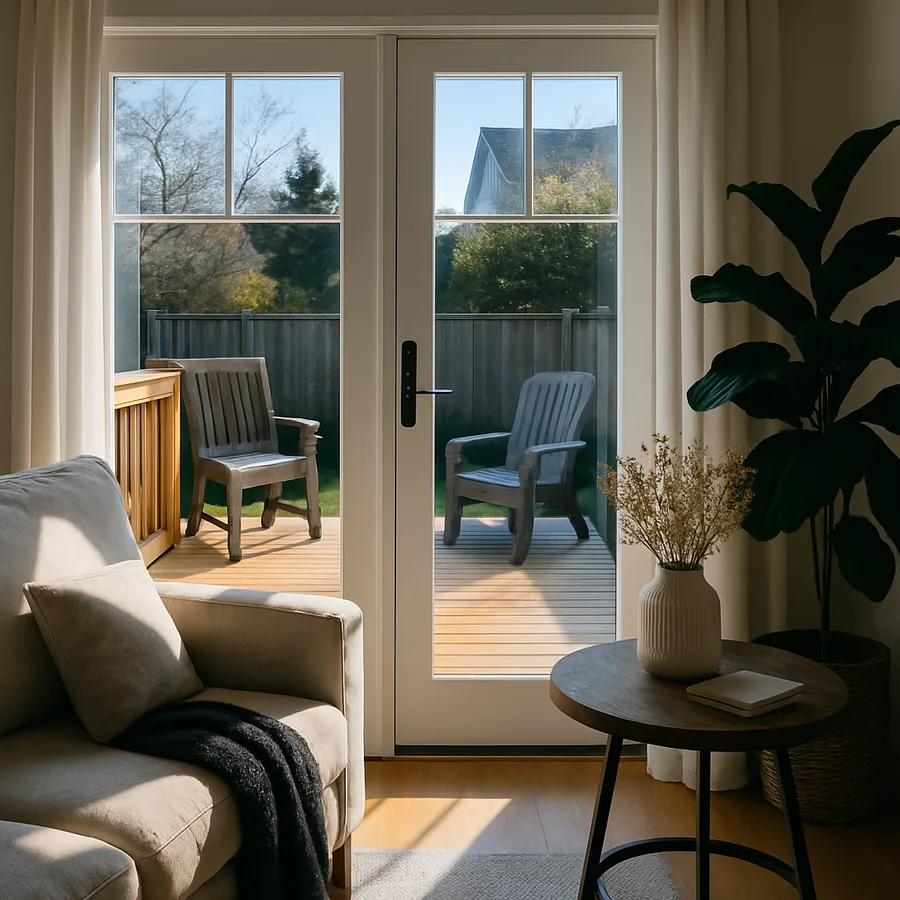
Choosing between cedar and composite decking is rarely a one-axis decision. Sticker price tells one story, the maintenance ledger tells another, and the way each material ages across a decade of weather, foot traffic, and homeowner attention tells the most honest story of all. A 480 square foot deck looks identical on paper whether it is built from western red cedar or from a top-tier composite, but the spreadsheet at year ten looks completely different depending on which material went down on day one. The variable that decides the comparison is almost always how much the homeowner is willing or able to do themselves, and how disciplined they are about doing it on schedule.
This guide walks through the actual numbers in a way that respects both materials. Neither cedar nor composite is universally better. Each is better at specific things, and the right choice depends on climate, sun exposure, expected ownership horizon, and the homeowner's appetite for periodic refinishing work. The most expensive deck is the one built from the wrong material for the way you actually live with it.
Installed Cost Per Square Foot: What You Actually Pay
As of current 2026 lumberyard pricing in most North American markets, western red cedar 5/4 by 6 deck boards run between $4.50 and $7.50 per linear foot for premium tight-knot grades, which translates to roughly $9 to $15 per square foot of decking surface for material alone. Mid-grade composite from established manufacturers runs $6 to $11 per square foot for material, while premium capped composite from the top-tier lines reaches $11 to $16 per square foot. Installed costs add framing lumber, joist hangers, fasteners, ledger flashing, and labor, and the total for a 480 square foot deck typically falls between $22 and $35 per square foot for cedar and $30 to $48 per square foot for premium composite.
The North American Deck and Railing Association has noted in industry surveys that composite has captured a growing majority of new residential deck construction, in part because the installed cost gap has narrowed substantially over the last decade. In 2010, composite cost roughly twice what cedar cost installed; in 2026, the premium is closer to 25 to 40 percent. That shift changes the breakeven calculation dramatically, because the maintenance savings on composite have to recoup a much smaller upfront delta than they used to.
Fastener choice is another hidden cost line. Cedar accepts standard stainless or hot-dipped galvanized deck screws driven through the face of the board, which is fast labor. Composite typically requires hidden fasteners that clip into a milled groove on the board edge, which adds $1.50 to $3 per square foot in fasteners alone and slows installation by 20 to 30 percent. Have you priced your project both ways with the same contractor? The labor differential is real and worth pricing explicitly.
Year One Through Year Three Maintenance
Cedar requires its first cleaning and protective finish within three to nine months of installation, depending on climate. The first year is when the wood is most vulnerable to UV graying, mildew on shaded sections, and tannin bleeding around fasteners. A typical year-one routine involves a light pressure washing at 1,200 to 1,500 PSI, two days of drying, and a coat of penetrating oil-based or water-based wood stain. Material costs run $80 to $150 for a 480 square foot deck, and labor is six to eight hours of homeowner time or roughly $300 to $500 if hired out.
Composite in the same period asks almost nothing of the owner. A capped composite deck typically needs a soap-and-water wash twice a year to remove pollen, food spills, and surface grime. There is no staining, no sealing, no sanding, and no fastener inspection beyond a visual walk. Annual maintenance cost for a capped composite deck during the first three years is generally under $50 in cleaning supplies and one to two hours of homeowner time. This is the period where composite establishes its maintenance advantage and where most cedar decks first develop the worn spots that homeowners will live with for the rest of the deck's life.
One important caveat: uncapped first-generation composites from before roughly 2010 had real mold and staining problems and required more aggressive cleaning. Modern capped composites with polymer shells on three or four sides resist these issues to a meaningful degree, but a homeowner inheriting a 1990s composite deck is not in the same maintenance situation as someone installing a current-generation capped board today.
The Decade Long Cost Curves
Plot the cumulative spend on each material across ten years and the curves cross at different points depending on how diligently the cedar is maintained. A well-maintained cedar deck refinished every two to three years on a 480 square foot footprint accumulates roughly $1,200 to $2,400 in materials and 60 to 100 hours of labor over a decade. Hire that work out and the labor adds another $4,000 to $6,000 across the ten years. A capped composite deck on the same footprint accumulates roughly $250 to $500 in cleaning supplies and 20 to 30 hours of homeowner time over the same period.
The total ten-year cost picture, including initial installation, looks roughly like this for a 480 square foot deck: cedar with DIY maintenance lands between $13,000 and $20,000; cedar with hired maintenance lands between $17,000 and $26,000; capped composite with DIY cleaning lands between $14,500 and $23,500. The DIY cedar and DIY composite numbers overlap meaningfully, which is why disciplined DIYers often choose cedar despite the additional work. The hired-maintenance cedar number is where composite establishes a clear and compounding advantage.
Industry data from NADRA and from the FSC on certified cedar production both suggest that the long-term cost of either material is dominated by labor rather than materials, which is why the homeowner's willingness to refinish matters so much more than the raw price per board foot.
Climate And Microclimate Effects
Cedar performs best in climates where it can dry out between wettings. The Pacific Northwest, surprisingly, can be hard on cedar because the wood spends so much of the cooler months in a damp state, encouraging mildew on shaded sections. Arid mountain climates with strong UV are equally hard, accelerating photodegradation and the silvering of the surface that owners either embrace or fight against. The kindest climate for cedar is a temperate region with moderate humidity and significant tree shade, where the wood can dry quickly and is not constantly bombarded with direct sun.
Composite is more climate-agnostic but has its own weaknesses. In hot climates with full sun exposure, dark composite boards can reach surface temperatures of 160 to 180 degrees Fahrenheit, which is uncomfortable to walk on barefoot and which causes thermal expansion that demands precise gapping during installation. Light-colored composites mitigate the heat issue but show stains and wear more visibly. In cold climates, ice melt products containing calcium chloride can leave residue on composite that requires more aggressive cleaning to remove.
Microclimate within a single property also matters. A south-facing cedar deck will need refinishing every 18 to 24 months while a north-facing or shaded cedar deck might stretch to three or four years between coats. Composite shows much less variation across these microclimates, which is part of its appeal for homeowners who do not want to track maintenance schedules per section.
Aesthetic Aging And Replacement Realities
Cedar ages by changing. Left untreated, it silvers to a soft gray over 18 to 36 months. Treated with a clear penetrating oil, it holds a warm honey tone for two to three years between coats. Treated with a semi-transparent stain, it can hold a deeper amber or russet for three to five years. Treated with a solid stain, it looks painted, masks the grain, and lasts longer between coats but eventually peels and requires more aggressive surface preparation before the next refinish. Each of these aesthetic paths is valid; choosing one is part of choosing cedar.
Composite ages by holding still, mostly. The first generation of uncapped composites faded noticeably within five years and developed a chalky surface that owners learned to live with. Modern capped composites hold their factory color with much smaller drift, often less than 10 percent fade across a decade, though this varies significantly by manufacturer and by exposure. The aesthetic risk with composite is not fading but rather the dated look of a particular embossing pattern or color palette ten years after installation, when the next generation of boards has moved on to subtler textures and more sophisticated tones.
Replacement realities are also different. A cedar board can be removed and replaced individually if it splits, cups, or rots, with the new board blending in within a season once it weathers to match. A composite board, especially one that has been in service for several years, almost never matches a freshly purchased replacement; the entire deck section often has to be replaced to maintain visual continuity. This makes the question of how long the manufacturer will keep producing your specific board in your specific color a real question to ask before specifying a particular composite line.
Decision Framework: Choosing The Right Material For You
The honest decision framework starts with three questions. First, will you do the maintenance yourself, or will you pay someone to do it? If the answer is pay someone, composite almost always wins on a ten-year basis. If the answer is yourself, the comparison becomes much closer and depends on your tolerance for the work itself. Second, how long do you plan to own the home? At a five-year ownership horizon, the upfront price difference dominates and cedar tends to win on cash basis. At a fifteen-year horizon, composite's maintenance savings pull ahead even at hired-labor rates.
Third, how do you feel about a deck that changes appearance over time? Cedar will look different every year. Composite will look mostly the same. Some owners find weathered cedar deeply satisfying as a marker of age and use; others find it shabby and want a deck that looks like the day it was installed for as long as possible. There is no wrong answer, but the answer should be conscious before you spend $15,000 on a deck.
A fourth consideration matters for some buyers: environmental footprint. FSC-certified cedar from a well-managed forest is a renewable, sequestering material that can be reclaimed or composted at end of life. Composite is a fossil-derived plastic and reclaimed wood fiber composite that lasts a long time but is generally not recyclable in current municipal streams. Neither material is clean, but they are clean in different ways, and homeowners who care about the embodied carbon of their home should weigh that factor explicitly. The right material is the one that aligns with your maintenance reality, your ownership horizon, your aesthetic preference, and your environmental values, in roughly that order.
Conclusion
The cedar versus composite question is one of the few decking decisions where the answer genuinely depends on the specific homeowner rather than on the material's objective merits. A disciplined DIY owner with a temperate climate and a love for warm wood tones will probably be happier with cedar across a decade, even with the periodic refinishing work. A busy professional in a hot climate who values consistent appearance and minimal weekend maintenance will almost certainly be happier with capped composite. Both decks can deliver thirty years of useful service if specified, installed, and cared for appropriately.
The mistakes to avoid are well-documented. Cedar fails when it is not refinished on schedule, when it is installed too close to grade with poor drainage, or when the framing below is left untreated and rots first. Composite fails when it is installed without adequate gapping for thermal expansion, when it is specified in a dark color in full sun, or when the underlying framing is sized for cedar's lighter dead load and is not stiff enough to prevent telegraphing through the composite surface. Each of these failures is preventable with attention at the design and installation phase.
What does your honest maintenance ledger look like? Are you the homeowner who refinishes the deck every other spring without complaint, or the one who keeps meaning to and never quite gets to it? That self-assessment will tell you more about which material you should choose than any spec sheet ever will. The deck industry has matured to the point where both materials, well-installed, deliver real value across a long ownership period. Pick the one whose maintenance pattern matches your life. Walk your deck this weekend, look at where it lives in sun and shade, think honestly about the next ten years, and make the call from there. If you are still undecided, get itemized quotes for both materials from a NADRA-member contractor and compare the ten-year totals rather than the day-one totals.
More Articles You May Like



Comments
Post a Comment