Wicker Furniture Spray Paint Refresh for Outdoor Pieces
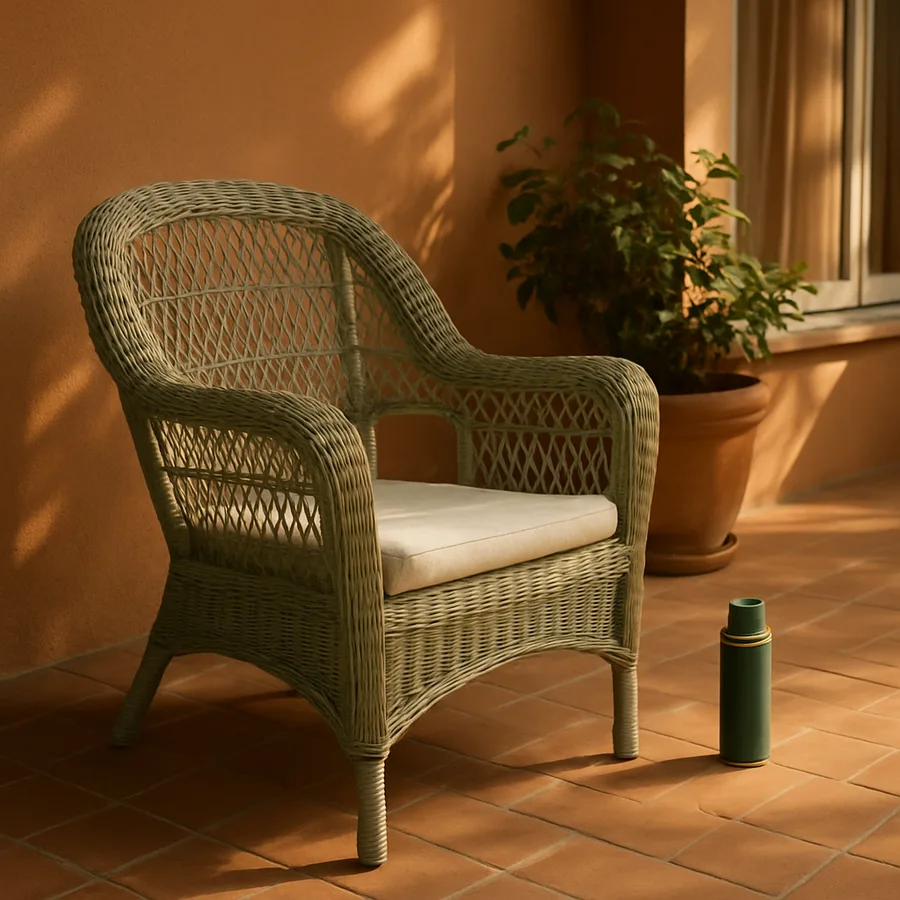
Outdoor wicker leads a punishing life. Sun bleaches it, rain swells it, pollen coats it, and by the third or fourth season it usually looks like driftwood that lost a fight. The temptation is to replace it, but a properly prepped and sprayed refresh can buy you another five to seven years of beautiful use for less than the cost of a single new chair. The trick is doing the work in the right order and using the right paint chemistry, because shortcuts at any step show up within a single rainy week.
This guide walks through the complete process from inspection to final cure, with the materials, tools, and timing that produce a finish indistinguishable from factory work. We will draw on guidance from the Paint Quality Institute, the American Coatings Association, and field-tested techniques used by professional outdoor furniture refinishers. Whether you are working with traditional natural wicker, paper rush, or modern resin wicker, the sequence is similar with minor adjustments.
Knowing What Kind of Wicker You Have
The first decision is identification. Traditional wicker is woven from natural plant fibers, usually rattan, willow, reed, or paper rush. Modern outdoor wicker is woven from extruded resin, typically high-density polyethylene, designed to mimic the look of natural fibers while resisting moisture. The two materials require completely different paint preparation, and using the wrong primer is the single most common cause of refresh failure within the first season.
To identify which type you have, look closely at a single strand. Natural fibers show visible grain, irregular thickness, and a slight fuzz when scratched. Resin strands look uniform, slightly waxy, and reveal a smooth interior when scraped. If you are still unsure, hold a lighter near a single fiber for one second. Natural fiber smells like burning paper. Resin smells like burning plastic. Either test resolves the question in seconds.
Have you ever bought spray paint for an outdoor piece and watched it peel off in sheets within months? That is almost always the result of painting resin wicker without the correct plastic-bonding primer. Resin requires either a dedicated plastic primer such as Krylon Fusion base coats or a light scuff with 220-grit sandpaper followed by an adhesion promoter. Natural wicker, by contrast, accepts most general-purpose primers without special preparation.
Stripping, Cleaning, and Repairing Before You Spray
Begin by removing every cushion, hardware piece, and detachable element. Set the bare frame on a tarp in a shaded outdoor area or a well-ventilated garage. Inspect for broken strands, loose wraps, or split joints, and address all repairs before any cleaning. Use a hot-glue gun loaded with appropriate adhesive for natural fibers or a clear epoxy for resin. Small repairs done now save enormous frustration later, since paint will telegraph every flaw underneath.
For cleaning, mix a solution of one cup of trisodium phosphate substitute in a gallon of warm water. Scrub the entire piece with a soft natural-bristle brush, working into every weave intersection. Pay special attention to the underside of seats and the back of vertical panels, since these collect the most pollen and mildew. Rinse thoroughly with a garden hose at low pressure, then let the piece dry in shade for at least twenty-four hours, preferably forty-eight in humid climates.
While the piece is drying, you can address any stubborn flaking of old paint. Use a soft brass-bristle brush to lift loose flakes without damaging the underlying weave. Do not attempt to strip every trace of old paint, since the goal is a sound surface, not bare fiber. Stripping wicker to bare material with chemical strippers almost always damages the fibers and is rarely worth the effort according to refinishing guidance published by the Paint Quality Institute.
Choosing the Right Spray Paint System
The single most important decision is paint chemistry. For outdoor use, choose a paint engineered specifically for exterior surfaces with explicit UV resistance. Acrylic latex spray paints offer the best balance of adhesion, flexibility, and weather resistance for natural wicker. For resin wicker, choose a paint designated for plastics, often labeled as bonding or fusion paint. Both should carry an exterior rating from the manufacturer.
Color choice matters more than you might think. Light colors reflect heat and resist fading longest, while dark colors absorb heat and may cause resin wicker to soften under direct sun. The American Coatings Association publishes data showing that white and light pastel exterior paints retain roughly ninety percent of their original color after five years of southern exposure, while dark navy and black retain only sixty to seventy percent in the same conditions. If your piece sits in full sun, factor this into the color decision.
Plan to use approximately one can of spray paint per chair, two for a love seat, and three for a sofa, with an extra can on hand for touch-ups. Always buy from the same manufacturing lot if possible to avoid subtle color differences between cans. Most home centers will let you check the lot number on the bottom of each can before purchase. According to House Beautiful outdoor refresh features, roughly two-thirds of color mismatch problems come from mixing lots, not from manufacturing defects.
Application Technique That Avoids Drips and Holidays
Spray painting wicker is fundamentally different from spray painting flat surfaces because the woven structure creates dozens of micro-shadows that hide unpainted areas. The solution is to spray from multiple angles in light coats. Hold the can roughly ten inches from the surface, move it in a steady horizontal pass, and overlap each pass by fifty percent. Then rotate ninety degrees and repeat. Then forty-five degrees and repeat again.
Apply at least three light coats, allowing fifteen to twenty minutes of flash time between coats. Resist the urge to load on a heavy single coat to save time, because heavy coats sag, drip, and cure poorly inside the weave. Working in three light passes from multiple angles produces a finish that is uniform, fully covered, and free of the dreaded missed spots that appear only after the piece dries and you carry it into sunlight.
Temperature and humidity matter. Spray paint manufacturers specify an application window of roughly 50 to 90 degrees Fahrenheit and humidity below 70 percent. Painting outside that window risks slow cure, blushing, and poor adhesion. The ideal day is between 65 and 80 degrees with low humidity and minimal wind. If your only available time falls outside that window, work in a heated or cooled garage with a fan running for ventilation rather than push through bad conditions outside.
Sealing for Maximum Longevity
For pieces that will live fully exposed to weather, a clear topcoat extends the life of the color significantly. Choose a clear sealer compatible with your paint chemistry. A spray-on UV-resistant clear acrylic adds two to three years of fade resistance, while a clear polyurethane offers superior moisture protection at the cost of a slight amber tint. Pick one or the other based on whether sun damage or moisture is the bigger threat in your climate.
Apply the clear coat the same way you applied the color, in three light passes from multiple angles with appropriate flash time between coats. Pay special attention to horizontal surfaces and the upper portions of vertical members, since these receive the most direct sun and rain exposure. The bottom undersides of seats need less attention since they rarely see direct weather.
Allow the entire piece to cure for a full week before returning it to outdoor service. Even though the surface feels dry within hours, the underlying paint film continues to harden chemically for several days, and putting cushions back too soon can imprint fabric texture into the soft paint. The American Society of Interior Designers recommends a seven-day cure for any outdoor refresh, regardless of what the can label suggests, and the extra patience pays for itself in years of additional service life.
Maintaining the Finish Season After Season
A properly refreshed wicker piece needs only modest annual maintenance to stay beautiful. Each spring, give the entire piece a gentle wash with a soft brush and mild soap, rinse thoroughly, and let dry. Inspect for any chips or scratches, and touch up immediately with a light spray of matching paint, masking off the surrounding area with newspaper. Small repairs caught early prevent moisture from working its way under the paint film and lifting larger sections.
Have you considered seasonal storage as a maintenance strategy? Pieces that overwinter in a covered porch, garage, or storage shed last roughly twice as long as pieces left exposed year round. If full storage is impossible, invest in fitted breathable furniture covers and use them whenever the piece is not in active use. Sealed plastic covers trap moisture and accelerate decay, so always choose a cover designed for outdoor furniture with vent panels.
Refresh roughly every five to seven years, depending on your climate and exposure. Light coastal pieces with full sun exposure may need attention every four years, while pieces in shaded northern porches can go ten years or more between refreshes. The signs that it is time to refresh include visible chalking when you wipe the surface with a dark cloth, fading in any direction, or the appearance of small chips around joints. Catch these early and your refresh stays simple.
Color Strategy and Long-Term Aesthetic Planning
The color you spray today shapes how your patio looks for the next half-decade, so it deserves more thought than most owners give it. Walk through your outdoor space at the times of day you actually use it, and notice how the existing landscape colors shift from morning warm light to harsh midday to golden hour. A color that looks brilliant at noon may look muddy at sunset, and the only way to know is to test paint chips outdoors at multiple hours before committing to a full refresh.
For homeowners with neighborhood aesthetic guidelines or homeowners associations, check any color restrictions before purchase. Many planned communities require exterior furniture to fall within an approved palette, and refreshing into a non-approved color can trigger fines and forced refinishing. The National Association of Home Builders reports that roughly forty percent of newer planned communities maintain some form of exterior color guideline, so the question is worth a quick email to your association before you buy anything.
Have you considered the resale impact of your color choice? Bold colors like turquoise, hot coral, and saturated yellow date a property quickly and can complicate a future sale. Neutral colors like ivory, soft gray, deep navy, and warm white photograph beautifully in real estate listings and appeal to a much broader buyer pool. If you might sell the home within five years, lean neutral. If you plan to stay long term and the patio is genuinely your private retreat, the bolder choice can be wonderful.
Finally, think about coordination with cushion fabrics. Your refresh paint and your cushion textiles need to live together for at least the life of one cushion set, typically three to five years for outdoor fabric. If you have existing cushions you love, choose paint that complements them. If you are replacing both, choose the paint first and then the fabric, since paint colors are limited and fabric options are essentially infinite. The order matters, and reversing it almost always produces a clash that takes another refresh cycle to fix.
Conclusion
A weekend of careful work transforms a sad outdoor wicker piece into something that looks brand-new and lasts another half-decade or more. The total investment is roughly forty to seventy dollars in materials and a single weekend of effort, against a replacement cost that often exceeds five hundred dollars per piece. The math favors refreshing every time, and the satisfaction of doing the work yourself is hard to overstate.
The keys are unhurried preparation, correct paint chemistry for your specific wicker type, light layered coats from multiple angles, and a clear topcoat for added longevity. Skip any of those steps and you will be back at the spray cans within a single season. Honor all of them and you will be enjoying your piece for years while neighbors replace theirs every other summer.
Ready to rescue your tired outdoor wicker? Choose a clear weekend, gather your supplies tonight, and start the cleaning step Saturday morning. By Sunday evening you will have a refreshed piece curing under cover, and by the following weekend you will be enjoying it as if it were new. Share your before-and-after photos with our community to inspire other readers tackling similar projects.
More Articles You May Like



Comments
Post a Comment