Rattan and Cane Furniture Pieces That Suit Any Design Style
Why Rattan and Cane Remain Timeless Materials
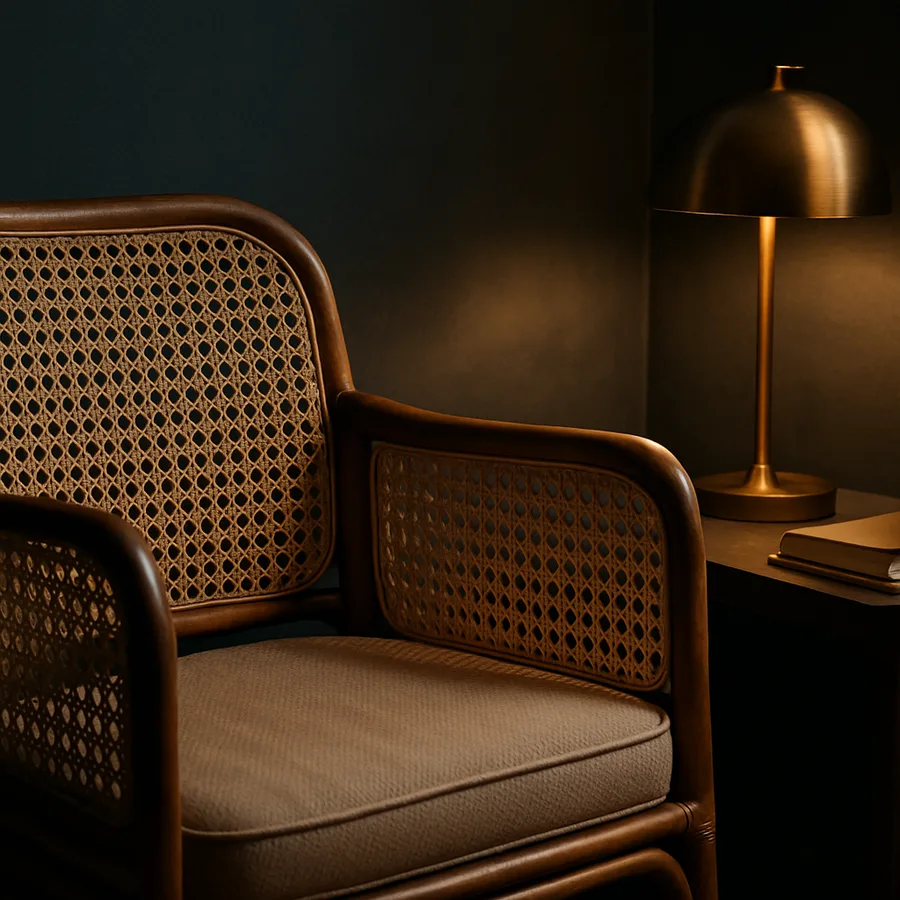
Few materials carry the kind of cross-generational appeal that rattan and cane bring to interior design. Both are derived from palm plants native to tropical regions of Asia, Africa, and Australasia, and they have been used in furniture making for centuries. Their lightweight yet durable nature makes them suitable for everything from dining chairs to elaborate headboards. The fact that these materials have never truly fallen out of favor speaks to their fundamental versatility and warmth.
Rattan refers to the solid vine-like stems of climbing palms, which can be bent into structural frames for furniture. Cane, on the other hand, is the outer skin of the rattan plant, typically woven into sheets for seat backs and panels. According to the American Society of Interior Designers (ASID), natural materials like rattan and cane have seen a 34 percent increase in specification requests from residential clients over the past five years. This surge reflects a broader movement toward biophilic design and sustainable sourcing in home furnishings.
What separates rattan and cane from other natural materials is their remarkable strength-to-weight ratio. A well-constructed rattan chair can support significant weight while remaining easy to move from room to room. The material also accepts stains and paints readily, which means a single piece can be refinished to match evolving tastes. This adaptability is precisely what makes these materials so enduring across different design movements and personal styles.
The environmental profile of rattan further adds to its appeal. Unlike hardwood timber, rattan palms grow rapidly and can be harvested without killing the parent plant. The World Wildlife Fund (WWF) has supported sustainable rattan harvesting programs in Southeast Asia as a way to preserve forest ecosystems while providing economic opportunities for local communities. For homeowners who care about the ecological footprint of their purchases, rattan and cane furniture offers a genuinely responsible choice.
Rattan in Coastal and Bohemian Interiors
Coastal design and bohemian aesthetics are perhaps the most natural homes for rattan and cane furniture. In a coastal interior, the organic texture of rattan pairs effortlessly with white linen, sea glass accents, and weathered wood. A rattan pendant light hanging above a bleached oak dining table instantly communicates relaxed seaside living without feeling contrived. The material's natural honey tones echo the warmth of sun-bleached sand and driftwood.
Bohemian spaces thrive on layered textures and collected-over-time aesthetics, and rattan fits this narrative perfectly. A cane-backed peacock chair draped with a vintage textile becomes a statement piece that anchors a reading corner. Rattan shelving units loaded with books, plants, and ceramics contribute to that curated, worldly atmosphere that defines bohemian design. The slight imperfections in handwoven cane panels add character that mass-produced furniture simply cannot replicate.
Have you ever noticed how a single rattan piece can soften an entire room? In both coastal and bohemian settings, the material acts as a visual bridge between harder surfaces like tile floors or plastered walls and softer elements like cushions and rugs. Interior stylist and Houzz contributor Emily Henderson has frequently highlighted rattan's ability to add warmth without competing with bolder pattern choices in a room. This balancing quality is one reason designers keep returning to the material season after season.
When sourcing rattan for coastal or bohemian rooms, look for pieces with visible weaving patterns and natural finishes rather than heavily lacquered options. The goal is to preserve that handmade, organic quality that makes the material special. Vintage rattan pieces from the 1970s are particularly sought after for their generous proportions and intricate weaving details. Flea markets, estate sales, and specialized vintage dealers remain excellent sources for these characterful finds.
Integrating Cane Furniture into Minimalist Spaces
Minimalist interiors might seem like an unlikely setting for rattan and cane, but the pairing works beautifully when handled with restraint. A single cane-paneled sideboard against a white wall becomes a sculptural focal point, its geometric weave pattern providing visual interest without clutter. The key is selecting pieces with clean lines and simple silhouettes that align with minimalist principles of form following function.
Scandinavian minimalism, in particular, has embraced cane furniture with open arms. Danish and Swedish furniture makers have a long tradition of incorporating cane into chair seats and cabinet doors, treating it as a functional material rather than a decorative one. The iconic CH24 Wishbone Chair by Hans Wegner, with its hand-woven paper cord seat, demonstrates how natural weaving techniques can serve both structural and aesthetic purposes in pared-back design. This lineage gives cane furniture genuine credibility in minimalist contexts.
The National Kitchen and Bath Association (NKBA) reports that cane-inset cabinet doors have become one of the most requested upgrades in kitchen renovations emphasizing clean, organic aesthetics. In a minimalist kitchen, cane panels on upper cabinets soften the rigidity of flat-front lower cabinets while allowing visual permeability. This means the eye can sense depth and texture without the heaviness of solid doors, maintaining the airy quality that minimalist kitchens demand.
Color plays an important role when placing cane and rattan in minimalist rooms. Natural blonde tones work well against cool whites and warm creams alike. For a more dramatic minimalist approach, consider rattan pieces that have been stained in matte black or charcoal gray. These darker finishes preserve the textural interest of the weave while aligning with monochromatic color schemes. The result is furniture that feels simultaneously modern and rooted in craft tradition.
Traditional and Transitional Rooms: A Natural Fit
Rattan and cane have deep roots in traditional interior design, dating back to the colonial era when European traders brought the material home from Southeast Asian expeditions. In a traditional living room, a cane-backed bergère chair upholstered in a rich velvet or damask fabric bridges the gap between formal elegance and organic texture. These pieces carry historical weight that resonates with the layered, reference-rich approach of traditional decorating.
Transitional design, which blends traditional and contemporary elements, is perhaps where rattan and cane shine most brightly. A transitional bedroom might feature a rattan headboard paired with streamlined nightstands and modern table lamps. The headboard adds warmth and organic texture that prevents the room from feeling sterile, while the contemporary accessories keep the space from veering into overly traditional territory. This push-pull dynamic is the essence of transitional style.
According to a survey conducted by Better Homes & Gardens (BHG), 62 percent of homeowners undertaking living room renovations expressed interest in incorporating at least one piece of furniture made from natural materials like rattan, jute, or seagrass. This statistic underscores the widespread appeal of these materials beyond any single design category. Whether the surrounding furnishings lean classic or contemporary, rattan and cane adapt gracefully to the company they keep.
For traditional and transitional spaces, consider cane furniture with more ornate detailing. Scalloped edges on a cane headboard, turned legs on a rattan console, or brass ferrules on a cane-paneled bar cart all add the kind of refined detail that traditional rooms appreciate. These small touches transform rattan from a casual material into something that can hold its own alongside polished mahogany and gilt mirrors. The juxtaposition creates visual tension that makes a room feel collected and intentional.
Practical Considerations for Rattan and Cane Care
Understanding how to care for rattan and cane is essential if you want these pieces to last for decades. Dust accumulation is the primary enemy of woven furniture because fine particles settle into the weave and gradually abrade the fibers. Regular dusting with a soft brush attachment on a vacuum cleaner prevents this buildup. For deeper cleaning, a damp cloth with mild soap works well, but the material should be dried thoroughly to prevent mold or mildew.
Humidity levels matter significantly for rattan and cane. In very dry environments, the fibers can become brittle and crack, while excessive moisture can cause warping and encourage fungal growth. The American Society of Interior Designers recommends maintaining indoor humidity between 40 and 60 percent for homes with significant natural fiber furnishings. A simple hygrometer placed near your rattan pieces can help you monitor conditions and take corrective action when necessary.
What about rattan furniture in outdoor or semi-outdoor spaces like covered porches? Natural rattan is not waterproof, so direct exposure to rain will degrade the material over time. For outdoor use, look for synthetic rattan made from polyethylene or resin, which mimics the appearance of natural rattan while withstanding weather exposure. Many manufacturers now produce synthetic options that are remarkably convincing, allowing you to extend the rattan aesthetic to patios and sunrooms without sacrificing durability.
Minor damage to cane panels is repairable at home with some patience. Small breaks in individual strands can be spliced with new cane material using wood glue. For more extensive damage, such as a sagging seat caused by overstretched cane, professional recaning services can restore the piece to its original tautness. The Houzz professional directory lists furniture restoration specialists in most metropolitan areas who specialize in wicker and cane work.
Sourcing Quality Rattan Pieces and Avoiding Common Pitfalls
Not all rattan furniture is created equal, and knowing what to look for when shopping can save you from costly disappointments. The most important factor is the quality of the frame joints. High-quality rattan furniture uses tightly wrapped binding at every joint, often reinforced with small nails or screws hidden beneath the wrapping. Loose or poorly wrapped joints indicate rushed manufacturing and will lead to wobbling and eventual failure under regular use.
The thickness and consistency of the rattan poles also matter. Premium pieces use poles of uniform diameter that have been properly seasoned and dried before construction. Green or insufficiently dried rattan will shrink as it loses moisture, loosening joints and causing structural problems. Reputable manufacturers like Soane Britain, Serena & Lily, and McGuire Furniture maintain strict material selection standards that ensure their rattan pieces age gracefully rather than deteriorating.
Price can be a useful indicator of quality, but it is not infallible. Mass-market retailers have improved their rattan offerings considerably, and some mid-range pieces offer excellent value. However, be skeptical of extremely inexpensive rattan furniture, particularly pieces shipped directly from overseas with minimal quality control. These budget options often use thinner rattan, weaker joints, and finishes that yellow or peel within a few years. Investing a bit more upfront typically yields furniture that will serve you for a decade or longer.
Vintage rattan deserves special mention as a sourcing strategy. Pieces from the mid-twentieth century were often constructed to higher standards than much of what is available today, using thicker rattan and more labor-intensive joinery techniques. A coat of fresh paint or a careful cleaning can transform a dated vintage piece into something that looks entirely contemporary. The Architectural Digest marketplace and curated vintage platforms like Chairish regularly feature restored rattan furniture at various price points.
Conclusion: Building a Room Around Rattan and Cane
The versatility of rattan and cane furniture is not a marketing claim but a demonstrable reality confirmed by centuries of use across vastly different design traditions. From the airy informality of a beachside cottage to the structured elegance of a traditional drawing room, these materials adapt and enhance without ever dominating a space. Their organic warmth, sustainable credentials, and remarkable durability make them a sound investment for any homeowner looking to add depth and character to their interiors.
Starting your own collection does not require a complete room overhaul. A single cane-backed dining chair, a rattan side table, or a woven pendant light can introduce the material's character into your existing scheme. From there, you can build gradually, mixing rattan and cane pieces with your current furnishings to create a layered, personal interior. The material is forgiving enough to blend with almost anything you already own, which makes the entry point remarkably accessible.
Consider visiting a local furniture showroom that carries rattan pieces so you can feel the weight, test the joints, and see the weave up close before committing to a purchase. Photographs rarely capture the tactile richness that makes these materials so appealing in person. Once you experience the warmth and craft quality of well-made rattan furniture firsthand, you will understand why designers across every style category continue to champion it as an essential element in thoughtful interior design.
If you are ready to introduce rattan or cane into your home, start by identifying one room where you want more warmth and texture, then select a single statement piece that fits both the scale and the style of that space. Browse our curated collection of rattan and cane furniture to find pieces that match your personal aesthetic and bring natural elegance into your everyday living.
More Articles You May Like



Comments
Post a Comment