Unlocking Creativity: The Role of AI in Personalized Interior Design Solutions
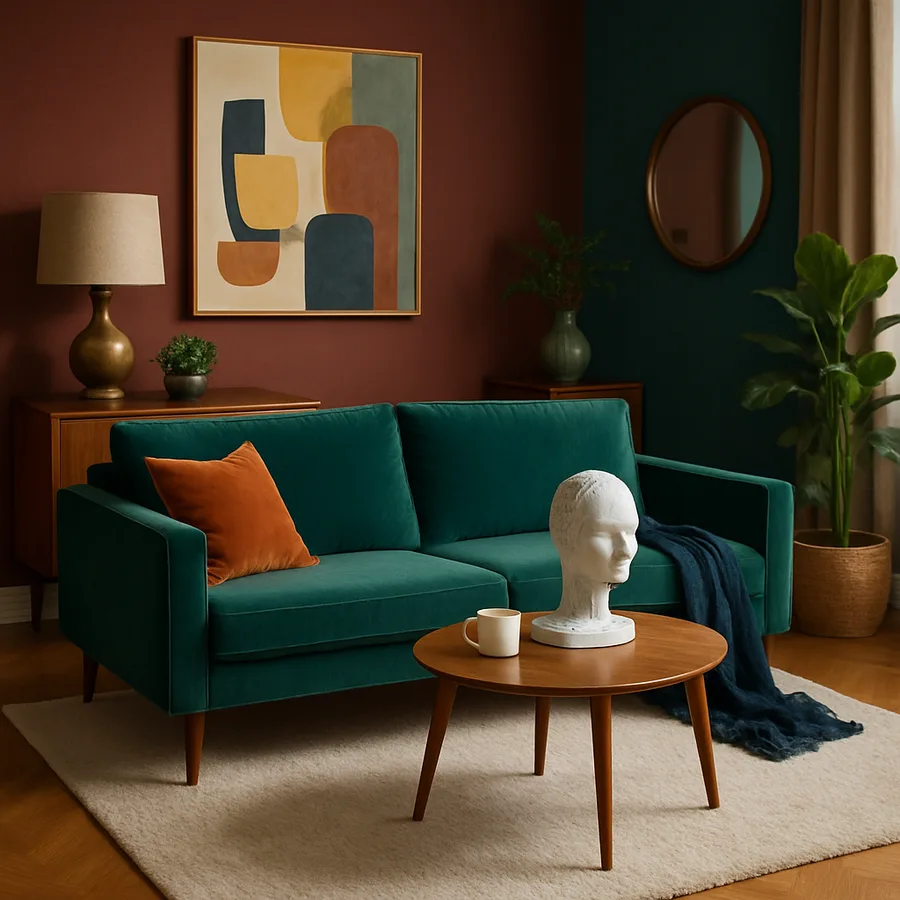
Imagine stepping into a room designed perfectly to suit your tastes and lifestyle, yet you barely lifted a finger. This is the promise of AI-driven personalized interior design solutions. Many homeowners face the daunting task of translating their abstract preferences into tangible designs. With AI's growing presence in the industry, this challenge is becoming easier to navigate. In this article, we'll explore the impact of AI in interior design, delve into the root causes of design challenges, and offer practical solutions for leveraging AI in your next project.
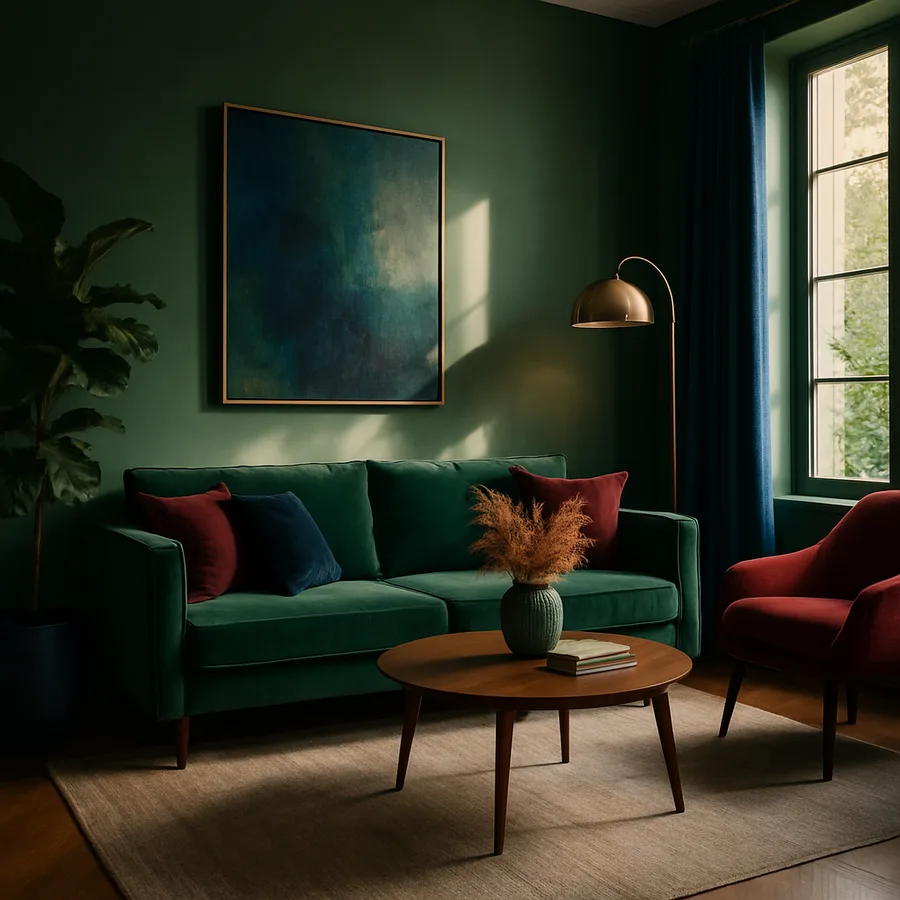
Why This Problem Matters
The traditional process of interior design can be overwhelming for many. Homeowners often struggle to articulate their vision, leading to dissatisfaction and costly redesigns. According to a survey by Houzz, 36% of homeowners report stress during the renovation process, primarily due to difficulties in visualizing the final outcome. This disconnect not only impacts satisfaction but can also inflate budgets as changes are made mid-project. The need for a more intuitive, efficient design process is clear.
Furthermore, the stakes are high when it comes to home design. A poorly executed interior can depreciate a home's resale value. The American Society of Interior Designers (ASID) notes that well-designed spaces can increase property value by 5-15%. This underscores the importance of getting it right the first time. Yet, without the proper tools or expertise, many homeowners find themselves frustrated and financially strained.
AI offers a promising solution by bridging the gap between imagination and reality. By utilizing complex algorithms and data analysis, AI can predict and recommend designs tailored to individual preferences. This not only enhances the creative process but also aligns outcomes with expectations, potentially reducing the financial risk associated with design projects. But why has this problem persisted until now? Understanding the root causes is essential for appreciating AI's transformative role.
Understanding the Root Causes
One major root cause is the subjective nature of taste and style. What one person sees as elegant, another might view as cluttered. This subjectivity makes it challenging for designers to create spaces that are universally appealing while still personalized. Designers must often rely heavily on client feedback, which can be inconsistent or vague. This creates a cycle of trial and error, delaying completion and increasing costs.
Technology limitations have also played a role. Until recently, most design software required significant expertise to operate effectively. Many homeowners found these tools inaccessible or too complex, leaving them reliant on professional designers. However, even professionals are sometimes limited by the software's capabilities, leading to iterations that may not fully capture the client's vision.
Finally, the traditional design process can be time-consuming, often requiring numerous consultations and revisions. This not only extends project timelines but also adds stress to the homeowner's experience. AI aims to streamline this process by providing more accurate visualizations and data-driven recommendations from the outset. By understanding these challenges, we can better appreciate how AI addresses them effectively.

Solution #1: AI-Powered Design Tools
AI-powered design tools are revolutionizing the interior design landscape by making it more accessible and efficient. Platforms like Houzz and Architectural Digest's AD PRO network offer AI-driven features that help homeowners visualize potential designs before committing to them. These tools use machine learning algorithms to suggest color palettes, furniture arrangements, and decor styles that match user preferences.
For instance, AI can analyze a user's past choices and suggest complementary design elements, creating a cohesive look that aligns with personal tastes. This level of personalization was previously unattainable without significant input from a human designer. Moreover, AI can quickly adapt to changes, offering new suggestions as preferences evolve. This adaptability is particularly useful for homeowners who may be uncertain about their final vision.
Experienced professionals often note that AI tools enhance creativity by freeing up designers to focus on more strategic tasks rather than getting bogged down in technical details. By automating routine decisions, designers can spend more time on conceptual development and client interaction, ultimately delivering more innovative and satisfying designs. But AI tools are just one part of the solution. Let's explore another approach that complements these advancements.
Solution #2: Virtual and Augmented Reality
Virtual Reality (VR) and Augmented Reality (AR) are game-changers in the realm of interior design. These technologies allow clients to experience a virtual walkthrough of their space before the first nail is hammered. By integrating AI with VR and AR, platforms can offer a fully immersive design experience where homeowners can explore different layouts and styles in real-time.
One practical application is the use of AR apps that overlay design elements onto existing spaces. This gives homeowners a preview of how colors, furniture, and decor will look in their actual environment, reducing the guesswork and anxiety associated with design decisions. Apps like MagicPlan or Houzz's own AR features are making this technology increasingly accessible to consumers.
VR, on the other hand, provides a comprehensive view of the entire design project. Homeowners can virtually "walk through" their redesigned homes, making adjustments as they go. This interactive process helps identify potential issues early, saving time and money. As these technologies become more mainstream, their integration with AI will offer even more powerful design solutions. But how do these options compare in terms of practicality and cost?
Comparing Your Options
Both AI-powered design tools and VR/AR technologies offer unique advantages, but they come with their own sets of considerations. AI tools excel in providing data-driven design suggestions and automating routine tasks, making them ideal for those looking to streamline the design process. They are generally more cost-effective, with many platforms offering free or subscription-based pricing models that fit a variety of budgets.
VR and AR, while potentially more expensive, offer unparalleled immersion and visualization capabilities. These technologies are particularly beneficial for complex, high-budget projects that require a detailed understanding of spatial dynamics. The cost of VR/AR solutions can vary significantly, with investments ranging from a few hundred to several thousand dollars, depending on the level of sophistication required.
Ultimately, the choice between these options depends on your specific needs, budget, and project scope. For smaller projects or those with financial constraints, AI tools may provide sufficient support. However, for larger renovations where space planning is critical, the investment in VR/AR could be justified by the enhanced clarity and confidence it brings to decision-making. In the next section, we'll guide you through implementing these technologies effectively in your project.
Implementation Guide
Before diving into AI or VR/AR tools, begin by clearly defining your design goals. What are the key pain points in your current space? What mood or style are you aiming to achieve? Answering these questions will provide a solid foundation for your design journey. Next, research and select the right tools that align with your needs. Platforms like Houzz and MagicPlan offer comprehensive resources for beginners and professionals alike.
Once you've chosen your tools, take advantage of tutorials and customer support to familiarize yourself with their features. This initial investment of time will pay off in the long run by reducing frustration and maximizing the tools' potential. As you begin designing, start with broad concepts and gradually refine your choices based on feedback and visualization outputs. This iterative process ensures that the final design reflects your vision while remaining practical.
Finally, consider consulting with a certified interior designer, especially for more complex projects. Professionals with credentials such as NCIDQ (National Council for Interior Design Qualification) can provide expert insights and help navigate any challenges that arise. By combining AI and VR/AR tools with professional guidance, you can achieve a personalized interior design that meets both aesthetic and functional needs.
Conclusion
As AI and VR/AR continue to evolve, their role in personalized interior design solutions becomes increasingly significant. These technologies offer innovative ways to overcome common design challenges, making the process more intuitive and enjoyable. Whether you're embarking on a small room refresh or a full-home renovation, leveraging these tools can lead to more satisfying outcomes.
Ready to explore AI in your next project? Start by browsing portfolios on Houzz this week - even 20 minutes of research will sharpen your eye for what you want. Remember, the perfect design is within reach, and with the right tools, you can unlock your home's true potential.
More Articles You May Like



Comments
Post a Comment