Creating Personalized Interiors: The Role of AI in Tailored Design Solutions
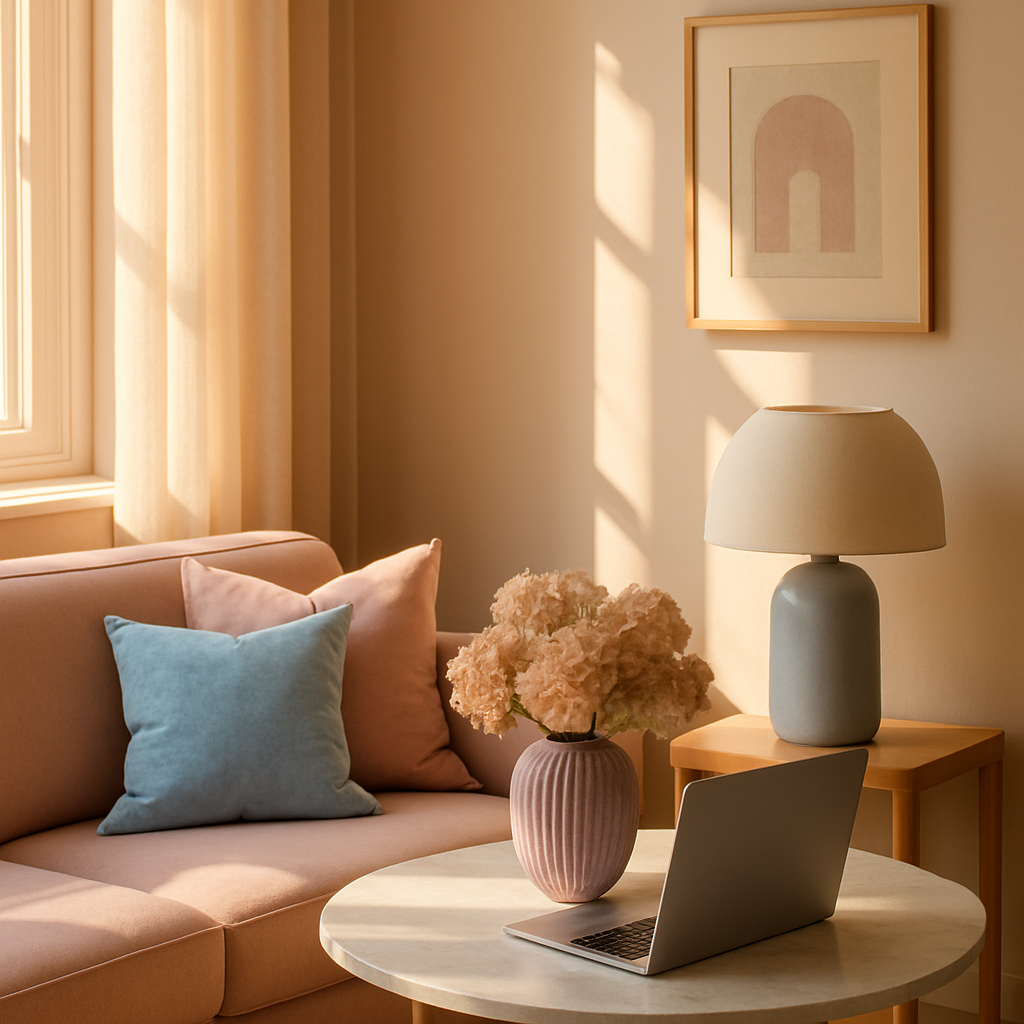
Imagine walking into a room that seems to have been designed specifically for you-every piece of furniture, every shade of paint perfectly harmonizing with your personal style. This is the promise of AI in interior design, a sector evolving rapidly as technology and creativity intersect. According to the American Society of Interior Designers (ASID), nearly 40% of designers are now incorporating AI tools into their workflows, enhancing their ability to craft bespoke environments. In this article, we'll explore the foundational concepts of AI in design, examine deeper analyses and data, provide actionable strategies for implementing AI tools, delve into expert insights, and discuss the future of AI in personalized interior design. Whether you're a homeowner or a professional, understanding AI's role can transform your approach to interior spaces.
The Foundation of AI in Interior Design
Artificial Intelligence (AI) is no longer a futuristic concept; it is a transformative force in various industries, including interior design. At its core, AI involves the use of machine learning algorithms and data analytics to simulate human intelligence in decision-making processes. In interior design, AI can analyze user preferences, lifestyle patterns, and spatial data to suggest design elements that align with a client's needs. This technology enables designers to create highly personalized interiors that are not only aesthetically pleasing but also functional and reflective of the client's personality.
The National Council for Interior Design Qualification (NCIDQ) underscores the importance of understanding client needs, and AI can play a pivotal role in this by analyzing large datasets to predict trends and preferences. By learning from past design projects and current industry trends, AI helps in creating unique interior setups that resonate with individual tastes. Think of AI as a design assistant that offers insights based on data, freeing designers to focus on the creative aspects of their work.
AI-driven tools, such as AR/VR room visualization applications, are becoming increasingly popular. These tools allow clients to virtually walk through a space before any physical changes are made, ensuring that the final design aligns with their vision. Platforms like Houzz and Pinterest are integrating AI to recommend design inspirations, further bridging the gap between client desires and designer capabilities. Understanding these foundational concepts is crucial as we delve deeper into how AI is reshaping the interior design landscape.
Deep Dive: AI's Impact on Design Decisions
According to a recent Houzz survey, 52% of homeowners are interested in technologies that aid in design planning, with AI tools topping the list. This statistic highlights a growing trend: consumers are embracing AI for its ability to provide data-driven design solutions. By leveraging large-scale data analysis, AI can identify patterns in consumer choices, predicting what styles, colors, and materials will be in vogue. For instance, AI can analyze social media trends, helping designers anticipate shifts in consumer preferences before they become mainstream.
One of the most intriguing aspects of AI in design is its ability to tailor recommendations to individual preferences. By analyzing a user's digital footprint-such as their Pinterest boards or Instagram saves-AI can suggest specific design elements that align with their style. This level of personalization ensures that clients receive design solutions that truly resonate with their personal aesthetic. Experienced professionals often note that this approach not only enhances client satisfaction but also streamlines the design process, reducing the back-and-forth typically involved in decision-making.
Moreover, AI tools are adept at optimizing space utilization, a critical component of interior design. By analyzing spatial data, AI can suggest furniture layouts that maximize both functionality and aesthetic appeal. This is particularly beneficial in urban settings where space is at a premium. As AI continues to evolve, its role in making informed design decisions will only expand, offering unprecedented opportunities for both designers and clients. With this understanding, we can now explore how to practically implement AI tools in your design projects.
Implementing AI in Your Design Strategy
For those looking to incorporate AI into their design strategy, the first step is to identify the right tools and platforms. Many professional designers utilize platforms like Houzz Pro, which integrates AI to offer client management and project visualization features. Additionally, AI-driven apps such as Modsy and Planner 5D provide virtual design services, allowing users to experiment with different layouts and styles before committing to a final design. These tools are invaluable for both seasoned designers and DIY enthusiasts looking to refine their spaces.
When selecting an AI tool, consider what aspect of the design process you want to enhance. Are you looking to streamline client communication, optimize space planning, or explore new aesthetic trends? Each tool offers unique features, so aligning your choice with your specific needs is crucial. For example, if visualizing concepts in a realistic manner is a priority, AR/VR tools can be particularly beneficial. These technologies allow users to virtually "step into" their future spaces, providing a realistic preview and reducing the risk of costly changes later.
Budgeting is another important consideration. AI tools can range significantly in price, from free apps to subscription-based services that might cost several hundred dollars annually. It's important to weigh the investment against potential benefits, such as increased client satisfaction and efficiency gains. By thoughtfully integrating AI into your design strategy, you can elevate your projects and deliver truly personalized interiors. As we move forward, let's examine expert insights and how they can further enrich your design approach.
Expert Insights on AI-Driven Design
Industry experts agree that AI is not just a passing trend but a fundamental shift in how design services are delivered. According to the International Interior Design Association (IIDA), AI is enabling designers to push the boundaries of creativity by providing data-driven insights that were previously difficult to obtain. This integration of technology and creativity allows designers to explore new possibilities and craft spaces that are as functional as they are beautiful.
One expert insight is the role of AI in fostering sustainable design practices. By analyzing materials and their environmental impact, AI can recommend eco-friendly alternatives that align with the principles of sustainable design. This is particularly relevant given the rising demand for green design solutions. The use of reclaimed materials, for example, can be optimized through AI recommendations, ensuring that sustainability is not compromised for aesthetics.
Moreover, AI assists in managing complex design projects by offering predictive analytics that anticipate project timelines and budget fluctuations. This enables designers to manage client expectations more effectively, leading to higher satisfaction rates. The ability to deliver projects on time and within budget is a significant advantage in the competitive field of interior design. As we delve deeper, we'll explore additional layers of AI's impact on personalized design solutions.
Additional Depth: AI and Client Collaboration
A key benefit of AI in interior design is its ability to enhance client collaboration. By providing visualizations and data-driven insights, AI tools facilitate clearer communication between designers and clients. This transparency helps in managing expectations and ensuring that the final design aligns with the client's vision. Platforms like Instagram and Pinterest are instrumental in this process, offering a wealth of inspiration that AI can analyze to tailor design recommendations.
AI also plays a crucial role in managing feedback and revisions. Through machine learning algorithms, AI can predict potential changes based on client feedback, streamlining the revision process. This ensures that the design evolves in a manner that remains true to the client's initial vision while incorporating necessary adjustments. Experienced designers often highlight the efficiency gains achieved through AI-driven feedback loops, which allow for real-time adjustments and enhanced client satisfaction.
Furthermore, AI's predictive capabilities extend to anticipating future design needs. By analyzing lifestyle trends and demographic data, AI can suggest design solutions that accommodate evolving client needs, such as family expansion or lifestyle changes. This foresight is invaluable in creating interiors that are not only beautiful but also adaptable to future changes. As we approach the conclusion, let's consider the broader implications of AI in shaping the future of personalized interior design.
Final Perspectives on AI in Personalized Design
As AI technology continues to advance, its role in personalized interior design will become increasingly significant. The ability to leverage data for creative decision-making is transforming how designers approach their craft, offering new opportunities for innovation and personalization. The integration of AI in design is not merely a technical enhancement but a shift towards more client-centered practices that prioritize individual preferences and needs.
Looking ahead, the potential applications of AI in interior design are vast. From optimizing energy efficiency in smart homes to creating immersive virtual environments, AI is poised to redefine the boundaries of design. For those in the industry, staying informed about AI advancements is crucial for maintaining a competitive edge. Are you prepared to embrace the changes AI is bringing to the design world?
As we conclude, let's summarize the key takeaways and consider actionable steps for integrating AI into your design strategy. Whether you're a professional designer or a homeowner seeking inspiration, AI offers tools and insights that can elevate your projects to new heights.
Conclusion: Embracing AI in Your Design Journey
In summary, AI is revolutionizing personalized interior design by offering tailored solutions that enhance creativity and efficiency. From foundational concepts and data-driven insights to expert-level strategies and future perspectives, AI provides a comprehensive toolkit for designers and homeowners alike. By integrating AI tools into your design process, you can achieve spaces that are not only beautiful but also reflective of personal tastes and needs.
Ready to transform your approach to interior design? Start by exploring AI-driven platforms like Houzz Pro or Modsy to experiment with virtual design concepts. Even dedicating a few hours to familiarize yourself with these tools can significantly enhance your design capabilities. Embrace the possibilities AI offers, and take the first step towards crafting personalized interiors that truly resonate with your vision.



Comments
Post a Comment