Maximize Your Creativity: Exploring AI Tools for Stunning Interior Design Solutions
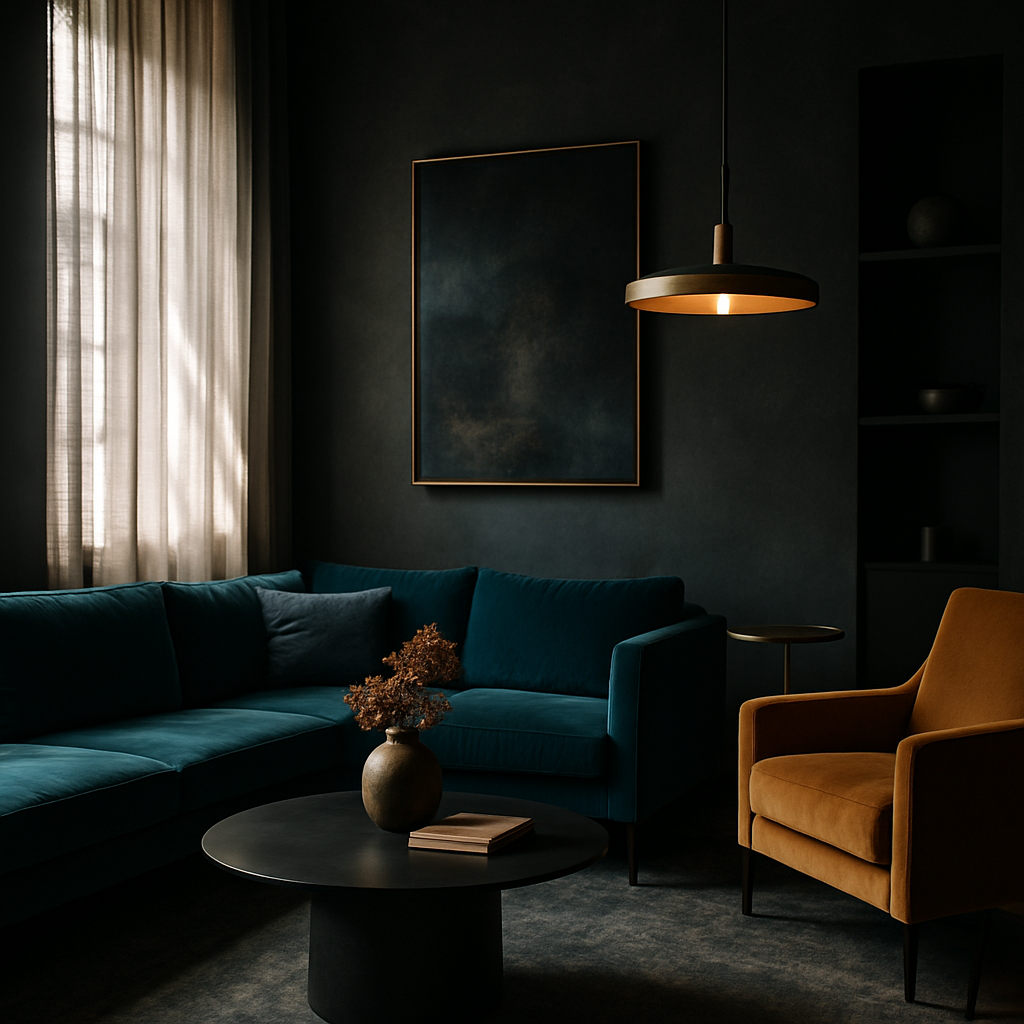
Imagine walking into a room where every detail, from the light fixtures to the color palette, feels tailor-made for you. According to a survey by Houzz, 72% of homeowners who renovated in 2023 reported increased happiness with their living spaces. This satisfaction is not just a result of good taste but also the strategic use of advanced technology. Enter artificial intelligence (AI) - a game-changer in the interior design world. This article dives into how AI tools can maximize creativity and provide stunning design solutions. We'll explore foundational concepts of AI in design, delve into data-driven insights, discuss actionable strategies, and provide expert-level details on integrating these tools into your projects. By the end, you'll be equipped to harness AI for a transformative design experience.
Understanding AI in Interior Design
Artificial intelligence is revolutionizing industries, and interior design is no exception. At its core, AI in design involves using algorithms and data analysis to generate creative solutions. This technology empowers designers to visualize spaces before they exist, test various layouts, and even predict how different elements will interact. According to the American Society of Interior Designers (ASID), these capabilities not only enhance creativity but also streamline the design process, saving time and resources.
One foundational concept is machine learning, a subset of AI that uses data to improve performance over time. In interior design, machine learning algorithms can analyze massive datasets of design elements, trends, and user preferences to suggest optimal design choices. For example, if you're unsure about color schemes, AI can analyze current trends and suggest palettes that suit your taste and the latest styles.
AI also facilitates augmented reality (AR) and virtual reality (VR) applications, allowing designers and clients to immerse themselves in digital representations of spaces. These tools enable real-time adjustments to layouts, furnishings, and decor, providing a tactile and interactive design experience. As we explore AI's deeper applications, consider how these technologies might transform your approach to design projects.
AI-Driven Insights and Data
The power of AI lies in its ability to process and analyze vast amounts of data quickly, providing insights that were previously unimaginable. According to research from Architectural Digest's AD PRO network, AI can analyze thousands of design projects to identify patterns in style preferences and functionality demands. This data-driven approach allows designers to create spaces that are not only aesthetically pleasing but also highly functional.
For instance, AI tools can assess user-generated content on platforms like Instagram and Pinterest to predict upcoming trends. By analyzing millions of images, AI identifies which elements are gaining popularity and which are fading. Designers can use this information to stay ahead of trends and offer clients cutting-edge solutions that reflect the latest styles. Are you curious about which design elements are predicted to dominate next year?
Additionally, AI can predict how certain design choices might impact the resale value of a property. Houzz data suggests that well-designed interiors can increase a home's resale value by 5-15%. AI tools can simulate these scenarios, offering homeowners concrete data on how their design investments could pay off in the long run. This predictive capability is invaluable for clients looking to balance personal taste with potential financial returns.
Implementing Actionable AI Strategies
Integrating AI tools into your design process requires a strategic approach. Start by identifying which phases of your project could benefit most from AI integration. For many, the concept development phase is a perfect entry point. AI can help generate initial ideas based on client preferences and current trends, offering a robust foundation for further development.
Next, consider using AI for design presentations. AI-powered tools like SketchUp and AutoCAD offer advanced visualization capabilities that can bring your concepts to life in three dimensions. These presentations not only help clients visualize the final outcome but also allow for real-time modifications based on feedback. This interactive process can significantly enhance client satisfaction and project outcomes.
Finally, explore AI's role in procurement and installation. AI algorithms can optimize sourcing by suggesting vendors and products that match your design criteria, ensuring you find the best deals without compromising quality. They can also streamline the installation process by coordinating schedules and managing logistics. As you implement these strategies, you'll find AI to be an indispensable ally in delivering stunning interior design solutions.
Expert Insights on AI Integration
Experienced professionals often note that the successful integration of AI in interior design hinges on continuous learning and adaptation. The International Interior Design Association (IIDA) emphasizes the importance of staying updated with the latest AI advancements to maintain a competitive edge. Are you keeping up with the latest tools and technologies that could transform your design practice?
One expert insight is the use of AI for sustainability. AI can analyze the environmental impact of materials and suggest eco-friendly alternatives. This aligns with the growing trend of sustainable design, which is increasingly important to clients. By leveraging AI, designers can offer solutions that are not only beautiful but also environmentally responsible.
Additionally, AI can enhance the personalization of design solutions. By analyzing client data, AI tools can suggest design elements that cater to individual preferences and lifestyle needs. This level of personalization ensures that each project is unique and tailored specifically to the client's vision and requirements. As we move into our next section, consider how you might incorporate these expert insights into your design practice.
Exploring Further AI Capabilities
Beyond the basics, AI offers advanced capabilities that can further enhance the design process. One such capability is the use of AI for predictive design, which anticipates future design needs based on current trends and user behaviors. This foresight allows designers to create spaces that remain relevant and functional over time, ensuring long-term client satisfaction.
Another advanced use of AI is in smart home integration. By connecting AI tools with smart home devices, designers can create cohesive environments that respond to the inhabitants' needs. This could include automated lighting, climate control, and even furniture that adapts to different uses throughout the day. Such innovations not only elevate the design but also enhance the overall living experience.
Finally, AI can assist with risk management in design projects. By analyzing potential challenges and suggesting solutions, AI helps designers proactively address issues before they arise, saving time and resources. As we conclude, think about how these advanced AI capabilities could redefine your approach to design.
Final Perspectives on AI in Interior Design
As AI continues to evolve, its potential to transform interior design becomes increasingly apparent. The tools and strategies discussed provide a glimpse into how AI can maximize creativity and deliver stunning solutions. However, it's essential to remember that AI is a tool, not a replacement for human creativity and intuition.
Designers who harness the power of AI while maintaining their artistic vision will find themselves at the forefront of the industry. As you consider integrating AI into your practice, reflect on how it can enhance your unique design style and offer new opportunities for innovation.
Conclusion: Embrace AI for a Creative Edge
Incorporating AI tools into interior design offers a wealth of opportunities to enhance creativity, efficiency, and client satisfaction. By leveraging AI's capabilities, from data-driven insights to advanced visualization, designers can create spaces that are not only aesthetically pleasing but also highly functional and future-ready. The key is to balance technological advancements with personal creativity to achieve the best results.
Ready to explore how AI can transform your design projects? Start by researching AI tools such as SketchUp or AutoCAD, and explore designer portfolios on Houzz. Even dedicating 20 minutes to research can open new possibilities and sharpen your design eye. Embrace AI, and watch your creative potential soar.



Comments
Post a Comment