Unlock Your Creativity: Pursuing an Online Interior Design Degree Today
Have you ever walked into a space and felt an immediate sense of awe, wondering how such a transformation was achieved? According to the American Society of Interior Designers (ASID), the right design can increase property values by 5-15%. As digital learning platforms proliferate, the opportunity to pursue an online interior design degree has never been more accessible. Whether you're looking to switch careers or elevate your current practice, an online degree in interior design could be your key to unlocking a world of creativity and opportunity. This article will explore foundational concepts of interior design education, delve into data-backed advantages, offer actionable strategies for success, and provide expert insights to guide your journey.
The Foundation of Interior Design Education
Before embarking on an online interior design degree, it's essential to understand the core components of the curriculum. Foundational courses typically cover the principles of design, color theory, and spatial arrangements. These subjects lay the groundwork for understanding how various elements interact within a space. By grasping these basics, students can begin to visualize how to transform a room from mundane to magnificent.
Beyond the basics, accredited programs often include studies in sustainable design, an increasingly crucial area as the industry shifts towards eco-friendly practices. The International Interior Design Association (IIDA) highlights the importance of sustainable materials and energy-efficient solutions in modern design. Understanding these elements is not just about following trends but about making informed decisions that benefit both the environment and the client.
Technical skills are also a critical part of an interior design education. Students learn to use computer-aided design (CAD) software, which is indispensable for creating precise and professional plans. Mastery of these tools allows designers to translate their creative ideas into tangible, executable designs. With these foundational skills, students are well-prepared to tackle more advanced concepts and projects.
Analyzing the Advantages of Online Interior Design Degrees
Pursuing an online degree in interior design offers flexibility that traditional programs cannot match. This flexibility is especially beneficial for working professionals who need to balance education with other commitments. According to a recent survey by Houzz, 60% of homeowners undertake design projects while managing full-time jobs, highlighting the importance of flexible learning options.
Online programs also provide access to a broader array of resources and instructors who might not be available locally. These programs often feature forums and interactive sessions where students can engage with peers and professionals from diverse backgrounds. This interaction enriches the learning experience by exposing students to different perspectives and styles.
Moreover, online degrees can be more cost-effective than their on-campus counterparts. Without the need for physical infrastructure and with the ability to reach a wider audience, institutions can offer competitive pricing. This financial advantage makes higher education more attainable, allowing aspiring designers from various backgrounds to pursue their passion without the burden of excessive debt.
Actionable Strategies for Success in Online Learning
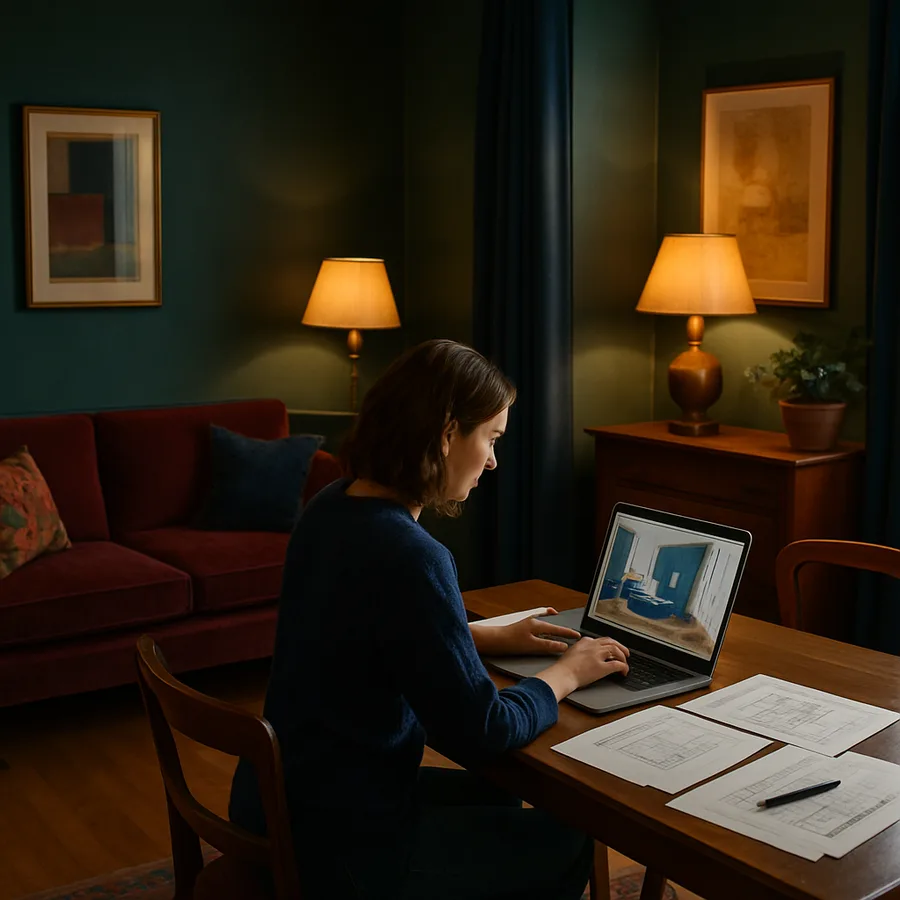
Success in an online interior design degree program requires discipline and strategic planning. First, establish a dedicated study space that minimizes distractions and fosters creativity. This space should reflect the principles of good design-organized, functional, and inspirational. Consider what elements help you focus best and incorporate them into your setup.
Next, time management is crucial. Set a realistic schedule that balances coursework with personal and professional responsibilities. Use digital tools like Trello or Asana to track assignments and deadlines. These platforms can help you visualize your workload and prioritize tasks effectively. Are you setting aside enough time each week to engage deeply with your studies?
Lastly, actively participate in online discussions and group projects. Collaboration is a key component of the design process. Engaging with peers not only enhances learning but also builds a network of future professionals. This network can be invaluable when seeking feedback or career opportunities later on. How can you leverage these connections to enhance your learning experience?
Expert Insights into the Interior Design Industry
Experienced professionals often note that interior design is as much about psychology as it is about aesthetics. Understanding client needs and translating them into functional spaces is a skill honed through practice and education. The National Council for Interior Design Qualification (NCIDQ) emphasizes the importance of listening and communication skills in their certification process, which remains the gold standard for the industry.
Staying updated with current trends is another crucial aspect. For instance, the rise of biophilic design-a concept that emphasizes the integration of nature into interiors-has gained popularity for its health and wellness benefits. Similarly, the concept of "quiet luxury" focuses on understated elegance, favoring quality over quantity. Are you keeping up with these trends to offer clients the most current and innovative solutions?
Moreover, technology continues to revolutionize the field. Tools such as augmented reality (AR) and virtual reality (VR) allow designers to present 3D models of their concepts to clients, offering a more immersive and interactive experience. Mastery of these tools not only impresses clients but also enhances the designer's ability to convey ideas clearly and effectively.
Deep Dive: The Structure of Online Programs
Online interior design degree programs are structured similarly to their on-campus counterparts but with added flexibility. They typically follow a phased approach, beginning with concept development, moving through design presentation, and culminating in procurement and installation. This structure allows students to build upon their knowledge progressively.
In the concept development phase, students learn to create design briefs and initial sketches. These briefs serve as the blueprint for the entire project. The design presentation phase involves refining these ideas into detailed plans and presentations, often using advanced software to create realistic renderings.
The final phases, procurement, and installation, teach students the logistical aspects of design, such as sourcing materials and managing timelines. This comprehensive approach ensures that graduates are not only creative thinkers but also effective project managers. How does this structured approach align with your learning preferences and career goals?
Final Perspectives on Pursuing an Online Degree
As the interior design industry continues to evolve, the demand for formally educated professionals grows. An online interior design degree provides a flexible and accessible pathway to enter this dynamic field. With the right strategies and mindset, students can maximize the benefits of their education and prepare for successful careers.
Consider how an online degree can fit into your personal and professional life. Reflect on your goals and how this education can help you achieve them. Are you ready to take the next step in your interior design journey? With determination and the right resources, the future is full of possibilities.
Ultimately, the pursuit of an online degree is not just about acquiring knowledge but about transforming your passion into a viable career. The skills and insights gained will empower you to create spaces that inspire and delight.
Conclusion
In conclusion, pursuing an online interior design degree offers a unique blend of flexibility, accessibility, and comprehensive education. As the industry embraces new technologies and sustainable practices, formally educated designers will be at the forefront of these exciting changes. By engaging fully with your online program and leveraging the resources available, you can unlock your creative potential and carve out a successful career path.
Now is the time to act. Begin by researching accredited programs and exploring their offerings. Start by browsing portfolios on Houzz this week-even 20 minutes of research will sharpen your eye for what you want. Take the first step towards elevating your interior design expertise and unlocking the creative career you've always envisioned.
More Articles You May Like


Comments
Post a Comment