Transform Your Space: The Best Online Interior Design Courses for Beginners
Transform Your Space: The Best Online Interior Design Courses for Beginners
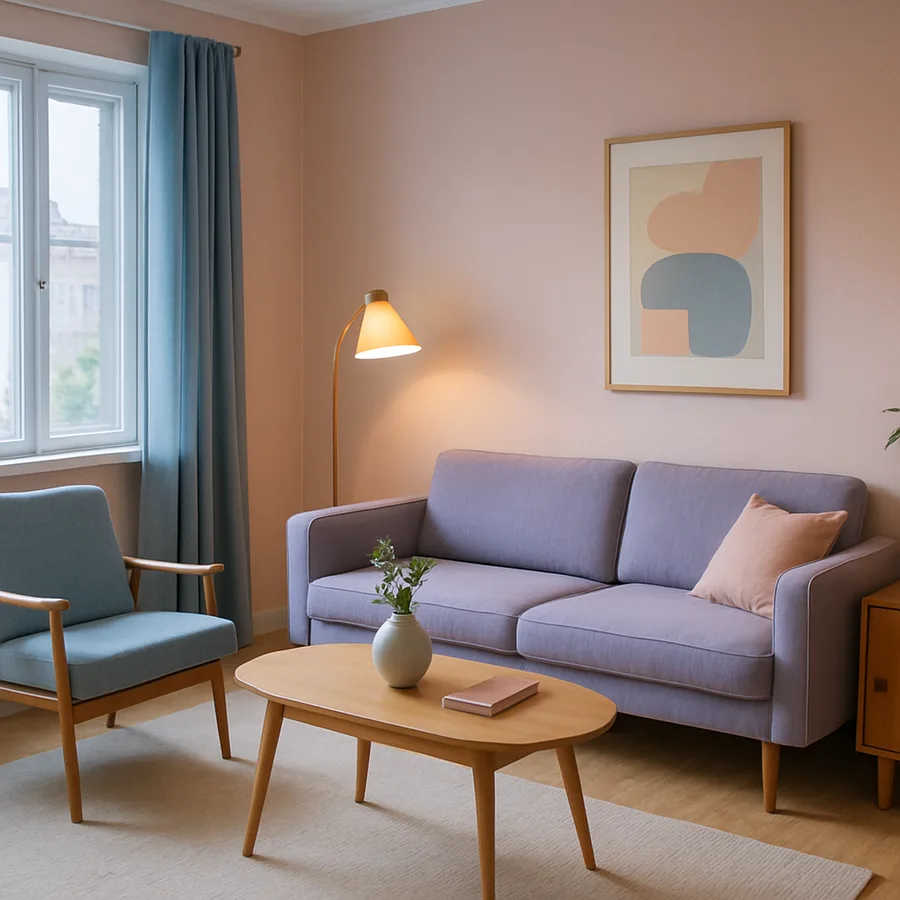
Picture this: you walk into your living room, hoping to feel a sense of peace and satisfaction. Instead, you're greeted by mismatched furniture, cluttered surfaces, and a space that just doesn't feel right. You're not alone. Many people struggle with creating a cohesive and inviting interior, often feeling overwhelmed by choices and lacking the confidence to execute their vision. The good news? With the rise of online learning, anyone can now access top-tier interior design courses that provide the skills and inspiration needed to transform any space. This article will guide you through the impact of this common issue, explore its root causes, and present actionable solutions through the best online courses available today.
Why This Problem Matters
Creating a well-designed space isn't just about aesthetics; it's about improving quality of life. According to a study by the American Society of Interior Designers (ASID), well-designed interiors can increase a property's resale value by 5-15%. Beyond financial benefits, a thoughtfully arranged environment can enhance productivity, comfort, and even mental health. Yet, many beginners find themselves stuck, unable to tap into these advantages due to a lack of design know-how.
The desire to create a beautiful home is universal, but achieving it can be daunting without the right guidance. A survey conducted by Houzz found that 84% of homeowners felt overwhelmed by the number of choices involved in a redesign project. This paralysis often leads to inaction or poor decisions, resulting in spaces that are functional but uninspiring. The gap between vision and execution is where education becomes vital.
With the right resources, you can bridge this gap effectively. Online interior design courses offer a structured approach to learning that can demystify design principles and empower you to make informed decisions. But why are so many people still stuck with uninspired interiors? To understand this, we need to delve into the root causes of the problem.
Understanding the Root Causes
Lack of education is a major hurdle for many aspiring designers. The complexity of interior design goes beyond choosing colors and arranging furniture. It involves understanding spatial dynamics, lighting, and material selection-all topics seldom covered in traditional education settings. Without this foundational knowledge, many find themselves making costly mistakes or defaulting to safe, uninspired choices.
Another barrier is exposure. Many individuals are simply unaware of the possibilities within interior design. They may find inspiration in magazines or social media but lack the practical knowledge to translate these ideas into their own homes. Experienced professionals often note that the difference between a novice and a seasoned designer is the ability to visualize a space holistically, a skill honed through experience and education.
Finally, financial constraints can deter individuals from pursuing design changes. Hiring a professional interior designer can be expensive, with fees ranging from $150 to $500 per hour or 10-25% of the project cost. This financial barrier makes the prospect of DIY projects more appealing, yet without proper training, these projects often fall short of expectations. Fortunately, online courses offer a cost-effective solution, providing high-quality education at a fraction of the cost.
Solution #1: Enroll in Structured Online Courses
One of the most effective ways to overcome the obstacles of interior design is to enroll in structured online courses. Platforms like Udemy and Skillshare offer a variety of courses tailored to beginners. These courses cover foundational topics such as color theory, space planning, and furniture arrangement, providing a comprehensive introduction to the field.
For instance, Udemy's "Interior Design for Beginners" course walks students through key concepts using real-world examples and interactive exercises. It covers crucial topics like mood board creation and understanding client needs, which are essential skills for any budding designer. These courses are typically self-paced, allowing learners to progress at their own speed and revisit materials as needed.
Moreover, many online courses offer community forums and project feedback, creating a collaborative learning environment. This interaction can be invaluable, providing insights from peers and mentors that enrich the educational experience. By participating actively, you can gain confidence in your design choices and receive constructive criticism that will refine your skills.
Solution #2: Explore Free Resources and Workshops
For those hesitant to invest immediately in paid courses, free resources and workshops offer an excellent starting point. Websites like Houzz and Pinterest are treasure troves of design ideas and tutorials. These platforms allow users to explore a wide range of styles and concepts, helping to build a visual library that can inspire personal projects.
Additionally, many professional organizations, such as the International Interior Design Association (IIDA), offer free webinars and workshops. These sessions often feature industry experts who share insights on current trends, sustainable design practices, and innovative solutions. By attending these events, you can stay updated on the latest developments in the field without incurring any costs.
While free resources are plentiful, they require self-discipline and initiative to be effective. You must be proactive in seeking out information and applying it to your designs. However, this approach allows for a flexible learning experience and can be particularly rewarding for those who enjoy self-directed study. As you explore these options, consider what learning style suits you best and how you can integrate these resources into your design journey.
Comparing Your Options
When deciding between structured courses and free resources, it's important to weigh the pros and cons of each. Paid courses typically offer a more structured and comprehensive curriculum. They provide dedicated support, feedback, and often result in a certification that can bolster your confidence and credibility. However, the costs can range from $50 to several hundred dollars, depending on the course depth and provider.
In contrast, free resources offer unparalleled flexibility and access to a wide array of information. They allow you to tailor your learning to specific interests and experiment with different design philosophies. The downside is the lack of formal recognition and the potential for information overload, which can be overwhelming without a clear learning path.
Ultimately, the best choice depends on your personal goals and resources. If you're committed to pursuing interior design professionally, investing in structured courses may provide the necessary foundation and credentials. On the other hand, if your aim is to enhance personal projects and develop a hobby, free resources can offer abundant inspiration and knowledge without financial commitment. As you weigh these options, consider how each aligns with your learning style and design aspirations.
Implementation Guide
Ready to take action? Here's a step-by-step guide to implementing your chosen learning path. First, assess your current skill level and set clear, achievable goals. Do you want to redesign a specific room, or are you aiming for a broader understanding of design principles? Identifying your objectives will help you choose the right courses or resources.
Next, create a study schedule. Whether you choose paid courses or free resources, consistency is key. Dedicate specific times each week to focus on learning and practice. This disciplined approach will help you absorb information effectively and apply it to real-world scenarios. Remember, learning is a journey, not a race, so pace yourself accordingly.
Finally, apply what you've learned. Start small by redesigning a single room or area in your home. Use this project as a practical exercise to test your skills and creativity. Document your process, take notes on what works and what doesn't, and seek feedback from peers or mentors if possible. This hands-on experience will solidify your knowledge and boost your confidence in tackling larger projects. By following these steps, you'll gradually transform your space into one that reflects your style and expertise.
Conclusion
The world of interior design is vast and full of potential for those willing to learn. Whether you choose structured online courses or free resources, the key is to start and remain committed to your growth. With patience and practice, you can transform any space into a reflection of your style and creativity. So why wait? Begin your design journey today by exploring the wealth of online courses and resources available. Start by browsing portfolios on Houzz this week-even 20 minutes of research will sharpen your eye for what you want. Your dream space is waiting to be created, one informed choice at a time.


Comments
Post a Comment