Unlock Your Creativity: The Best Online Interior Design Courses
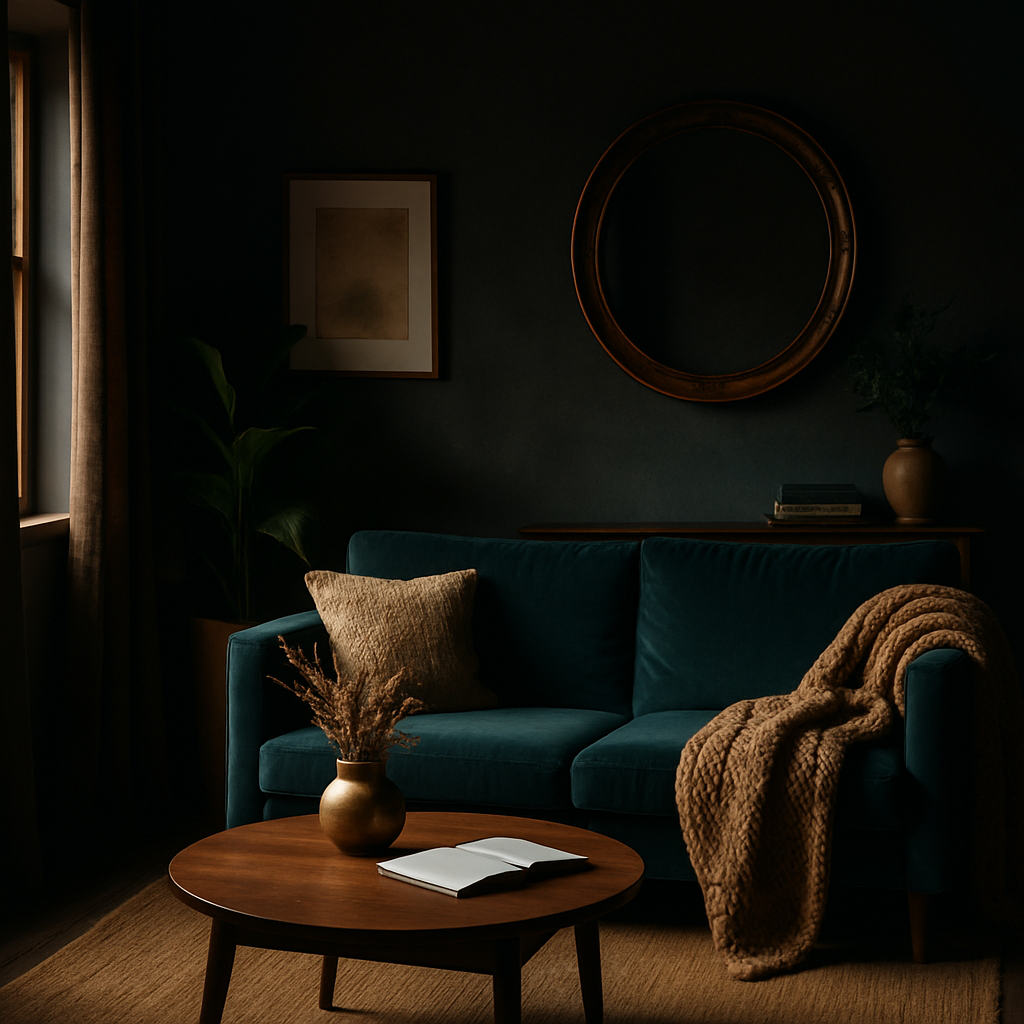
Have you ever walked into a beautifully designed room and felt an immediate sense of calm, inspiration, or wonder? That feeling is no accident. It is the result of deliberate creative choices made by someone who understands the principles of interior design. The good news is that you do not need to enroll in a traditional four-year program to develop those skills. Online interior design courses have opened doors for aspiring designers, career changers, and passionate homeowners who want to transform spaces with intention and flair. Whether you dream of launching a freelance design practice charging $150 to $500 per hour or simply want to redesign your living room with a professional touch, the right course can set you on that path. According to the Bureau of Labor Statistics, demand for interior designers is projected to grow steadily, making this an ideal time to invest in your education. In this guide, we will explore the best online interior design courses available, what makes each one stand out, and how to choose the program that aligns with your creative goals.
Why Online Interior Design Education Is Transforming the Industry
The landscape of design education has shifted dramatically in recent times. Traditional brick-and-mortar institutions once held a monopoly on quality instruction, but digital platforms have leveled the playing field. Online courses now offer the same rigorous curricula, expert instructors, and industry-recognized credentials that physical schools provide. Organizations like the American Society of Interior Designers (ASID) have acknowledged the growing legitimacy of online education, noting that many accredited programs now deliver coursework entirely through digital platforms. This shift has made quality design education accessible to anyone with an internet connection, regardless of geographic location or schedule constraints.
One of the most compelling advantages of online learning is flexibility. Working professionals can study during evenings and weekends without abandoning their current careers. Parents can fit coursework around family responsibilities. International students can access programs from top institutions without the expense of relocation. The self-paced nature of many online courses also allows learners to spend more time on challenging concepts like spatial planning or color theory while moving quickly through material they already understand. This personalized approach often leads to deeper comprehension and stronger practical skills than a one-size-fits-all classroom setting.
Beyond convenience, online interior design courses have embraced technology in ways that enhance the learning experience. Virtual reality walkthroughs allow students to explore three-dimensional spaces they have designed. Cloud-based software gives learners hands-on experience with the same tools professionals use daily. Discussion forums and video critiques create collaborative communities where students receive feedback from peers across the globe. Have you considered how learning alongside designers from different cultural backgrounds might broaden your creative perspective? The cross-pollination of ideas that happens in online learning environments often produces more innovative thinking than traditional classrooms can offer.
Top Accredited Programs for Serious Career Changers
For those seeking a comprehensive education that leads to professional certification, accredited online programs represent the gold standard. The Council for Interior Design Accreditation (CIDA) evaluates programs against rigorous standards, and several fully online options now carry this distinction. The New York School of Interior Design offers an online certificate program that covers everything from design history to professional practice. Their curriculum emphasizes the kind of hands-on project work that builds a portfolio capable of attracting clients willing to pay premium rates. Graduates of CIDA-accredited programs are eligible to sit for the NCIDQ examination, which remains the most widely recognized credential in the industry.
Rhodec International stands as another respected option, offering a diploma program that has produced graduates working in over forty countries. Their coursework integrates biophilic design principles, teaching students how to incorporate natural elements into interior spaces in ways that promote well-being and productivity. The program also covers the business side of design, including client management, project budgeting, and the presentation skills needed to sell creative visions to skeptical stakeholders. A study by the International Interior Design Association found that designers with formal accredited education earn an average of thirty percent more than those without credentials over the course of their careers.
The British Academy of Interior Design provides a flexible online pathway that appeals to international students. Their modular approach allows learners to complete individual courses in areas like kitchen and bathroom design, sustainable materials, or commercial space planning before committing to a full diploma. Each module includes real-world projects assessed by practicing designers who provide detailed, constructive feedback. This program is particularly strong in its coverage of quiet luxury aesthetics, teaching students how to create spaces that feel effortlessly elegant through quality materials and restrained sophistication rather than ostentatious displays of wealth.
Affordable Self-Paced Courses for Beginners and Hobbyists
Not everyone pursuing interior design education wants to become a full-time professional. Many learners simply want to develop enough skill and confidence to tackle their own home projects or offer informal design advice to friends and family. Platforms like Coursera and Udemy host a variety of affordable courses that provide solid foundational knowledge without the commitment of a full degree program. Coursera partners with institutions including the California Institute of the Arts to offer courses in fundamentals of design that translate directly to interior applications. These programs typically cost a fraction of accredited alternatives while still delivering meaningful skill development.
Skillshare has emerged as a popular platform for creative learners, offering interior design classes taught by working professionals who share real-world insights alongside theoretical instruction. Their project-based format encourages students to apply concepts immediately, transforming their own living spaces as they learn. The community feedback feature allows learners to share their work and receive constructive critique from fellow students. This immediate application of knowledge accelerates skill development in ways that purely theoretical instruction cannot match. What room in your home would you choose as your first design project, and what changes would make the biggest impact on how that space feels?
For those interested in specific design trends, targeted courses offer deep dives into areas like Japandi aesthetics, smart home integration, or sustainable material selection. Houzz offers educational content through its platform that combines inspiration with practical instruction, helping homeowners understand the principles behind the designs they admire. These focused courses typically run four to eight weeks and provide enough knowledge to confidently tackle specific projects. They also serve as excellent trial runs for learners considering more comprehensive programs, offering a low-risk way to test whether interior design education is the right investment of time and money.
Essential Software and Technical Skills Covered in Leading Courses
Modern interior design is as much a technical discipline as a creative one. The best online courses recognize this reality and incorporate robust software training into their curricula. AutoCAD remains the industry standard for producing precise floor plans and technical drawings, and most comprehensive programs include extensive instruction in this tool. Students learn to create accurate measurements, develop construction documents, and communicate spatial relationships in the language that contractors and builders understand. This technical fluency is what separates hobbyists from professionals and justifies the premium rates that established designers command.
Three-dimensional rendering software has become equally essential in the modern designer's toolkit. Programs like SketchUp, Revit, and Lumion allow designers to create photorealistic visualizations of proposed spaces before any physical changes are made. Leading online courses dedicate significant time to these tools, understanding that clients increasingly expect to see realistic previews of their redesigned spaces. The ability to walk a client through a virtual version of their future kitchen or living room dramatically improves communication and reduces costly misunderstandings during implementation. According to research published by Architectural Digest PRO, designers who present three-dimensional renderings close projects forty percent faster than those relying on mood boards and floor plans alone.
Beyond design-specific software, top courses also cover the digital tools that support a modern design practice. Project management platforms, client communication systems, and social media marketing strategies all receive attention in programs designed to produce career-ready graduates. Some courses even address the growing field of smart home technology, teaching designers how to integrate automated lighting, climate control, and entertainment systems into their spatial plans. This comprehensive technical education ensures that graduates can manage every aspect of a design project from initial concept through final installation, making them valuable partners for clients who expect seamless, technology-forward results.
Building a Portfolio That Attracts Clients and Employers
The most important outcome of any interior design course is not the certificate or diploma hanging on your wall. It is the portfolio of work you produce along the way. Employers and potential clients will judge your abilities based on the quality, creativity, and professionalism of your portfolio long before they consider your credentials. The best online courses understand this priority and structure their assignments to produce portfolio-ready work. Each project builds upon previous skills while introducing new challenges, resulting in a body of work that demonstrates range, technical competence, and a developing personal aesthetic. The International Interior Design Association (IIDA) regularly emphasizes that a strong portfolio remains the single most important tool for launching a design career.
Effective portfolio development goes beyond simply completing assigned projects. Leading courses teach students how to photograph and present their work in ways that highlight design decisions and communicate creative intent. They cover the art of writing project narratives that explain the reasoning behind material choices, spatial arrangements, and aesthetic directions. Some programs even include instruction in creating digital portfolios using platforms like Behance or personal websites, recognizing that an online presence is essential for modern designers seeking clients or employment. The presentation of your work matters almost as much as the work itself, and courses that neglect this aspect leave graduates at a disadvantage.
Many online programs have begun incorporating real-world client projects into their curricula, giving students experience with the full design process before graduation. These projects might involve redesigning a room for a local nonprofit, creating a concept for a small business, or developing a design plan for a family member. The experience of navigating client preferences, budget constraints, and practical limitations provides invaluable preparation for professional practice. Students who complete these projects emerge with not only portfolio pieces but also testimonials and references that lend credibility to their fledgling careers. Have you thought about which spaces in your community could benefit from a designer's touch while also serving as portfolio-building opportunities?
How to Choose the Right Course for Your Goals and Budget
Selecting the right online interior design course requires honest self-assessment about your goals, timeline, and budget. If your aim is professional certification and you plan to charge clients $150 to $500 per hour for your services, investing in a CIDA-accredited program that prepares you for the NCIDQ examination is the logical choice. These programs typically require one to three years of study and cost several thousand dollars, but the return on investment for a successful design career is substantial. If your goals are more modest, perhaps redesigning your own home or helping friends with their spaces, a shorter certificate program or even a series of focused courses on platforms like Skillshare or Coursera may provide exactly what you need.
Consider the learning format that best suits your personality and schedule. Some online programs follow a cohort model, where groups of students progress through the curriculum together on a fixed schedule. This structure provides accountability and a built-in community but requires regular time commitments at predetermined intervals. Self-paced programs offer maximum flexibility but demand strong self-discipline and motivation. Hybrid approaches that combine self-paced learning with scheduled live sessions or critique workshops often provide the best balance of flexibility and structure. Read reviews from past students, request sample lessons when available, and take advantage of free trial periods to test whether a program's format works for you before committing financially.
Finally, evaluate the support and resources each program provides beyond the core curriculum. Does the course include access to mentors or industry professionals who can provide guidance and networking opportunities? Are there alumni communities where graduates continue to learn from and support each other? Does the program offer career services such as resume reviews, portfolio feedback, or job placement assistance? The best online courses recognize that education extends beyond content delivery and invest in resources that support student success long after the final assignment is submitted. A course that costs slightly more but provides ongoing mentorship and community access often delivers far greater value than a cheaper alternative that leaves you on your own after graduation.
Conclusion
The world of interior design has never been more accessible. Online courses have demolished the barriers of geography, cost, and rigid scheduling that once kept aspiring designers from pursuing their creative ambitions. Whether you are drawn to the serene minimalism of Japandi style, the warmth of biophilic design, or the understated elegance of quiet luxury, there is a course designed to develop your skills and refine your aesthetic voice. The programs we have explored range from comprehensive accredited pathways leading to professional certification to affordable introductory courses perfect for passionate hobbyists. Each offers a legitimate path toward greater creative confidence and competence. The key is matching your chosen program to your specific goals, learning style, and budget. Take the time to research your options, try sample lessons, and connect with alumni before making your decision. Your journey as a designer begins with a single step, and that step is choosing the course that will transform your creative potential into professional capability. Start exploring your options today and discover just how far your design instincts can take you.
More Articles You May Like



Comments
Post a Comment