Transform Your Home: Top Weybridge Interior Design Tips and Tricks
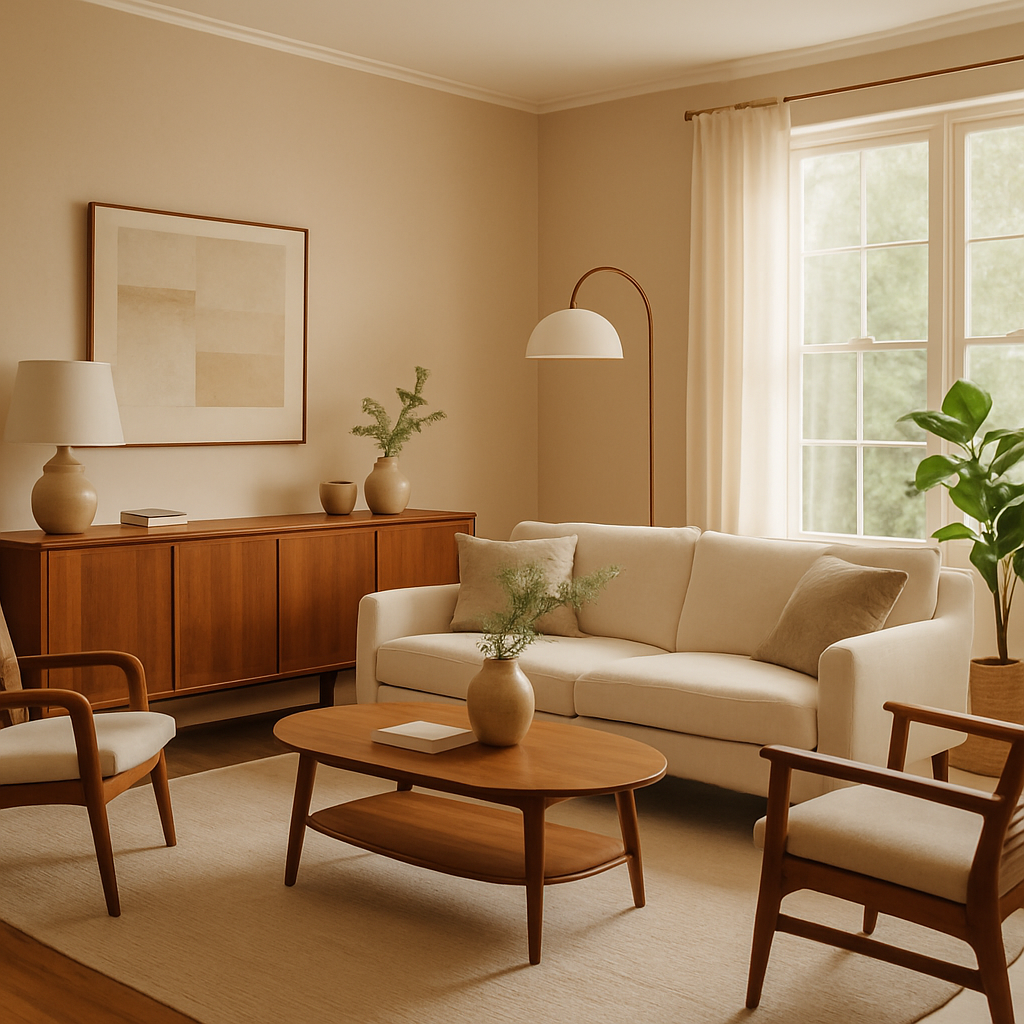
Every homeowner reaches a point where their living space no longer reflects who they are or how they want to live, and that realization often sparks a desire for transformation that goes deeper than rearranging furniture or repainting a wall. In Weybridge, where period architecture meets contemporary lifestyle expectations, the challenge of interior transformation carries unique rewards and complexities. How do you honor the character of a Victorian terrace while introducing the open-plan living that modern families demand? How do you bring smart home technology into a heritage property without compromising its soul? According to the American Society of Interior Designers (ASID), homeowners who approach renovation with a clear design strategy report significantly higher satisfaction with their finished spaces than those who make decisions incrementally without a guiding vision. This guide offers six categories of practical tips and tricks drawn from the Weybridge design community, giving you a structured framework for transforming your home with confidence and purpose.
Start With Spatial Analysis Before Any Aesthetic Decisions
The most impactful transformations begin not with Pinterest boards or fabric swatches but with a rigorous analysis of how your existing space actually functions. Walk through your home at different times of day and notice where natural light falls, where traffic bottlenecks occur, and which rooms feel underused or overcrowded. This kind of observational analysis reveals the spatial realities that should drive your design decisions. A room that receives beautiful morning light but is currently used as a rarely visited formal dining room might serve your family far better as a breakfast room or home office. Spaces that feel cramped may simply need furniture repositioned to open circulation paths. Professional designers holding NCIDQ certification typically begin every project with this kind of spatial audit, and the insights it generates consistently shape better outcomes than any amount of aesthetic inspiration alone.
Measuring your rooms accurately is a step that many homeowners skip, often with costly consequences. Before purchasing any furniture, document the precise dimensions of every room, including ceiling heights, window positions, door swings, and the location of radiators, electrical outlets, and plumbing connections. Create a scaled floor plan, either digitally or on graph paper, and use it to test furniture arrangements before committing to purchases. A sofa that looked perfectly proportioned in a showroom can overwhelm a modest Weybridge living room, while a dining table that seemed adequately sized may leave insufficient clearance for chairs to be pulled back comfortably. The International Interior Design Association (IIDA) emphasizes that spatial planning errors are among the most common and most expensive mistakes homeowners make, and investing time in accurate measurement is the simplest way to avoid them.
Consider how your spatial needs might evolve over the coming years. A couple expecting their first child will soon need to accommodate play areas, storage for equipment, and child-safe surface finishes. Empty nesters might want to reclaim rooms previously dedicated to children and repurpose them as studios, libraries, or guest suites. Designing with adaptability in mind, choosing furniture that can be reconfigured, selecting modular storage systems that can be expanded or reduced, and installing electrical and data infrastructure that supports future technology upgrades, ensures that your transformation retains its relevance and functionality as your life circumstances change. Have you mapped out how your household's spatial requirements might shift over the next five to ten years? That forward-looking perspective is one of the most valuable tools in any homeowner's design toolkit.
Master the Art of Layered Lighting
Lighting is arguably the single most transformative element in any interior, yet it remains one of the most consistently underinvested areas in residential design. A room with a single central ceiling fixture delivers flat, shadowless illumination that robs surfaces of their texture and makes spaces feel institutional rather than inviting. The solution lies in layered lighting, a strategy that combines ambient, task, and accent sources to create depth, atmosphere, and functional versatility. In Weybridge homes, where period features like ceiling roses and decorative cornicing deserve to be highlighted rather than washed out, thoughtful lighting design is particularly important. Start by identifying the primary activities that occur in each room and ensure that dedicated task lighting supports each one without relying solely on overhead fixtures.
Table lamps and floor lamps are the unsung workhorses of effective residential lighting. Positioned at varied heights throughout a room, they create overlapping pools of warm light that define zones and encourage intimate conversation. A pair of table lamps on either side of a sofa, a floor lamp beside a reading chair, and a small accent lamp on a console table can transform a living room from a brightly lit box into a layered, atmospheric space with multiple focal points. Dimmer controls on all fixed lighting sources add another dimension of flexibility, allowing you to shift the mood of a room from bright and productive to soft and relaxing without changing a single bulb. Statistics from Houzz indicate that homeowners who invest in comprehensive lighting schemes report satisfaction levels nearly double those who rely on basic overhead fixtures alone.
Accent lighting is the layer that many homeowners overlook, yet it can have the most dramatic visual impact. Picture lights above artwork, LED strips concealed within shelving units, uplighters positioned behind large plants or sculptural objects, and recessed spotlights directed at architectural features all serve to create visual interest and draw the eye to the elements of your interior that deserve attention. In kitchens, under-cabinet LED strips illuminate work surfaces while adding a warm glow that transforms the room during evening hours. In bathrooms, backlit mirrors and concealed cove lighting create a spa-like ambiance that elevates a functional space into a luxurious retreat. What would your bedroom feel like if, instead of a single harsh overhead light, you had soft wall-mounted reading lights, a gently illuminated wardrobe interior, and a warm accent light behind a favorite piece of art? That kind of transformative atmosphere is achievable through layered lighting alone.
Embrace Biophilic Elements for Wellbeing and Beauty
Bringing the natural world into your Weybridge home is one of the most effective ways to enhance both its aesthetic appeal and the wellbeing of everyone who lives in it. Biophilic design, which seeks to satisfy the innate human need for connection with nature, can be implemented at any scale and budget. At its simplest, it might mean grouping potted plants on a windowsill where they catch morning light, or placing a bowl of smooth river stones on a bathroom shelf. At its most ambitious, it involves living walls, interior water features, and architectural interventions that bring daylight deep into a floor plan. Research cited by the ASID suggests that biophilic environments can improve cognitive performance by up to eight percent while reducing stress hormones measurably, benefits that are particularly valuable in homes that also serve as workspaces.
Natural materials form the foundation of biophilic interiors in Weybridge. Solid timber flooring, whether new oak planks or reclaimed boards with their original patina intact, connects occupants to the organic world with every step. Stone surfaces in kitchens and bathrooms, particularly in honed or leathered finishes that reveal the geological character of the material, add visual depth and tactile interest that engineered alternatives struggle to replicate. Woven natural fibers in rugs, baskets, and window treatments introduce texture and warmth while reinforcing the connection to handcraft and natural processes. These materials age gracefully, developing character over time rather than deteriorating, which makes them both aesthetically and economically sound investments for a home transformation.
Do not underestimate the impact of natural scent as a biophilic element. Fresh herbs grown in kitchen window boxes, bowls of dried lavender in bedrooms, or beeswax candles that release subtle honey-toned fragrance when lit all contribute to a sensory environment that synthetic air fresheners cannot replicate. The combination of visual greenery, natural material textures, ambient natural light, and organic scent creates a multisensory biophilic experience that makes a home feel fundamentally different from a conventional interior. Have you ever stepped into a garden conservatory and felt an immediate shift in your mood and breathing? Biophilic interior design aims to recreate that same restorative response within every room of your home, turning daily domestic life into an ongoing experience of natural connection and calm.
Invest in Quiet Luxury Over Trend-Driven Purchases
One of the most impactful shifts you can make in your approach to home design is moving away from trend-driven purchasing toward strategic investment in pieces that embody quiet luxury. This does not mean spending extravagantly on everything; rather, it means directing your budget toward the elements that have the greatest impact on daily experience and long-term satisfaction. A high-quality mattress and premium bed linen, for example, will improve your life more tangibly than an expensive but rarely used decorative sculpture. A well-constructed dining table that can serve your family for decades represents better value than a fashionable but fragile alternative that will need replacing within a few years. Interior design professionals, whose consultation fees typically range from $150 to $500 per hour, consistently advise clients to prioritize functional luxury over decorative expenditure.
In kitchens and bathrooms, quiet luxury shows up in the details that you interact with daily. Drawer runners that glide silently on soft-close mechanisms, tap fittings with smooth ceramic disc operation, solid timber drawer interiors rather than chipboard, and thick natural stone thresholds at shower entries all contribute to an experience of quality that becomes part of the background texture of daily life. These details may not feature prominently in photographs, but they profoundly affect how a space feels to use. AD PRO has documented a consistent trend among affluent homeowners away from visually dramatic kitchens and toward those where the quality is embedded in the construction, materials, and engineering rather than displayed through oversized islands or statement range cookers.
Quiet luxury also extends to the selection of soft furnishings and textiles. Rather than purchasing large quantities of inexpensive cushions and throws that pill, fade, and lose their shape within a season, invest in fewer pieces made from premium materials. A cashmere throw draped over a sofa arm, a set of Belgian linen cushion covers in a considered palette, or a hand-knotted wool rug with a dense, resilient pile will all deliver a sensory experience that mass-produced alternatives cannot match. These pieces also tend to be more environmentally sustainable, since their longevity reduces the cycle of purchase, discard, and replacement that characterizes fast furnishing consumption. What would it feel like to wrap yourself in a throw that gets softer and more beautiful with every wash rather than deteriorating after its first encounter with a washing machine? That is the tangible, daily reward of investing in quiet luxury textiles.
Use Color Strategy to Unify and Transform
Color has the power to fundamentally alter the perception of a space, and using it strategically is one of the most cost-effective transformation tools available to any homeowner. The Weybridge approach to color tends toward sophistication and restraint, building rooms around warm neutral bases and introducing color through controlled accent moments. A whole-house color strategy, where a core palette of three to five compatible tones flows through every room with variations in emphasis, creates a sense of coherence and calm that room-by-room color selection rarely achieves. Begin by selecting your base neutral, whether it is a warm white, a soft grey, a creamy stone, or a muted greige, and apply it to the largest surfaces in every room: walls, ceilings, and primary upholstery pieces.
Accent colors should be introduced with discipline and purpose. Rather than scattering color randomly through accessories, identify one or two accent tones that complement your base palette and deploy them consistently across your home. A deep teal that appears as a velvet cushion in the living room might reappear as a ceramic soap dish in the bathroom and a linen napkin set in the dining room, creating subtle connections between spaces that reinforce the sense of a unified design vision. This disciplined approach makes seasonal updates effortless: when you want a change, you simply swap the accent color across all its touchpoints rather than redesigning individual rooms. The NCIDQ-certified designers working in the Weybridge area frequently employ this strategy, noting that it delivers maximum visual impact with minimum investment and disruption.
Texture plays an essential role in preventing a restrained color palette from feeling flat or monotonous. When your walls, furnishings, and accessories share a similar tonal range, the visual interest must come from surface variation. A room dressed entirely in cream tones can feel rich and layered if that cream appears as smooth painted plaster on walls, nubby bouclé on a sofa, ribbed ceramic in a vase, glossy lacquer on a side table, and matte linen on curtains. Each surface catches light differently, creating subtle shadows and highlights that give the room depth and movement without introducing competing colors. Have you experimented with combining different textures within a single color family? This technique is one of the most reliable ways to create an interior that feels sophisticated, cohesive, and visually calm while avoiding the risk of blandness that sometimes accompanies neutral palettes.
Future-Proof Your Home With Flexible Design Choices
The most successful home transformations are those that anticipate change rather than resisting it. In Weybridge, where property values reward homes that present well and function efficiently, future-proofing your design decisions has both lifestyle and financial benefits. Start with infrastructure: ensure that your electrical plan includes ample socket provision in every room, with USB charging points integrated at desk and bedside locations. Run data cabling to key positions even if your current technology is wireless, since hardwired connections remain more reliable for demanding applications like home offices and media systems. These infrastructure investments are inexpensive during a renovation but disruptive and costly to retrofit later.
Furniture selection should prioritize versatility and adaptability. Modular sofa systems that can be reconfigured to suit different room layouts or household sizes, extendable dining tables that accommodate both intimate family meals and larger gatherings, and storage systems with adjustable shelving that can adapt to changing contents all contribute to a home that remains functional as circumstances evolve. Guest bedrooms equipped with high-quality sofa beds rather than permanent double beds serve dual purposes without compromising comfort for occasional visitors. Home office spaces designed with doors or screens that can close them off from living areas maintain their utility whether remote working remains prevalent or becomes occasional. The IIDA has identified adaptable design as one of the most significant trends in residential interior design, reflecting the reality that modern households need spaces capable of supporting multiple functions and configurations.
Consider the resale implications of your design choices, even if you have no immediate plans to move. Highly personalized color schemes, unconventional room configurations, and niche design elements that appeal strongly to your taste may narrow the pool of potential buyers when the time comes to sell. Neutral base finishes, well-proportioned rooms with clear functions, and high-quality kitchen and bathroom specifications consistently support property values in the Weybridge market. This does not mean designing a bland, personality-free home; it means making bold personal statements through easily changeable elements like paint, soft furnishings, and decorative accessories while keeping the structural and permanent elements broadly appealing. What changes would make your home more enjoyable for you right now while simultaneously enhancing its appeal to a future buyer? Answering that question honestly often leads to design decisions that satisfy both objectives elegantly.
Conclusion: Your Transformation Starts With One Decision
Transforming your Weybridge home does not require unlimited budgets or months of construction disruption. It requires clarity of vision, strategic prioritization, and a willingness to approach your space with fresh eyes and honest assessment. The tips and tricks outlined in this guide, from spatial analysis and layered lighting to biophilic elements, quiet luxury investments, disciplined color strategy, and future-proofing, provide a comprehensive toolkit for creating interiors that are beautiful, functional, and enduringly satisfying. Start with the area of your home that causes you the most daily frustration or the room where you spend the most time, and apply these principles one layer at a time. Consider consulting a designer accredited through the ASID or IIDA who can provide personalized guidance for your specific property and circumstances. The most important step in any transformation is the first one, so choose your starting point and begin creating the home that truly reflects the life you want to live in Weybridge.
More Articles You May Like


Comments
Post a Comment