Transform Your Space: The Ultimate Guide to Online Interior Design
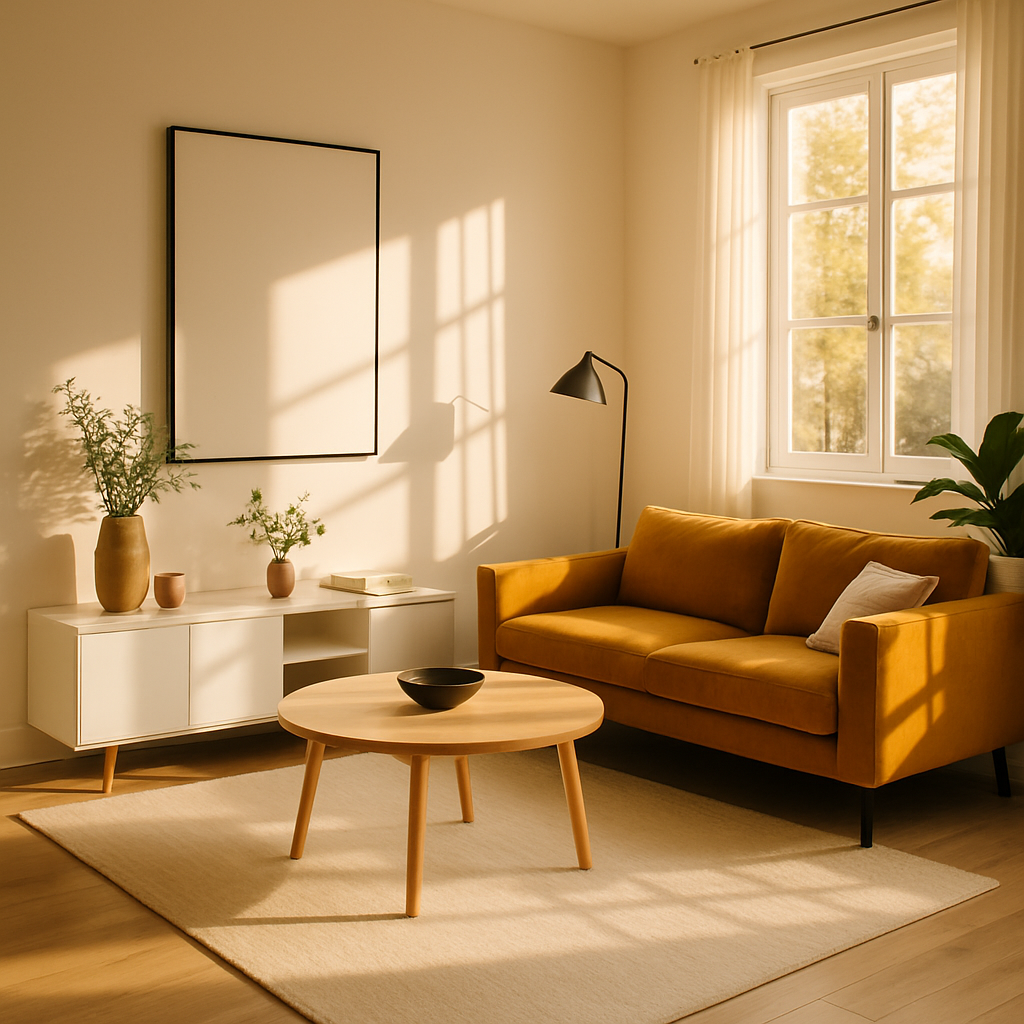
Have you ever stared at a room in your home and felt completely overwhelmed by the prospect of redesigning it? You know something needs to change, but hiring a traditional designer feels expensive, intimidating, or simply impractical given your schedule. That frustration is precisely why online interior design has become one of the most significant shifts in how homeowners approach their living spaces. The ability to collaborate with credentialed professionals from anywhere, receive photorealistic renderings of your future rooms, and implement changes at your own pace has opened doors that were previously closed to millions of people. Whether you live in a rural community far from design showrooms or simply prefer the convenience of digital collaboration, online interior design platforms are reshaping the relationship between professional expertise and personal taste. According to the American Society of Interior Designers (ASID), the demand for remote design consultations has grown by over 40 percent in recent periods, reflecting a fundamental change in consumer expectations. This guide walks you through everything you need to know about leveraging online design services to create spaces that genuinely reflect who you are.
Understanding the Online Interior Design Landscape
Online interior design represents a fundamental departure from the conventional model where clients meet designers in person, visit showrooms together, and rely heavily on physical samples and swatches. Instead, the entire process unfolds through digital platforms that combine questionnaires, mood boards, video consultations, and sophisticated rendering software to deliver professional-grade design plans. These platforms range from full-service experiences where a dedicated designer handles every detail to more affordable options where algorithms generate initial concepts that human designers then refine. The flexibility inherent in this approach means that homeowners can engage with the process on their own timeline, reviewing proposals during lunch breaks or late evenings without coordinating complex schedules with busy professionals.
The technology powering these services has matured considerably, making virtual collaboration nearly as effective as in-person consultations. High-resolution 3D modeling tools allow designers to create photorealistic renderings that show exactly how furniture, paint colors, and decorative elements will look in a specific room. Clients upload photographs and measurements of their spaces, and designers use this data to build accurate digital replicas. Many platforms now integrate augmented reality features that let homeowners visualize proposed changes through their smartphone cameras, placing virtual furniture in real rooms before committing to any purchase. This technological sophistication has eliminated much of the guesswork that once made interior design feel risky for budget-conscious consumers.
The credentialing landscape for online designers mirrors that of traditional practice, and reputable platforms ensure their professionals hold relevant qualifications. Designers certified through the National Council for Interior Design Qualification (NCIDQ) bring the same expertise to virtual projects that they would to in-person engagements. The International Interior Design Association (IIDA) has also recognized the legitimacy of remote practice, incorporating digital collaboration standards into their professional guidelines. When selecting an online design service, verifying that designers hold recognized certifications provides the same assurance of competence and ethical practice that clients expect from any professional relationship. This credentialing infrastructure ensures that the convenience of online design does not come at the expense of quality or professionalism.
How the Online Design Process Works From Start to Finish
The journey typically begins with an intake process that captures your preferences, lifestyle requirements, and aesthetic sensibilities through detailed questionnaires and visual surveys. Most platforms ask you to select images that resonate with your taste, identify colors you gravitate toward, and describe how you actually use each room in your daily life. This information forms the foundation of a design brief that your assigned professional uses to develop initial concepts. Some services also request photographs of existing furniture you want to keep, architectural features that cannot be changed, and any inspiration images you have collected from magazines or social media platforms like Houzz. The thoroughness of this initial phase directly influences the relevance and accuracy of the design proposals you receive.
Once your designer has assembled enough information, they create a comprehensive design package that typically includes a mood board, a floor plan, 3D renderings, and a curated shopping list with links to specific products. The mood board establishes the overall direction through colors, textures, and stylistic references, giving you a visual shorthand for the proposed aesthetic before any specific products are selected. Floor plans show furniture placement and spatial flow, addressing practical concerns like traffic patterns, conversation areas, and functional zones within open-plan layouts. The shopping list is where the practical meets the aspirational, with designers selecting specific items across multiple price points and providing alternatives so clients can adjust the budget without sacrificing the overall vision.
The revision phase distinguishes quality online design services from those that merely automate generic recommendations. Reputable platforms include multiple rounds of revisions where you provide feedback on initial proposals and your designer adjusts accordingly. This iterative dialogue is where the real value of professional guidance emerges, as designers interpret your reactions, identify patterns in your preferences that you might not articulate directly, and refine their proposals to align more precisely with your vision. Have you considered how much time and money you could save by getting professional guidance before making a single purchase? The revision process ensures that the final design plan reflects a genuine collaboration rather than a one-sided prescription, and most clients find that their finished spaces exceed what they could have achieved independently.
Exploring Current Design Philosophies in Online Platforms
The Japandi aesthetic has emerged as one of the most requested styles across online design platforms, blending the warm minimalism of Scandinavian design with the refined simplicity of traditional Japanese interiors. This fusion creates spaces that feel simultaneously cozy and uncluttered, using natural materials like light oak, linen, and ceramic alongside a muted palette of warm neutrals and soft earth tones. Online designers specializing in Japandi approaches emphasize the concept of wabi-sabi, finding beauty in imperfection and celebrating the natural variations in handcrafted objects. The style translates particularly well to digital design processes because its restrained material palette and clean lines are easily communicated through renderings and mood boards, reducing the ambiguity that sometimes affects more eclectic design directions.
Biophilic design principles have also gained tremendous traction in the online design space, driven by growing awareness of the connection between natural elements and human wellbeing. This approach goes beyond simply adding houseplants to a room, instead incorporating natural light optimization, organic shapes in furniture and fixtures, water features, natural material textures, and views of outdoor spaces into cohesive design strategies. Research from the ASID indicates that biophilic design elements can reduce stress levels by up to 15 percent in residential environments, a statistic that resonates strongly with homeowners seeking sanctuaries from demanding professional lives. Online designers implement biophilic principles through strategic window treatment selections, living wall recommendations, material specifications that prioritize stone and wood over synthetics, and lighting plans that complement circadian rhythms.
Quiet luxury has become another defining movement that online platforms execute with particular effectiveness, emphasizing quality materials and expert craftsmanship over conspicuous branding or trend-driven purchases. This philosophy prioritizes investment pieces with enduring appeal, selecting sofas upholstered in performance fabrics that age gracefully, tables crafted from solid hardwoods rather than veneers, and lighting fixtures from artisan studios rather than mass-market retailers. Online designers curate shopping lists that balance accessible price points with strategic splurges, guiding clients toward the items where quality matters most and identifying categories where more affordable options perform equally well. What aspects of quiet luxury resonate most with how you want your home to feel? The digital format actually enhances this approach because designers can provide detailed information about material composition, manufacturing processes, and expected longevity alongside each recommendation, empowering clients to make informed decisions about where to invest and where to economize.
Budgeting and Cost Considerations for Online Design Services
Understanding the fee structures of online interior design services is essential for setting realistic expectations and maximizing the value of your investment. Full-service online design packages typically range from a few hundred dollars for a single room to several thousand for whole-home projects, positioning them well below traditional in-person design fees that often run between $150 and $500 per hour. The most affordable tier of online services provides algorithm-generated design concepts with limited human oversight, suitable for clients who have strong existing taste and primarily need help with spatial planning and product sourcing. Mid-range services pair clients with dedicated designers for multiple consultation sessions and revision rounds, offering the most balanced combination of professional expertise and affordability for most homeowners.
The product procurement aspect of online design introduces additional cost considerations that savvy clients should understand before committing. Many platforms earn referral commissions from retailers when clients purchase recommended products through provided links, which can sometimes influence product selections toward partner brands. Transparent services disclose these relationships and ensure that recommendations genuinely serve the client's interests regardless of commission structures. Some platforms negotiate trade discounts with manufacturers and pass a portion of these savings to clients, effectively offsetting the design fee through reduced product costs. Understanding these financial dynamics helps clients evaluate the true cost of online design services and choose platforms whose business models align with their interests.
Smart home integration has become an increasingly significant budget category within online design projects, as connected devices and automated systems intersect with aesthetic considerations in ways that require professional guidance. Designers now routinely specify smart lighting systems that can adjust color temperature throughout the day, motorized window treatments that respond to sunlight sensors, and integrated audio systems that disappear into architectural elements. These technologies represent meaningful investments, but online designers help clients prioritize based on lifestyle impact and avoid the common mistake of purchasing smart home features that sound impressive but go unused. The AD PRO platform has reported that projects incorporating thoughtful smart home integration consistently achieve higher client satisfaction scores than those focused exclusively on furnishings and finishes, suggesting that technology and design are becoming inseparable considerations in contemporary residential projects.
Maximizing Your Results With Online Interior Design
The quality of your online design experience depends significantly on the effort you invest in the initial communication phase, and clients who provide thorough, honest input consistently receive more relevant proposals. Rather than curating an idealized vision of how you want to live, share the messy reality of how you actually use your spaces, including the pile of mail that accumulates on the kitchen counter, the corner where shoes collect by the front door, and the way your family gravitates toward one specific spot on the sofa. Designers who understand your real habits can create solutions that accommodate them gracefully rather than fighting against deeply ingrained patterns. This honest communication extends to budget discussions, where transparency about actual spending limits prevents the frustration of falling in love with proposals that exceed your financial comfort zone.
Building a productive relationship with your online designer requires treating the process as a genuine collaboration rather than a transaction where you pay for a finished product. Provide specific feedback on proposals rather than vague reactions, identifying exactly which elements appeal to you and which fall flat. If a suggested sofa feels wrong, articulate whether the issue is the color, the scale, the style, or the material rather than simply requesting something different. This specificity accelerates the refinement process and reduces the number of revision rounds needed to reach a satisfying outcome. Experienced designers on platforms recognized by the IIDA report that clients who engage actively in the feedback process achieve results that surpass their initial expectations, while passive clients who accept proposals without meaningful input often feel disconnected from their finished spaces.
Implementation planning is where many online design projects stumble, and understanding common pitfalls helps you avoid them. The shopping list your designer provides represents a carefully coordinated vision where individual pieces relate to each other through color, scale, proportion, and material relationships. Substituting items without consulting your designer can disrupt these relationships in ways that undermine the overall concept, even when the substituted piece seems similar to the original recommendation. If budget constraints require substitutions, ask your designer to suggest alternatives that maintain the integrity of the design rather than making independent swaps. Similarly, phased implementation requires strategic sequencing to ensure that partially completed rooms still feel intentional rather than half-finished, and your designer can advise on which elements to prioritize for maximum early impact.
The Future of Online Interior Design Technology
Artificial intelligence is reshaping the initial stages of online design by analyzing client preferences with unprecedented precision and generating preliminary concepts that designers then elevate with professional judgment. Machine learning algorithms trained on millions of design images can identify subtle patterns in client selections that reveal preferences the clients themselves might not consciously recognize, such as a consistent attraction to specific proportional relationships or material textures. These AI-assisted tools do not replace human designers but rather accelerate the discovery phase, allowing professionals to spend more time on the creative and strategic aspects of design where human expertise remains irreplaceable. The Houzz platform has been particularly active in developing AI tools that analyze room photographs and suggest design modifications based on spatial analysis and style matching.
Virtual reality is poised to transform the client review experience by allowing homeowners to walk through proposed designs before any physical changes are made. Current 3D renderings provide excellent visual representations, but VR adds the dimension of spatial experience, letting clients feel the proportions of a room, assess sightlines from different positions, and understand how spaces flow into each other in ways that flat images cannot convey. Several online design platforms are piloting VR review sessions where clients and designers meet in virtual representations of proposed spaces, discussing changes while literally standing inside the design. This technology is particularly valuable for complex projects involving structural modifications, where understanding the spatial implications of removing walls or adjusting ceiling heights can prevent costly mid-construction changes of direction.
Sustainability tracking represents another frontier where technology is enhancing online design services, with platforms developing tools that calculate the environmental footprint of design proposals and suggest lower-impact alternatives. These systems evaluate factors including material sourcing, manufacturing emissions, transportation distances, expected product lifespan, and end-of-life recyclability to provide comprehensive sustainability scores for each recommended item. Clients increasingly request this information as environmental consciousness becomes a mainstream consideration in home furnishing decisions. The convergence of sustainability metrics with design aesthetics creates opportunities for online platforms to distinguish themselves by helping clients make choices that align with both their visual preferences and their environmental values, a dual optimization that manual processes struggle to achieve at scale.
Conclusion
Online interior design has matured from a novel concept into a sophisticated professional service that delivers genuine value to homeowners across every budget level and geographic location. The combination of credentialed design expertise, advanced visualization technology, and flexible collaboration models makes professional guidance accessible to anyone with an internet connection and a desire to improve their living environment. From the initial questionnaire through final implementation, the process offers a structured pathway to spaces that reflect your personality, accommodate your lifestyle, and incorporate current design thinking without requiring the significant time and financial commitments associated with traditional design engagements. The key to success lies in approaching the experience as an active participant rather than a passive consumer, investing effort in honest communication, specific feedback, and disciplined implementation. As visualization technologies continue advancing and sustainability tools become standard features, the gap between online and in-person design experiences will narrow further, making this an ideal moment to explore how professional design guidance can transform your relationship with the spaces where you live, work, and recharge. Ready to take the first step toward a home that truly works for you?
More Articles You May Like



Comments
Post a Comment