Transform Your Space: The Ultimate Guide to Online Interior Design Services
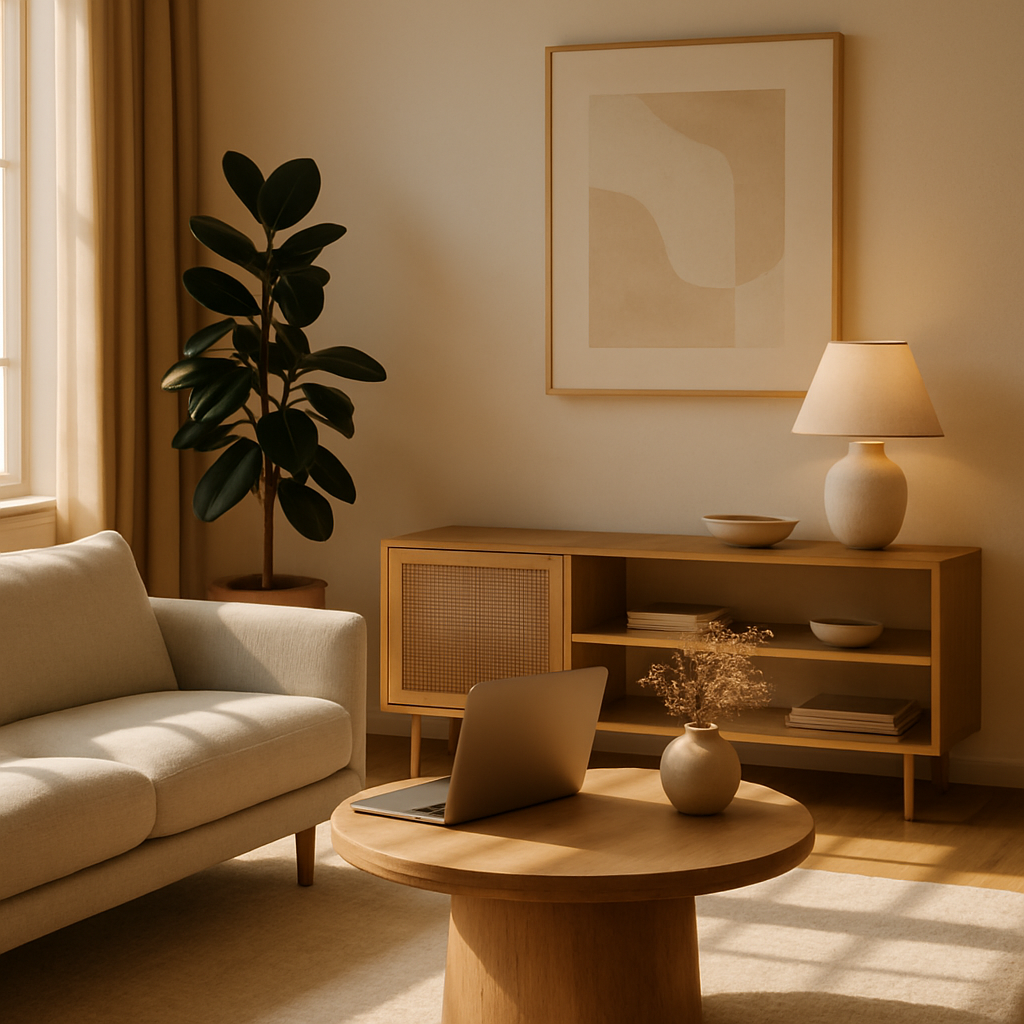
The way homeowners approach interior design has undergone a fundamental shift. Online interior design services now offer the same caliber of professional guidance that once required in-person consultations and showroom visits, all delivered through digital platforms and virtual collaboration tools. Whether you are refreshing a single room or reimagining your entire home, these services connect you with certified designers who can interpret your style, optimize your layout, and source furnishings from anywhere in the country. The American Society of Interior Designers (ASID) reports that demand for virtual design consultations has grown steadily, driven by advances in AR/VR visualization technology and the convenience of remote collaboration. For homeowners who want professional results without the constraints of geography or traditional scheduling, online interior design services represent a powerful and accessible option. This guide walks you through everything you need to know, from understanding how these platforms work to selecting the right designer and managing your budget effectively.
How Online Interior Design Services Actually Work
Online interior design services follow a structured process that mirrors traditional design work while leveraging digital tools for efficiency. Most platforms begin with a detailed questionnaire or style quiz that captures your aesthetic preferences, functional needs, budget range, and timeline. You then upload photos and measurements of your space, which the designer uses to create a comprehensive design plan. This initial phase sets the foundation for the entire project and ensures the designer understands your vision before any proposals are drafted.
Once the brief is established, your assigned designer develops mood boards, floor plans, and curated product selections tailored to your space. Many services now incorporate AR/VR visualization tools that let you see proposed furniture and finishes overlaid on photos of your actual rooms. Platforms like Houzz have integrated 3D rendering features that give homeowners a realistic preview of the finished design before any purchases are made. This technology eliminates much of the guesswork that traditionally accompanied interior design projects and reduces costly mistakes.
Communication typically happens through the platform's messaging system, video calls, or email, depending on the service tier you select. Revision rounds are built into most packages, allowing you to refine selections and adjust layouts until the plan feels right. The final deliverable usually includes a detailed shopping list with direct purchase links, a floor plan with furniture placement, and installation guidance. Have you ever wondered whether a virtual consultation could truly capture the nuances of your space? The answer lies in the sophistication of modern measurement tools and the designer's ability to ask the right questions upfront. Understanding the workflow is essential, but equally important is knowing what these services cost and how to budget for them.
Understanding Pricing Models and Budget Planning
Online interior design services offer several pricing structures, and understanding them is critical to choosing the right option for your project. Flat-fee packages are the most common entry point, typically ranging from to ,000 per room depending on the scope and the designer's credentials. These packages usually include a set number of design concepts, revision rounds, and a final shopping list. For homeowners working on a single room refresh, flat-fee models provide predictable costs and clear deliverables from the start.
For larger or more complex projects, many designers charge hourly rates that typically fall between and per hour, with NCIDQ-certified professionals commanding the higher end of that range. Full-service design engagements, which include procurement, project management, and installation oversight, often run between ,000 and ,000 per room. Some designers also work on a percentage basis, charging 10 to 25 percent of the total project expenditure, which aligns their incentive with the overall scope and quality of the finished space. The International Interior Design Association (IIDA) recommends requesting a detailed fee breakdown before signing any agreement.
Budget transparency is one of the genuine advantages of online platforms compared to traditional design firms. Most services display pricing upfront on their websites, and many offer tiered packages so you can select the level of involvement that matches your budget. When evaluating costs, factor in not just the design fee but also the furniture and materials budget, shipping costs, and any contractor fees for installation work. Does your budget need to stretch further than expected? Many online designers specialize in achieving high-impact results within modest budgets by mixing investment pieces with affordable alternatives. Once you have a clear picture of what you can spend, the next step is evaluating which design trends align with your personal style.
Current Design Trends Shaping Online Services
The design trends that dominate online platforms reflect broader shifts in how people relate to their living spaces. Biophilic design, which integrates natural elements like living walls, organic textures, and abundant natural light, has become one of the most requested styles across online design platforms. This approach goes beyond placing a few houseplants on a shelf. It involves selecting materials like reclaimed wood, stone, and linen that create a tactile connection to the natural world throughout the home. Designers certified by ASID have noted that biophilic principles improve not only aesthetics but also occupant well-being and comfort.
Quiet luxury has emerged as a defining aesthetic for homeowners who prefer understated sophistication over conspicuous display. This trend emphasizes premium materials, expert craftsmanship, and muted color palettes rather than bold logos or flashy finishes. Think cashmere throws, hand-finished plaster walls, and bespoke joinery that prioritizes touch and longevity over visual noise. Online designers are particularly well-suited to sourcing quiet luxury pieces because they often have access to trade-only vendors and artisan workshops that are not available through standard retail channels.
Japandi, the hybrid of Japanese minimalism and Scandinavian warmth, continues to influence online design projects with its emphasis on functional beauty and restrained palettes. Sustainable materials have also moved from niche preference to mainstream expectation, with clients increasingly requesting FSC-certified woods, low-VOC paints, and recycled textiles. Smart home integration rounds out the current trend landscape, as designers now routinely specify automated lighting, motorized window treatments, and integrated speaker systems as part of their proposals. These trends are not passing fads but reflect deeper cultural priorities around wellness, sustainability, and intentional living. Knowing what you want stylistically is important, but finding the right designer to execute that vision is where the real work begins.
How to Evaluate and Select the Right Online Designer
Choosing an online interior designer requires the same due diligence you would apply to hiring any professional for your home. Start by reviewing their portfolio to confirm their style range and project experience. A designer whose portfolio consists entirely of maximalist bohemian spaces may not be the best fit for a clean contemporary renovation, regardless of how talented they are. Look for evidence of versatility and, more importantly, projects that resemble your own in scope and budget. AD PRO, the trade arm of Architectural Digest, maintains directories of vetted designers that can serve as a useful starting point.
Credentials matter in online design just as they do in traditional practice. Designers who hold NCIDQ certification have passed rigorous examinations covering building codes, accessibility standards, and professional ethics. Membership in organizations like ASID or IIDA indicates ongoing professional development and adherence to industry standards. While certification is not legally required in all jurisdictions, it provides a meaningful quality signal, especially when you are working with someone you may never meet in person. Ask potential designers about their qualifications, insurance coverage, and experience with remote projects specifically.
Client reviews and testimonials offer another layer of insight, but read them critically. Look for specifics about communication responsiveness, adherence to timelines, and budget management rather than generic praise. Many platforms display designer ratings and completed project counts, which can help you gauge experience levels. Schedule an introductory call before committing to any service. This conversation reveals whether the designer listens carefully, asks thoughtful questions, and communicates in a style that matches your preferences. Are you someone who wants weekly video check-ins, or do you prefer asynchronous communication through a shared design board? Establishing communication expectations early prevents frustration later. Once you have selected your designer, understanding how to use technology effectively will make the collaboration smoother.
Leveraging Technology for Better Design Outcomes
Technology is the backbone of online interior design, and understanding the tools available to you can dramatically improve the outcome of your project. AR/VR visualization has progressed from a novelty to a practical design tool that most reputable online services now offer. Applications like Houzz's View in My Room feature allow you to place true-to-scale 3D models of furniture and decor directly into photographs of your space using your smartphone camera. This capability transforms the selection process from abstract imagination into concrete visual confirmation, reducing the risk of purchasing items that look wrong in context.
Digital mood boards and collaborative design platforms have replaced the physical sample boards of traditional practice. Tools like Canva, Milanote, and proprietary platform interfaces let you and your designer share inspiration images, material swatches, and product options in a single organized workspace. These platforms typically allow real-time commenting and version tracking, so you can see how the design evolves through each revision round. The ability to access your design plan from any device at any time is a practical convenience that traditional in-person design simply cannot match.
Measurement technology has also improved the accuracy of remote design work. Smartphone-based room scanning apps can generate floor plans with measurements accurate to within a few centimeters, which designers use to create precise furniture layouts and custom millwork specifications. Some services provide laser measuring tools as part of their onboarding kit, ensuring dimensional accuracy from the very first step. Smart home integration planning often requires detailed technical specifications for wiring, networking, and device placement, and online designers increasingly collaborate with home automation specialists to deliver seamless results. The right technology stack makes remote design feel as precise and personal as having a designer walk through your home. With the practical tools covered, the final consideration is how to manage the project from start to completion.
Managing Your Online Design Project from Start to Finish
Successful online design projects depend on clear communication, realistic expectations, and organized project management from day one. Begin by documenting your priorities in writing before your first designer interaction. List non-negotiable requirements such as storage capacity for a growing family, accessibility features for aging parents, or specific furniture pieces you intend to keep. Distinguishing between needs and wishes helps your designer allocate the budget effectively and avoids the scope creep that derails many projects regardless of whether they are conducted online or in person.
Establish a clear timeline with milestones and review points at the outset. A typical single-room online design project takes four to eight weeks from initial consultation to final shopping list delivery, though full-service projects involving procurement and installation can extend to three or four months. Build buffer time into your schedule for shipping delays, back-ordered items, and the inevitable decision-making pauses that occur when you are choosing between two equally appealing options. Request regular progress updates from your designer and hold them accountable to agreed-upon deadlines, just as you would with any contractor working on your home.
Documentation is your best friend throughout the process. Keep a centralized folder with all design files, invoices, product specifications, and correspondence. If your project involves contractors for painting, installation, or electrical work, ensure your designer provides detailed specification documents that those tradespeople can follow without ambiguity. Many online designers offer project management add-ons that include vendor coordination and installation oversight for an additional fee, which can be worth the investment for complex multi-room projects. The most successful clients treat their online design project with the same organizational rigor they would apply to any significant home investment. By staying engaged, responsive, and organized, you set the stage for a result that genuinely reflects your vision and lifestyle.
Online interior design services have matured into a legitimate and often superior alternative to traditional in-person design for many homeowners. The combination of professional expertise, advanced visualization technology, and flexible pricing models makes high-quality design accessible regardless of your location or schedule. Whether you are drawn to the organic warmth of biophilic design, the restrained elegance of quiet luxury, or the functional simplicity of Japandi, the right online designer can translate your preferences into a cohesive, livable plan. Take the first step by requesting consultations from two or three services that match your budget and style preferences, compare their approaches during introductory calls, and commit to the one that demonstrates the strongest understanding of your goals. Your home deserves thoughtful design, and the tools to achieve it are now at your fingertips.
More Articles You May Like



Comments
Post a Comment