Transform Your Space: Top 5 Interior Design Studio Trends to Follow
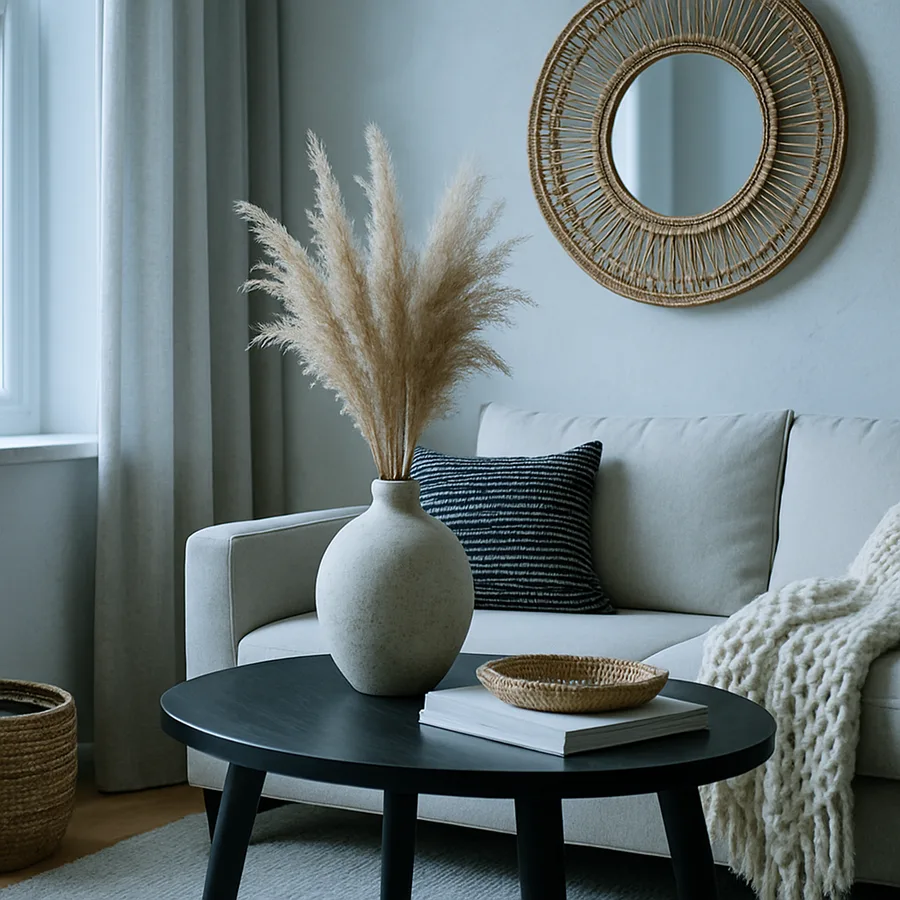
Have you ever walked into a room and felt instantly at ease, as if the space itself was whispering tranquility into your ear? That serene sensation is no accident; it's the result of thoughtful interior design. Today, the landscape of interior design is evolving at an unprecedented pace. Trends that were once considered avant-garde have become mainstream, while new styles continuously emerge. This article will explore the top trends currently transforming interior design studios and how you can leverage these trends to revamp your own space. From biophilic design to the integration of smart technology, we'll delve into the factors driving these changes and provide actionable insights for your next project.
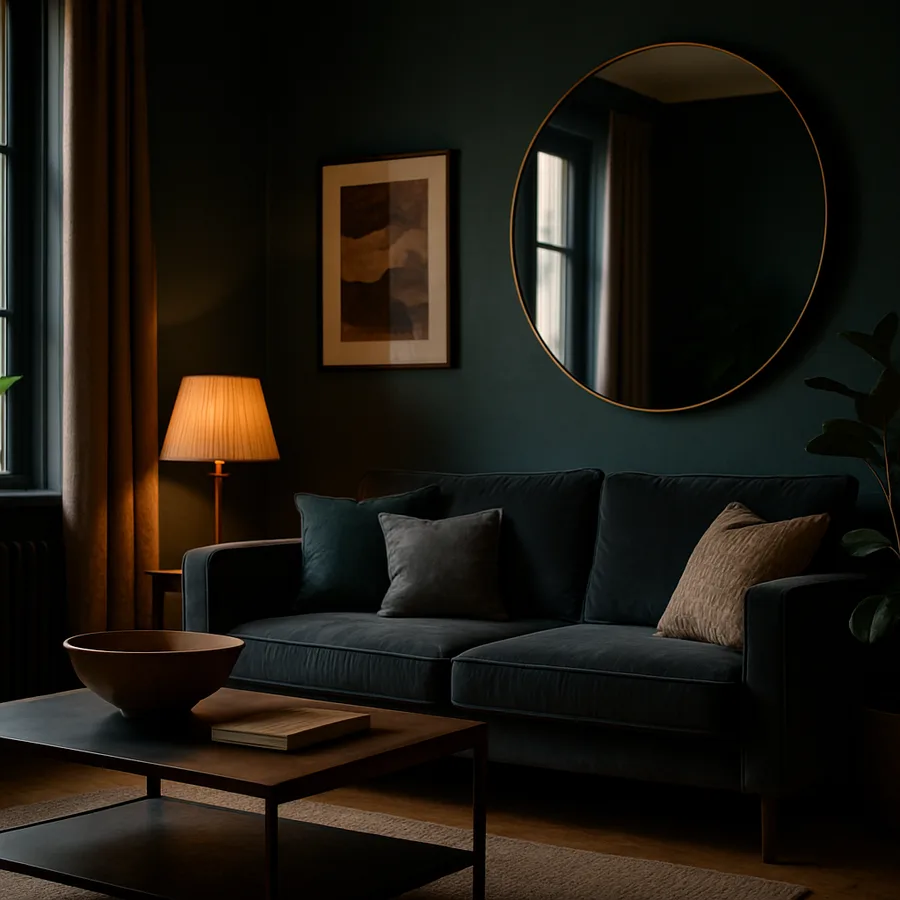
The Current Landscape
As the world becomes more interconnected, interior design studios are seeing a surge in demand for spaces that reflect a blend of global influences. The rise of social media platforms like Instagram and Pinterest has democratized design inspiration, allowing homeowners to access a plethora of styles and ideas at their fingertips. According to a survey by the American Society of Interior Designers (ASID), 68% of design professionals reported an increase in client demand for personalized spaces that incorporate cultural elements and international aesthetics.
Moreover, the concept of biophilic design-which incorporates natural elements into interior spaces-is gaining traction. This approach not only enhances aesthetic appeal but also promotes well-being by connecting occupants with nature. The integration of living walls, natural materials, and indoor-outdoor flow has become a hallmark of contemporary design studios aiming to create environments that soothe the mind and body.
Simultaneously, there's a growing emphasis on sustainability. Clients are increasingly prioritizing eco-friendly materials and energy-efficient solutions in their design choices. As the industry shifts towards more sustainable practices, studios are adapting by sourcing reclaimed materials and employing innovative techniques to reduce waste. These trends are setting the stage for a new era in interior design, where aesthetics and responsibility go hand in hand.
Key Factors Driving Change
Several key factors are driving the transformation of interior design studios today. One of the primary catalysts is technological advancement. The advent of smart home technology has revolutionized how spaces are designed and utilized. From automated lighting and climate control to intelligent window treatments, designers are integrating technology to enhance functionality and convenience.
Another significant factor is the shift in consumer preferences towards quiet luxury and understated elegance. This trend reflects a desire for simplicity and refinement over opulence. Homeowners are moving away from flashy designs and gravitating towards spaces that prioritize quality, craftsmanship, and subtle sophistication. This change is partly influenced by the global pandemic, which has prompted people to seek comfort and tranquility in their living environments.
Economic considerations also play a crucial role. The financial implications of investing in interior design can be substantial, with single-room redesigns costing between $5,000 and $15,000, and full-home projects often exceeding $50,000. As such, clients are becoming more discerning, seeking designs that offer both aesthetic appeal and resale value. Industry surveys suggest that well-designed interiors can increase property value by 5-15%, making it a worthwhile investment for many homeowners.
What the Research Shows
Research conducted by Houzz reveals that homeowners are increasingly focused on creating multifunctional spaces that accommodate a variety of activities. The annual Houzz survey found that 54% of respondents were interested in open-concept layouts that facilitate seamless transitions between different areas of the home. This trend reflects a desire for flexible spaces that can adapt to the changing needs of families and individuals.
Another key finding is the rising popularity of Japandi design, a fusion of Japanese minimalism and Scandinavian warmth. This style emphasizes simplicity, functionality, and natural materials, appealing to those who appreciate clean lines and a clutter-free environment. The trend towards minimalism is also indicative of a broader movement towards mindful living, where people prioritize experiences over possessions.
Furthermore, the data underscores the importance of professional credentials in the industry. The National Council for Interior Design Qualification (NCIDQ) remains the gold-standard credential for interior designers, with an increasing number of clients seeking professionals who hold this certification. This trend highlights the value placed on expertise and professionalism in an industry that is becoming ever more sophisticated.
Practical Implications for You
So, what do these trends mean for you as a homeowner or a potential client of an interior design studio? First, consider how you use your space. Reflect on where you spend most of your time and what activities you engage in. Do you need a quiet corner for reading, or a vibrant area for entertaining guests? Mapping out your lifestyle needs will help you identify the design elements that will make the most significant impact.
Next, think about incorporating sustainable practices into your design. Opt for eco-friendly materials like bamboo, recycled metal, and reclaimed wood. Not only do these choices benefit the environment, but they also add a unique character to your home. Experienced professionals often note that sustainability doesn't have to come at the expense of style; in fact, it can enhance the overall aesthetic.
Finally, don't be afraid to integrate technology into your design. Smart home features can simplify daily routines and enhance comfort. Consider investing in automated systems that allow you to control lighting, temperature, and security with ease. These additions not only improve your living experience but can also add value to your property.
Expert Perspectives
Industry experts offer valuable insights into the evolving landscape of interior design. According to the International Interior Design Association (IIDA), the focus on creating "healthy" interiors is gaining momentum. This involves designing spaces that promote physical and mental well-being through the use of natural light, air purification systems, and ergonomic furnishings.
The ASID emphasizes the importance of cultural sensitivity in design. As societies become more diverse, designers are challenged to create spaces that respect and celebrate different cultural heritages. This trend is particularly relevant in urban areas where multicultural interactions are commonplace.
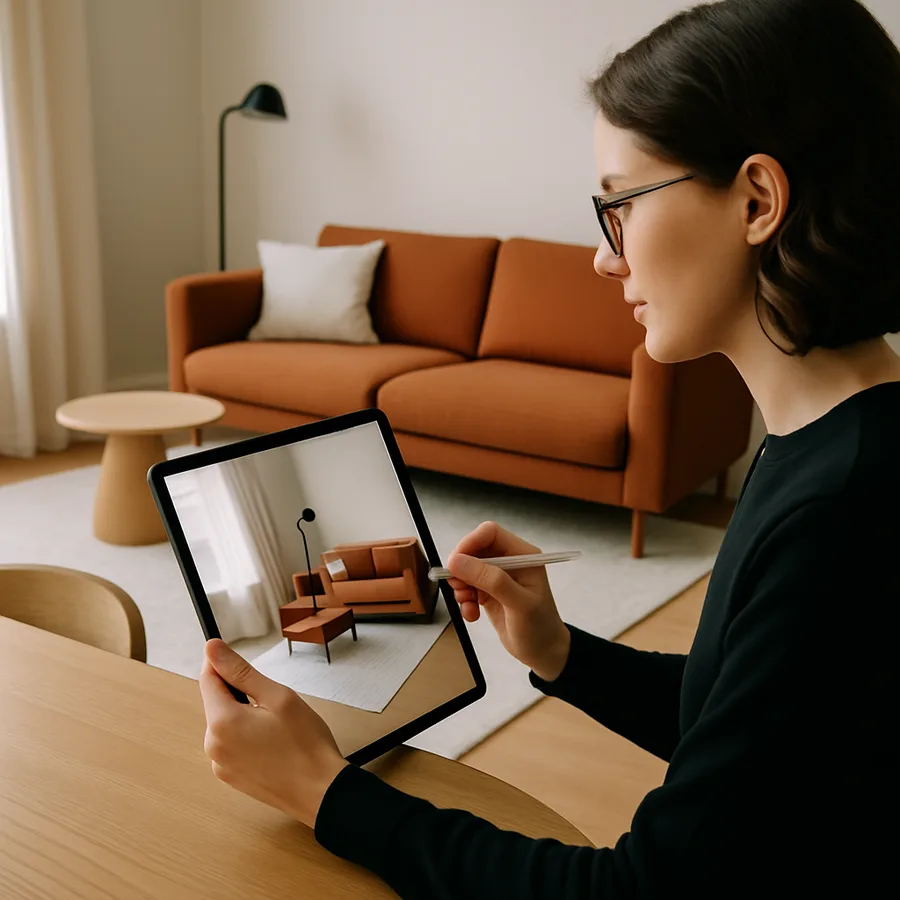
Moreover, the integration of AR/VR technology in design processes is transforming how clients visualize their projects. Architectural Digest's AD PRO network highlights how these tools enable designers to present virtual walkthroughs, allowing clients to experience a space before it's physically realized. This technology not only enhances client satisfaction but also streamlines the design process, reducing the likelihood of costly revisions.
Looking Ahead
As we look to the future, the fusion of technology and design will continue to shape the industry. The concept of the "smart home" is expected to evolve, with further advancements in automation and artificial intelligence enhancing the functionality and personalization of interior spaces. Designers who embrace these technologies will be well-positioned to meet the demands of tech-savvy clients.
Additionally, the trend towards sustainability is likely to intensify. As awareness of environmental issues grows, both designers and clients will prioritize eco-friendly solutions. This shift will drive innovation in materials and construction methods, leading to more sustainable and efficient designs.
Ultimately, the future of interior design studios will be defined by a balance of aesthetic innovation and responsible practices. As these trends continue to gain traction, they offer exciting opportunities for those looking to transform their spaces. Are you ready to embrace the future of interior design?
Conclusion
The interior design industry is undergoing a transformative period, characterized by technological innovation, sustainability, and cultural inclusivity. By understanding and embracing these trends, you can create spaces that not only reflect your personal style but also enhance your quality of life. Whether you're planning a small renovation or a full-scale redesign, the insights from industry experts can guide your decisions.
As you embark on your design journey, consider starting with a consultation with a certified interior designer. Explore platforms like Houzz to find inspiration and connect with professionals who can bring your vision to life. Start by browsing portfolios this week-even 20 minutes of research will sharpen your eye for what you want. Transform your space and elevate your living experience today.
More Articles You May Like


Comments
Post a Comment