Transform Your Space: Innovative Interior Design Trends to Follow Today
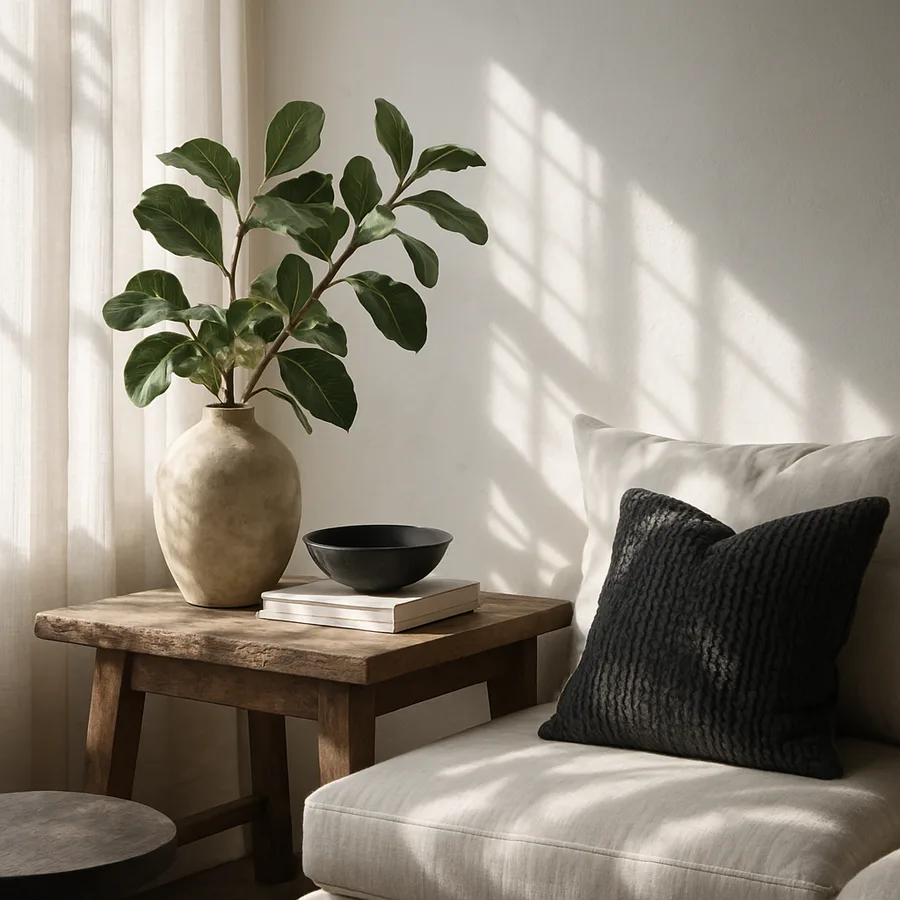
The world of interior design moves in cycles, but certain shifts represent something deeper than a passing fad. When multiple designers, architects, and cultural commentators begin pointing in the same direction, the resulting trends tend to reshape how we think about our living spaces for years to come. The trends gaining momentum right now reflect a collective desire for authenticity, comfort, and a stronger connection between indoor environments and the natural world. These are not superficial changes in color preference or furniture shape but fundamental reconsiderations of what a home should feel like and how it should function.
According to the American Society of Interior Designers (ASID), over 70 percent of homeowners who undertook renovation projects in recent years cited improved wellbeing as their primary motivation, surpassing resale value for the first time. This shift in priorities has rippled through every corner of the design industry, influencing material choices, spatial layouts, and even how lighting is conceived. Designers are responding by creating environments that actively support physical and mental health rather than merely looking attractive in photographs. The result is an exciting period of innovation where function and beauty are no longer competing interests but collaborative partners.
Whether you are starting from scratch with an empty room or looking to refresh an existing space, understanding these trends provides a framework for making intentional choices. The goal is not to replicate a showroom or a curated social media image but to draw inspiration from broader movements and adapt them to your own life, preferences, and budget. Each trend discussed here offers practical entry points that work at any scale, from a single accent piece to a full room redesign. Have you considered which aspects of your current space no longer reflect how you actually live?
Biophilic Design and the Pull of Nature
Biophilic design has moved well beyond placing a potted fern on a windowsill. This approach, rooted in the idea that humans have an innate need to connect with nature, now influences architectural decisions, material palettes, and spatial configurations at every scale. Designers are incorporating living walls, indoor water features, and natural stone surfaces not as decorative afterthoughts but as core structural and aesthetic elements. The American Society of Interior Designers has recognized biophilic design as one of the most significant movements in contemporary practice, noting its measurable effects on occupant satisfaction and productivity.
Research published by Terrapin Bright Green, an environmental consulting firm, found that incorporating biophilic elements into interior spaces can reduce stress levels by up to 15 percent and improve cognitive function by approximately 6 percent. These are not marginal gains but meaningful improvements that accumulate over hours, days, and weeks spent in a well-designed environment. Natural light remains the single most impactful biophilic element, and designers are maximizing it through larger windows, skylights, light wells, and reflective surfaces that bounce daylight deeper into interior spaces. Where natural light is limited, full-spectrum lighting systems that mimic the color temperature shifts of daylight throughout the day offer a compelling alternative.
Material selection plays a critical role in biophilic design. Raw wood with visible grain patterns, unpolished stone, rattan, jute, and linen all carry sensory information that our nervous systems recognize and respond to positively. The texture of a handwoven wool throw, the warmth of a solid oak dining table, the cool smoothness of a marble countertop, these tactile experiences create a multi-sensory connection to the natural world that synthetic materials simply cannot replicate. Combining multiple natural materials within a single space creates layered richness without visual clutter, provided the palette remains coherent and the proportions are carefully managed.
Integrating nature also means embracing imperfection. The Japanese concept of wabi-sabi, finding beauty in natural imperfection and transience, aligns perfectly with biophilic principles. A reclaimed wood shelf with visible knots and color variations tells a richer story than a perfectly uniform manufactured surface. Handmade ceramic vessels with slight asymmetries feel more alive than mass-produced alternatives. This acceptance of natural irregularity creates spaces that feel warm, human, and genuinely inviting rather than sterile and museum-like.
Bold Textures and Tactile Layering
Texture has emerged as the dominant design tool for creating visual interest and depth without relying on bold color or busy patterns. Designers are layering multiple textures within a single space, combining smooth and rough, matte and glossy, soft and structured to create rooms that are visually complex yet harmonious. A bouclé sofa paired with a leather armchair, a sisal rug, and velvet throw pillows demonstrates how contrasting textures can coexist beautifully when united by a common color temperature or tonal range. This approach rewards close inspection and physical interaction, making rooms that photograph well but feel even better in person.
Wall treatments have become particularly adventurous in this textural renaissance. Limewash paint, Venetian plaster, and microcement finishes create walls with depth and movement that flat paint simply cannot achieve. These finishes interact with light throughout the day, shifting in appearance as shadows move and light angles change, bringing walls to life as dynamic surfaces rather than static backdrops. Textured wall coverings made from natural fibers like grasscloth and cork add warmth and acoustic benefits while providing a rich visual backdrop for furnishings and artwork.
Underfoot, the texture conversation has expanded beyond the traditional carpet-versus-hardwood debate. Terrazzo, polished concrete, encaustic tile, and wide-plank reclaimed wood each offer distinct textural personalities that set the tone for an entire room. Layering area rugs of different textures, perhaps a flat-weave kilim over a thick wool base rug, creates zones within open spaces while adding visual and tactile complexity. The International Interior Design Association (IIDA) has noted that this emphasis on texture reflects a broader cultural desire for sensory richness in an increasingly screen-dominated world.
Furniture designers are responding to this trend with pieces that prioritize tactile appeal. Chunky hand-knit throws, deeply tufted upholstery, and sculpted wood surfaces invite touch in ways that sleek minimalist pieces deliberately avoided. This does not mean abandoning clean lines or modern sensibilities. Rather, it means infusing those sensibilities with warmth and physical presence. A streamlined dining chair becomes far more interesting when upholstered in a richly textured fabric, and a simple console table gains character when crafted from wood with a visible hand-finished surface.
Curved Forms and Organic Shapes
Straight lines and sharp angles dominated interior design for decades, but the current shift toward curved and organic forms represents a significant departure. Arched doorways, rounded sofas, circular dining tables, and kidney-shaped coffee tables are appearing in projects at every price point. This movement traces its roots to mid-century modern design but has evolved into something distinctly contemporary, softer and more fluid than its predecessors. Curved forms create visual flow within a room, guiding the eye along smooth paths rather than stopping it at hard corners and rigid intersections.
The psychological impact of curved forms should not be underestimated. Research conducted by Harvard University and published in the Proceedings of the National Academy of Sciences found that people consistently prefer curved interior environments over angular ones, associating curved spaces with feelings of safety, comfort, and approachability. This preference appears to be deeply rooted, possibly reflecting evolutionary advantages of natural, curved environments over the sharp edges associated with potential threats. Incorporating curves into a room, even subtly, can shift its emotional register from formal and austere to welcoming and relaxed.
Architectural curves make the strongest statement but require the most commitment. Arched doorways, curved walls, and vaulted ceilings transform the fundamental character of a space. For those not ready for structural changes, furniture offers a more accessible entry point. A curved sofa instantly softens a living room, while a round dining table encourages more inclusive conversation by eliminating the hierarchy of head-of-table seating. Even accessories can contribute: oval mirrors, rounded vases, and circular trays on coffee tables introduce gentle curves that counterbalance the predominant straight lines of walls, windows, and shelving.
Designers are also exploring curves in unexpected places. Curved kitchen islands, rounded bathroom vanities, and sculptural stair railings demonstrate that organic forms can function just as effectively as their rectilinear counterparts. The key to working with curves successfully is restraint. A room where every element is curved can feel disorienting and ungrounded. The most effective applications use curved forms as counterpoints to straight lines, creating a dynamic interplay between geometric structure and organic fluidity that keeps the eye engaged without overwhelming it.
Warm Minimalism: Less but Better
The cold, stark minimalism of the early twenty-first century has given way to a warmer, more nuanced interpretation. This evolution retains the core minimalist commitment to intentionality and decluttering while replacing its clinical edge with natural materials, warm tones, and carefully chosen objects that carry personal meaning. The result is spaces that breathe and feel open without the austere emptiness that made strict minimalism feel inhospitable to many people. Warm minimalism recognizes that a room can be both uncluttered and deeply inviting.
Color palettes in warm minimalism center on earth tones: terracotta, warm sand, soft clay, cream, and various shades of brown and beige. These are not the cool grays and stark whites of previous minimalist iterations but colors drawn directly from the natural landscape. Accents come from deeper earth tones like forest green, burnt sienna, and muted rust rather than from bright primary colors. This palette creates a sense of groundedness and calm that supports the minimalist goal of reducing visual noise while avoiding the sterility that pure white and gray schemes can produce.
What sets warm minimalism apart from simple decluttering is the quality and intentionality of what remains. Each object in a warm minimalist space earns its place through either functional necessity or genuine emotional value. A single piece of meaningful artwork has more impact on a bare wall than a salon-style hanging of a dozen decorative prints. A beautifully crafted wooden bowl on a dining table serves as both a functional object and a sculptural element. The National Kitchen and Bath Association (NKBA) has observed this principle extending into kitchen design, where fewer but higher-quality appliances and tools are replacing the overstocked cabinets of previous decades.
Storage design becomes critical in warm minimalist interiors because clutter must have somewhere to go. Built-in cabinetry with clean, handle-free fronts conceals necessary items while maintaining visual serenity. Open shelving, when used, displays a curated selection of beautiful objects rather than serving as general-purpose storage. The discipline required to maintain a warm minimalist space extends beyond initial design into daily habits, making this trend as much a lifestyle philosophy as an aesthetic choice. What would you keep if every object in your home had to justify its presence?
Multifunctional Spaces and Adaptive Design
The way we use our homes has changed dramatically, and interior design is adapting accordingly. Rooms that once served a single purpose now need to accommodate work, exercise, education, and relaxation, sometimes within the same day. This reality has driven innovation in furniture design, spatial planning, and storage solutions that allow a single space to transition smoothly between functions. The home office that doubles as a guest bedroom, the dining table that becomes a workspace, and the living room that transforms into a yoga studio are no longer compromises but intentional design solutions.
Furniture manufacturers have responded with increasingly sophisticated multifunctional pieces. Murphy beds with integrated desk systems, extendable dining tables with hidden storage, and modular sofa systems that reconfigure for different activities represent genuine engineering innovation rather than the flimsy dual-purpose furniture of previous generations. These pieces prioritize performance in every configuration, ensuring that the desk feels like a real desk and the bed feels like a real bed rather than each being a mediocre approximation. Investment in a single high-quality multifunctional piece often delivers better results than purchasing multiple inexpensive single-purpose items.
Zoning techniques help multifunctional spaces maintain distinct identities for each activity. Room dividers, area rugs, lighting changes, and even color differentiation can signal transitions between zones without requiring walls or doors. A workspace zone might feature task lighting, a neutral backdrop, and organized storage, while the adjacent relaxation zone uses softer lighting, warmer colors, and comfortable seating. The Houzz community has documented thousands of creative approaches to multifunctional design, providing a rich resource for homeowners navigating this challenge.
Technology integration plays an increasingly important role in adaptive spaces. Smart lighting systems that shift from bright task illumination to warm ambient glow with a voice command or app adjustment make functional transitions seamless. Motorized screens and projectors that descend from ceiling-mounted housings transform living rooms into home theaters without permanent visual intrusion. Wireless charging surfaces built into tables and countertops eliminate cable clutter. These technological elements work best when invisible, supporting the room's flexibility without announcing their presence through visible hardware or complex interfaces.
Artisan Craft and the Return of the Handmade
In reaction to decades of mass production and algorithmic sameness, there is a powerful resurgence of interest in handcrafted objects and artisan-made furnishings. This trend values the visible evidence of human skill and care: the slight wobble of a hand-thrown ceramic, the unique grain pattern of a hand-selected plank of wood, the distinctive weave of a hand-knotted rug. These imperfections are not flaws but signatures, evidence that a real person invested time, attention, and skill in creating something singular. A room furnished entirely with mass-produced items from the same retailer, no matter how well designed, lacks the character and soul that handmade pieces provide.
Supporting artisan craft also means supporting local and regional economies, sustainable production methods, and cultural traditions that might otherwise disappear. Many contemporary designers are collaborating directly with craftspeople, commissioning custom pieces that combine traditional techniques with modern aesthetics. A hand-forged iron curtain rod, a set of blown glass pendant lights, or a custom ceramic tile backsplash created by a local artist adds layers of meaning and narrative to a space that no catalog product can match. The ASID has highlighted the growing consumer demand for transparency in the production chain, with homeowners increasingly wanting to know who made their furnishings and how.
The handmade trend extends to decorative arts and accessories. Original artwork by emerging and local artists, handwoven textiles, hand-poured candles, and artisan pottery create moments of discovery and delight throughout a home. These objects invite conversation and connection in ways that decorative items purchased for visual effect alone cannot. Building a collection of handmade pieces over time, rather than furnishing a room all at once, creates spaces with depth and personal history that grow more interesting with each addition.
This movement also encourages homeowners to develop their own craft skills. The popularity of ceramics classes, woodworking workshops, and textile arts courses reflects a desire to understand and participate in the making process. Displaying objects you have made yourself, however imperfect, brings a uniquely personal dimension to interior design. A hand-built shelf, a set of amateur ceramic mugs, or a simple piece of needlework framed and hung on the wall carries an emotional weight that no purchased item can replicate, grounding a space in lived experience and personal expression.
Bringing It All Together: Your Path Forward
The trends shaping interior design right now share a common thread: a return to authenticity, sensory richness, and human-centered design. Whether you are drawn to biophilic elements, textural layering, curved forms, warm minimalism, multifunctional flexibility, or artisan craft, the underlying impulse is the same, a desire to create spaces that genuinely support how you live and how you want to feel. These trends are not competing options from which you must choose one. They layer and overlap naturally, and the most compelling interiors typically draw from several simultaneously.
Starting small is both practical and wise. Introduce one or two elements from a trend that resonates with you and live with them before committing to larger changes. Replace a synthetic throw with a handwoven wool blanket. Swap a sharp-cornered coffee table for one with rounded edges. Add a significant houseplant or two and observe how the room's atmosphere shifts. These incremental changes build toward a cohesive whole while allowing you to discover what truly works for your space and your daily life.
The most important principle underlying all of these trends is intentionality. Every object, finish, and spatial decision should serve a purpose, whether functional, emotional, or aesthetic. The era of filling rooms with items simply because a space feels empty is giving way to a more thoughtful approach where each element contributes meaningfully to the overall experience. Your home is not a showroom or a photograph but a living environment that should support and reflect the life you actually lead.
Take one step this week: choose one area of your home that feels disconnected from how you live and apply one principle from the trends discussed here. Notice how even a single intentional change shifts your relationship with the space, and let that observation guide your next decision. The best-designed rooms are not created in a single dramatic makeover but built thoughtfully over time, one purposeful choice at a time.
More Articles You May Like


Comments
Post a Comment