Transform Your Space: Innovative Interior Design Trends to Embrace Today
Have you ever walked into a home and immediately felt a sense of calm and inspiration? That experience is the hallmark of thoughtful interior design, which is constantly evolving to meet the demands of modern life. According to the American Society of Interior Designers (ASID), well-designed spaces can enhance mental health and increase property values by up to 15%. As we explore the latest trends transforming interiors today, you'll discover how to create an environment that not only looks stunning but also improves your well-being. This article will delve into the current landscape of interior design, the key factors driving changes, recent research findings, practical applications, expert perspectives, and a glimpse into future trends.
The Current Landscape
The world of interior design is a dynamic field where aesthetics and functionality converge. Today, the focus is increasingly on creating spaces that reflect personal style while incorporating elements that promote sustainability and well-being. This shift is evident in the growing popularity of biophilic design, which emphasizes natural materials and connections with nature to enhance indoor environments. Homeowners are not just seeking visually appealing spaces; they want homes that contribute to their overall quality of life.
Moreover, the integration of technology in design has grown significantly. Smart home systems, including automated lighting and climate control, are becoming standard features in modern interiors. These technologies not only offer convenience but also allow for more efficient energy use, aligning with the broader trend towards sustainability. Designers are encouraged to incorporate these elements to meet the expectations of tech-savvy clients.
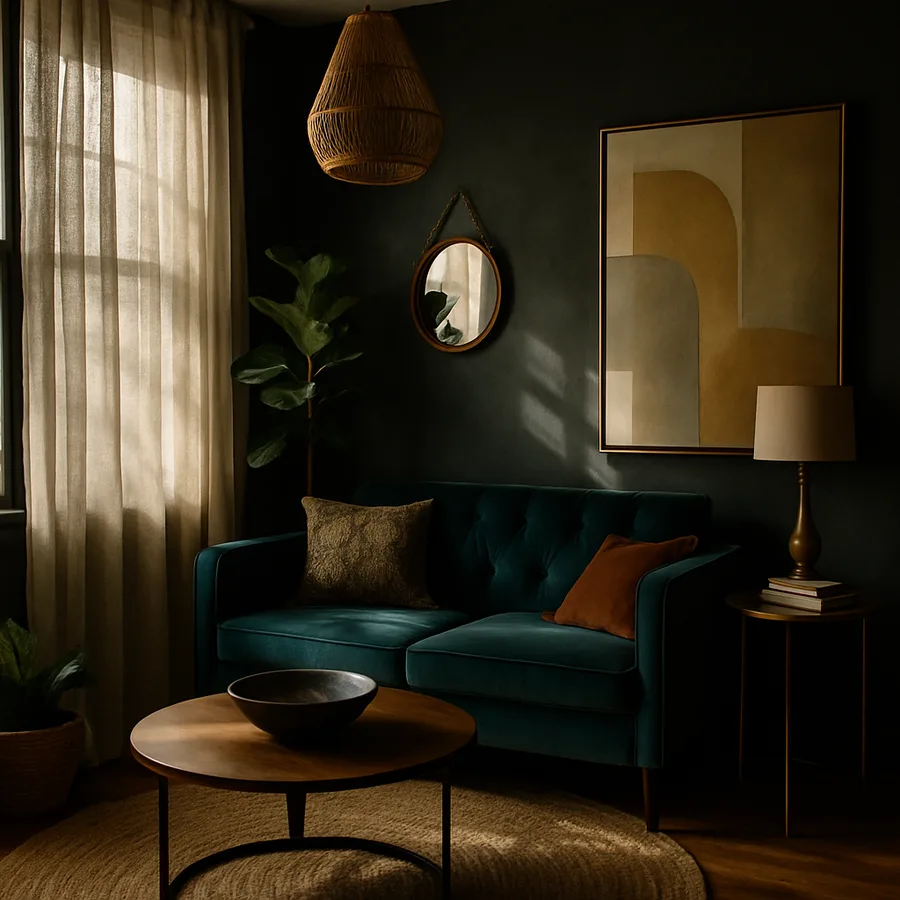
In addition to technology and sustainability, there's a noticeable shift towards minimalism and understated elegance, often referred to as "quiet luxury." This trend emphasizes quality over quantity, with a focus on timeless pieces and neutral palettes. As lifestyles become busier, people are drawn to the serenity and simplicity that minimalistic designs offer, making it a cornerstone of modern interior design.
Key Factors Driving Change
A number of key factors are driving the changes we see in interior design today. One significant influence is the increased awareness of environmental issues. As climate change becomes a pressing concern, both designers and consumers are prioritizing eco-friendly materials and practices. The use of reclaimed wood, recycled metals, and low-VOC (volatile organic compounds) paints are becoming more common, helping to reduce the environmental impact of interior design projects.
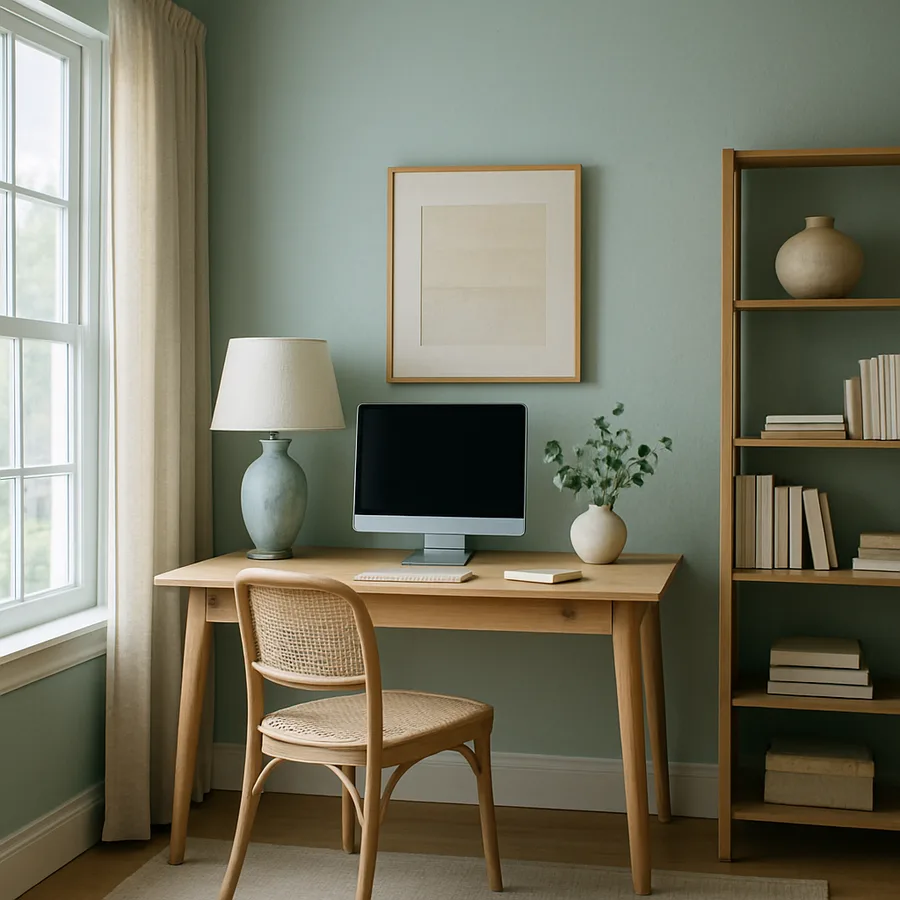
Another factor is the rise of remote work and its impact on home design. With more people working from home, there is a strong demand for functional home offices. This trend has led to a reevaluation of space utilization, where areas in the home are designed to be multipurpose. Flexible furniture and modular layouts are being employed to accommodate both work and leisure activities, providing a practical solution to space constraints.
Lastly, cultural shifts are influencing design preferences. The globalization of design ideas through platforms like Instagram and Pinterest has exposed people to a diverse array of styles and influences. This exposure allows homeowners to incorporate eclectic elements into their spaces, reflecting personal tastes while staying on trend. The blending of different cultural aesthetics is resulting in unique, personalized interior designs.
What the Research Shows
Recent research underscores the impact of interior design on both mental and physical health. According to a survey by the International Interior Design Association (IIDA), 70% of respondents reported feeling happier and more productive in well-designed spaces. This finding highlights the importance of thoughtful design in creating environments that support cognitive and emotional well-being.
Additionally, data from Houzz's annual survey reveals that homeowners are increasingly willing to invest in design elements that enhance comfort and functionality. The survey indicates that spending on home renovations has steadily increased, with a significant portion allocated to interior upgrades. This trend reflects a shift in consumer priorities, with a greater emphasis on creating spaces that are not only beautiful but also serve practical purposes.
Moreover, the American Institute of Architects (AIA) reports that sustainable design practices are becoming more mainstream. Their research shows that projects incorporating eco-friendly elements are more likely to achieve higher client satisfaction ratings. This correlation suggests that as awareness of environmental issues grows, so does the demand for sustainable design solutions.
Practical Implications for You
So, what does this mean for you as a homeowner or renter looking to transform your space? First, consider the functional aspects of your home. Are there areas that could serve multiple purposes, such as a dining room that doubles as a home office? Investing in versatile furniture can help you maximize your space and adapt to changing needs. Think of how a foldable desk or a Murphy bed could enhance your living area.
Next, engage with sustainable practices by selecting eco-friendly materials. Look for furniture made from reclaimed wood or textiles crafted from organic fibers. These choices not only reduce your environmental footprint but also often result in healthier indoor air quality. You might be surprised at how these small changes can create a more inviting and healthier living environment.
Finally, embrace technology to enhance your home's functionality. Smart lighting systems, for example, not only allow you to customize the ambiance of a room but also help conserve energy. Consider integrating a smart thermostat or automated window treatments to optimize comfort and efficiency. These innovations can significantly enhance your quality of life while reflecting modern design trends.
Expert Perspectives
Experienced professionals in the interior design industry often note that staying informed about current trends is crucial for creating spaces that are both stylish and functional. According to the National Council for Interior Design Qualification (NCIDQ), certified designers have the expertise to integrate current trends with client needs effectively. This credential ensures that a designer has the necessary knowledge to deliver projects that meet high standards.
Design experts from the Architectural Digest's AD PRO network emphasize the importance of personalization in modern design. They suggest that while trends provide a framework, ultimately, a space should reflect the individual's personality and lifestyle. This approach ensures that the design remains relevant and meaningful, rather than just following fleeting fads.
Moreover, professionals are increasingly utilizing AR/VR technology to assist clients in visualizing potential designs. This tool allows clients to experience a virtual walkthrough of their redesigned space, making it easier to make informed decisions about layout and decor. The use of such technology is revolutionizing the design process, offering a level of engagement and precision previously unattainable.
Looking Ahead
The future of interior design looks promising, with several exciting trends on the horizon. One area of growth is the continued integration of biophilic elements, as more people recognize the psychological and physical benefits of connecting with nature. Expect to see more indoor gardens, living walls, and the use of natural light in future designs.
Another trend gaining traction is the concept of "quiet luxury," which focuses on high-quality materials and craftsmanship without overt opulence. This understated elegance appeals to those seeking a sophisticated yet subtle aesthetic. Additionally, the demand for smart home integration is expected to grow, with innovations in home automation making everyday living more convenient and energy-efficient.
As you consider these trends, think about how you can incorporate them into your home. What elements resonate with your personal style and lifestyle needs? The key is to blend these innovations with your unique vision to create a space that truly feels like home.
Conclusion
As you embark on your journey to transform your space, remember that the most successful interior designs are those that balance aesthetics, functionality, and sustainability. By staying informed about the latest trends and integrating them thoughtfully, you can create an environment that enhances your well-being and reflects your personal style. Start by exploring designer portfolios on platforms like Houzz or consulting with certified professionals from the American Society of Interior Designers (ASID) to refine your vision. Even dedicating just a few hours to research can sharpen your eye for design and help you make informed decisions. Are you ready to redefine your space with these innovative trends?
More Articles You May Like


Comments
Post a Comment