Creating a Productive Environment: The Psychology Behind Corporate Office Interior Design
Imagine stepping into an office where the walls seem to inspire creativity, and the layout encourages collaboration without uttering a word. According to a study by the World Green Building Council, employees working in well-designed spaces report a 15% increase in productivity. The psychology behind corporate office interior design plays a crucial role in shaping such environments. In this article, we explore how design elements influence workplace productivity, delve into the research-backed principles of office design, and provide actionable strategies to transform your corporate space into a productivity powerhouse.
The Role of Psychology in Office Design
Corporate office interior design is more than selecting furnishings and color palettes; it is about understanding how these elements affect human behavior and performance. The science of environmental psychology informs us that physical environments can significantly impact mood, cognitive function, and interpersonal interactions. This understanding guides designers in creating spaces that boost employee morale and efficiency.
One foundational concept is the effect of color on mood and productivity. For example, blue tones are often associated with calm and concentration, making them ideal for focused work areas. Conversely, vibrant colors like yellow can stimulate creativity and energy, suitable for brainstorming zones. The strategic use of color is not merely aesthetic but serves as a psychological tool to enhance specific workplace activities.
Furthermore, the layout of office spaces plays a critical role in promoting productivity. Open-plan offices, while popular, can sometimes lead to distractions. However, when thoughtfully designed with noise management solutions and designated quiet areas, they can foster collaboration and innovation. Understanding these psychological principles allows designers to craft environments that support both individual and team productivity, setting the stage for deeper analysis.
As we transition into examining deeper analysis, consider how these concepts can be quantified and measured within your own workspace. Are there areas that might benefit from a change in color or layout?
Data-Driven Insights in Office Design
Research consistently supports the notion that well-designed office environments lead to improved employee performance. According to a survey conducted by the American Society of Interior Designers (ASID), 68% of employees reported that their productivity improved when their workspace was redesigned with ergonomic considerations. This data underscores the importance of incorporating ergonomic furniture and design elements that cater to the physical well-being of employees.
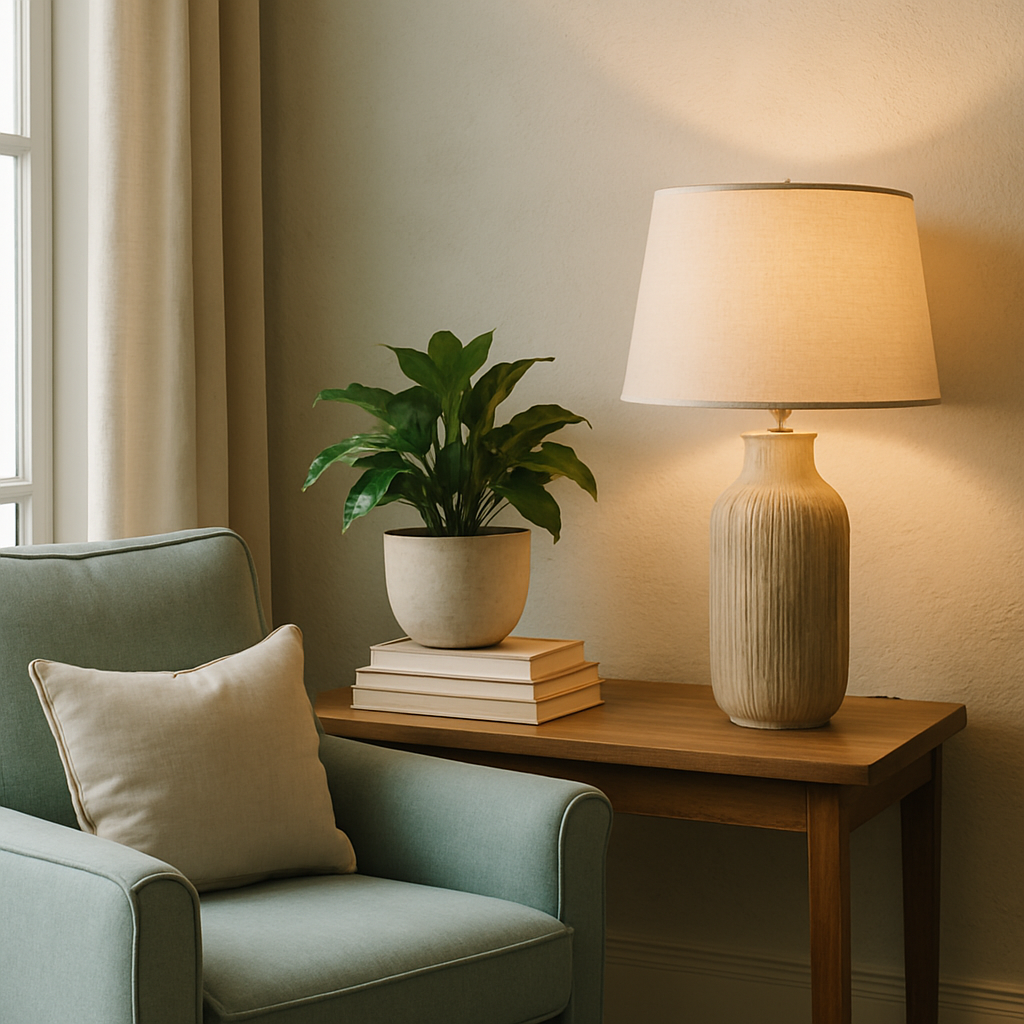
Moreover, the integration of biophilic design-an approach that incorporates natural elements into the workspace-has been shown to reduce stress levels and increase productivity. A study by Human Spaces found that employees working in environments with natural elements were 6% more productive and 15% more creative. This includes features such as living walls, natural lighting, and the use of wood and stone, which create a more inviting and natural atmosphere.
Statistics like these highlight the quantifiable benefits of thoughtful design. By measuring productivity before and after implementing design changes, companies can assess the return on investment that these design strategies provide. As we move forward, consider how you might leverage these data-driven insights in your own office space to foster a more productive environment.
With a firm understanding of these insights, let's explore actionable strategies that can be implemented to achieve these desirable outcomes.
Actionable Strategies for Designing Productive Workspaces
Implementing the principles of productive office design begins with a comprehensive assessment of the current workspace. Start by mapping out how each area is utilized-identify where the team collaborates, where individuals need quiet focus, and areas that may be underutilized. This mapping process is crucial for tailoring the design to meet the specific needs of the organization.
Once the layout is assessed, integrating technology to enhance productivity is a key step. Smart home technology, such as automated lighting and climate control, can significantly improve comfort and efficiency. Platforms like Crestron and Lutron offer systems that allow employees to personalize their workspace environment, thus contributing to a more productive setting.
Incorporating flexible furniture options that can be easily reconfigured to support different work styles is another effective strategy. Furniture from companies like Herman Miller and Steelcase are designed with flexibility in mind, allowing for quick adjustments to accommodate various tasks and team sizes. These strategies not only enhance productivity but also contribute to a more dynamic and adaptable work environment.
With actionable strategies in place, let's delve into expert-level details that further refine the design process for optimal productivity.
Expert Insights on Enhancing Office Productivity
Experienced professionals often note the importance of including quiet luxury in office design-a trend that emphasizes understated elegance and high-quality materials. This approach not only enhances the aesthetic appeal but also creates an environment that subtly communicates value and respect for employees. Such design choices can foster a sense of pride and ownership in the workplace, which can, in turn, boost productivity.
Another expert recommendation is to utilize AR/VR room visualization tools during the design process. These technologies, offered by platforms like SketchUp and Autodesk, allow designers to experiment with different layouts and finishes before implementation. This not only helps in visualizing the final outcome but also ensures that the design aligns with the organization's goals and employee preferences.
In addition, sustainable design practices are becoming increasingly important in office environments. Incorporating sustainable materials and energy-efficient systems not only reduces the carbon footprint but also appeals to the growing number of employees who value corporate social responsibility. Organizations like the International Interior Design Association (IIDA) provide guidelines and certifications for sustainable design practices.
Having explored these expert insights, let's consider additional layers of depth that can further enhance the productivity of office environments.
Additional Depth in Office Design for Productivity
One often overlooked aspect of office design is acoustics. Poor acoustics can significantly hinder productivity, leading to distractions and communication barriers. Acoustic panels, sound-masking systems, and carpets can be strategically used to manage noise levels and improve concentration. AIA (American Institute of Architects) chapters often provide resources and case studies on effective acoustic solutions for offices.
Lighting is another critical element that impacts productivity. Natural light has been shown to improve mood and energy levels, while poorly lit environments can lead to eye strain and fatigue. Integrating large windows, skylights, and adjustable LED lighting systems can create a well-lit workplace that supports employee well-being. Organizations like the U.S. Green Building Council offer certifications like LEED that recognize innovative lighting solutions.
Finally, the role of art and decor in office design should not be underestimated. Art can stimulate creativity and provide visual interest, making the workspace more engaging. Companies such as Art.com offer a range of art pieces that can be curated to reflect the company's culture and values, further enhancing the office environment.
With these additional layers of depth in mind, let's wrap up by considering final perspectives on creating productive office environments.
Final Perspectives on Productive Office Environments
As we've seen, the psychology behind corporate office interior design encompasses various elements, from color and layout to technology and sustainability. Each component plays a vital role in crafting a workspace that not only looks appealing but also fosters productivity and employee satisfaction. By understanding and implementing these design principles, organizations can create environments that motivate and inspire their workforce.
Reflect on your own office space: Are there aspects of the design that could be adjusted to enhance productivity? Perhaps introducing more natural elements or reconfiguring the layout could make a significant impact. As you consider these possibilities, remember that even small changes can lead to substantial improvements.
In conclusion, a thoughtfully designed office environment is a powerful tool for boosting productivity and enhancing company culture. By applying the strategies and insights discussed, you can transform your workspace into a hub of innovation and efficiency.
Conclusion
Creating a productive office environment requires a strategic blend of psychological insight and design expertise. By leveraging principles from environmental psychology, incorporating data-driven strategies, and applying expert insights, you can design a workspace that enhances employee performance and well-being. Remember that the journey to an ideal office begins with understanding your current space and envisioning its potential.
Start by browsing portfolios on platforms like Houzz or the ASID directory this week-even 20 minutes of research will sharpen your eye for what you want. Consider collaborating with a certified interior designer to bring these concepts to life in your office. With the right design, your office can become a catalyst for creativity and productivity.


Comments
Post a Comment