Transform Your Space: Embracing Modern Classic Interior Design Trends
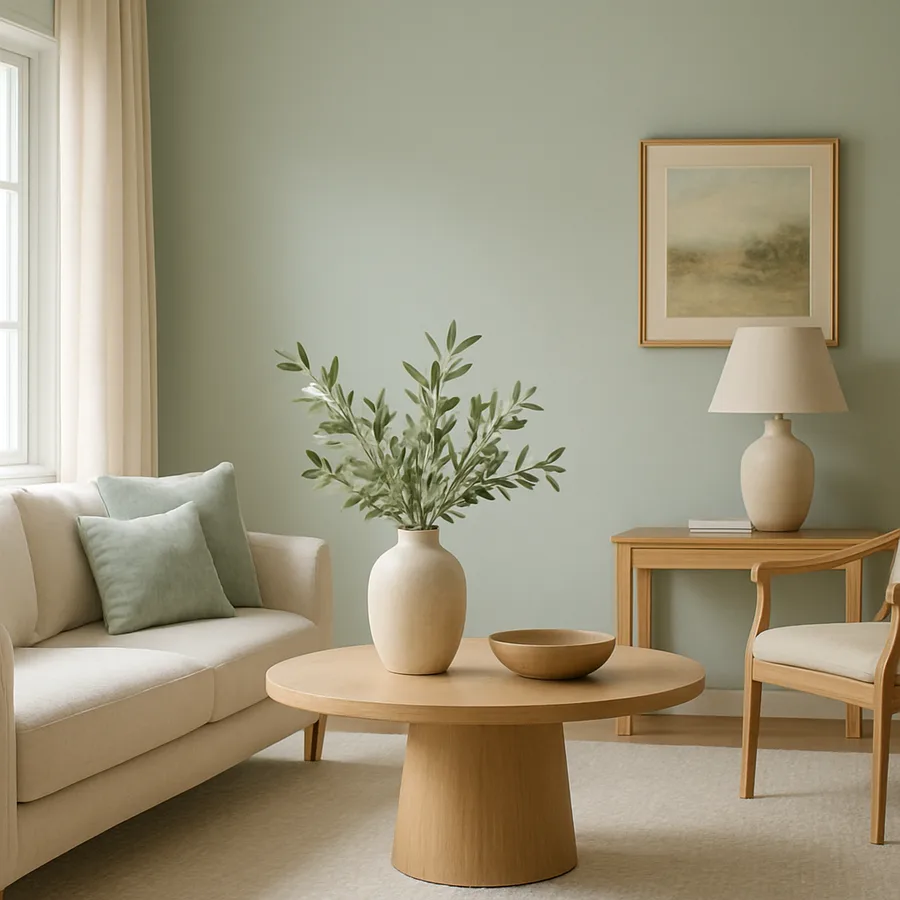
Imagine walking into your home and feeling an immediate sense of elegance coupled with contemporary comfort. Modern classic interior design offers this timeless appeal, yet many find themselves overwhelmed by the challenge of blending traditional elements with modern aesthetics. According to a survey by the American Society of Interior Designers (ASID), 60% of homeowners struggle to achieve their desired look without professional guidance. This article explores how you can transform your space by embracing modern classic interior design trends, offering a blend of sophistication and functionality while maintaining a welcoming atmosphere.
Why This Problem Matters
Creating a cohesive design in your home is more than just an aesthetic choice; it significantly impacts your daily life and property value. A well-designed space can enhance your mood, boost productivity, and even improve resale value. According to a study by Houzz, 75% of homeowners reported increased satisfaction with their homes after a redesign incorporating classic elements. The challenge lies in striking the right balance between modern trends and classic charm, which can often seem elusive to those without a trained eye.
Furthermore, the integration of modern classic design can be financially beneficial. Well-designed interiors have been shown to yield a 5-15% increase in resale value, making it a wise investment for homeowners. However, the cost of hiring a professional designer can be prohibitive, with fees ranging from $150 to $500 per hour or 10-25% of the total project cost. This financial consideration underscores the need for an informed approach to redesigning your space.
Understanding the significance of modern classic design is crucial for anyone looking to update their home. It is not just about following trends; it is about creating a space that feels authentic and timeless. This understanding can guide your design choices, ensuring that they align with both your personal style and practical needs. But what causes the struggle in achieving this design harmony? Let's explore further.
Understanding the Root Causes
One primary reason many homeowners struggle with modern classic design is the overwhelming variety of styles and elements available. With the rise of digital platforms like Houzz, homeowners are bombarded with endless design possibilities, making it difficult to settle on a cohesive plan. The sheer volume of options can paralyze decision-making, leading to a mishmash of styles rather than a harmonious blend.
Additionally, a lack of understanding of design principles can hinder the execution of modern classic interiors. Mixing modern and classic elements requires a keen eye for proportion, color schemes, and material selection. Without this knowledge, attempts to blend these styles can result in a space that feels disjointed or cluttered. Experienced professionals often note that understanding the subtle nuances of each style is key to creating a seamless integration.
Another root cause is the misconception that modern classic design is synonymous with high costs. Many believe that achieving a timeless look requires expensive materials and high-end furnishings. While quality does matter, it is possible to incorporate classic elements on a budget by choosing timeless, versatile pieces and mixing them with modern accents. This approach allows for a cost-effective transformation without sacrificing style. With these challenges in mind, how can you effectively embrace modern classic trends in your home?
Solution #1: Focus on Timeless Furniture and Neutral Palettes
One effective approach to achieving modern classic design is to invest in timeless furniture pieces and neutral color palettes. Classic furniture, such as a Chesterfield sofa or a well-crafted wooden dining table, provides a solid foundation for your design. These pieces are characterized by their durability and style, which transcend fleeting trends, making them worthy investments for any home.
Pairing these timeless pieces with a neutral color scheme allows for a versatile backdrop that can accommodate a variety of modern accents. Shades such as ivory, taupe, and soft grays serve as the perfect canvas for highlighting architectural details or introducing pops of color through accessories. This strategy not only maintains a sense of elegance but also offers flexibility for future updates without requiring a complete overhaul.
Moreover, the simplicity of a neutral palette ensures that your space remains cohesive and uncluttered. It provides a sense of calm and sophistication, which is a hallmark of modern classic design. By focusing on foundational elements and subtle color schemes, you can create a space that is both inviting and timeless, setting the stage for additional design elements. But what if you're seeking a more dynamic approach?
Solution #2: Incorporate Modern Technology and Art
For those looking to infuse a bit more dynamism into their space, integrating modern technology and art can be an exciting solution. Today's smart home features offer convenience and efficiency, seamlessly blending with classic aesthetics. For instance, automated lighting and climate control systems can be discreetly incorporated, ensuring your technology enhances rather than disrupts your design.
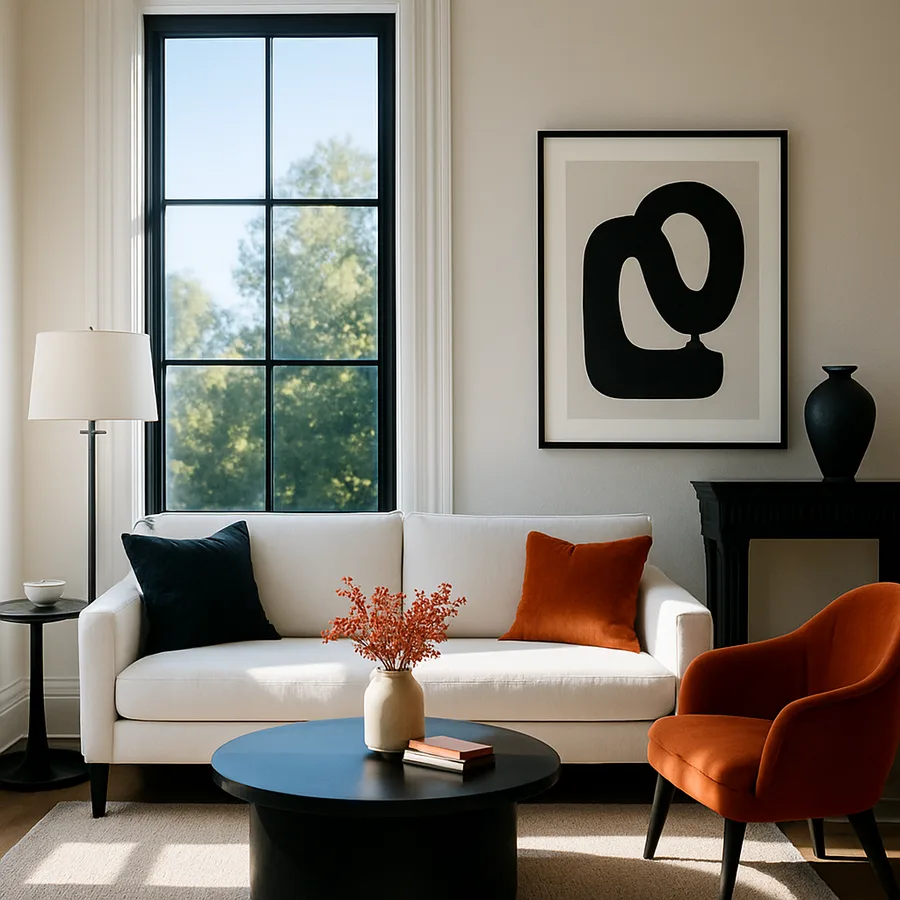
Art is another powerful tool in bridging the gap between modern and classic design. A contemporary piece of art or a bold sculpture can serve as a focal point, adding interest and personality to a room. The juxtaposition of modern art against classic architecture creates a stimulating contrast that can elevate your space. Platforms like Architectural Digest often showcase how art can transform a room, providing inspiration for your own home.
Incorporating modern technology and art requires thoughtful placement to ensure cohesiveness with the overall design. It's essential to balance these elements with classic features to avoid an overpowering effect. This solution not only modernizes your space but also allows for personalization that reflects your unique taste. How do these solutions compare when considering factors like cost and feasibility?
Comparing Your Options
When considering which approach to modern classic design suits your needs, it's essential to weigh the pros, cons, and costs of each option. Focusing on timeless furniture and neutral palettes offers a straightforward solution with long-term benefits. This approach is generally cost-effective, as it relies on investing in fewer, high-quality pieces that will not require frequent replacement.
On the other hand, incorporating modern technology and art can be more costly initially but offers greater flexibility and personalization. This option may appeal to those who enjoy staying on the cutting edge of technology and design trends. However, it can lead to higher maintenance costs and the need for periodic updates to keep up with technological advancements.
Ultimately, the best approach depends on your budget, personal style, and long-term design goals. For some, a blend of both solutions might offer the ideal balance of classic elegance and modern innovation. By understanding your priorities and evaluating these options carefully, you can make an informed decision that enhances your space. But how do you implement these strategies effectively?
Implementation Guide
To successfully implement modern classic design, start by assessing the current state of your space. Identify key areas that could benefit from the introduction of timeless furniture or modern technology. Consider the functionality of each room and how the design will support your lifestyle. This initial assessment will help guide your decisions and ensure your design is both beautiful and practical.
Next, research and select the right furniture and accessories that align with your chosen approach. Platforms like IIDA provide resources and directories to help you find certified designers and suppliers. Whether you're opting for classic pieces or contemporary art, ensure that each item complements the overall aesthetic and contributes to the room's cohesiveness.
Finally, execute your design plan with attention to detail. Focus on placement and balance, ensuring that each element fits harmoniously within the space. Consider enlisting the help of a professional designer if you're unsure about specific design choices. Their expertise can provide valuable insights and ensure the final result aligns with your vision. Once your design is complete, you'll have a space that not only reflects modern classic trends but also enhances your everyday living experience.
Conclusion
Transforming your space with modern classic interior design trends can offer a blend of timeless elegance and contemporary flair. By focusing on timeless furniture, neutral palettes, and thoughtful integration of modern technology and art, you can create a cohesive and personalized environment. Remember, the key is to balance efficiency with aesthetics, ensuring your space is as functional as it is beautiful.
Ready to start your design journey? Begin by browsing portfolios on platforms like Houzz this week. Even dedicating just 20 minutes can sharpen your eye for what you truly want. Whether you're incorporating these trends independently or with professional guidance, the transformation will be worth the effort. Your ideal space awaits-why not start today?
More Articles You May Like



Comments
Post a Comment