Transform Your Space: Embrace the Elegance of Art Deco Interior Design
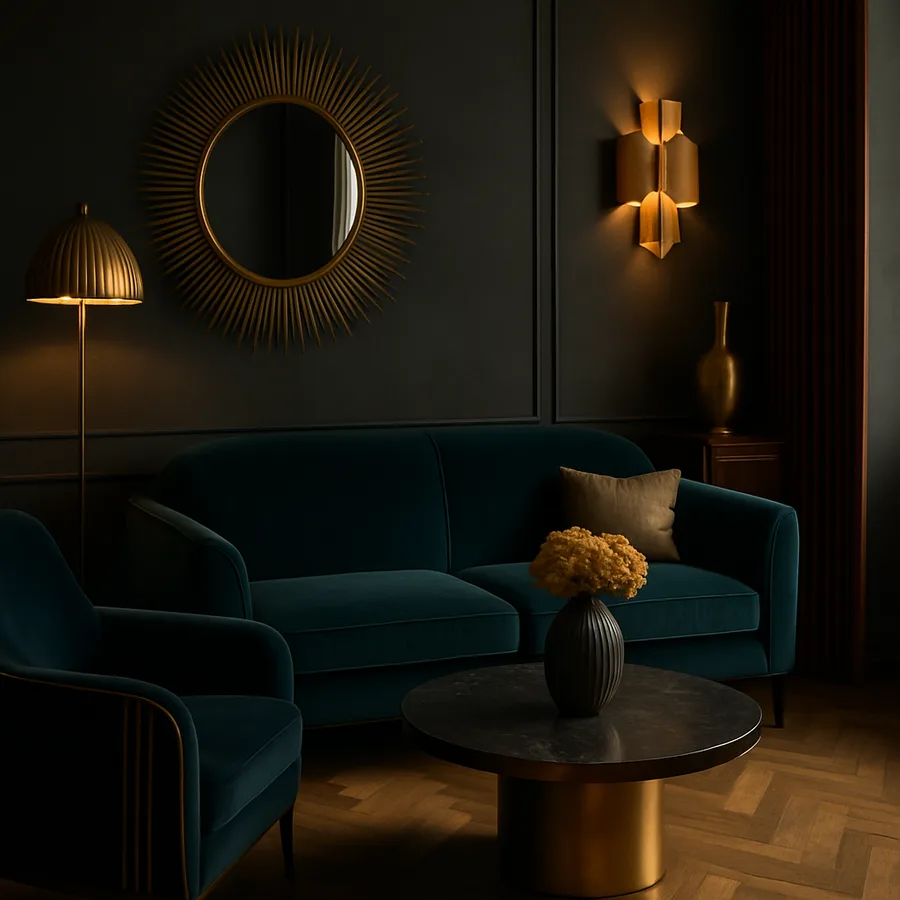
The allure of Art Deco interior design lies in its timeless elegance and luxurious detail, offering a transformative aesthetic that can elevate any space. Are you ready to infuse your home with the grandeur of the Roaring Twenties? According to the American Society of Interior Designers (ASID), incorporating Art Deco elements can significantly enhance your home's appeal, combining functionality with artistic expression. This article will guide you through the essentials of Art Deco design, from understanding its core principles to executing a sophisticated home transformation.
What You Need to Know First
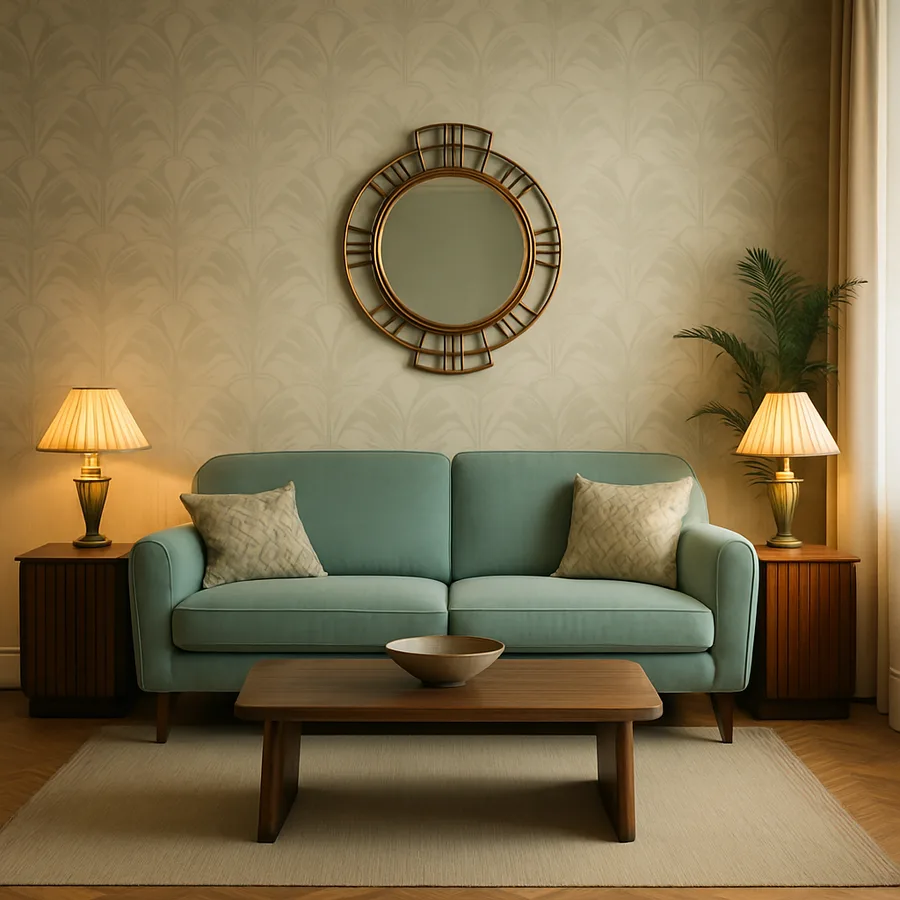
Before diving into the world of Art Deco, it's crucial to understand its historical context and foundational principles. Emerging in the 1920s, Art Deco represented a break from tradition, embracing modernity through geometric shapes, rich colors, and lavish materials. This design style reflects an era of prosperity and technological advancement, characterized by bold statements and intricate craftsmanship. According to a survey by the International Interior Design Association (IIDA), Art Deco remains a popular choice for those seeking to blend luxury with modern sensibilities.
The core elements of Art Deco include symmetry, geometric patterns, and an emphasis on vertical lines. Think of chevron patterns, ziggurats, and sunburst motifs that encapsulate the style's essence. Materials like chrome, glass, and lacquered wood are staples, contributing to the opulence that defines this design era. When planning your transformation, consider how these elements can integrate with your existing space to maintain a cohesive aesthetic.
Art Deco's influence extends beyond aesthetics; it also incorporates functionality and innovation. Consider the practical aspects of your space: how can Art Deco enhance both form and function? This balance is crucial, as the style's elegance should never come at the expense of usability. As you embark on this design journey, keeping these foundational principles in mind will set the stage for a successful transformation.
Step-by-Step Process
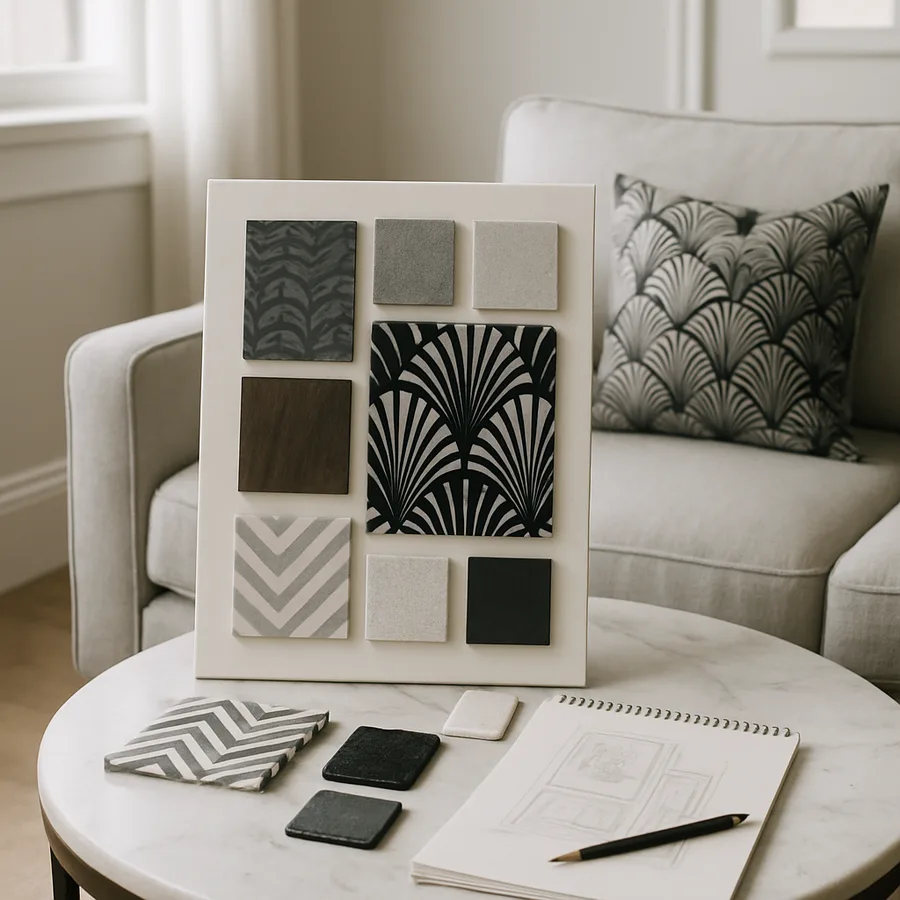
Transforming your space with Art Deco design involves a series of thoughtful steps. Begin with research and inspiration. Platforms like Houzz offer extensive galleries of Art Deco interiors that showcase various interpretations of the style. Compile a mood board to visualize elements you wish to incorporate, considering color schemes, textures, and key furniture pieces.
Next, evaluate your space and identify areas that can be enhanced with Art Deco features. Start with walls and floors: wallpaper with bold geometric patterns or parquet flooring can serve as a striking foundation. For furniture, opt for pieces with curved edges and luxurious upholstery in velvet or leather. Incorporate metallic accents through light fixtures and mirrors to add a touch of glamour.
Accessorizing is where you can truly express your personality within the Art Deco framework. Select items that echo the style's motifs, such as sculptures, vases, and art pieces with cubist influences. Remember, symmetry is key; arrange items in pairs or balanced compositions to maintain visual harmony. By following these steps, you'll create a cohesive and stunning Art Deco environment.
Common Mistakes to Avoid
While the allure of Art Deco is captivating, there are common pitfalls that can derail your design efforts. One frequent mistake is over-cluttering. Art Deco is about bold statements, but too many elements can overwhelm a space. Focus on a few impactful pieces rather than overcrowding with too many decorative items. This approach ensures that each element can shine within the design.
Another error is neglecting the balance between old and new. While Art Deco draws heavily from its historical roots, integrating contemporary elements can prevent the space from feeling dated. Consider modern lighting or technology-infused furniture to keep the design fresh and relevant. This fusion of styles not only enhances functionality but also creates an interesting visual dynamic.
Finally, be cautious with color schemes. Art Deco often employs bold colors, but without careful consideration, these can clash rather than complement. Stick to a palette that includes deep blues, greens, and golds, allowing pops of color to emerge through accessories or accent walls. By avoiding these mistakes, you can maintain the integrity of the Art Deco style while ensuring your space remains inviting and cohesive.
Pro Tips from Industry Experts
Experienced professionals often note that the key to a successful Art Deco transformation is in the details. According to interior designer insights from Architectural Digest's AD PRO network, incorporating bespoke furniture and custom finishes can elevate your design. Consider commissioning unique pieces that reflect Art Deco motifs, adding a personalized touch to your home.
Lighting plays a pivotal role in Art Deco interiors. Opt for fixtures that double as statement pieces, such as chandeliers with crystal or brass elements. Layer your lighting with a mix of ambient, task, and accent lights to create a dynamic atmosphere. This not only highlights the room's features but also enhances the overall ambiance, making your space both functional and inviting.
When it comes to materials, experts suggest investing in high-quality finishes. Items such as marble countertops or hardwood floors can serve as the foundation for your design, offering durability and timeless appeal. Additionally, incorporating sustainable and reclaimed materials aligns with current trends towards eco-friendly design, providing a modern twist on the classic Art Deco aesthetic.
Budget and Timeline Considerations
Planning for an Art Deco transformation requires careful budget management. On average, a single-room redesign can cost between $5,000 and $15,000, depending on the scope and quality of materials. For a comprehensive home project, expect to invest upwards of $50,000. Are you prepared to allocate resources effectively to achieve your desired results?
Timeline is another critical factor. A typical project, from concept to completion, can take several months. This includes phases such as design development, procurement of materials, and installation. It's essential to plan for potential delays in sourcing custom or specialty items, which can impact the overall timeline.
To stay on track, consider working with a certified interior designer who holds credentials like the NCIDQ. Their expertise can help streamline the process, ensuring your project remains within budget and on schedule. By managing these considerations, you can achieve a seamless Art Deco transformation without unnecessary stress.
Real-World Examples and Case Studies
Transformative Art Deco projects abound, offering inspiration and insight into the style's impactful design. Consider the renovation of the Chrysler Building's lobby, a prime example of Art Deco's grandeur. The project involved restoring original elements while integrating modern functionalities, demonstrating how historical detail can coexist with contemporary convenience.
Another case study is the redesign of a private residence in Miami, where the owners opted for a bold Art Deco theme. The designers utilized terrazzo flooring and custom-designed furniture to create a cohesive aesthetic. By integrating smart home technology, they were able to blend classic elegance with modern innovation, achieving a harmonious balance.
These examples illustrate that Art Deco design can be both beautiful and practical. Whether you're transforming a single room or an entire home, it's possible to create a space that reflects personal style while honoring the tradition of this iconic design movement. By drawing inspiration from these real-world scenarios, you can craft a space that is both unique and timeless.
Conclusion
Embracing the elegance of Art Deco interior design offers a unique opportunity to transform your space with timeless sophistication. By understanding the style's principles, avoiding common pitfalls, and implementing expert strategies, you can create an environment that is both luxurious and functional. Are you ready to embark on your Art Deco journey?
Start by browsing designer portfolios on platforms like Houzz this week - even 20 minutes of research will sharpen your eye for what you want. Remember, the key to a successful transformation lies in the details, so invest time in planning and execution. With careful consideration and creative vision, your space can become a masterpiece of Art Deco design.
More Articles You May Like


Comments
Post a Comment