Exploring the Timeless Elegance of Art Deco Interior Design Styles
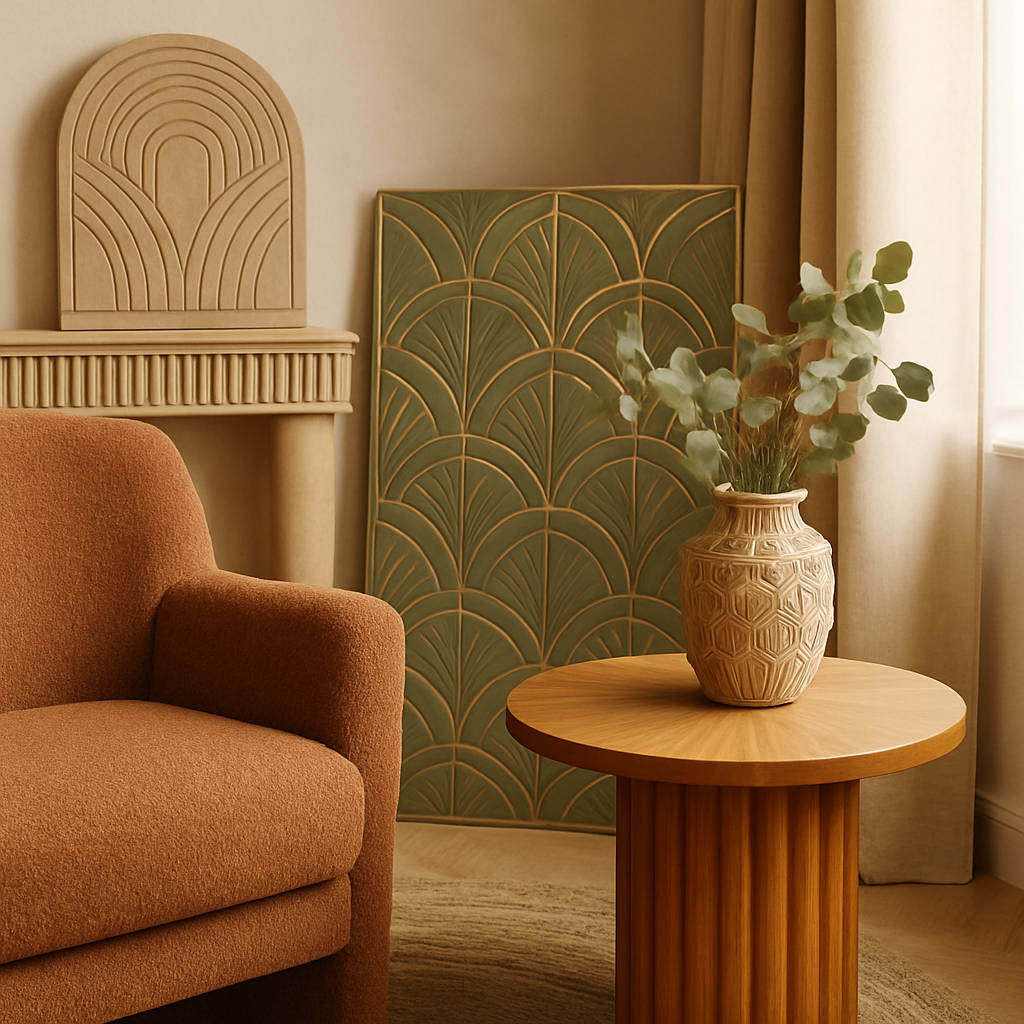
Have you ever walked into a room and felt instantly transported to a world of glamour and sophistication? Such is the magic of Art Deco interior design, a style that evokes the opulence of the 1920s and 1930s while remaining remarkably versatile today. As the primary keyword suggests, Art Deco interior design styles are not just a relic of the past; they are a timeless choice for those seeking to infuse elegance and luxury into their homes. This article will explore the foundational elements of Art Deco, delve into its historical significance, and provide actionable strategies for incorporating this iconic style into modern interiors. We'll also examine expert insights and additional depth to ensure your understanding is both comprehensive and practical.
The Foundations of Art Deco Design
The Art Deco movement, which emerged in the early 20th century, is characterized by its bold geometric patterns, lavish materials, and a penchant for symmetry and order. This style originated in France and quickly spread globally, influencing architecture, fashion, and interior design. Its distinctive features include the use of rich colors, such as gold, silver, and deep jewel tones, often paired with luxurious materials like marble, glass, and chrome. The emphasis on geometrical shapes and clean lines is a hallmark of Art Deco, reflecting a fascination with technological progress and modernity.
One of the key elements of Art Deco is its focus on craftsmanship and detail. In the 1920s, artisans meticulously crafted furniture and decor items that showcased intricate inlays, exotic woods, and high-gloss finishes. This attention to detail is what gives Art Deco its enduring appeal, as each piece is not only functional but also a work of art. The style often incorporates motifs such as zigzags, chevrons, and sunbursts, which can be seen in everything from textiles to architecture.
For those looking to incorporate Art Deco into their homes, it's essential to understand its foundational principles. Start by selecting a color palette that reflects the period's opulence, incorporating metallics and jewel tones. Furniture should be both functional and decorative, with an emphasis on streamlined shapes and luxurious materials. As you consider the foundational concepts of Art Deco, ask yourself: How can I balance luxury with functionality in my space?
Reviving Classic Glamour: A Deeper Dive
According to the American Society of Interior Designers (ASID), interest in Art Deco styles has seen a resurgence in recent years, with homeowners drawn to its blend of historical charm and modern functionality. This revival can be attributed to a growing appreciation for vintage aesthetics and the desire for spaces that exude personality and style. The combination of bold patterns and luxurious materials offers a unique opportunity for personalization, allowing homeowners to create interiors that are both stylish and timeless.
Industry surveys suggest that incorporating Art Deco elements can increase a property's resale value by 5-15%, particularly in urban markets where the style's urbanity and sophistication resonate deeply. This increase in value is partly due to the high-quality materials and craftsmanship associated with Art Deco, which appeal to discerning buyers who value authenticity and historical provenance. Homes that feature Art Deco design often stand out in the market, offering a distinct aesthetic that is both rare and desirable.
One of the standout features of Art Deco is its adaptability. While rooted in the past, it seamlessly integrates with contemporary design trends, such as the current fascination with biophilic design and smart home technology. By blending these elements, you can create a space that is not only beautiful but also environmentally conscious and technologically advanced. As you explore these possibilities, consider: How can I integrate modern technology into an Art Deco-inspired space without compromising its aesthetic integrity?
Incorporating Art Deco into Modern Interiors
For those eager to bring the timeless elegance of Art Deco into their homes, several strategies can help achieve this look. Start by focusing on key elements such as lighting, furniture, and color schemes. Art Deco lighting often features geometric shapes and luxurious materials like brass and glass. Consider installing a statement chandelier that serves as a focal point in the room, casting a warm and inviting glow.
When it comes to furniture, opt for pieces that combine form and function. Look for items with sleek, streamlined designs and high-quality materials, such as a velvet sofa with chrome accents or a lacquered coffee table with geometric inlays. These pieces should exude a sense of glamour while providing the comfort and practicality needed for everyday living. Don't be afraid to mix vintage Art Deco pieces with modern furnishings to create a dynamic and layered aesthetic.
Color schemes play a crucial role in achieving the Art Deco look. Focus on rich, bold colors like teal, emerald, and gold, which can be used on walls, upholstery, and accessories. These hues add depth and drama to a space, creating a sense of luxury and sophistication. Complement these colors with neutral tones to balance the vibrancy and ensure the space remains cohesive. As you plan your design, ask yourself: How can I use color to elevate the mood and ambiance of my home?
Expert Insights: Navigating the Art Deco Landscape
Experienced professionals often note that the key to successfully incorporating Art Deco into a home lies in the balance between historical authenticity and modern functionality. According to experts from the International Interior Design Association (IIDA), it's important to honor the style's roots while adapting it to contemporary lifestyles. This might involve reimagining traditional Art Deco motifs in new materials or updating classic designs with modern technology.
One innovative approach is the use of augmented reality (AR) and virtual reality (VR) tools, which allow homeowners to visualize Art Deco elements within their spaces before making a commitment. These technologies enable you to experiment with different layouts, color schemes, and furniture arrangements, ensuring the final design aligns with your vision. Platforms like Houzz offer AR features that can be invaluable during the planning phase, providing a realistic preview of how your space will look and feel.
Additionally, sourcing materials and furnishings that align with sustainable practices can enhance the appeal of an Art Deco-inspired home. Reclaimed wood, recycled metals, and eco-friendly textiles can be used to recreate iconic Art Deco designs while minimizing environmental impact. This not only reflects a commitment to sustainability but also adds a layer of depth and meaning to your interiors. As you explore these expert insights, consider: How can I honor Art Deco's legacy while embracing modern values such as sustainability and innovation?
Additional Depth: Art Deco in the Modern Context
The allure of Art Deco extends beyond aesthetics, resonating with those who appreciate its historical and cultural significance. As a design movement, it represents a period of optimism and progress, capturing the spirit of an era that embraced technological advancement and artistic innovation. This context adds a layer of richness to contemporary interpretations, inviting homeowners to connect with a legacy that is both glamorous and forward-thinking.
For those interested in exploring Art Deco further, visiting historical landmarks and museums can provide valuable insights. Institutions like the American Institute of Architects (AIA) often host tours and exhibitions dedicated to Art Deco architecture, offering a firsthand look at the style's impact across different mediums. Additionally, online resources and design magazines, such as Architectural Digest's AD PRO network, offer inspiration and practical advice for incorporating Art Deco elements into modern spaces.
Understanding the broader cultural context of Art Deco can also enhance your appreciation of its design principles. As you delve into the history and significance of this movement, you may find yourself inspired by its timeless appeal and the way it captures the essence of an era defined by elegance and innovation. As you consider these perspectives, ask yourself: What aspects of Art Deco most resonate with my personal style and values?
Final Perspectives: Embracing the Art Deco Aesthetic
As you embark on your journey to incorporate Art Deco into your home, remember that this style is as much about personal expression as it is about historical homage. Its timeless elegance offers a canvas for creativity, allowing you to infuse your personality into every element of your space. Whether you choose to fully embrace the style or incorporate subtle touches, Art Deco can transform your interiors into a sanctuary of sophistication and charm.
Ultimately, the goal is to create a space that reflects both your aesthetic preferences and practical needs. By thoughtfully selecting materials, colors, and furnishings, you can achieve a harmonious balance that honors the past while embracing the present. As you refine your design, consider how each element contributes to the overall ambiance and functionality of your home.
As you reflect on the possibilities that Art Deco offers, remember that the journey is just as important as the destination. Take the time to explore different options, experiment with new ideas, and enjoy the process of creating a space that truly feels like home. How will you make Art Deco your own?
Conclusion: Bringing Art Deco to Life in Your Home
In summary, Art Deco interior design styles offer a unique blend of elegance, history, and modernity that can elevate any space. By understanding its foundational elements, exploring expert insights, and integrating sustainable practices, you can successfully incorporate this timeless style into your home. The result is a space that not only reflects your personal taste but also embraces a legacy of luxury and innovation.
Are you ready to transform your home with Art Deco's timeless elegance? Start by browsing designer portfolios on platforms like Houzz and Pinterest this week. Even 20 minutes of research will sharpen your eye for what you want and inspire your next design project. Embrace the beauty and sophistication of Art Deco and make it your own.



Comments
Post a Comment